Do Bell Peppers Like Coffee Grounds? Discover the Benefits for Your Garden

Garden enthusiasts often seek natural ways to enhance plant growth and improve soil quality. One intriguing question arises: do bell peppers benefit from the addition of coffee grounds? Coffee grounds are not only a common kitchen waste but also pack a variety of nutrients that could potentially support the health of bell pepper plants. In this article, we will explore the benefits of using coffee grounds in your garden, how they interact with bell pepper plants, and practical tips for incorporating them into your gardening routine. Discover how this simple ingredient can elevate your bell pepper harvest!
Do Bell Peppers Like Coffee Grounds?
Bell peppers can benefit from the incorporation of coffee grounds into their soil, as these grounds can enhance soil structure, improve drainage, and enrich nutrient content. Coffee grounds are rich in nitrogen, which is essential for healthy plant growth, and they can help in attracting beneficial microorganisms that promote soil health. Additionally, the acidity of coffee grounds can be advantageous for bell peppers, whose preferred pH ranges can often align with the slightly acidic nature of coffee, thereby boosting overall plant vitality.
Nutritional Benefits of Coffee Grounds
Coffee grounds contain a variety of nutrients that can be beneficial for plants, including nitrogen, phosphorus, and potassium. These nutrients are critical for plant growth, helping to promote vibrant foliage and enhance fruit development. The slow decomposition of coffee grounds adds organic matter to the soil, improving its overall fertility and ensuring that bell peppers receive a steady supply of nutrients as they grow.
Effects on Soil Structure
Incorporating coffee grounds into the soil can improve its structure by promoting better aeration and drainage. The grounds help to break up compacted soil, allowing roots to grow more easily and access water and nutrients. Furthermore, improved soil structure can reduce the risk of root rot, a common problem for bell pepper plants, making the environment more conducive for healthy growth.
Acidity and pH Levels
Bell peppers prefer a slightly acidic soil with a pH level around 6.0 to 6.8. Since coffee grounds are mildly acidic, their addition can help to maintain or enhance the acidity of the soil. This is particularly beneficial in alkaline soils, where the addition of coffee grounds can help balance pH levels, ensuring that nutrient availability is optimized for bell pepper growth.
Attracting Beneficial Organisms
Adding coffee grounds to garden soil can help attract beneficial organisms, such as earthworms and microbes, which play a crucial role in soil health. These organisms break down organic matter, releasing nutrients in a form that plants can absorb. The presence of a rich microbial community in the soil can enhance the overall health of bell peppers, leading to increased growth and yield.
How to Use Coffee Grounds in Gardening
To effectively use coffee grounds in your garden for bell peppers, it’s best to mix them into the soil rather than applying them directly on top. A good practice is to combine coffee grounds with other organic materials like compost to create a nutrient-rich mix. Ideally, you should incorporate coffee grounds in moderation, usually no more than about 25% of the total soil mix, to prevent any potential negative effects on soil pH or nutrient balance.
See also:
| Aspect | Impact on Bell Peppers |
|---|---|
| Nutrients | Provides essential nitrogen and other nutrients |
| Soil Structure | Improves aeration and drainage |
| pH Levels | Can slightly lower pH, favoring bell pepper growth |
| Beneficial Organisms | Attracts worms and microbes that enhance soil health |
| Application | Mix with soil or compost for best results |
What is the best fertilizer for bell peppers?
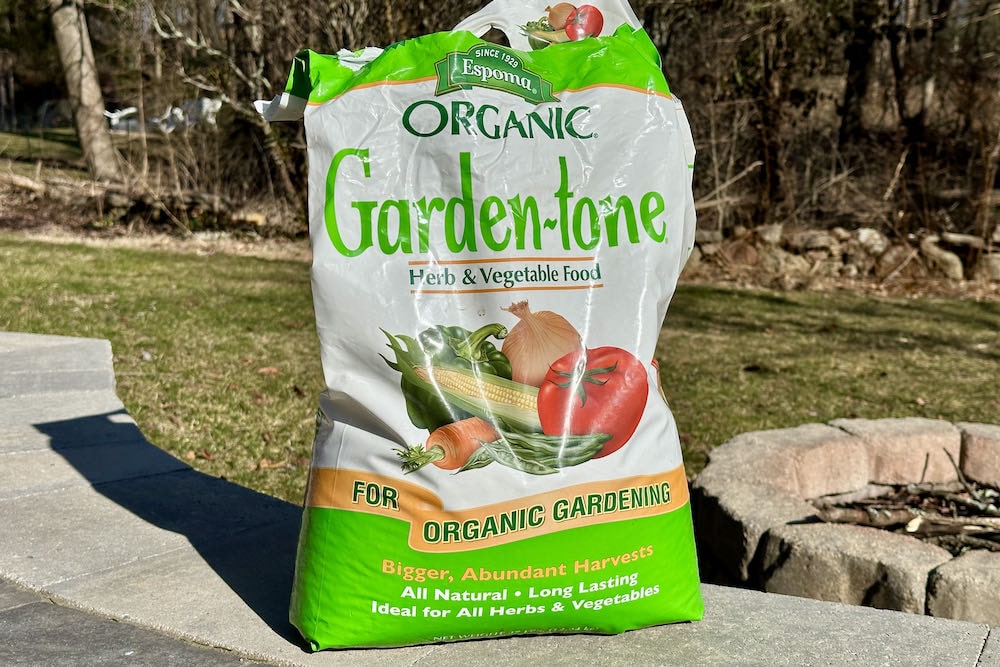
The best fertilizer for bell peppers is a balanced fertilizer that provides the necessary nutrients for optimal growth and fruit production. Bell peppers thrive in nutrient-rich soil, and the right fertilizer can greatly enhance their health and yield. Here are some recommended fertilizers and the nutrients they provide:
1. Balanced Fertilizers: Look for fertilizers with an N-P-K ratio (Nitrogen-Phosphorus-Potassium) of 5-10-10 or similar, which supports healthy foliage and robust fruit development.
2. Organic Fertilizers: Natural options such as compost, well-rotted manure, or aged chicken litter can improve soil structure and add valuable nutrients.
3. Slow-Release Granular Fertilizers: These fertilizers release nutrients slowly over time, which can be beneficial for consistent growth throughout the growing season.
4. Liquid Fertilizers: Fertilizers that can be mixed with water for ease of application can give bell peppers a quick nutrient boost, especially during key growth stages.
5. Soil Testing: Conducting a soil test can help determine specific nutrient deficiencies in your soil, enabling you to choose the most effective fertilizer to address these needs.
See also:
Understanding N-P-K Ratios
The N-P-K ratio on fertilizer labels indicates the relative percentages of Nitrogen, Phosphorus, and Potassium. These elements perform distinct functions in plant growth:
- Nitrogen promotes leafy growth and lush foliage.
- Phosphorus encourages root development and flowering.
- Potassium aids in overall plant health and disease resistance.
Choosing Organic vs. Synthetic Fertilizers
When deciding between organic and synthetic fertilizers for bell peppers, consider the following:
- Organic fertilizers improve soil health and microbial activity.
- Synthetic fertilizers provide a rapid nutrient boost and may be easier to apply.
- Both types can be effective; the choice often depends on personal gardening philosophy and specific plant needs.
Application Timing
Timing is crucial for fertilizer application to bell peppers:
- Apply a balanced fertilizer at planting time to establish strong initial growth.
- Side-dress with additional fertilizer during flowering and fruiting stages for increased yield.
- Monitor plant growth and adjust the timing or quantity of fertilizer as needed throughout the growing season.
The Role of Soil Health
Healthy soil supports bell pepper growth and enhances fertilizer effectiveness:
- Regularly amend soil with organic matter to maintain moisture and nutrient balance.
- Ensure proper pH levels (6.0 to 6.8) for optimal nutrient uptake.
- Perform soil tests to identify nutrient deficiencies and correct them accordingly.
Signs of Nutrient Deficiency
Being able to recognize nutrient deficiencies in bell peppers can help you address issues promptly:
- Yellowing leaves may indicate a nitrogen deficiency.
- Purple veins on leaves could suggest a lack of phosphorus.
- Weak fruit set may result from insufficient potassium levels.
Questions from Our Readers
Do bell peppers benefit from coffee grounds?
Yes, bell peppers can benefit from coffee grounds as they are a good source of nitrogen, which is essential for plant growth. The organic matter can help improve soil structure, promote drainage, and enhance the soil's ability to retain moisture.
How should I apply coffee grounds to bell peppers?
To apply coffee grounds to bell peppers, you should mix them into the soil or use them as a top dressing around the base of the plants. It's best to use coffee grounds in moderation, as excessive amounts can lead to acidity in the soil.
See also:
Are there any downsides to using coffee grounds on bell peppers?
While coffee grounds can be beneficial, too much can lead to problems such as over-acidity and potential nitrogen lock-up, which might hinder the plant's ability to absorb other nutrients. It's essential to monitor the soil's pH and adjust accordingly.
Can I use used coffee grounds for bell peppers?
Absolutely, used coffee grounds are fine to utilize for bell peppers. They still contain significant amounts of nutrients and will not have the same high acidity levels as fresh coffee grounds, making them a safer choice for your garden.

If you want to read more articles like Do Bell Peppers Like Coffee Grounds? Discover the Benefits for Your Garden, we recommend you check out our Garden category.
Leave a Reply
Related Articles