What is the Most Difficult Vegetable to Grow? A Gardener's Guide to Tough Vegetables
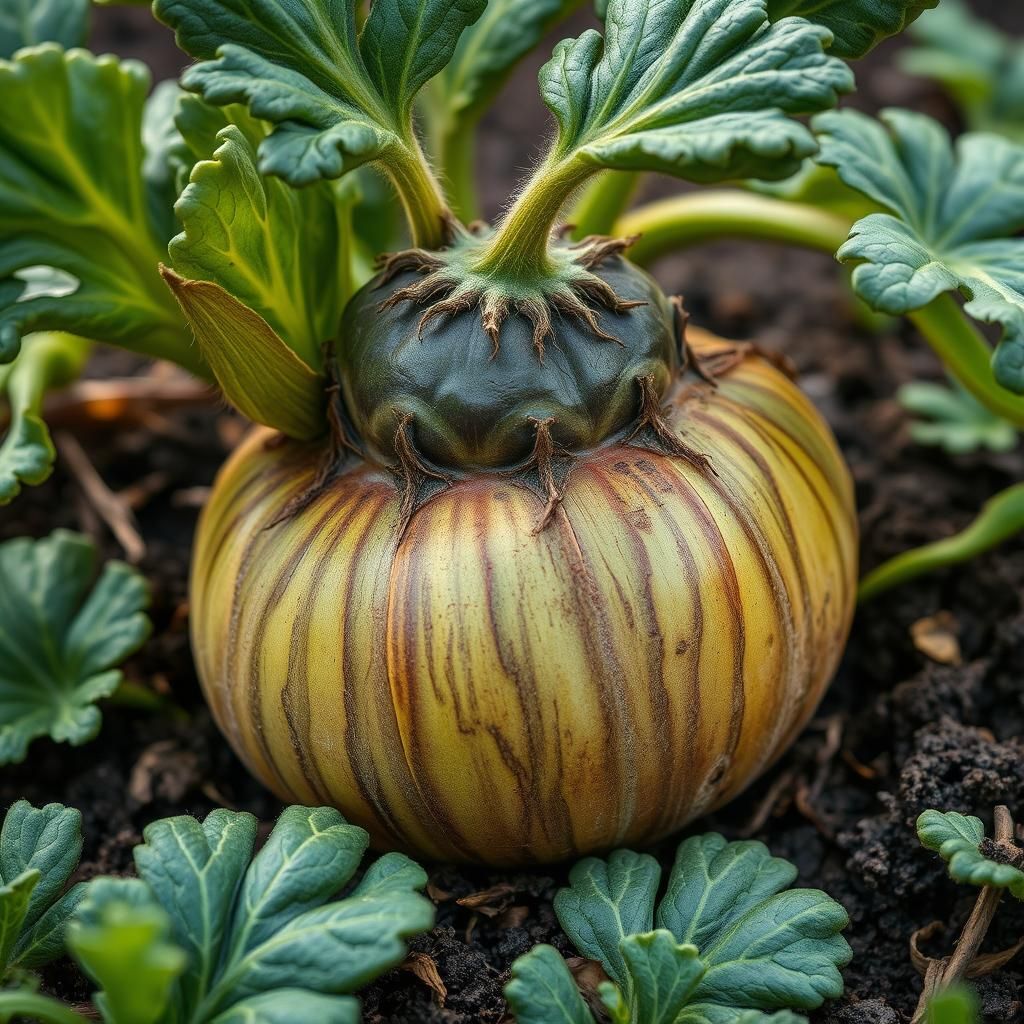
Growing vegetables can be a rewarding endeavor, yet some varieties present unique challenges that can test even the most seasoned gardener's skills. In this article, we will explore the most difficult vegetables to cultivate, delving into the factors that contribute to their complexity. From demanding specific soil conditions to requiring particular climates or pest management practices, these tough vegetables often require patience and expertise. For those willing to face the challenge, growing these hardy choices can lead to a bountiful harvest, turning gardening from a simple hobby into an exciting adventure. Join us as we navigate this intricate horticultural landscape.
What is the Most Difficult Vegetable to Grow?
Growing vegetables can often be a rewarding experience, but certain types present significant challenges due to their specific growing conditions and susceptibility to pests and diseases. One of the most difficult vegetables to grow is the artichoke. This perennial plant requires a warm climate, well-draining soil, and ample space to thrive, making it a challenge for home gardeners who may not have the ideal conditions. Additionally, artichokes take a long time to mature and often require several years before they can produce a decent harvest. Factors such as disease management and the need for specialized care call for a considerable commitment, which can deter many gardeners.
Growing Conditions
The growing conditions for artichokes are very specific; they need a mild climate with plenty of sunshine and well-drained, fertile soil. Typically, artichokes thrive best in USDA zones 7 to 11, placing them out of reach for those in cooler regions. Moreover, they require a substantial amount of water, particularly during dry spells, but care must be taken to prevent root rot due to overwatering.
Pest and Disease Management
Artichokes are prone to various pests such as aphids and snails, as well as diseases like downy mildew and crown rot. Consequently, managing these threats requires vigilance and often organic or chemical treatments. A gardener must consistently monitor the plants and take preventive measures, which can be quite labor-intensive and complex.
Harvesting Challenges
The harvesting of artichokes can be challenging due to their unique growth pattern. Unlike annual vegetables, artichokes are perennial and require careful timing to harvest at the right moment, just before the buds open. Harvesting too early results in smaller buds, while waiting too long leads to flowering, making the harvest inedible.
Space Requirements
Artichokes can grow quite large, often reaching heights of up to 4-6 feet and spreading about 3-5 feet wide. This requires a significant amount of space in the garden, which can be a limiting factor for those with smaller plots. Thus, gardeners must plan their layouts carefully to accommodate these sizeable plants while maintaining proper plant spacing.
Time to Maturity
Another reason artichokes are considered difficult to grow is the time to maturity; they often take two to three years to establish a strong root system and begin producing adequately. During this time, gardeners must manage the plants attentively without yielding any quick rewards, which can be frustrating and disheartening for many.
| Challenge | Description |
|---|---|
| Growing Conditions | Require optimal climate and soil conditions. |
| Pest Management | Susceptible to multiple pests and diseases. |
| Harvesting | Requires precise timing to obtain quality buds. |
| Space Requirements | Need significant space due to their large size. |
| Time to Maturity | Takes 2-3 years before substantial yield. |
What is the hardest veg to grow?
The hardest vegetable to grow can vary depending on several factors such as climate, soil type, and individual gardening skills. However, one of the most commonly cited challenging vegetables is the carrot. Here are some reasons why they can be difficult to cultivate successfully:
- Soil Requirements: Carrots require well-draining, loose soil to grow correctly. Compact or rocky soil can stunt their growth or lead to misshapen roots.
- Temperature Sensitivity: They thrive in cooler temperatures, and extreme heat can cause them to become bitter or bolt, which is the process of flowering prematurely.
- Pest Problems: Carrots are susceptible to various pests, including carrot flies and aphids, which can damage the plants and reduce yield.
Climate Considerations
Growing carrots successfully requires a favorable climate. Here are the aspects to consider:
- Temperature: Carrots prefer a temperature range of about 60°F to 70°F (15°C to 21°C).
- Frost Exposure: They can tolerate some frost, but prolonged exposure can damage the crop.
- Humidity: High humidity may promote fungal diseases; thus, moderate humid conditions are ideal.
Soil Preparation
Proper preparation of the soil is critical for growing successful carrots. Consider the following:
- Soil Texture: Loose, sandy soil allows for easier root growth and prevents deformities.
- pH Levels: Carrots prefer a pH range of 6.0 to 6.8 for optimal growth.
- Organic Matter: Incorporating compost can improve soil fertility and structure.
Pest Management
Managing pests is vital for healthy carrot plants. Here’s how to protect your crops:
See also:
- Row Covers: Use protective barriers to prevent pests like the carrot fly.
- Crop Rotation: Changing planting locations each season can help deter pest build-up.
- Natural Predators: Attract beneficial insects that prey on common carrot pests.
Watering Techniques
Watering is crucial for carrot growth. Effective methods include:
- Consistent Moisture: Keep the soil evenly moist without waterlogging.
- Drip Irrigation: This method minimizes water evaporation and ensures targeted hydration.
- Mulching: Applying mulch helps retain moisture and suppress weeds.
Harvest Timing
Determining the right time to harvest is essential for flavor and texture. Key points include:
- Growth Period: Carrots typically take 70 to 80 days to reach maturity, depending on the variety.
- Size Check: Harvest when roots are optimal in size—generally about 1 inch in diameter.
- Seasonal Timing: Harvesting before the temperatures rise significantly can prevent the plants from becoming bitter.
Which is the most difficult plant to grow?

The most difficult plant to grow is often considered to be the Bonsai tree. Although they are beautiful and can be rewarding to cultivate, they require a high level of care, skill, and precision that can deter many aspiring gardeners. Here are some key factors that contribute to their difficulty in cultivation:
Understanding Bonsai Techniques
Growing a Bonsai tree successfully involves mastering various techniques such as pruning, shaping, and wiring. These techniques are pivotal in controlling the size and appearance of the tree.
- Pruning: Essential for maintaining the desired shape and size.
- Wiring: Used to guide the growth direction of branches.
- Grafting: A complex technique that combines different plant parts.
Environmental Needs
Bonsai trees have specific environmental requirements that must be met to thrive. This includes humidity, temperature, and light conditions, which can vary significantly.
- Humidity: Requires a humid environment, often needing regular misting.
- Temperature: Sensitive to extreme changes, requiring specific seasonal care.
- Light: Most varieties need full sunlight for optimal growth.
Watering Challenges
Proper watering techniques are crucial for the health of a Bonsai tree. Over-watering or under-watering can lead to root rot or dehydration, respectively.
- Consistency: Needs regular monitoring for moisture levels.
- Drainage: Requires well-draining soil to prevent over-saturation.
- Seasonal Adjustments: Watering needs change with the seasons and growth stages.
Pest and Disease Management
Bonsai trees can be susceptible to various pests and diseases that can interfere with their growth. Awareness and preventative measures are essential.
- Common Pests: Aphids and spider mites are frequent culprits that need to be managed.
- Disease Prevention: Regular inspections and treatments are necessary to maintain health.
- Organic Remedies: Use of non-toxic solutions to treat infestations.
The Psychological Demand of Bonsai Gardening
Growing a Bonsai tree also has a psychological aspect that can be challenging. It requires patience and dedication, which not all gardeners may possess.
- Long-Term Commitment: Bonsai trees can take years to develop into their desired shape and size.
- Attention to Detail: A lack of meticulousness can negatively impact the tree’s health.
- Emotional Connection: Many growers develop a profound bond with their tree, complicating care decisions.
Is a fruit or vegetable?
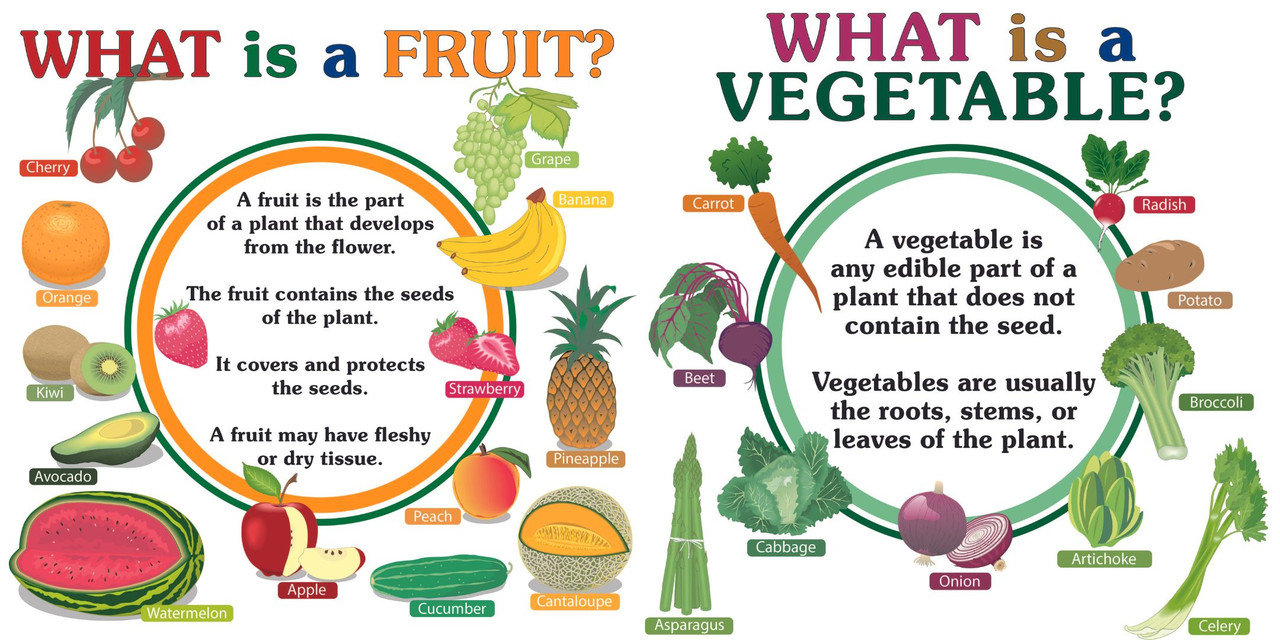
Eggplant, commonly referred to as , is botanically classified as a fruit. Specifically, it is a berry belonging to the nightshade family (Solanaceae), which also includes tomatoes and potatoes. The classification of plants into fruits and vegetables depends primarily on the part of the plant being consumed. Fruits are the mature ovaries of flowering plants, usually containing seeds. Since eggplants develop from the flowering part of the plant and house seeds, they meet the botanical criteria for being a fruit.
Botanical Classification
The botanical classification of plants is essential for understanding their characteristics. Eggplants fit into the category of:
- Fruits: Specifically, they are considered berries.
- Flowering Plants: Eggplants emerge from the flowering part of the plant.
- Nightshade Family: This includes various other fruits like tomatoes and peppers.
Culinary Uses
In culinary terms, eggplants are often treated as vegetables due to their savory flavor profile. This leads to their inclusion in various dishes, such as:
See also:
- Stir-fries: Commonly used in Asian cuisines.
- Grilled dishes: Popular in Mediterranean cooking.
- Stuffed recipes: Often filled with meat or grains.
Nutritional Value
Eggplants boast impressive nutritional benefits, making them a healthy choice, whether considered a fruit or a vegetable. Key nutrients include:
- Fiber: Great for digestive health.
- Antioxidants: Helps combat free radicals.
- Vitamins: Rich in vitamins C and K.
Cultivation and Growing
Cultivating eggplants involves specific growing conditions and care. Key aspects of growing eggplants include:
- Climate: They thrive in warm weather.
- Soil: Prefer well-draining, nutrient-rich soil.
- Watering: Regular watering is essential for healthy growth.
Varieties of Eggplant
There are various species and varieties of eggplants, each having unique characteristics, such as:
- Black Beauties: The classic dark purple variety.
- Italian Eggplants: Typically larger and elongated.
- Japanese Eggplants: Slimmer with a more delicate texture.
What's the hardest crop to grow?
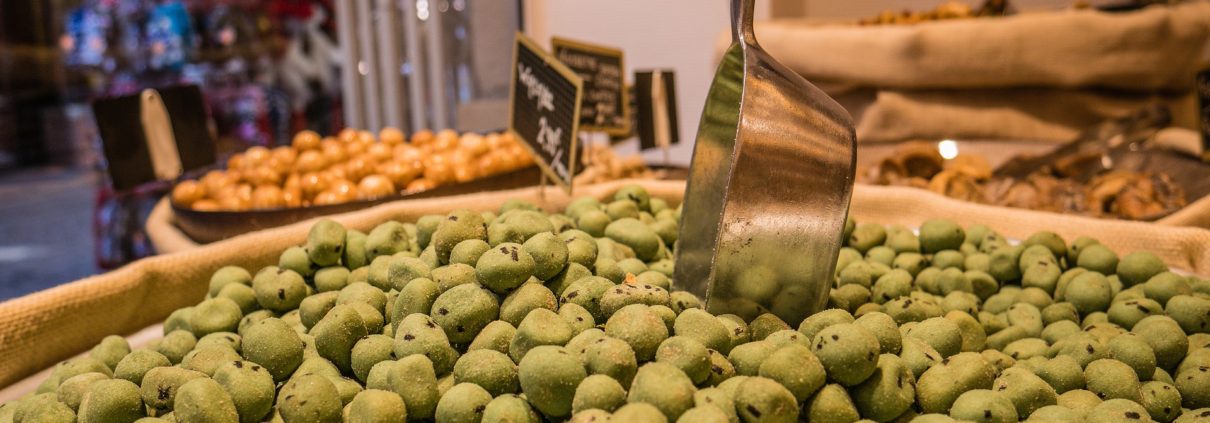
The hardest crop to grow varies based on several factors, including climate, soil type, and the farmer's experience. However, many experts consider saffron to be one of the most challenging crops. Saffron is derived from the flower of Crocus sativus, also known as the saffron crocus. This crop requires very specific growing conditions, making it notoriously difficult to cultivate.
Growing Conditions for Saffron
To successfully cultivate saffron, certain environmental conditions must be met:
- Climate: Saffron thrives in temperate climates with hot, dry summers and cool to cold winters.
- Soil Type: Well-drained, sandy or loamy soils are essential for preventing waterlogging.
- Altitude: Higher altitudes are often preferable, as they contribute to the ideal temperature fluctuations needed for bulb development.
Labor-Intensive Harvesting Process
The process of harvesting saffron is extremely labor-intensive, which adds to its difficulty:
- Manual Labor: Each flower must be harvested by hand, and only the red stigmas are collected.
- Timing: Flowers bloom for only a week, requiring precise timing for harvest.
- Yields: It takes about 150,000 flowers to produce just one kilogram of saffron, making it labor-costly.
Vulnerability to Pests and Diseases
Saffron is also vulnerable to various pests and diseases, complicating its cultivation:
- Bulb Rot: Fungal diseases can affect the bulbs if the soil is too moist.
- Insect Infestations: Aphids and thrips can damage the crops, requiring vigilant pest management.
- Weeds: Competition from weeds can hinder saffron growth, necessitating careful weed control methods.
High Costs and Initial Investment
The economic aspects of saffron cultivation present significant challenges:
- Initial Investment: Buying saffron bulbs can be expensive, especially for high-quality ones.
- Long Wait for Returns: Saffron bulbs take around 3 years to establish before they begin to produce flowers.
- Market Prices: While saffron is highly valued, fluctuations in market prices can affect profitability.
Knowledge and Expertise Required
Growing saffron requires advanced knowledge and skills, which can be a barrier:
- Agricultural Knowledge: Understanding the required conditions and disease management is crucial.
- Experience: Farmers with previous experience in similar crops have a higher success rate.
- Continuous Learning: Staying updated with best practices and agronomic research is essential.
Questions from Our Readers
What is the most difficult vegetable to grow?
The most difficult vegetable to grow is often considered to be the tomato. This is due to its sensitivity to changing weather conditions, pests, and diseases, which can significantly impact its yield and quality.
Why are some vegetables harder to grow than others?
Some vegetables are harder to grow than others because they have specific climate and soil requirements that may not be easily met. Additionally, factors such as pest resistance and the length of the growing season can also affect their cultivation.
What are common challenges faced when growing difficult vegetables?
Common challenges when growing difficult vegetables include pest infestations, disease outbreaks, and unpredictable weather conditions. These issues can lead to poor growth and lower yields, making it frustrating for gardeners.
See also:
How can I improve my chances of successfully growing difficult vegetables?
To improve your chances of successfully growing difficult vegetables, consider investing in quality seeds, ensuring proper soil preparation, and implementing effective pest management strategies. Regular monitoring and adjusting for environmental factors can also enhance growth outcomes.

If you want to read more articles like What is the Most Difficult Vegetable to Grow? A Gardener's Guide to Tough Vegetables, we recommend you check out our Garden category.
Leave a Reply
Related Articles