What is the Best Garden to Save Money? Discover Tips and Ideas for Budget-Friendly Gardening

In recent years, gardening has become a popular hobby for those looking to reconnect with nature and enjoy fresh produce at home. However, the cost of setting up and maintaining a garden can often be a deterrent. This article explores the best garden types for saving money while still cultivating a flourishing space. From container gardening to permaculture, we will uncover tips and ideas that prioritize budget-friendly practices. Whether you are a seasoned gardener or just starting out, discover ways to create a vibrant garden without breaking the bank, ensuring you enjoy both nature and savings.
What is the Best Garden to Save Money?
One of the best ways to save money through gardening is by creating a vegetable garden. Not only does it allow you to grow your own produce, but it also reduces grocery bills significantly. By planting seeds rather than buying starts and growing crops that are easy to maintain, such as tomatoes, lettuce, and carrots, you can reap a harvest of fresh vegetables at a fraction of the cost of store-bought products. Additionally, implementing companion planting can boost your yields while minimizing pest problems, further ensuring that your spending stays low and your garden remains productive.
Choosing the Right Location
Selecting the optimal spot for your garden is crucial for maximizing outputs and minimizing costs. A location that receives at least six to eight hours of sunlight daily will provide the ideal conditions for most vegetables. Proximity to a water source is also important to avoid spending on excessive irrigation systems. Ensuring that the plot has good drainage and is free from competing weeds can also help enhance the growth and health of the plants, leading to a more fruitful yield without additional costs.
Seed vs. Seedlings: A Cost Analysis
While purchasing seedlings can save time and provide a head start, it is often more economical to buy seeds. Seeds are typically less expensive and can produce multiple plants at once. For example, a single packet of carrot seeds can yield dozens of carrots, while seedlings may only provide a few for a higher cost. Additionally, growing plants from seeds allows you to select varieties that are specifically suited to your climate, further enhancing the quality of your harvest without extra investment.
Crop Rotation for Increased Yield
Implementing crop rotation is an effective strategy to enhance soil health and maximize the yield of your garden without increasing costs. By rotating crops annually, you reduce the build-up of soil-borne diseases and nutrient depletion that can be caused by planting the same family of plants in successive years. This practice can lead to healthier plants and a better overall yield, meaning you can harvest more while investing less in fertilizers and pesticides, effectively keeping costs low.
Utilizing Companion Planting
Companion planting is a gardening technique where different plants are grown together for mutual benefit, which can save money on pest control and fertilizer. Certain plants can help deter pests while others might enhance growth through nutrient exchanges or by attracting beneficial insects, reducing the need for chemical interventions. For instance, planting basil alongside tomatoes can improve their flavor while naturally repelling insects, leading to a healthier crop with fewer inputs required.
DIY Garden Supplies
Creating your own garden supplies can greatly reduce expenses associated with gardening. Composting kitchen scraps not only cuts down on waste but also provides rich organic matter for your garden, enhancing soil fertility without the need for costly fertilizers. Building your own raised beds from reclaimed materials or using homemade irrigation systems can further streamline costs, allowing you to cultivate a productive garden without overspending on commercial products.
| Garden Aspect | Cost Savings | Benefits |
|---|---|---|
| Location | Low | Optimal sunlight and drainage |
| Seeds vs. Seedlings | High | More plants for less money |
| Crop Rotation | Medium | Healthy soil and reduced pests |
| Companion Planting | Medium | Natural pest control and enhanced growth |
| DIY Supplies | High | Reduced dependency on commercial products |
Can you actually save money by gardening?

Yes, you can actually save money by gardening. Gardening can be a cost-effective way to produce fresh fruits, vegetables, and herbs right at home, significantly reducing your grocery bills. By growing your own food, you not only benefit from the savings but also enjoy fresher and healthier produce, which is often more nutritious than store-bought items. Here are several ways gardening can help you save money:
Initial Investment vs. Long-Term Savings
Starting a garden does require an initial investment, such as buying seeds, soil, and gardening tools. However, the long-term savings can far outweigh these initial costs. Over time, as plants mature and you begin to harvest, you can experience significant amounts of produce.
- The average cost of buying vegetables can range widely; by growing your own, you avoid these costs.
- Once established, many plants continue to produce for several seasons, leading to ongoing savings.
- Seed saved from crops can lead to recurrent growth, reducing future purchasing needs.
Reduced Grocery Bills
One of the most direct ways gardening saves money is by reducing your grocery bills. When you grow your own produce, you'll find that you can significantly cut down on your spending at the supermarket.
- Purchasing organic vegetables can be very expensive, but growing them at home is considerably cheaper.
- You can plant a variety of crops tailored to your family’s tastes, minimizing wasted purchases.
- Gardening allows you to grow in bulk, which can save you money in the long run.
Health Benefits and Cost Savings
Growing your own fruits and vegetables also leads to health benefits that can save you money on healthcare. Consuming fresh produce can contribute to better overall health and reduced medical expenses.
- Access to fresh produce encourages healthier eating habits, reducing reliance on processed foods.
- Healthier eating can help prevent diseases, thus lowering potential medical bills over time.
- Gardening itself is a physical activity that can help reduce health-related costs by keeping you fit.
Propagating and Sharing Plants
Gardening provides opportunities for propagation and sharing plants with friends and neighbors, leading to further cost savings. You can grow new plants from cuttings or seeds, significantly reducing your expenditure on new plants.
See also:
- Sharing surplus produce with neighbors or community members can enrich your community and reduce costs.
- Trading plants and seeds with fellow gardeners can expand your garden diversity without spending more money.
- Hosting plant swaps can introduce new varieties to your garden without any cost.
Long-Term Sustainability
A garden can contribute to long-term sustainability that positively impacts your finances. By producing your own food, you can lessen your dependence on commercial food sources, which can be subject to price fluctuations.
- Grown food is more sustainable than purchasing commercially due to its reduced carbon footprint.
- Building a garden creates resilience against rising food prices in the market.
- As gardening skills improve, the efficiency of growing your own food can further increase financial savings.
What is the best low maintenance garden?
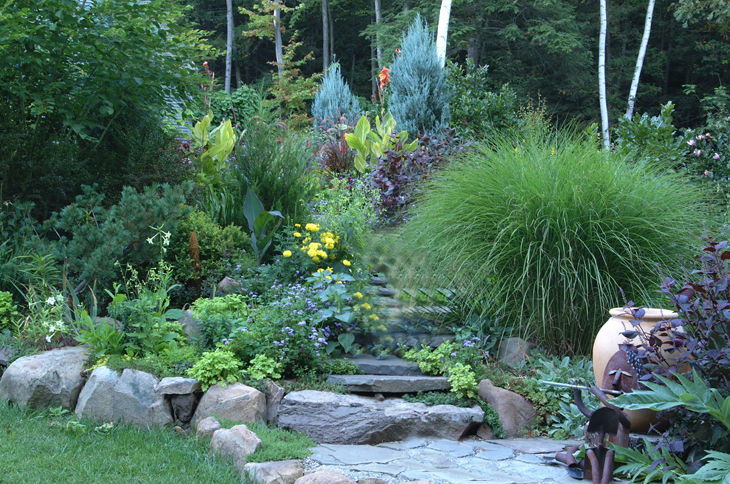
The best low maintenance garden is designed to minimize the effort required for upkeep while maximizing enjoyment and visual appeal. Such gardens typically incorporate drought-resistant plants, efficient irrigation systems, and mulch to suppress weeds. The goal is to create a space that remains attractive throughout the seasons without demanding excessive labor or time.
Choosing the Right Plants
Selecting the appropriate plants is crucial for a low maintenance garden. Opt for native species or those that are well-adapted to the local climate, as they usually require less water and attention. Consider the following options when choosing plants:
- Perennials: Unlike annuals, perennials come back year after year, reducing planting time.
- Drought-resistant plants: Succulents, sedums, and lavender thrive on minimal water once established.
- Groundcovers: These plants spread quickly, suppressing weeds and eliminating the need for frequent mowing.
Implementing Efficient Irrigation
An efficient irrigation system can significantly reduce the maintenance needed for watering your garden. Consider these methods:
- Drip irrigation: This technology delivers water directly to the plant roots, minimizing wastage and evaporation.
- Soaker hoses: Lay them out on the soil surface to ensure deep watering without the hassle of moving hoses around.
- Rain barrels: Collect rainwater for use during dry spells, promoting sustainability and reducing water bills.
Using Mulch Wisely
Mulching your garden beds can provide numerous benefits that require minimal effort. Here are key points regarding mulch:
- Weed suppression: A thick layer of mulch blocks sunlight, which helps control weed growth.
- Moisture retention: Mulch prevents evaporation, ensuring plants receive consistent moisture without frequent watering.
- Soil temperature regulation: Mulch keeps soil temperatures stable, promoting healthier plant growth and minimizing stress.
Designing for Simplicity
A simple garden design can make maintenance much easier. Incorporate the following elements:
- Open spaces: Leave areas of your garden free from plants or clutter to create visual breathing room and ease mobility.
- Pathways: Define clear paths using gravel or stepping stones to facilitate access without trampling on plants.
- Fewer flower beds: Focusing on a few larger beds instead of multiple small ones simplifies maintenance and enhances visual coherence.
Utilizing Hardscaping
Incorporating hardscaping elements reduces the area of softscape that requires upkeep. Consider the following options:
- Patios and decks: Provide seating and entertaining spaces without the maintenance of grassy areas.
- Stone borders: Use stones to define garden beds, reducing the need for edging and creating a tidy appearance.
- Retaining walls: These structures can reduce soil erosion while creating a distinct, low-maintenance landscape feature.
What is the best vegetable to grow for money?
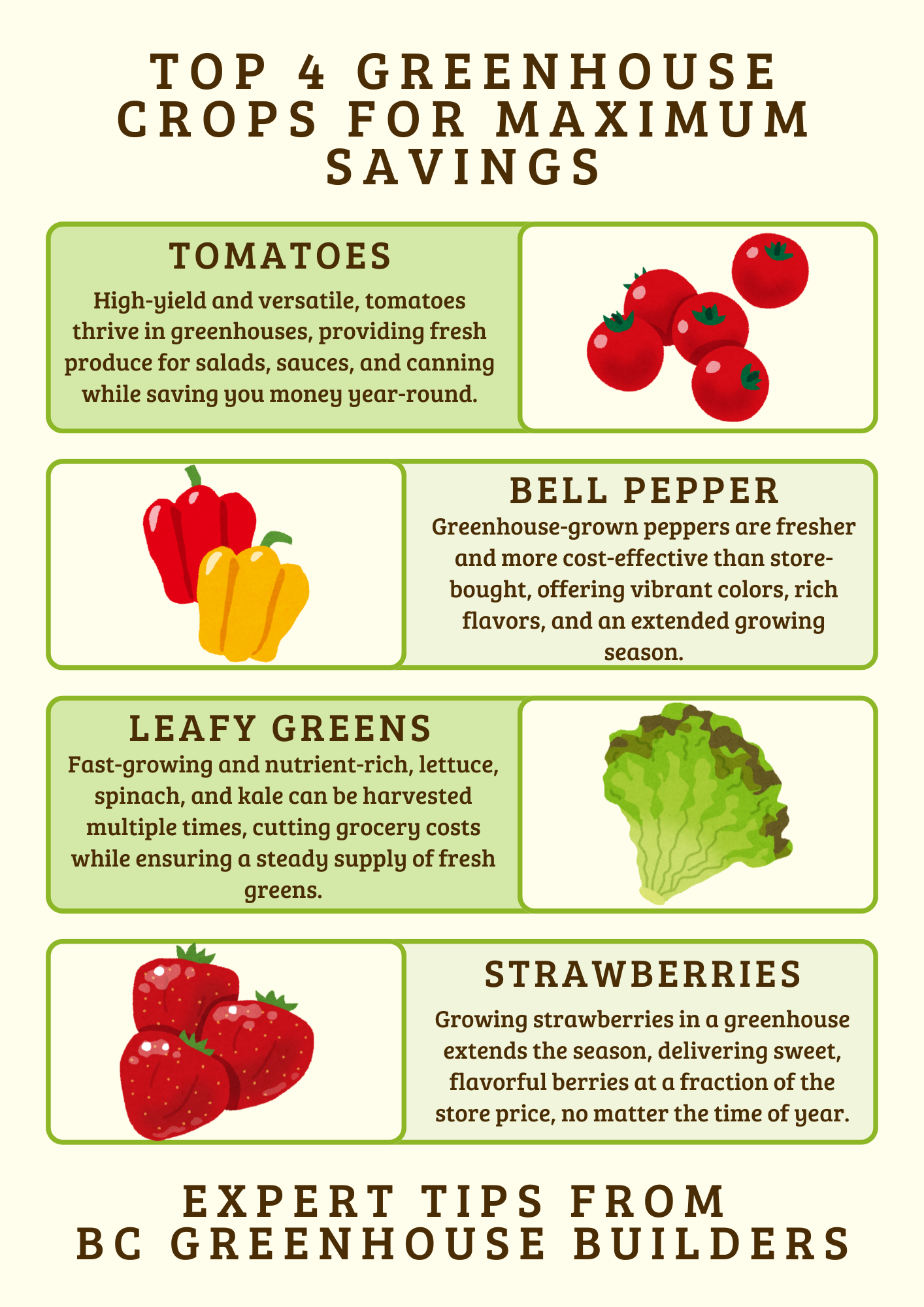
The best vegetable to grow for money can vary depending on market trends, growing conditions, and local preferences. However, one of the most lucrative options is often tomatoes. They are popular among consumers and can yield a high return on investment if grown correctly. Here’s a detailed exploration of tomatoes, along with other profitable vegetables and related factors.
Why Tomatoes Are Profitable
Tomatoes are a high-demand vegetable that can provide significant profits due to their versatility in cooking and consumption. They can be sold fresh, canned, or dried.
- Market Demand: Fresh tomatoes are always in demand at farmers' markets and grocery stores.
- Variety: There are numerous varieties of tomatoes, allowing growers to target specific markets.
- Easy to Grow: Tomatoes have a relatively short growth cycle and can produce a large yield.
Other High-Value Vegetables
While tomatoes are excellent, there are several other vegetables that can also be highly profitable, including peppers, lettuce, and herbs.
- Peppers: Both sweet and hot peppers are sought after and can be sold fresh or processed.
- Lettuce: With the rise of health-conscious consumers, specialty lettuces can fetch good prices.
- Herbs: Culinary herbs like basil and cilantro are always in demand and can be grown in smaller spaces.
Seasonality and Timing
Timing is essential when growing vegetables for profit. Understanding the seasonality of crops can maximize revenue.
See also:
- Spring Planting: Early crops like lettuce and radishes can be sold before summer crops.
- Fall Harvest: Late-season vegetables can often be sold at higher prices, especially if they are less common.
- Continuous Succession: Planting in succession can provide ongoing sales throughout the growing season.
Soil and Growing Conditions
The quality of the soil and the environment where vegetables are grown dramatically affects yields.
- Soil Nutrition: Regular testing and amendment of soil can lead to healthier plants and higher yields.
- Watering Techniques: Efficient watering methods like drip irrigation can improve plant health and productivity.
- Pest Control: Implementing Integrated Pest Management (IPM) can protect crops without extensive chemical use.
Marketing and Sales Strategies
To maximize profits, effective marketing and sales strategies are crucial.
- Farmers' Markets: Direct-to-consumer sales can yield higher profits than wholesale.
- Online Sales: Utilizing social media and websites for sales can expand your customer base.
- Community Supported Agriculture (CSA): Offering subscriptions for regular produce delivery ensures steady cash flow.
What is the most economical vegetable to grow?
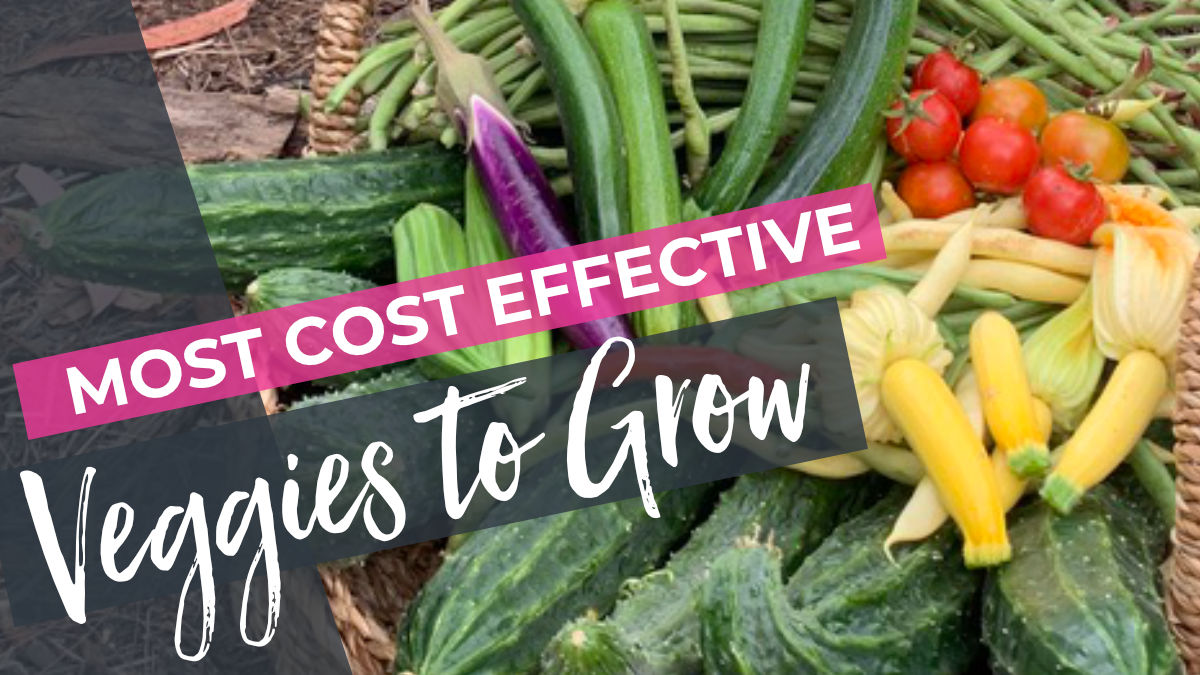
The most economical vegetable to grow largely depends on factors such as the climate, soil quality, and the amount of time and resources a gardener can commit. However, among the various options, leafy greens often top the list due to their fast growth and minimal care requirements. In particular, spinach, kale, and lettuce are excellent choices for anyone looking to maximize their yield while minimizing costs.
Growth Time
Growing time is a critical factor when determining the most economical vegetable.
- Quick Harvest: Leafy greens like lettuce can be harvested in as little as 30 days, allowing for multiple plantings in a single season.
- Continuous Growth: Many vegetables, such as spinach and kale, allow for cut-and-come-again harvesting, meaning you can keep harvesting leaves over weeks.
- Season Extension: Some leafy greens can tolerate cooler temperatures, enabling growth even in late fall or early spring.
Cost of Seeds
The cost of seeds plays a pivotal role in budgeting for a vegetable garden.
- Affordability: Seeds for leafy greens are typically very inexpensive, making them a budget-friendly option for novice gardeners.
- Yields: A small packet of seeds can yield a large quantity of produce, maximizing return on investment.
- Availability: Leafy green seeds are often easily available at local nurseries and online, allowing for quick access.
Space Requirements
Space is another important consideration when growing vegetables.
- Compact Variety: Leafy greens do not require much space, making them suitable for small gardens or container gardening.
- Intensive Planting: Because they grow quickly, multiple crops can be planted together, allowing for efficient use of space.
- Vertical Growth: Options like vertical gardening can further maximize space for leafy greens, increasing yields in smaller areas.
Maintenance Level
The amount of maintenance required can impact the decision on what vegetable to grow.
- Low Care: Leafy greens generally require less ongoing maintenance compared to root vegetables or fruiting plants.
- Watering: They typically have lower water needs, especially once established, which can also save on gardening costs.
- Pest Resistance: Many leafy greens are less prone to certain pests, reducing the need for chemical treatments or interventions.
Nutritional Value
Nutritional value is an important factor when choosing which vegetables to grow.
- Health Benefits: Leafy greens, like spinach, are packed with vitamins and minerals essential for a balanced diet.
- Diverse Uses: They can be used in various dishes, maximizing their use in your kitchen and reducing waste.
- Dietary Fiber: High in fiber, leafy greens promote healthy digestion, adding further value to your homegrown produce.
Questions from Our Readers
What is the most cost-effective garden type?
The most cost-effective garden type is typically a vegetable garden. Growing your own vegetables can significantly reduce grocery bills and provide fresh produce right from your backyard. Additionally, using methods like companion planting and crop rotation can enhance productivity without increasing costs.
How can I save money on gardening supplies?
To save money on gardening supplies, consider making your own compost and mulch from kitchen scraps and yard waste. Using native plants that require less maintenance and fewer resources can also minimize costs. Always compare prices and utilize discounts or gardening co-ops for bulk purchasing, which can lead to substantial savings.
Are raised beds worth the investment?
Raised beds can be a worthwhile investment for those looking to maximize their gardening space efficiently. They can lead to better soil drainage, easier access, and potentially higher yields. However, if budget is a concern, they can be built using recycled materials to keep costs down.
What are some budget-friendly plants to grow?
Some budget-friendly plants include herbs like basil and parsley, as well as vegetables such as zucchini and radishes. These plants often have quick growth cycles and can provide multiple harvests throughout the season, making them ideal for cost-effective gardening.
See also:

If you want to read more articles like What is the Best Garden to Save Money? Discover Tips and Ideas for Budget-Friendly Gardening, we recommend you check out our Garden category.
Leave a Reply
Related Articles