Do Cucumbers Like Epsom Salt? Discover the Benefits for Your Garden!

Cucumbers are a favorite among gardeners for their refreshing taste and versatility in dishes. However, achieving a bountiful harvest can sometimes be challenging. One commonly debated ingredient in gardening is Epsom salt, a compound known for its magnesium and sulfate content. Many gardeners wonder: do cucumbers like Epsom salt? In this article, we’ll explore the various benefits of using Epsom salt in your cucumber garden. From enhancing growth to improving flavor, discover how this simple mineral can make a significant difference in the health and productivity of your cucumber plants. Unlock the secrets to a thriving garden today!
Do Cucumbers Benefit from Epsom Salt?
Cucumbers can indeed benefit from Epsom salt, as it contains magnesium and sulfur, which are essential nutrients that can promote healthy growth. These minerals can improve chlorophyll production, leading to greener and bushier plants. Additionally, Epsom salt helps in the absorption of nutrients, particularly nitrogen, phosphorus, and potassium, which are vital for the overall health and yield of cucumber plants. By incorporating Epsom salt into your cucumber care routine, you may notice enhanced growth, improved flowering, and an increase in fruit yield.
What is Epsom Salt?
Epsom salt, chemically known as magnesium sulfate, is a naturally occurring mineral compound that provides magnesium and sulfur, both of which are critical for various plant metabolic processes. While it resembles regular table salt, Epsom salt does not contain sodium, making it an excellent supplement for many plants, including cucumbers. It is particularly valued in gardening for its ability to improve nutrient uptake and overall plant health.
How to Use Epsom Salt for Cucumbers?
To use Epsom salt for cucumbers, dissolve approximately 1-2 tablespoons of Epsom salt in a gallon of water and use this solution to water the plants. It can be applied every four to six weeks, particularly during the growing season or just before flowering to ensure that the plants receive a healthy boost of magnesium. Additionally, it can be sprinkled in granule form around the base of the plants before watering to enhance nutrient absorption through the roots.
Signs That Cucumbers Need Epsom Salt
Cucumbers may show signs of magnesium deficiency, which can include yellowing between the veins of the leaves, stunted growth, and poor fruit development. If you notice curling leaves or reduced flowering, these could also be indications that your cucumber plants may benefit from Epsom salt. Applying Epsom salt can address these deficiencies and promote more vibrant and productive plants.
Are There Any Risks in Using Epsom Salt?
While Epsom salt is generally safe for cucumbers, overapplication can lead to nutrient imbalances in the soil. Excessive magnesium can interfere with the uptake of other essential nutrients, particularly calcium and potassium. Therefore, it is crucial to follow recommended application rates and observe your plants for any signs of distress. Regular soil testing can help maintain a balanced nutrient profile for optimal cucumber growth.
Comparing Epsom Salt to Other Fertilizers
Epsom salt offers unique benefits compared to conventional fertilizers, primarily due to its high magnesium content, which is often lacking in many fertilizers. While common organic fertilizers like compost or manure provide a wider range of nutrients, they may not specifically boost magnesium levels. Epsom salt can complement other fertilizers, enhancing the overall nutrient profile and promoting better plant health throughout the growing season.
| Benefit | Description |
|---|---|
| Improved Growth | Enhances photosynthesis and overall plant vigor. |
| Enhanced Flavor | Can improve the taste and texture of cucumbers. |
| Healthier Foliage | Encourages lush, green leaves and more robust plants. |
| Increased Yield | Promotes more blossoms and fruit set on cucumber plants. |
| Prevention of Deficiencies | Addresses magnesium deficiency effectively when used correctly. |
What is the best food for cucumber plants?

Cucumber plants thrive when provided with the right nutrients, and the best food for them typically includes a balanced mix of macronutrients and micronutrients. Here’s a detailed guide:
Understanding Nutrient Requirements
Cucumber plants require a balanced diet of macronutrients and micronutrients to grow strong and healthy. The primary macronutrients they need include nitrogen (N), phosphorus (P), and potassium (K), often referred to as NPK. Understanding these requirements helps in selecting the right fertilizers.
- Nitrogen: Essential for vegetative growth and leaf development.
- Phosphorus: Crucial for root development and flowering.
- Potassium: Important for overall plant health and fruit quality.
Choosing the Right Fertilizer
When selecting fertilizers for cucumber plants, organic options can be beneficial. Common fertilizers that provide the needed nutrients include compost, manure, and commercial fertilizers specifically formulated for vegetables.
- Compost: Enriches soil with organic matter and nutrients.
- Well-rotted manure: Adds nutrients while improving soil structure.
- Commercial vegetable fertilizers: Ensure balanced nutrient distribution.
Timing and Frequency of Feeding
Feeding cucumber plants at the right time and frequency is crucial for optimal growth. It is important to begin fertilization from the seedling stage and continue throughout the growing season.
See also:
- Seedling stage: Use a diluted fertilizer to promote strong growth.
- Flowering stage: Increase phosphorus for better fruit set.
- Mid-growing season: Apply a balanced fertilizer every 4-6 weeks.
Organic Soil Amendments
In addition to fertilizers, using organic soil amendments can significantly improve soil fertility for cucumber plants. These amendments help in enhancing soil structure and nutrient retention.
- Bone meal: Excellent source of phosphorus.
- Fish emulsion: A rich source of nitrogen and micronutrients.
- Wood ash: Provides potassium and raises soil pH.
Signs of Nutrient Deficiency
Recognizing the signs of nutrient deficiency is important for maintaining cucumber plant health. Common deficiencies include yellowing leaves, poor fruit development, and stunted growth.
- Yellowing leaves: Indicates nitrogen deficiency.
- Stunted growth: May suggest phosphorus deficiency.
- Small, bitter fruit: Often a result of potassium deficiency.
Which plants don't like Epsom salts?
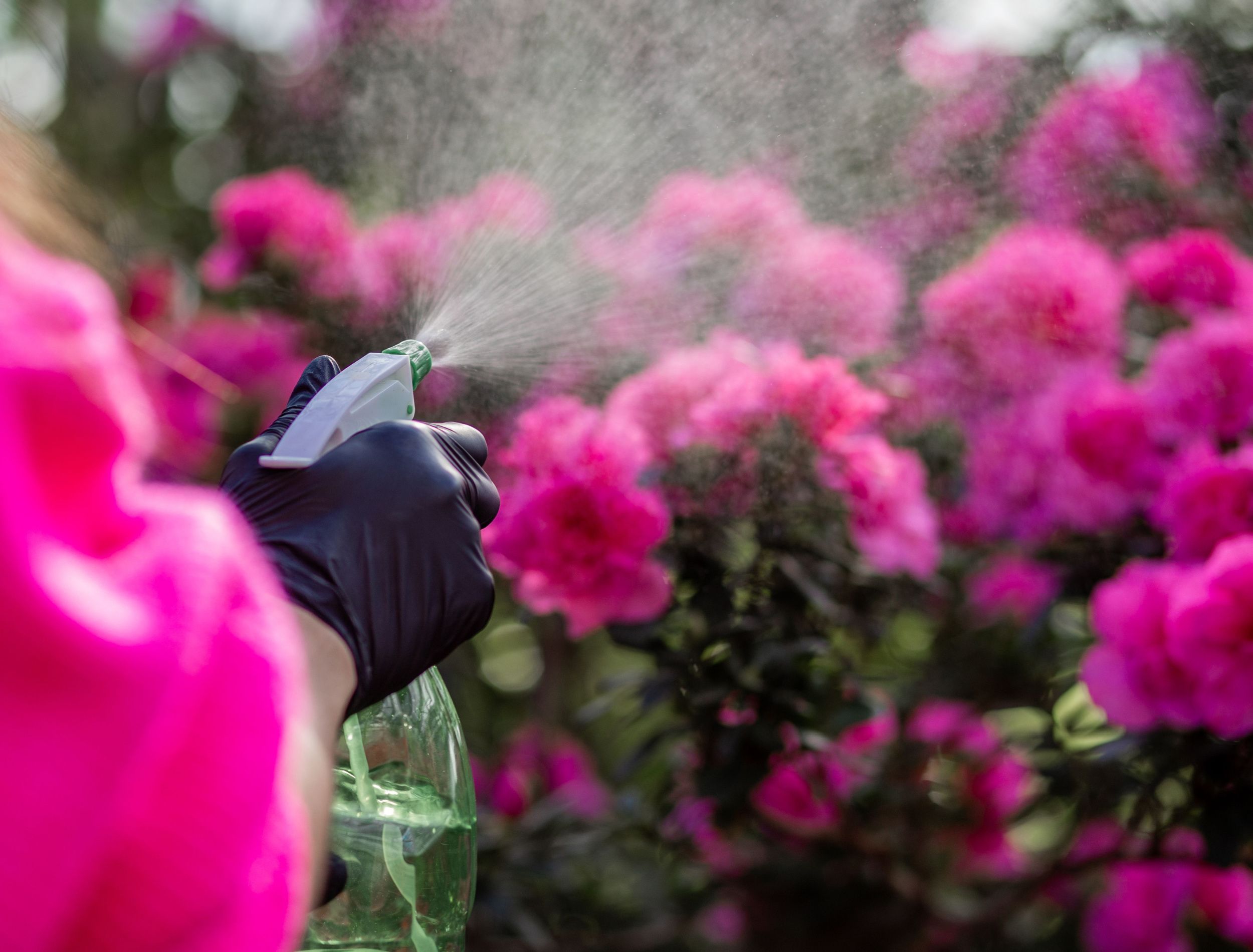
Epsom salts, composed of magnesium sulfate, are a popular gardening amendment known for their ability to improve plant growth and health. However, not all plants respond positively to Epsom salts, and some may actually suffer from their application. Understanding which plants don’t like Epsom salts is crucial for maintaining a healthy garden.
1. Beans
Beans are sensitive to high levels of magnesium, which can be exacerbated if Epsom salts are added to the soil. Introducing this amendment can lead to nutrient imbalances.
- Magnesium toxicity: Excess magnesium interferes with the absorption of calcium and potassium.
- Growth impairment: Over-application can stunt growth and reduce yield.
- Soil chemistry: Beans thrive in balanced soils and can be adversely affected by Epsom salts.
2. Peppers
Peppers are also at risk when Epsom salts are involved, as they prefer slightly acidic to neutral soils. Adding magnesium can disrupt their nutrient uptake.
- Nutrient competition: High magnesium levels can compete with calcium and reduce overall health.
- Leaf curling: Excess magnesium can cause leaves to curl and become less productive.
- Flavor impact: Imbalances may affect the taste of the peppers grown.
3. Carrots
Carrots typically thrive in well-drained soils with balanced nutrients. Epsom salts can introduce too much magnesium, leading to poor root development.
- Root deformities: An abundance of magnesium can cause carrots to grow misshapen or stunted.
- Pest attraction: Imbalanced nutrients can attract pests that prefer nutrient-deficient crops.
- Soil health: Carrots benefit from healthy microbial activity, which can be disrupted by excessive salts.
4. Turnips
Turnips have a similar requirement to carrots and are susceptible to the adverse effects of Epsom salts, which can lead to nutrient imbalances.
- Rapid growth issues: An excess of magnesium may result in abnormally fast growth, making them tough and woody.
- Harvest quality: The quality of turnips may decrease when Epsom salts are added to the soil.
- Stressed plants: Nutrient imbalances can lead to generalized stress and poor health.
5. Onions
Onions are sensitive to magnesium levels, and applying Epsom salts can interfere with their growth and bulb formation.
- Bulb development: Excess magnesium can disrupt proper bulb formation, leading to smaller bulbs.
- Flavor changes: Too much magnesium can affect the flavor profile, making them less pungent.
- General health: Onions thrive in nutrient-balanced environments, and imbalances can cause disease susceptibility.
What vegetables love Epsom salt?
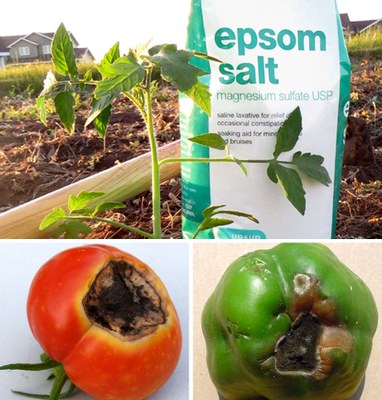
Epsom salt, chemically known as magnesium sulfate, is a popular gardening amendment that can provide essential nutrients to various plants. Many vegetables benefit significantly from the addition of Epsom salt, especially in their growth stages. Here are some vegetables that love Epsom salt:
1. Tomatoes
See also:
Tomatoes are highly responsive to Epsom salt due to their need for magnesium, which is essential for photosynthesis and overall plant health. The use of Epsom salt can improve fruit quality and increase yield.
- Encourages better fruit flavor and appearance.
- Reduces blossom end rot, a common issue caused by calcium imbalance.
- Promotes lush green foliage and stronger plants.
2. Peppers
Just like tomatoes, peppers thrive with the addition of Epsom salt. Magnesium helps in the development of essential oils and compounds in pepper fruits, enhancing their flavor and aroma.
- Increases fruit size and number.
- Aids in the absorption of nutrients like nitrogen and phosphorus.
- Enhances overall plant vigor.
3. Eggplants
Eggplants enjoy magnesium as it helps in the flowering process and the development of fruits. Applying Epsom salt can contribute to a prolific harvest of healthy eggplants.
- Improves flowering and fruit set.
- Helps in the prevention of yellowing leaves.
- Contributes to stronger stems and branches.
4. Spinach
Spinach is a leafy green that requires magnesium for chlorophyll production. Using Epsom salt can result in darker, more nutritious leaves and boost overall growth.
- Promotes faster growth and higher yields.
- Aids in nutrient absorption, particularly around harvesting time.
- Helps maintain vibrant green foliage.
5. Cucumbers
Cucumbers benefit from Epsom salt as it helps to improve the quality of fruits. Magnesium aids in reducing bitterness and promoting a sweeter taste.
- Enhances fruit development and quality.
- Supports vigorous plant growth and disease resistance.
- Encourages a more abundant fruit set.
Questions from Our Readers
Do cucumbers benefit from Epsom salt?
Cucumbers can potentially benefit from Epsom salt, as it contains magnesium and sulfur, which are essential nutrients for plant growth. These elements can promote chlorophyll production, improve nutrient absorption, and enhance overall plant vigor, leading to healthier cucumbers.
How should Epsom salt be applied to cucumbers?
Epsom salt can be applied to cucumbers by dissolving it in water and using it as a foliar spray or adding it to the soil. A common recommendation is to mix about 1-2 tablespoons of Epsom salt per gallon of water, and this can be used to water the plants a few times during the growing season for optimal results.
When is the best time to use Epsom salt on cucumbers?
The best time to use Epsom salt on cucumbers is during the growing season, specifically when the plants are actively developing. Applying it at the beginning of the planting season or when you notice signs of nutrient deficiency can help provide the necessary minerals for robust growth.
See also:
Can too much Epsom salt harm cucumbers?
Yes, using too much Epsom salt can harm cucumbers. While it contains beneficial nutrients, excessive application can lead to nutrient imbalances or salt build-up in the soil, potentially causing root damage or inhibiting growth. It’s important to use Epsom salt in moderation and follow recommended guidelines for application.

If you want to read more articles like Do Cucumbers Like Epsom Salt? Discover the Benefits for Your Garden!, we recommend you check out our Garden category.
Leave a Reply
Related Articles