What are the Disadvantages of a Greenhouse? Uncovering the Drawbacks and Challenges

Greenhouses are often hailed as a solution for year-round gardening and increased crop yields. However, beneath their seemingly perfect facade lie several disadvantages that potential greenhouse owners should consider. From high initial costs to maintenance challenges, operating a greenhouse can present various hurdles. Additionally, issues such as temperature regulation, pests, and limited biodiversity can complicate the cultivation process. This article aims to uncover the less-discussed drawbacks of greenhouse gardening, providing a balanced perspective for those contemplating this investment. Understanding these challenges is crucial for making informed decisions about whether a greenhouse is the right fit for your gardening aspirations.
Disadvantages of a Greenhouse
A greenhouse, while beneficial for extending the growing season for plants, comes with several disadvantages that can impact its effectiveness and cost. One major concern is the initial cost of construction and maintenance, as high-quality materials and proper installations can be expensive. Moreover, greenhouses may require extensive monitoring and management to regulate temperature and humidity levels, which can lead to increased energy consumption for heating or cooling. Additionally, they can introduce pest and disease problems if not properly managed, creating an environment where pests thrive. Finally, the limited growing space and potential overcrowding can hinder growth and yield, making it essential for gardeners to strategically plan their occupancy.
High Initial Cost
Building a greenhouse entails a significant financial investment, especially if constructed with durable materials intended for long-term use. The expenses can include the cost of material, labor, and subsequent modifications to ensure it functions optimally for plant growth. For many hobbyist gardeners, this upfront investment may not yield immediate returns, making it a crucial factor to consider before proceeding with the project.
Energy Consumption
Maintaining the optimal environment within a greenhouse often requires additional energy use for heating during colder months or ventilation during warmer periods. This can lead to increased utility bills, particularly in regions with extreme weather conditions. For those operating on a budget, these costs can quickly escalate, making the greenhouse less economically feasible.
Pest and Disease Management
Greenhouses can inadvertently create a sanctuary for pests and diseases, as the controlled environments can facilitate the rapid spread of harmful organisms. Without proper management and routine inspection, a small infestation can escalate into significant damage to plants, necessitating costly treatments and potentially compromising entire crops. Ensuring proper sanitation and pest management strategies is essential but can be labor-intensive and require additional resources.
Limited Growing Space
Although greenhouses can provide a sheltered environment for plants, they may also impose limits on the amount of crops that can be grown at one time. Overcrowding can become a significant issue if the space is not effectively managed, leading to inadequate light, nutrient competition, and hindered growth. This limitation can ultimately affect the overall yield and productivity of the gardener's efforts.
Temperature Control Issues
Maintaining a consistent temperature within a greenhouse can be challenging, especially during seasonal transitions. Fluctuations can harm the plants, as some species thrive in specific conditions. Overheating or excessive cooling can lead to stress in plants, ultimately affecting their growth and overall health. Gardeners must be vigilant in monitoring these conditions and implementing strategies, which could involve complex and costly ventilation systems or supplemental heating.
| Disadvantage | Description |
|---|---|
| High Initial Cost | Significant investment required for construction and materials. |
| Energy Consumption | Increased utility bills due to heating and cooling needs. |
| Pest and Disease Management | Potential for pests to thrive in the controlled environment. |
| Limited Growing Space | Restrictions on the number of plants grown, leading to overcrowding. |
| Temperature Control Issues | Challenges in maintaining consistent temperatures can stress plants. |
What is the negative effect of a greenhouse?
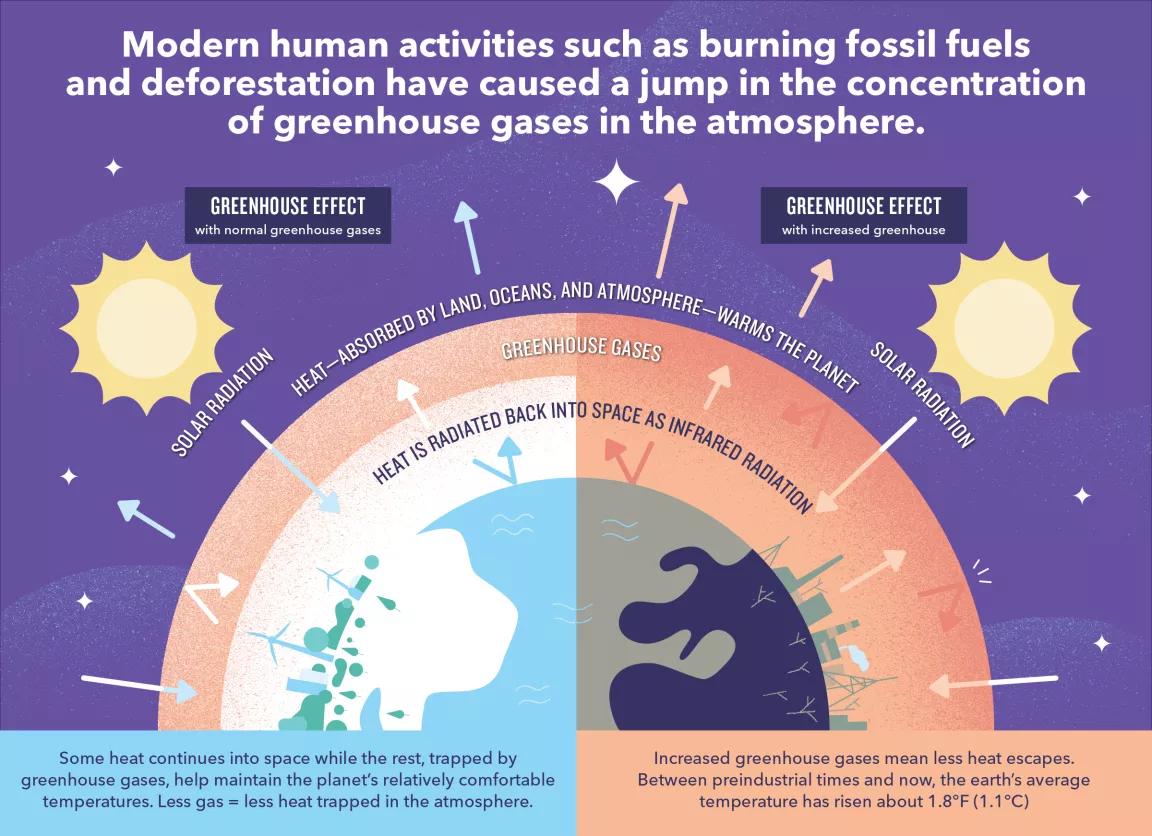
The negative effects of a greenhouse can be diverse and impactful, particularly as global climate change accelerates. While greenhouses are designed to enhance plant growth by creating controlled environments, their widespread and increased use can lead to several environmental concerns.
Impact on Local Biodiversity
The establishment of greenhouses often requires clearing land, which can result in habitat destruction and fragmentation. This has detrimental effects on local ecosystems and wildlife.
- Loss of habitats: When land is cleared for greenhouses, native plants and animals may lose their homes, leading to a decrease in local biodiversity.
- Introduction of invasive species: Greenhouses may unintentionally promote the growth of invasive plant and pest species, which can outcompete native flora and fauna.
- Pollinator decline: Natural habitats that support pollinators like bees can be diminished, leading to a decline in their populations and disrupting the pollination of crops.
Soil Degradation
The use of greenhouses can lead to a decline in soil health due to over-reliance on fertilizers and pesticides, which can result in long-term damage to the soil structure.
- Chemical accumulation: Excessive use of fertilizers and pesticides can build up in the soil, leading to toxicity and reduced soil fertility.
- Erosion: Intensive agricultural practices associated with greenhouse cultivation can accelerate soil erosion, leading to loss of topsoil.
- Compaction: Frequent foot traffic and heavy equipment can compact the soil, reducing its aeration and water infiltration capacity.
Water Consumption
Greenhouses can consume large amounts of water, which can strain local water resources, especially in arid regions or during periods of drought.
- Increased demand: The need for consistent water supply for greenhouse plants can lead to over-extraction from nearby rivers, lakes, or aquifers.
- Wastewater issues: Inefficient water use can result in runoff that may carry fertilizers and pesticides into local waterways, leading to pollution.
- Competition with agriculture: As greenhouses demand more water, they may compete with local farms for this essential resource, impacting food production.
Carbon Footprint
Though greenhouses can reduce the need for external inputs, the materials or energy used in constructing and maintaining greenhouses can contribute significantly to greenhouse gas emissions.
See also:
- Manufacturing emissions: The production of glass, plastics, and other materials used in greenhouses can generate considerable emissions.
- Heating and cooling: Greenhouses often require heating or cooling systems, which may rely on fossil fuels that contribute to the carbon footprint.
- Transportation: The logistics of transporting materials and produce from and to greenhouses can add additional emissions from vehicles.
Economic Displacement
The growth of greenhouse agriculture can lead to shifts in local economies, sometimes negatively affecting traditional farming practices and local food systems.
- Market disruption: The rise of greenhouse agriculture can lower prices for certain crops, impacting the income of small-scale farmers who cannot compete.
- Shift in labor dynamics: Employment opportunities may favor skilled labor for greenhouse operations over traditional farming jobs, leading to job losses.
- Dependency on external inputs: Greenhouse farming can create dependency on commercial seeds and fertilizers, which may not be sustainable for local economies.
Do plants grow better in a greenhouse or outside?
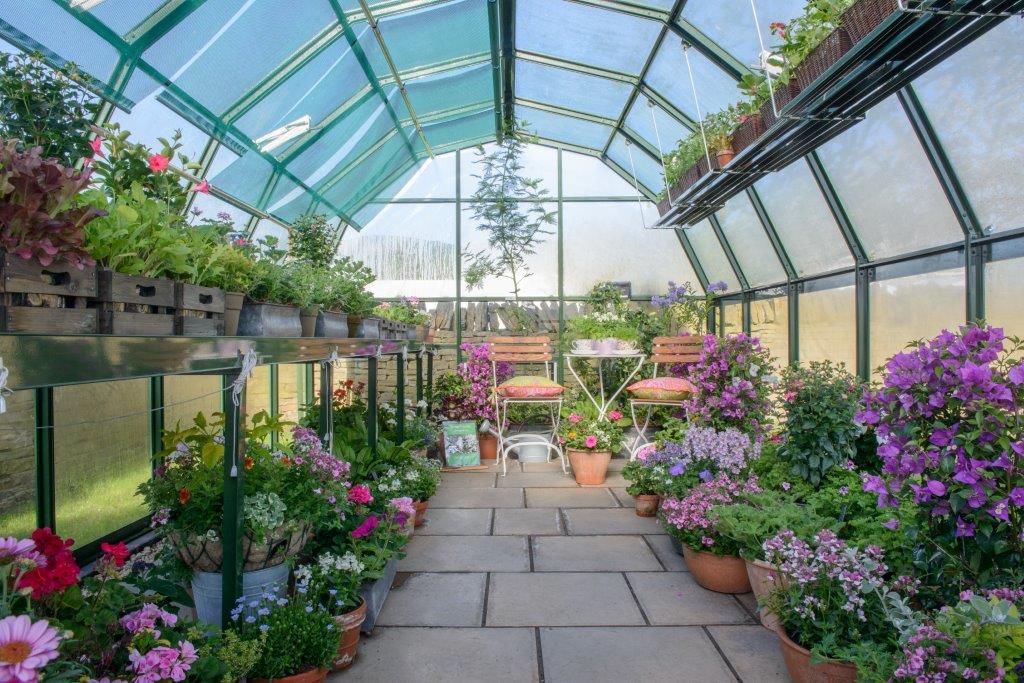
The question of whether plants grow better in a greenhouse or outside is influenced by several factors, including climate, plant type, and the specific requirements of the plants being cultivated. Greenhouses provide a controlled environment, allowing for optimal conditions for plant growth, while outdoor cultivation exposes plants to natural sunlight, rainfall, and local climate conditions.
Advantages of Growing Plants in a Greenhouse
Growing plants in a greenhouse offers several advantages that can significantly enhance their growth and health. Key benefits include:
- Temperature Control: Greenhouses trap heat, maintaining a warmer temperature essential for plant growth, especially in colder climates.
- Humidity Regulation: The enclosed environment allows for better humidity management, which is crucial for many plants to thrive.
- Pest and Disease Management: Greenhouses provide a barrier against pests and diseases, reducing the need for chemical treatments.
Challenges of Growing Plants in a Greenhouse
While there are numerous advantages, there are also challenges faced when growing plants in a greenhouse:
- Initial Cost: Setting up a greenhouse can be expensive, requiring investment in materials and maintenance.
- Ventilation Needs: Proper ventilation is necessary to prevent overheating and to manage humidity levels effectively.
- Limited Biodiversity: The controlled environment may not support the natural diversity found outdoors.
Benefits of Growing Plants Outdoors
Outdoor gardening has its own set of advantages that can benefit certain types of plants:
- Natural Sunlight: Plants receive full-spectrum sunlight, which is vital for photosynthesis and overall health.
- Soil Health: Outdoor soil tends to be more biologically active, supporting a rich ecosystem for plants.
- Cost-Effectiveness: Growing outdoors generally requires less financial investment compared to building and maintaining a greenhouse.
Drawbacks of Growing Plants Outdoors
Growing plants outdoors also presents some challenges that gardeners must prepare for:
- Weather Variability: Fluctuations in weather can stress plants, including heavy rain, drought, or unexpected frost.
- Pest Exposure: Outdoor plants are more susceptible to pests and diseases, increasing the need for preventative measures.
- Limited Growing Season: In many regions, the growing season is limited by climatic conditions.
Which Plants Prefer Greenhouse Cultivation?
Certain types of plants thrive in greenhouse conditions more than others due to their specific needs:
- Tropical Plants: Species such as orchids and bromeliads prefer the warm and humid environment of a greenhouse.
- Seedlings: Young plants benefit from the stable conditions of a greenhouse, promoting faster growth.
- Exotic Vegetables: Varieties like tomatoes and peppers can produce better yields in greenhouses that provide controlled conditions.
What is the problem with greenhouses?

The problems associated with greenhouses can range from environmental impacts to economic issues and challenges in crop production. While greenhouses offer advantages for agriculture by providing controlled environments for plants, they also come with significant drawbacks that must be addressed.
Environmental Impact
The construction and maintenance of greenhouses can have a notable environmental impact. Key concerns include:
- Resource Consumption: Building greenhouses requires substantial amounts of materials and energy, contributing to resource depletion.
- Carbon Footprint: Greenhouses can contribute to greenhouse gas emissions, particularly if fossil fuels are used for heating and cooling systems.
- Water Use: Some greenhouse operations may use excessive amounts of water, raising concerns about sustainability, especially in water-scarce regions.
Energy Costs
Operation of greenhouses often demands significant energy supplies for heating, cooling, and lighting, leading to high operational costs. Factors that affect energy expenses include:
- Heating Requirements: In colder climates, maintaining optimal temperatures during winter months can lead to increased heating bills.
- Cooling Needs: Conversely, in warmer climates, air conditioning can substantially raise energy costs.
- Electricity for Lighting: Supplemental lighting used to extend growing seasons can also contribute to high energy consumption.
Investment and Economic Viability
Starting and maintaining a greenhouse can be an expensive venture, which can deter potential growers. Important economic factors include:
See also:
- Initial Investment: Greenhouses can require a hefty initial outlay for construction materials, equipment, and technology.
- Operational Costs: Ongoing costs, such as labor, utilities, and maintenance, can strain small-scale operations.
- Market Competition: With advances in global shipping, local growers often face competition from international producers who can grow crops more cheaply.
Pest and Disease Management
While greenhouses can protect plants from external pests, they also create a unique environment where certain pests and diseases can thrive. Challenges include:
- Overcrowding: High plant densities can lead to increased susceptibility to disease spread.
- Limited Biological Controls: In a controlled environment, traditional methods of pest control may be less effective, requiring chemical interventions.
- Resistance: Use of pesticides can lead to pest resistance, making management more difficult over time.
Plant Nutrient Management
Managing nutrition within greenhouse environments can be challenging due to their closed systems. Key issues in plant nutrition include:
- Soil Depletion: Continuous cropping without proper nutrient replenishment can lead to nutrient depletion in the soil.
- Water Quality: Poor quality water can affect nutrient availability and plant health, especially if it contains high amounts of salts.
- Fertility Management: Balancing the right nutrients in a controlled environment necessitates careful monitoring and adjustment, which can require advanced knowledge and technology.
What should you not grow in a greenhouse?
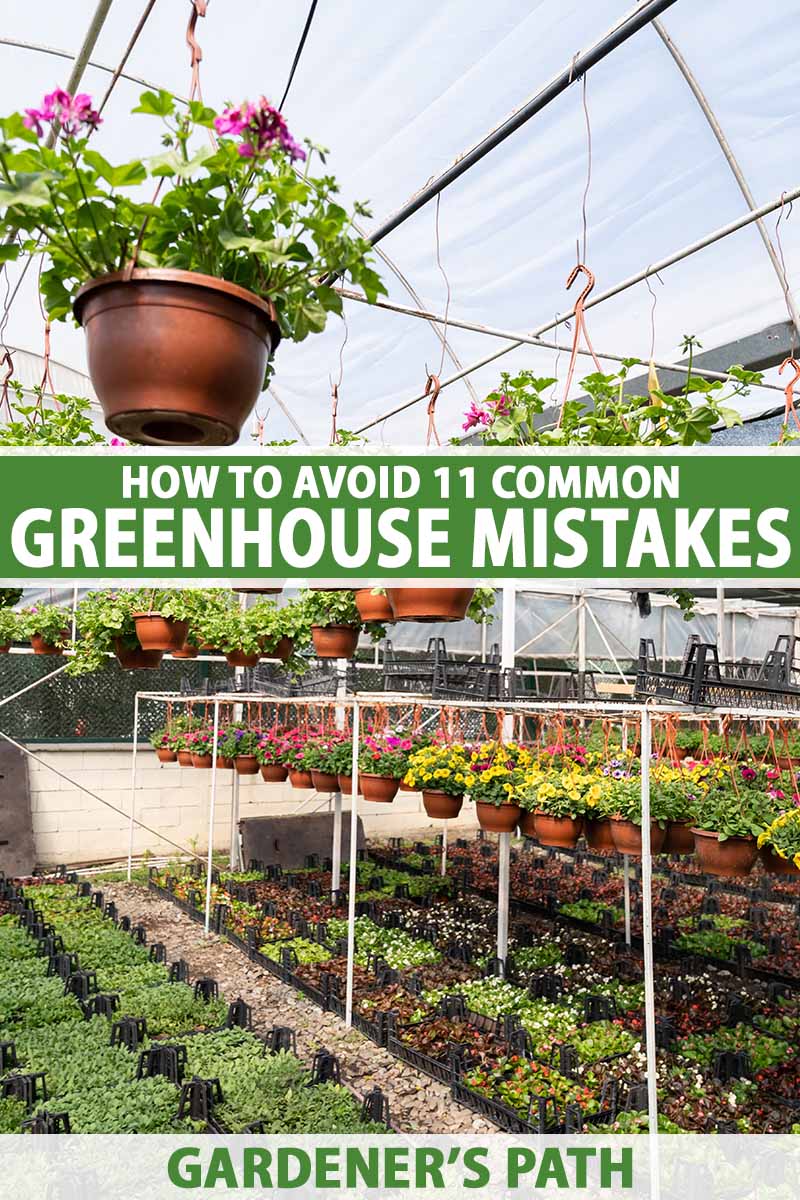
Growing plants in a greenhouse can create an optimal environment for many species; however, there are some plants that should generally be avoided due to their specific needs or growth habits. Here are some key plants and considerations to keep in mind when choosing what not to grow in a greenhouse.
Plants That Require Large Space
Growing plants that tend to take up a lot of horizontal and vertical space can be impractical in a greenhouse setting. These plants often require extensive room to thrive, which can lead to overcrowded conditions.
- Corn: This tall plant needs significant vertical height and horizontal space to grow, making it unsuitable for traditional greenhouse operations.
- Grapevines: They need a lot of climbing space and can easily overtake a greenhouse, making maintenance difficult.
- Tomatoes: While they can be grown in greenhouses, if not properly managed, they can rapidly fill the space and lead to poor air circulation.
Plants Prone to Disease
Certain plants are more susceptible to diseases in confined spaces like greenhouses. The high humidity and warmth can create the perfect storm for molds and pathogens.
- Squash: Particularly the varieties that are prone to mildew can spread disease rapidly in a greenhouse.
- Potatoes: They can suffer from blight, and the confined space can worsen disease spread.
- Beans: These can attract pests and wilt diseases that thrive in greenhouse conditions.
Plants Requiring Outdoor Conditions
Some plants thrive in outdoor environments and may struggle in the controlled conditions of a greenhouse.
- Perennials: Many perennials prefer colder climates and need a winter dormancy that greenhouses can inhibit.
- Wildflowers: These often need natural sunlight and the variety of weather conditions to flourish.
- Turf grasses: Grass generally needs larger open spaces and may not perform well in a greenhouse setting.
Heavy Feeder Plants
Plants that require a significant amount of nutrients can deplete soil resources quickly in a greenhouse environment, leading to deficiencies for other plants.
- Kale: Known for being a heavy feeder, kale can consume nutrients rapidly, which can affect other plants.
- Brussels sprouts: Like kale, they have high nutrient requirements that can greatly impact greenhouse soil.
- Peppers: Also heavy feeders, they can strip essential nutrients from the growing medium over time.
Plants That Attract Pests
Some species naturally attract pests and can lead to infestations that may be hard to control in a greenhouse environment.
- Sunflowers: They attract a variety of pests such as aphids and beetles, which can spread to other plants.
- Mint: While it has culinary uses, mint can attract pests and also take over garden space aggressively.
- Cucumbers: These can attract cucumber beetles, which can damage other plants as well.
Questions from Our Readers
What are the main environmental disadvantages of a greenhouse?
The main environmental disadvantages of a greenhouse include potential energy consumption for regulating temperature and humidity, which can lead to increased carbon emissions if not sourced from renewable energy. Additionally, the materials used for construction, such as plastic or glass, can contribute to waste and pollution, impacting the ecosystem negatively.
Do greenhouses require a lot of maintenance?
Yes, greenhouses require a significant amount of maintenance, which includes monitoring temperature, humidity, and pests. This ongoing effort might not be feasible for everyone, and the need for regular cleaning and repairs can also add to the overall time and cost involved in greenhouse management.
Are greenhouses expensive to operate?
Operating a greenhouse can be quite expensive due to the costs associated with heating, cooling, and watering systems. Additionally, the investment in infrastructure and ongoing expenses for utilities can add up, making it financially challenging for some growers, particularly small-scale ones.
Can a greenhouse impact local flora and fauna?
Yes, a greenhouse can impact local flora and fauna by creating microclimates that may disrupt the natural ecosystem. For example, the introduction of certain plant species within a greenhouse could lead to invasive species that negatively affect native plants and animals in the surrounding area.
See also:

If you want to read more articles like What are the Disadvantages of a Greenhouse? Uncovering the Drawbacks and Challenges, we recommend you check out our Garden category.
Leave a Reply
Related Articles