How Do You Vent a Greenhouse? Essential Tips for Optimal Airflow and Plant Health

Proper ventilation is crucial for maintaining a healthy greenhouse environment, significantly impacting plant growth and overall health. Inadequate airflow can lead to excessive humidity, heat buildup, and the proliferation of pests and diseases. This article will explore essential tips for effectively venting a greenhouse, ensuring optimal air circulation and temperature regulation. From understanding the importance of natural versus mechanical ventilation to practical strategies for implementing these techniques, we will provide you with the knowledge needed to create a thriving greenhouse atmosphere. Ultimately, effective ventilation not only enhances plant health but also increases yield and reduces the need for chemical interventions.
How to Effectively Vent a Greenhouse
Properly venting a greenhouse is essential for maintaining an optimal growing environment, as it helps regulate temperature, humidity, and airflow. Ventilation allows for the exchange of stale air inside the greenhouse with fresh air from the outside, preventing overheating and reducing the risk of plant diseases caused by excessive moisture. There are several methods to achieve effective ventilation, including the use of roof vents, side vents, and fans. Each method varies in effectiveness based on the size of the greenhouse, the type of crops being grown, and the local climate. A well-ventilated greenhouse not only promotes healthy plant growth but also improves overall efficiency by minimizing energy costs associated with temperature control.
Types of Greenhouse Vents
There are several types of vents commonly used in greenhouses, including roof vents, side vents, and gable vents. Roof vents are typically installed at the highest point of the greenhouse, allowing hot air to escape while cooler air can enter through side vents. Side vents can be either manually operated or automatic and are located along the sides of the greenhouse to provide cross-ventilation. Gable vents are positioned at the peak of a gabled roof structure and work in conjunction with roof and side vents for improved airflow. Each type of vent plays a crucial role in maintaining a balanced internal environment, ensuring that your plants are well-supported throughout their growth cycle.
Automated Ventilation Systems
Automated ventilation systems enhance the efficiency of greenhouse operation by using sensors to monitor temperature and humidity levels, automatically adjusting vents accordingly. These systems can include electric window openers, thermostatic controllers, and integrated weather stations that provide precise feedback for optimal climate control. By automating ventilation, greenhouse owners can ensure consistent airflow and temperature regulation with less manual intervention, ultimately promoting better crop yields. Furthermore, automated systems can also reduce the risk of human error that might occur with manual ventilation.
Natural vs. Mechanical Ventilation
Natural ventilation relies on the natural movement of air through the greenhouse, typically facilitated by strategically placed vents. This method is energy-efficient and cost-effective, utilizing environmental factors such as wind and thermal buoyancy to create airflow. In contrast, mechanical ventilation employs fans and blowers to force air circulation, which can be particularly beneficial in larger greenhouses or regions with low winds. Understanding the trade-offs between natural and mechanical ventilation is essential for selecting the right system based on local conditions, greenhouse size, and types of plants.
Benefits of Proper Ventilation
Effective greenhouse ventilation offers numerous benefits that contribute to a healthier growing environment. Proper ventilation helps regulate temperature, reducing the risk of heat stress on plants. It also plays a critical role in controlling humidity, thus preventing mold and mildew growth which can harm plants. Furthermore, good airflow can enhance pollination and discourage the proliferation of pests by creating an unwelcoming environment for them. Overall, well-ventilated greenhouses can lead to improved plant quality and higher crop yields.
Ventilation Maintenance Tips
Maintaining greenhouse ventilation systems is crucial for ensuring their long-term effectiveness. Regular inspections of vents, fans, and automated systems are recommended to identify potential issues such as blockages, mechanical failures, or misalignments. Cleaning vents to remove dust and debris improves airflow, while checking seals for any air leaks can maximize efficiency. Additionally, ensuring that automated systems are calibrated correctly and serviced on a schedule can help sustain optimal performance. By prioritizing ventilation maintenance, greenhouse owners can safeguard the health of their plants and the overall productivity of their operation.
| Type of Vent | Function | Advantages |
|---|---|---|
| Roof Vents | Allow hot air to escape | High-efficiency cooling |
| Side Vents | Facilitate cross-ventilation | Increased airflow |
| Automated Systems | Monitor and adjust airflow | Consistency and precision |
| Mechanical Systems | Enhance air circulation | Effective in larger spaces |
What is the best way to ventilate a greenhouse?
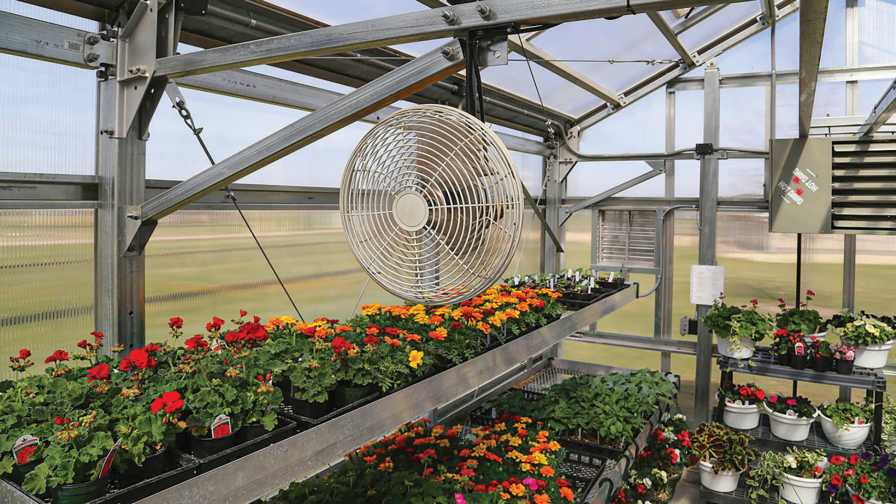
To ensure optimal growth conditions in a greenhouse, proper ventilation is crucial. The best way to ventilate a greenhouse involves a combination of natural and mechanical methods that help regulate temperature, humidity, and air circulation. Here are some effective strategies for ventilating a greenhouse:
Natural Ventilation
Natural ventilation utilizes wind and temperature differences to create airflow within the greenhouse. It can be achieved through strategically placed openings.
- Roof Vents: Installing roof vents allows hot air to escape from the top, drawing cooler air in through side vents.
- Side Vents: Sidewall openings can facilitate cross-ventilation. Ensure these are placed at opposite ends for effective air exchange.
- Orientation: Position your greenhouse with openings facing prevailing winds to maximize airflow.
Mechanical Ventilation
Mechanical systems offer an efficient way to control the greenhouse environment, especially in regions with low wind conditions.
- Exhaust Fans: Installing exhaust fans at the highest point helps expel hot air, reducing temperature quickly.
- Circulation Fans: Placement of circulation fans throughout the greenhouse helps to distribute air evenly and reduce hot spots.
- Automated Systems: Consider automated vents and fans that adjust based on temperature and humidity readings for optimal performance.
Humidity Control
Maintaining proper humidity levels is vital, as excessive moisture can lead to fungal diseases.
- Dehumidifiers: Use dehumidifiers to combat high humidity levels, especially in the early morning when plants transpire the most.
- Ventilation Timing: Open vents during the day when humidity is lower and close them at night to retain warmth.
- Watering Techniques: Water in the morning to minimize moisture accumulation in the greenhouse overnight.
Temperature Regulation
Temperature control is essential in promoting healthy plant growth and preventing heat stress.
See also:
- Shade Cloth: Use shade cloth during the hottest parts of the day to reduce heat buildup.
- Insulation: Insulate the greenhouse at night to trap heat, minimizing temperature fluctuations.
- Fans for Cooling: Utilize fans strategically to create a cooling breeze during peak temperatures.
Seasonal Adjustments
Adjust your ventilation strategies according to seasonal changes to maintain the optimal internal environment.
- Spring & Summer: Increase ventilation during warm months to deal with rising temperatures and humidity.
- Fall & Winter: Reduce the opening size of vents during cooler months to retain heat and prevent drafts.
- Seasonal Planting: Adjust ventilation based on the types of plants being grown, as some may require different humidity and temperature levels.
Does a greenhouse have to be vented?
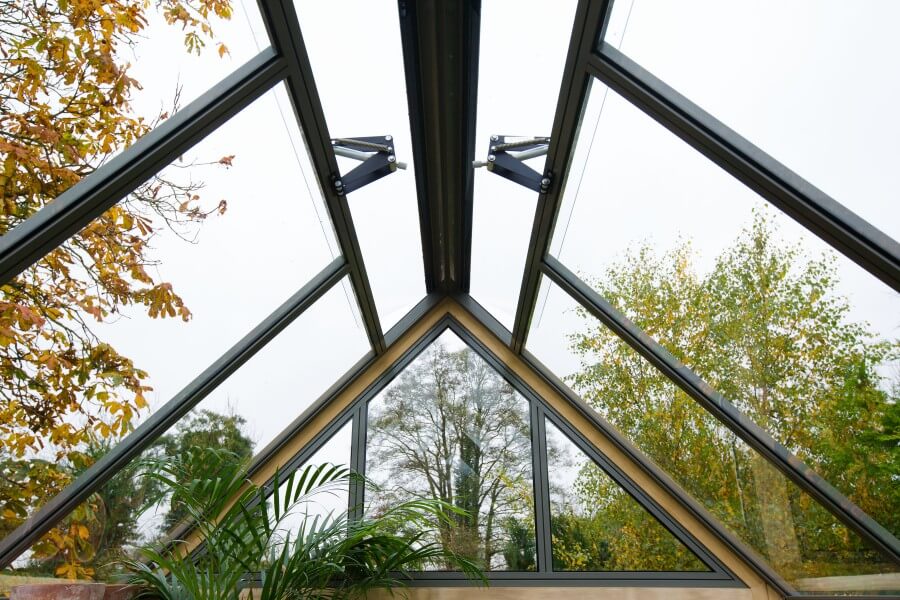
A greenhouse does indeed need to be vented for several important reasons. Proper ventilation plays a critical role in maintaining the environment within the greenhouse, which directly affects plant health and productivity. Without adequate ventilation, humidity and heat levels can rise excessively, leading to various problems for plants, including diseases and stunted growth.
Key Reasons for Ventilation:
1. Temperature Control
Vents allow for the regulation of temperature inside the greenhouse. Excessive heat can cause stress on plants, leading to wilting or even death. Proper ventilation helps maintain an optimal growing temperature, typically between 70°F to 80°F (21°C to 27°C) for most plants.
- Prevents overheating during sunny days.
- Facilitates cooling in extreme weather conditions.
- Helps maintain a consistent temperature for healthy growth.
2. Humidity Regulation
High humidity levels can create a conducive environment for the growth of fungal diseases. Properly venting the greenhouse helps reduce moisture levels, allowing for a healthier environment for plants.
- Reduces the risk of mold and mildew.
- Prevents condensation on leaves.
- Encourages transpiration and proper water uptake.
3. Air Quality Improvement
A well-ventilated greenhouse promotes good air circulation, which is essential for healthy plant growth. Stagnant air can lead to the buildup of gases that can be harmful to plants.
- Reduces the concentration of harmful gases like carbon dioxide.
- Improves oxygen availability for plants.
- Enhances overall plant health and vigor.
4. Pest Control
Proper ventilation can also help in managing pest populations. Many pests thrive in humid and stagnant conditions, so maintaining airflow can make the environment less inviting for them.
- Deters pest infestation by creating a less hospitable environment.
- Fosters beneficial insects that help in pest management.
- Improves the effectiveness of biological pest control methods.
5. Plant Growth Optimization
Ultimately, proper ventilation is key to creating an ideal growing environment. Strong, healthy plants are a result of good air movement, humidity control, and temperature regulation.
- Encourages vigorous growth by providing optimal conditions.
- Increases flowering and fruiting rates in various plants.
- Promotes better overall yield and plant quality.
Should a greenhouse be in the sun or shade?
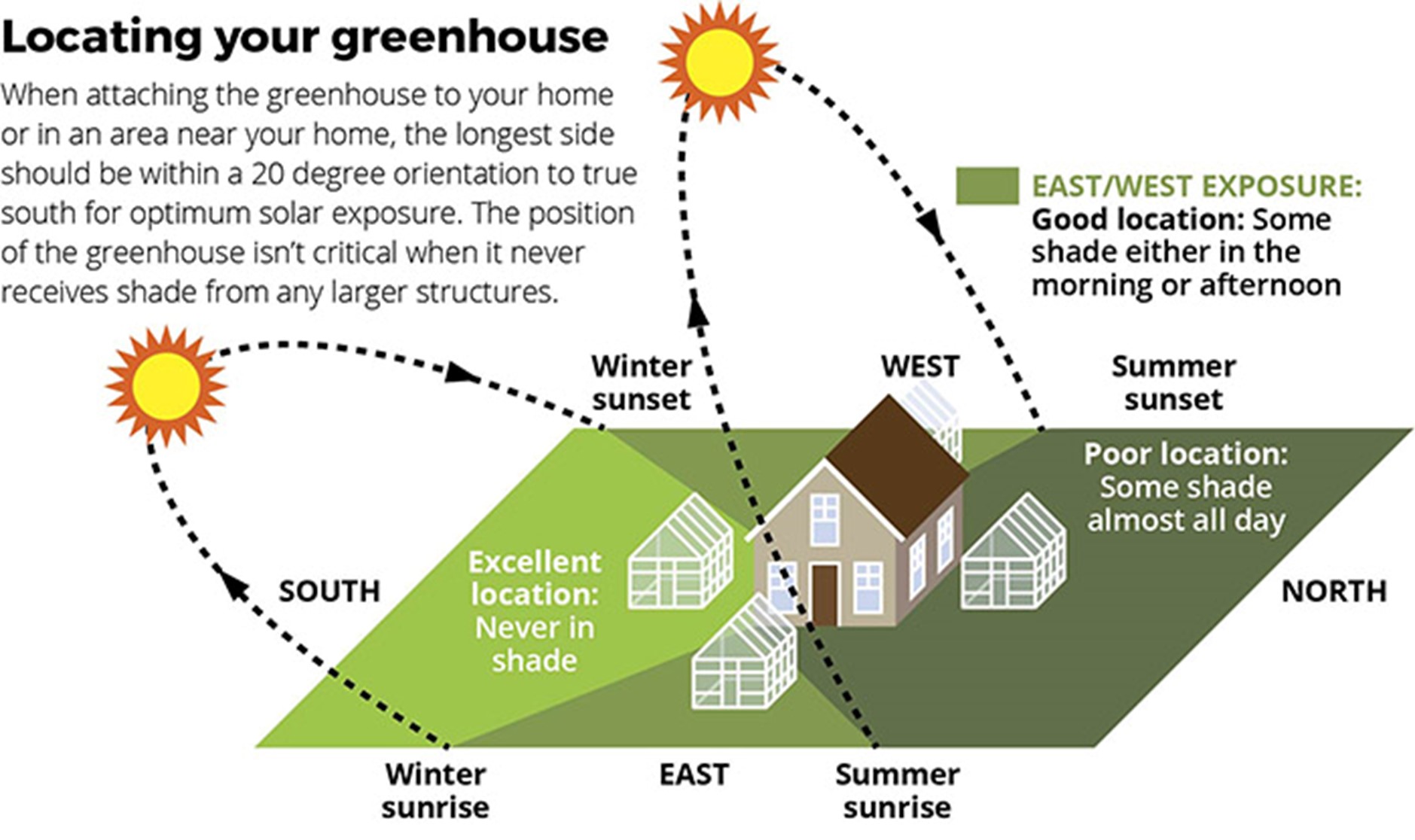
A greenhouse should ideally be placed in the sun rather than in the shade. The primary function of a greenhouse is to create an environment that supports plant growth, and sunlight plays a crucial role in this process. Direct sunlight allows for effective photosynthesis, leading to healthy and vigorous plants. Here are some reasons why positioning a greenhouse in a sunny location is beneficial:
Importance of Sunlight for Photosynthesis
Plants rely on sunlight for photosynthesis, the process through which they convert light energy into chemical energy. The presence of sufficient sunlight in a greenhouse can lead to:
- Increased Growth Rates: Plants grow faster when they receive adequate sunlight.
- Better Flowering and Fruiting: Sunlight encourages blooming and fruit production in many plant species.
- Stronger Plants: Sunlight exposure helps plants develop stronger stems and roots.
Temperature Control in Greenhouses
A greenhouse in the sun can maintain an optimal temperature. When plants are exposed to sunlight, the greenhouse effect can significantly raise the interior temperature. This is important for:
See also:
- Warm-Season Crops: Many vegetables and flowers thrive in warmer environments.
- Extended Growing Seasons: Sunlight can help prolong the growing season into colder months.
- Humidity Regulation: Warm air helps to regulate humidity levels, reducing mold and disease risks.
Effects of Shade on Plant Growth
Placing a greenhouse in the shade can limit its effectiveness and hinder plant development. The effects of reduced sunlight include:
- Stunted Growth: Insufficient light can lead to slow or stunted plant growth.
- Lack of Blooming: Many plants will fail to flower or produce fruit without adequate sun exposure.
- Pest and Disease Issues: Healthier plants are more resilient to pests and diseases, which can be a problem in shaded conditions.
Optimal Sunlight Exposure for Greenhouses
To maximize the benefits of sunlight, consider the following factors regarding the placement of a greenhouse:
- Orientation: Position the greenhouse to receive maximum sunlight throughout the day, ideally facing south.
- Surroundings: Ensure surrounding structures or trees do not block sunlight during peak hours.
- Seasonal Changes: Monitor how sunlight patterns change with seasons and adjust accordingly.
Utilizing Shade When Necessary
While sunlight is crucial, certain situations may require shade management for optimal growth:
- Certain Plant Species: Some plants thrive in partial shade and cannot tolerate direct sunlight.
- Temperature Regulation: During extremely hot days, shade can protect plants from heat stress.
- Control of Sunlight Intensity: Using shade cloths can help lower light intensity for delicate plants.
What temperature should greenhouse vents open at?

The optimal temperature for opening greenhouse vents typically ranges between 75°F to 85°F (approximately 24°C to 29°C). This temperature range is crucial for maintaining the health of the plants within the greenhouse. Once the internal temperature reaches this threshold, the vents should open to allow excess heat to escape, thereby preventing temperature stress on the plants. Monitoring the temperature closely, and adjusting the vent settings accordingly, can significantly enhance plant growth and productivity.
Importance of Ventilation in Greenhouses
Proper ventilation is essential in a greenhouse to control temperature and humidity levels.
- Temperature Regulation: Helps maintain optimal growing conditions for plants.
- Humidity Control: Prevents the buildup of excess moisture, which can lead to diseases.
- CO2 Exchange: Facilitates the intake of carbon dioxide, which is vital for photosynthesis.
Signs That Vents Need to Open
It's important to recognize when greenhouse vents should be opened to maintain a healthy environment for plants.
- High Internal Temperature: Monitor for temperatures exceeding 85°F (29°C).
- Increased Humidity: Noticeable condensation on plants may indicate the need for ventilation.
- Plant Stress: Symptoms like wilting or curling leaves are signs of unfavorable conditions.
Manual vs. Automatic Ventilation Systems
Choosing the right type of ventilation system can impact the efficiency of temperature control.
- Manual Systems: Involve physically opening or closing vents; require regular monitoring.
- Automatic Systems: Use sensors to open and close vents based on temperature and humidity levels.
- Hybrid Systems: Combine elements of both for flexibility in controlling the greenhouse environment.
Factors That Affect Vent Opening Temperature
Various factors can influence the decision on when to open greenhouse vents.
- Plant Types: Different plants have varying temperature tolerances and requirements.
- Seasonal Changes: Temperature benchmarks may shift with changing seasons; adjustments may be necessary.
- Geographical Location: The climate in your area can affect the optimal vent opening temperature.
Best Practices for Setting Ventilation Control
Implementing best practices can optimize the effectiveness of greenhouse vents.
- Regular Monitoring: Use thermometers and hygrometers to keep track of internal conditions.
- Incremental Adjustments: Make small adjustments to vent settings based on specific observations.
- Integrate With Other Systems: Coordinate ventilation with heating or cooling systems for enhanced efficiency.
Questions from Our Readers
What are the common methods to vent a greenhouse?
To effectively vent a greenhouse, common methods include using manual windows, automated window openers, and exhaust fans. By implementing these systems, you can ensure proper air circulation and maintain an optimal temperature for your plants.
Why is ventilation important in a greenhouse?
Ventilation is crucial in a greenhouse because it helps maintain a stable climate by regulating humidity and temperature levels. Proper ventilation prevents the buildup of excess heat and moisture, which can lead to plant diseases and negatively impact growth.
When is the best time to ventilate a greenhouse?
The best time to ventilate a greenhouse is usually during the warmest parts of the day, typically late morning to early afternoon. This helps to expel hot air and reduce humidity, creating a more favorable environment for your plants to thrive.
See also:
How can you tell if your greenhouse needs more ventilation?
Signs that your greenhouse may need more ventilation include condensation on plants or windows, persistent high temperatures, and stagnant air. If you notice these conditions, it may be time to enhance your venting strategies to improve the overall environment.

If you want to read more articles like How Do You Vent a Greenhouse? Essential Tips for Optimal Airflow and Plant Health, we recommend you check out our Garden category.
Leave a Reply
Related Articles