Can You Grow Carrots in a Greenhouse? Complete Guide to Successful Carrot Cultivation

Growing carrots can be a rewarding experience, especially when done in a controlled environment like a greenhouse. This comprehensive guide will explore the advantages of cultivating carrots within a greenhouse, including optimal temperature regulation, protection from pests, and extended growing seasons. Whether you are an experienced gardener or a beginner, you will find valuable tips and techniques to ensure successful carrot cultivation. From selecting the right varieties to understanding soil requirements and watering practices, we will cover all the essential aspects you need to know. Get ready to transform your greenhouse into a thriving carrot haven!
Can You Grow Carrots in a Greenhouse?
Yes, you can successfully grow carrots in a greenhouse. Greenhouses provide a controlled environment that can protect your carrot crops from harsh weather conditions and pests. They enable you to regulate the temperature, humidity, and light exposure, which can lead to healthier plants and a better yield. Carrots thrive in cooler temperatures, making them suitable for greenhouse cultivation in both spring and fall. Moreover, with the right soil, spacing, and watering techniques, you can achieve a bountiful harvest of crunchy, sweet carrots throughout the year.
Benefits of Growing Carrots in a Greenhouse
Growing carrots in a greenhouse offers several advantages, including extended growing seasons and protection from adverse weather. The controlled environment minimizes the risk of pests and diseases that can affect outdoor crops, allowing for healthier plants. Additionally, greenhouse growing enables the use of fertilizers and other amendments to optimize soil conditions for carrot growth. This environment also facilitates succession planting, where multiple crops can be grown in intervals throughout the year, increasing overall productivity.
Ideal Conditions for Carrot Growth
For optimal growth, carrots require specific conditions, including well-draining soil, adequate moisture, and a cool temperature range of 60-70°F (15-21°C). In a greenhouse, maintaining these conditions involves monitoring soil moisture levels to prevent over-watering or drying out. Additionally, providing adequate light, either through natural sunlight or supplemental grow lights, is essential for healthy top growth and root development. Ensuring proper ventilation in the greenhouse can help regulate temperature and humidity, preventing issues such as damping-off and bolting.
Soil Requirements for Growing Carrots
The soil for growing carrots should be loose, well-draining, and rich in organic matter. A pH level of 6.0 to 6.8 is ideal for optimal nutrient uptake. Incorporating organic compost and well-rotted manure can improve soil structure and nourishment. Carrots prefer sandy loam or loamy soil types that allow their roots to grow straight and healthy without obstruction. It's essential to avoid compacted soils, as they can hinder root development and lead to malformed carrots.
Watering and Fertilization Practices
Carrots require consistent moisture for proper growth, especially during germination. In a greenhouse, aim to keep the soil evenly moist but not waterlogged. A drip irrigation system can be particularly effective in providing the necessary water while minimizing excess moisture on the foliage, which can lead to diseases. When it comes to fertilization, a balanced fertilizer low in nitrogen but rich in phosphorus and potassium can promote healthy root development. Monitoring soil nutrient levels is crucial to ensure carrots receive adequate nourishment throughout their growing stages.
Pest and Disease Management
Although growing carrots in a greenhouse can reduce the likelihood of certain pest problems, it's essential to remain vigilant about potential pests and diseases. Common pests include aphids and root maggots, which can be controlled through biological controls like beneficial insects or organic pesticides. Maintaining good air circulation and cleanliness within the greenhouse is vital in preventing fungal diseases. Regularly inspecting plants for any signs of distress can help catch problems early and implement management practices promptly.
| Aspect | Recommendation |
|---|---|
| Temperature | 60-70°F (15-21°C) |
| Soil Type | Sandy loam or loamy soil |
| pH Level | 6.0 to 6.8 |
| Watering | Consistent moisture without waterlogging |
| Fertilization | Low nitrogen, rich in phosphorus and potassium |
Do carrots grow in a greenhouse?
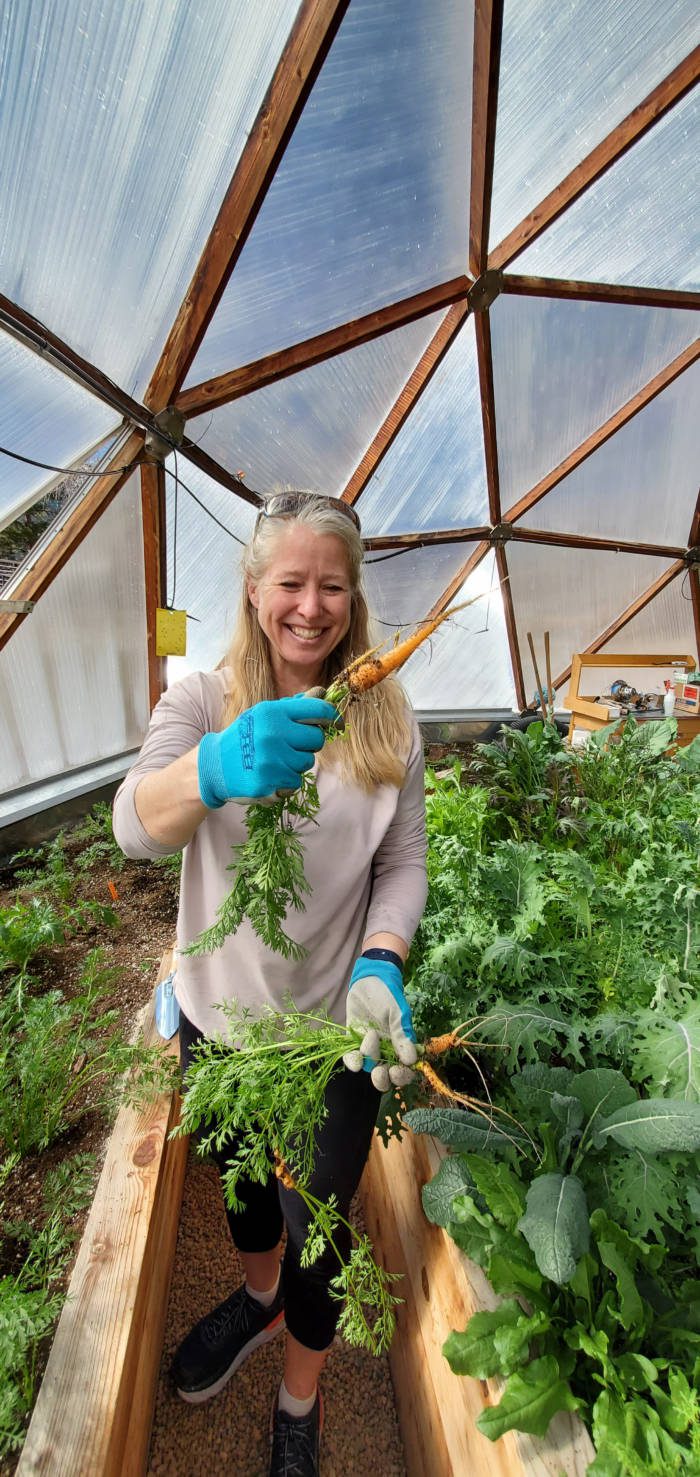
Yes, carrots can indeed be grown in a greenhouse. This environment provides several advantages that can support the growth of carrots, making it easier to control conditions such as temperature, humidity, and pest management. Carrots thrive in cooler temperatures and a stable climate, which a greenhouse can provide, especially in regions with extreme weather.
Advantages of Growing Carrots in a Greenhouse
Growing carrots in a greenhouse offers multiple benefits that can enhance yield and quality:
See also:
- Controlled Environment: A greenhouse allows for better control over temperature and humidity, creating an optimal environment for carrot growth.
- Pest Management: Enclosed spaces help keep pests at bay, reducing the need for chemical pesticides.
- Extended Growing Season: Carrots can be sown earlier in the spring or grown later into the fall, expanding the growing season.
Ideal Conditions for Carrots in a Greenhouse
To successfully grow carrots in a greenhouse, certain conditions must be met:
- Temperature: Carrots prefer cooler temperatures, ideally between 60°F and 70°F (15°C - 21°C) for optimal growth.
- Soil Type: Well-drained, sandy loam soil is best for carrots, allowing the roots to expand properly.
- Lighting: Carrots require plenty of light. Using supplemental grow lights can help if natural sunlight is inadequate.
Common Challenges When Growing Carrots in a Greenhouse
While growing carrots in a greenhouse is beneficial, several challenges can arise:
- Disease Management: Humidity can increase the risk of fungal diseases. Regular ventilation and monitoring are essential.
- Watering Needs: Overwatering can lead to root rot. It is crucial to maintain consistent moisture without saturating the soil.
- Spacing and Thinning: Crowded plants can lead to misshapen roots, so it’s important to thin seedlings properly.
Best Practices for Growing Carrots in a Greenhouse
To achieve the best results when cultivating carrots in a greenhouse, consider these practices:
- Direct Sowing: Carrots should be sown directly into the soil instead of transplanting to minimize root disturbance.
- Regular Fertilization: Implement a balanced fertilizer regimen to ensure that carrots receive essential nutrients.
- Crop Rotation: Rotating crops helps prevent soil depletion and reduces the risk of disease.
Harvesting Carrots from a Greenhouse
Harvesting carrots efficiently from a greenhouse involves careful attention to timing and technique:
- Harvest Timing: Carrots are usually ready to harvest when they reach about ½ to 1 inch in diameter.
- Technique: Gently loosen the soil around the base of the carrot with a fork or shovel before pulling it out to avoid damage.
- Storage: Store freshly harvested carrots in a cool, dark place to maintain freshness before use.
What is the easiest vegetable to grow in a greenhouse?
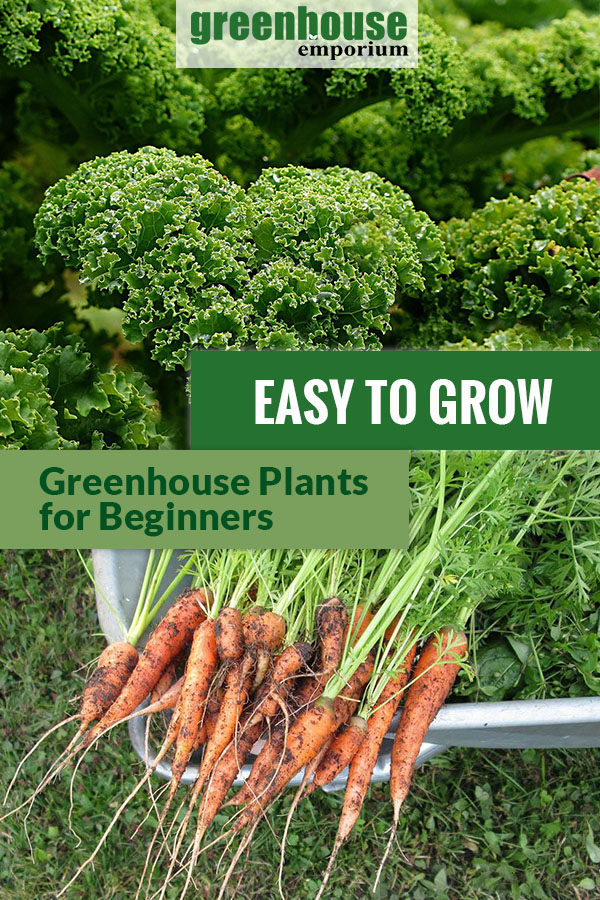
The easiest vegetable to grow in a greenhouse is often considered to be lettuce. Lettuce thrives in the controlled environment of a greenhouse, where temperature and humidity can be easily managed for optimal growth. This leafy green is not only quick to mature but also grows well in various conditions, making it an excellent choice for beginner gardeners.
Optimal Conditions for Growing Lettuce
To grow lettuce successfully in a greenhouse, it's crucial to maintain the right conditions. Lettuce prefers cooler temperatures, typically between 60°F and 70°F. Warmer temperatures can lead to bolting, where the plant goes to seed prematurely. Here are key factors to consider:
- Temperature Control: Keep the greenhouse cool, especially during hot summer months.
- Humidity: Maintain moderate humidity levels to prevent fungal diseases.
- Light Exposure: Ensure adequate light, but consider shading to avoid direct sunlight during peak hours.
Soil Requirements for Lettuce
Lettuce prefers well-draining soil rich in organic matter. The right soil ensures that roots can access nutrients without becoming waterlogged, which can lead to rot. Follow these guidelines:
- Soil Type: Use a commercial potting mix or create your own with peat, compost, and perlite.
- pH Level: Aim for a pH level between 6.0 and 7.0 for optimal growth.
- Nutrient Addition: Enrich the soil with organic fertilizers to boost growth.
Best Lettuce Varieties to Grow
There are several types of lettuce that are well-suited for greenhouse cultivation. Each variety has unique characteristics, making some easier to grow than others. Here are some recommended types:
- Butterhead Lettuce: Known for its soft, buttery leaves and quick growth rate.
- Romaine Lettuce: Crisp and sturdy, Romaine is reliable and versatile.
- Leaf Lettuce: Fast-growing and available in multiple colors, making it visually appealing.
Watering Techniques for Lettuce
Proper watering is essential for the health of lettuce plants. In a greenhouse, the environment can dry out more quickly than in a traditional garden. Here are effective watering methods:
See also:
- Frequency: Water regularly, but avoid waterlogging; allow the top inch of soil to dry out.
- Watering Method: Use soaker hoses or drip irrigation for consistent moisture.
- Observation: Check leaves for signs of wilting or browning, indicating the need for more water.
Pest Management in a Greenhouse
Even in a controlled environment, pests can still be a threat to lettuce crops. Effective pest management ensures a healthy yield. Consider these strategies:
- Regular Inspections: Check plants frequently for signs of pests or diseases.
- Natural Predators: Introduce beneficial insects like ladybugs to control pest populations.
- Organic Treatments: Use neem oil or insecticidal soaps as a preventive measure against pests.
How hot is too hot for growing carrots?
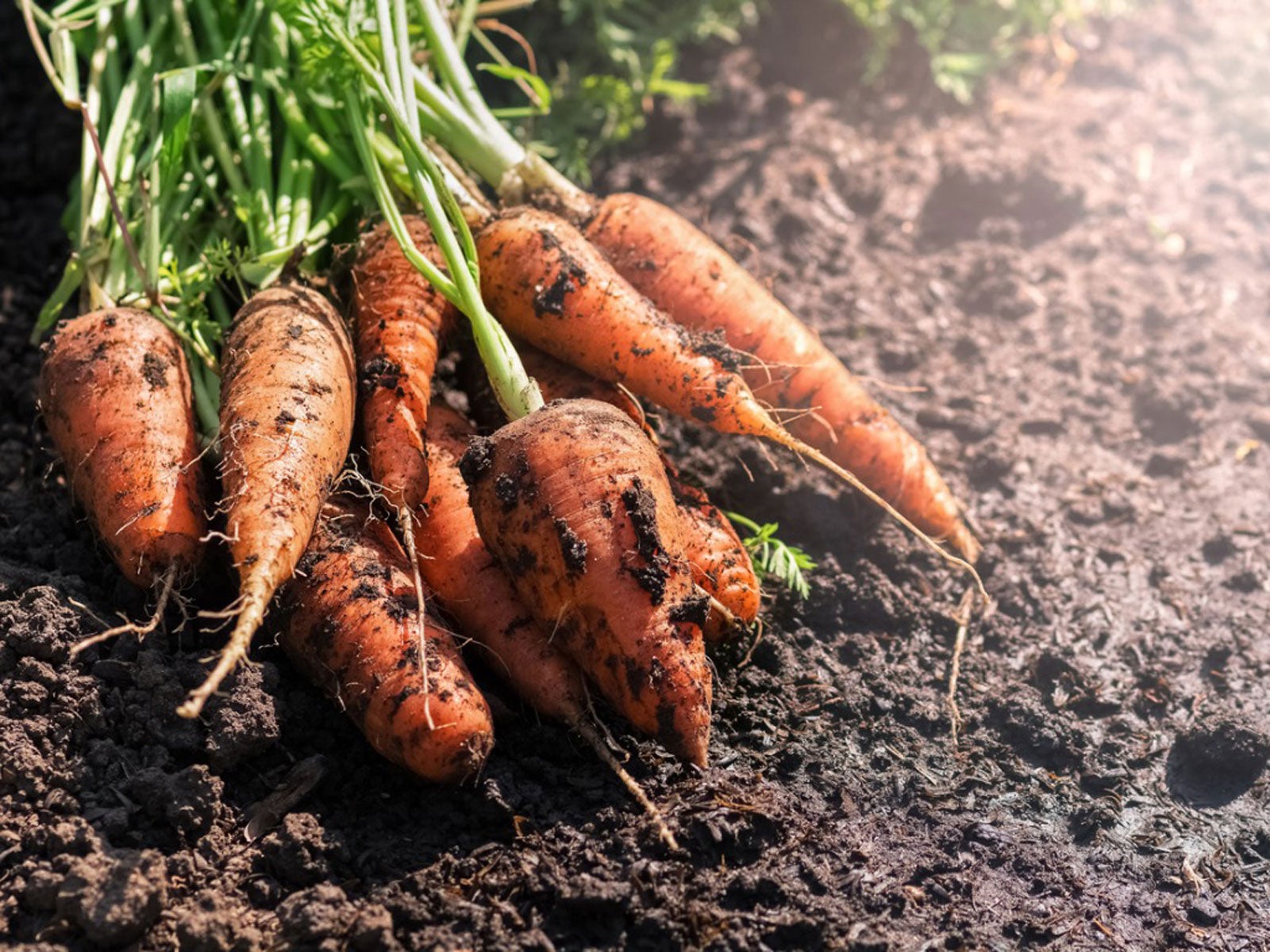
Carrots thrive best in moderate temperatures, and extremes on either end can affect their growth. Generally, temperatures above 85°F (29°C) can be considered too hot for optimal carrot growth. High temperatures can lead to a range of issues including reduced germination rates, shorter root development, and even stress on the plants which can result in bitter flavors or tough textures.
Impact of High Temperatures on Carrot Germination
High temperatures can significantly affect the germination process of carrot seeds. When the soil temperature exceeds 85°F (29°C), the seeds may struggle to sprout.
- High temperatures can cause seed dormancy, delaying germination.
- Extreme heat can lead to uneven germination, resulting in patchy growth.
- It may also induce seed rot if the soil remains excessively warm and moist.
Effects on Root Development
When temperatures climb above the ideal range, the root development of carrots can be compromised. The productivity of carrot plants is directly linked to a favorable temperature.
- Higher heat can lead to stunted growth, producing smaller roots.
- Roots may become more woody and less palatable in hot conditions.
- Plants can focus energy on survival rather than root expansion.
Plant Stress and Its Consequences
Temperature stress can induce a variety of physiological changes in carrot plants. Stress affects not only growth but also the overall health of the plant.
- Increased heat leads to water stress, which can hinder nutrient uptake.
- Plants may produce more toxins and fewer vitamins in response to stress.
- Heat stress can induce pest susceptibility, making plants more vulnerable to infestations.
Flavor and Texture Affected by Heat
The flavor profile of carrots can be drastically altered under high-temperature conditions.
- Carrots grown in hot conditions can become bitter due to increased sugar levels.
- Heat can cause a tough texture, leading to less desirable eating qualities.
- Quality deterioration can impact marketability for commercial growers.
Best Practices for Growing Carrots in Hot Weather
To mitigate the effects of heat on carrots, certain growing strategies can be employed.
- Choose heat-resistant varieties that can tolerate higher temperatures.
- Implement mulching techniques to retain soil moisture and regulate temperature.
- Opt for shaded planting areas, or use row covers to protect against direct sun exposure.
Questions from Our Readers
Can you grow carrots in a greenhouse?
Yes, you can grow carrots in a greenhouse. Using a greenhouse provides a controlled environment that can enhance the growing conditions for carrots, leading to better germination rates and improved growth.
What conditions do carrots need to grow well in a greenhouse?
Carrots thrive in cool temperatures between 60-70°F (15-21°C) and require well-drained soil enriched with organic matter. It's essential to maintain adequate moisture without flooding the roots.
See also:
How long does it take for carrots to grow in a greenhouse?
Typically, carrots take about 70 to 80 days to reach maturity when grown in a greenhouse, depending on the variety. Along with proper care, this duration can lead to faster development compared to outdoor planting.
Should I use pots or direct soil for growing carrots in a greenhouse?
While both methods can be effective, directly sowing seeds in the soil of the greenhouse often yields better results for carrots, as they need space to grow long roots. However, using deep pots is also an option if soil conditions are not ideal.

If you want to read more articles like Can You Grow Carrots in a Greenhouse? Complete Guide to Successful Carrot Cultivation, we recommend you check out our Garden category.
Leave a Reply
Related Articles