Ultimate Guide: How to Use a Greenhouse for Beginners?

Gardening enthusiasts and beginners alike are increasingly embracing the benefits of greenhouses. These structures provide a controlled environment that can significantly extend the growing season and enhance plant health. Whether you're cultivating vegetables, herbs, or flowers, a greenhouse can be a valuable addition to your gardening toolkit. In this ultimate guide, we will explore the essential steps to effectively utilize a greenhouse as a beginner. From selecting the right location and understanding climate control to choosing the best plants and maintenance tips, this comprehensive guide aims to equip you with the knowledge and confidence to thrive in your greenhouse gardening journey.
Getting Started with Your Greenhouse: A Beginner's Guide
When embarking on the journey of using a greenhouse, beginners should prioritize understanding its essential components, optimal management practices, and suitable crops for growth. Initially, ensuring proper ventilation and temperature control within the greenhouse is crucial, as these factors directly influence plant health. It’s also important to monitor humidity levels and adapt the environment accordingly to promote healthy growth. Beginners should start with easy-to-grow plants like tomatoes, peppers, and herbs, gradually learning the nuances of greenhouse gardening. With a keen eye on maintenance and a willingness to experiment, novice gardeners can cultivate a vibrant greenhouse ecosystem.
Choosing the Right Location
Selecting the ideal location for your greenhouse is vital for its success. It should be placed in an area that receives ample sunlight, ideally at least 6 to 8 hours of direct sunlight daily. Additionally, consider proximity to a water source and ensure that the site has good drainage to prevent flooding. Testing the soil and evaluating wind patterns can also significantly impact how well your greenhouse functions, as strong winds can affect temperatures inside the structure.
Essential Greenhouse Materials
The structural materials of your greenhouse can greatly affect its longevity and performance. Common materials include polycarbonate, glass, and plastic, each with its advantages and disadvantages regarding insulation and light transmission. The framework can be metal, wood, or even PVC, depending on your budget and aesthetic preferences. It's essential to choose materials that are durable and suited to your local climate to ensure the greenhouse can withstand various weather conditions.
Managing Temperature and Humidity
Maintaining the right temperature and humidity levels inside the greenhouse is vital for plant health. Warm days often require ventilation, while cool nights may need heating solutions. Employing fans and thermostats can help regulate airflow and temperatures efficiently. Humidity levels should be monitored regularly using a hygrometer, as excessive moisture can lead to mold growth and pest issues. Strategies like installing a misting system or using dehumidifiers can aid in achieving optimal conditions.
Selecting Suitable Plants
Choosing the right plants to cultivate in your greenhouse can set the stage for a successful gardening experience. Beginners should start with plants that are well-suited for greenhouse environments, such as herbs, lettuce, and peppers. These plants tend to thrive with minimal care and can provide quick results, boosting your confidence as a gardener. Research the specific light, temperature, and watering needs of each type of plant to ensure successful growth and maximize your yields.
Regular Maintenance Practices
Routine maintenance is essential for the overall health and productivity of your greenhouse. This includes regular cleaning of the glass or plastic panels to maximize light penetration and checking for pests or diseases. Ensure that all tools and equipment are functioning correctly, as well-maintained tools can significantly enhance your gardening efficiency. Additionally, rotate your crops annually to prevent soil depletion and reduce pest populations, promoting a healthier growing environment.
| Aspect | Details |
|---|---|
| Location | Sunlight, drainage, and wind protection |
| Materials | Polycarbonate, glass, or plastic structures |
| Temperature Management | Ventilation and humidity control |
| Plant Selection | Begin with easy-to-grow varieties |
| Maintenance | Regular cleaning and pest control |
What should you not put in a greenhouse?
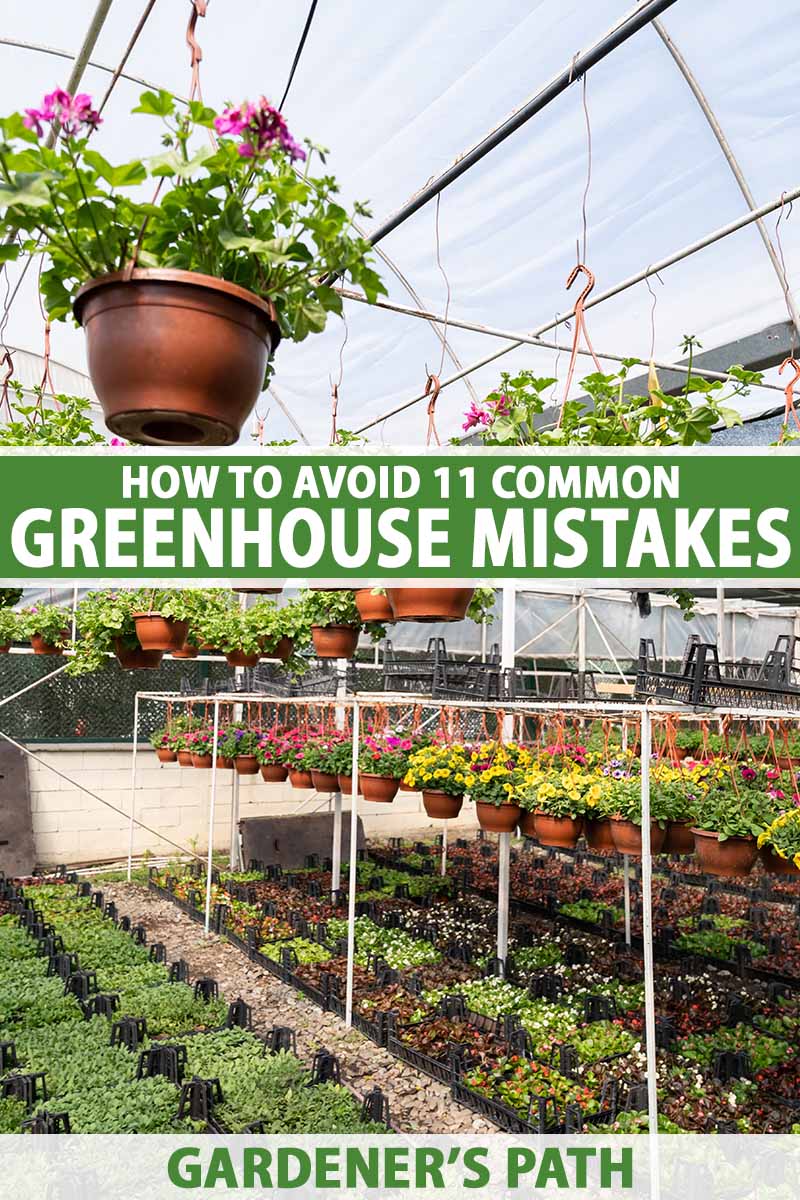
What you should not put in a greenhouse are items that could hinder plant growth, introduce pests or diseases, or create an unsuitable environment for the plants. Here are some specific items to avoid:
Excessive Tools and Equipment
When organizing a greenhouse, it's tempting to keep all your gardening tools close at hand. However, storing excessive tools can lead to clutter, making it difficult to move around and monitor plant health.
See also:
- Habitat for pests: Unused tools can provide hiding spots for insects and rodents.
- Hindrance to airflow: Clutter restricts air circulation, essential for the humidity and temperature control in the greenhouse.
- Safety hazards: Loose tools can create tripping hazards or cause injuries when reaching for pots or plants.
Plants with Different Needs
Placing plants that have different care requirements in the same greenhouse can lead to poor results. Some plants may thrive in high temperatures and low moisture, while others prefer cooler conditions and higher humidity.
- Nutrient competition: Different plants may compete for resources, hampering growth.
- Disease transmission: Mixing species can lead to the rapid spread of diseases among vulnerable plants.
- Watering difficulties: Varying needs can make it challenging to determine the right watering schedule.
Organic Waste
While compost is often beneficial in a garden, placing general organic waste within a greenhouse can attract pests and create unpleasant odors.
- Attracting unwanted animals: Decomposing material can draw in rodents and other wildlife.
- Disease risk: Rotting organic matter can harbor pathogens that infect plants.
- Humidity issues: Increased waste can elevate humidity levels, potentially causing mold growth.
Incompatible Chemicals
Storing harsh chemicals in your greenhouse can pose safety risks and may damage plants. Many growers understand that certain sprays and fertilizers can harm crops if misused.
- Toxicity risks: Chemicals accidentally spilling can be harmful to both plants and animals.
- Misapplication: Having many substances can lead to confusion and unintentional over-application.
- Pollution concerns: Chemical runoff can affect the surrounding environment if not managed correctly.
Non-Greenery Items
While it may be convenient to use the greenhouse for storage, placing non-plant-related items can lead to several issues that affect the gardening process.
- Blocking sunlight: Non-plant items can prevent light from reaching the plants, stunting their growth.
- Obstruction: Excess items may impede movement and accessibility for maintenance tasks.
- Mold and mildew: Non-plant items can contribute to humidity and moisture levels, promoting mold growth.
What is the easiest thing to grow in a greenhouse?
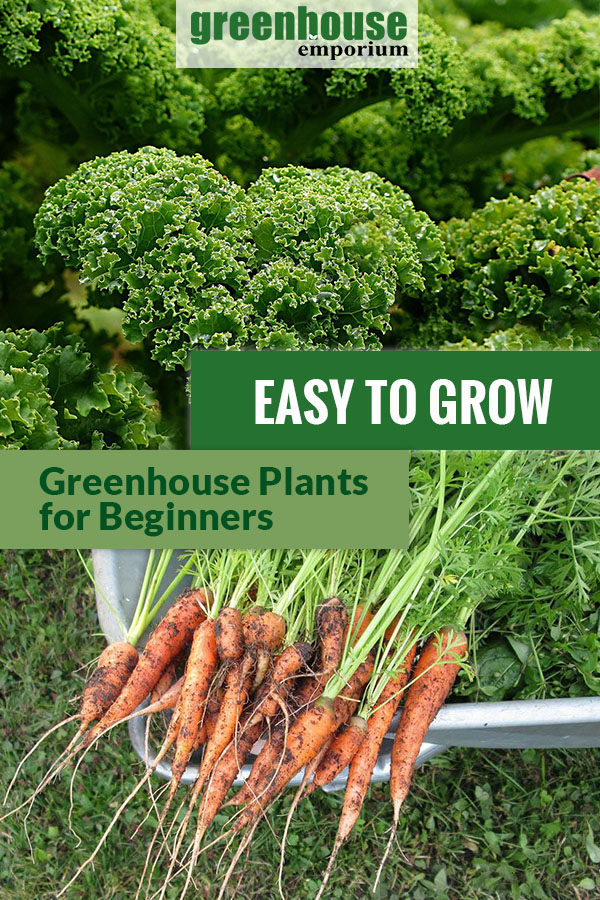
The easiest thing to grow in a greenhouse is typically herbs. Herbs are well-suited for greenhouse environments due to their relatively low requirements for care and their ability to thrive in controlled conditions. They generally need sufficient light, optimal temperatures, and consistent watering, all of which can be easily managed in a greenhouse setting. Additionally, herbs can be harvested continually, making them a practical choice for both beginners and experienced gardeners.
Reasons to Grow Herbs in a Greenhouse
Growing herbs in a greenhouse offers numerous advantages that enhance the gardening experience. The controlled environment ensures an optimal growing season, allowing gardeners to cultivate herbs year-round.
- Temperature Control: Greenhouses maintain a consistent temperature, which is ideal for herbs sensitive to fluctuations.
- Pest Management: Greenhouses provide a physical barrier against pests, reducing the need for chemical pesticides.
- Extended Growing Season: With a greenhouse, gardeners can grow herbs well beyond the typical outdoor growing season.
Popular Herbs to Grow in a Greenhouse
Certain herbs flourish exceptionally well in greenhouse conditions. Understanding which herbs are easiest to grow can help maximize the yield and satisfaction of gardening.
- Basil: This herb loves warmth and grows quickly, making it ideal for greenhouse cultivation.
- Mint: Mint is hardy and can be invasive; growing it in a greenhouse allows for controlled growth.
- Cilantro: Cilantro prefers cooler conditions, which can be managed effectively in a greenhouse environment.
Basic Care Tips for Herb Gardening
Proper care is crucial for the successful growth of herbs in a greenhouse. By following a few simple guidelines, you can ensure healthy plants and abundant harvests.
- Watering: Herbs generally need consistent moisture, but avoid overwatering to prevent root rot.
- Lighting: Ensure that your greenhouse provides adequate light; supplement with grow lights if necessary.
- Soil Quality: Use a well-draining potting mix to give your herbs the nutrients they need without waterlogging.
Common Pests and Diseases
Even in a controlled environment, herbs can still face challenges from pests and diseases. Being aware of these issues helps in effective management.
See also:
- Whiteflies: These pests can suck the sap from plants; use insecticidal soap to manage infestations.
- Fungal Diseases: Overly humid conditions can lead to leaf spots or mildew; promoting air circulation helps.
- Spider Mites: Tiny but damaging, these can be controlled with neem oil or by maintaining humidity.
Harvesting and Storing Herbs
Knowing when and how to harvest herbs is key to enjoying them at their peak flavor. Proper storage techniques also extend their lifespan beyond the greenhouse.
- Timing: Harvest herbs in the morning after the dew has dried for the best flavor and aroma.
- Cutting Technique: Use sharp scissors to snip leaves, allowing the plant to continue growing.
- Storage Methods: Store fresh herbs in a jar of water or dry them for long-term use; freezing is also an option.
Should I open my greenhouse every day?
.jpg)
Opening your greenhouse every day can be beneficial or detrimental, depending on various factors, such as the climate, plant types, and specific goals of your gardening. Here are some considerations to think about when deciding whether to open your greenhouse daily.
Understanding Temperature Control
Managing the temperature inside your greenhouse is crucial for maintaining healthy plants.
- Daytime Heating: During sunny days, the temperature inside a greenhouse can rise significantly higher than outside. Opening the greenhouse helps to regulate this temperature.
- Nighttime Cooling: At night, temperatures drop and it might be beneficial to keep the greenhouse closed to retain warmth.
- Seasonal Variability: In winter, plants may need to be kept warmer, whereas in summer, opening the greenhouse can prevent overheating.
Humidity Levels
Humidity is another critical factor for plant health that can be affected by whether the greenhouse is open or closed.
- Excess Moisture: Keeping the greenhouse closed may lead to high humidity levels which can encourage mold and mildew.
- Dry Air: Opening the greenhouse can help reduce humidity during hot spells but may also dry out certain plants.
- Optimal Balance: It’s vital to find the right balance between humid and dry conditions for the specific plants you are growing.
Air Circulation
Proper air circulation is essential in a greenhouse to prevent diseases and promote healthy plant growth.
- Preventing Disease: Stagnant air can lead to fungal diseases; opening the greenhouse facilitates more air movement.
- Pest Control: Good air circulation can help reduce pest infestations, as many pests thrive in still air.
- Plant Growth: Oxygen and carbon dioxide exchange is crucial for photosynthesis, which is optimized with adequate airflow.
Specific Plant Needs
Different plants have varying requirements for temperature, humidity, and air circulation which can influence your decision.
- Tropical Plants: These require higher humidity and constant warmth, necessitating less frequent opening of the greenhouse.
- Succulents and Cacti: These prefer drier conditions and may benefit from opening the greenhouse more frequently to reduce humidity.
- Annuals and Perennials: Understanding the specific needs of your plants will guide how often to open the greenhouse.
Weather Conditions
The external weather conditions should also dictate whether to open your greenhouse daily.
- Sunny Days: On bright, sunny days, opening the greenhouse can prevent overheating and excessive moisture buildup.
- Rainy Weather: Closing the greenhouse during rain can protect plants from excess moisture and possible waterlogging.
- Windy Conditions: If it's windy, consider leaving the greenhouse closed to protect delicate plants from damage.
Questions from Our Readers
What are the basic steps to start using a greenhouse?
To begin using a greenhouse, you should choose the right location, ensuring it receives adequate sunlight and is protected from harsh winds. Next, prepare the interior by incorporating shelving, pots, and a watering system. After that, you can start selecting plants suitable for your climate and the season. Finally, establish a regular maintenance routine to keep the environment optimal for growth.
How should I manage temperature and humidity in my greenhouse?
Managing temperature and humidity is crucial for plant health in a greenhouse. You can achieve this by using ventilation systems like windows or fans to regulate airflow and temperature. Installing thermometers and hygrometers will help you monitor conditions closely, while using shade cloths or heaters can maintain the desired environment depending on the season.
See also:
What types of plants are best suited for beginners in a greenhouse?
For beginners, it's advisable to start with easy-to-grow plants such as herbs, tomatoes, peppers, and lettuce. These types of plants are generally forgiving and require less attention. Additionally, you can experiment with flowering plants that thrive in controlled environments, which will give you a sense of accomplishment as you learn greenhouse management.
How do I prevent pests and diseases in my greenhouse?
To prevent pests and diseases in your greenhouse, maintain a clean environment by regularly removing dead leaves and debris. Utilize natural pest deterrents like insecticidal soaps and introduce beneficial insects such as ladybugs. Regularly inspecting your plants for symptoms of diseases will help you catch any issues early and apply appropriate treatments promptly.
If you want to read more articles like Ultimate Guide: How to Use a Greenhouse for Beginners?, we recommend you check out our Garden category.
Leave a Reply
Related Articles