Do Greenhouses Attract Rodents? Discover the Truth Behind Rodent Infestations in Greenhouses

Greenhouses serve as controlled environments for growing plants, but they can also inadvertently become attractive habitats for rodents. Many gardeners and growers wonder whether these structures foster rodent infestations, and what measures can be taken to prevent them. Understanding the connection between greenhouses and rodent behavior is crucial for maintaining a thriving garden. This article delves into the truth behind rodent attraction to greenhouses, exploring the factors that contribute to infestations and providing practical solutions for effective management. Unraveling these insights can help safeguard your plants while ensuring a healthy and productive growing environment.
Do Greenhouses Attract Rodents?
Yes, greenhouses can indeed attract rodents due to their warm and sheltered environment, which provides both safety and food sources for animals like mice and rats. These structures often contain plants, seeds, and organic matter that can serve as a food source, making them appealing to rodents. Additionally, the insulation and protection against the elements that greenhouses provide can create ideal nesting sites for these animals. If not properly maintained, a greenhouse can become a potential haven for rodents, necessitating the need for preventive measures to keep these pests at bay.
Common Rodents Found in Greenhouses
Rodents commonly found in greenhouses include mice, rats, and in some cases, voles. Mice and rats can quickly establish colonies due to their rapid reproduction rates, causing significant damage to plants and structures. They are particularly attracted to areas with ample food and nesting materials, making the warm and inviting environment of a greenhouse a prime location for their habitation. The presence of these rodents can lead to the destruction of crops and the spread of diseases, underscoring the importance of regular monitoring.
Factors That Attract Rodents
Several factors attract rodents to greenhouses, with the most significant being the availability of food, warmth, and shelter. Greenhouses often contain a variety of plants and organic materials that rodents find appealing. In addition, the heat generated within these structures during the day provides an ideal climate for survival, particularly in colder months. Improper waste management, such as leaving fallen fruits or garden debris, can further entice rodents, providing them with easy access to food sources.
Signs of Rodent Infestation
Recognizing the signs of a rodent infestation is crucial for effective management. Common indicators include gnaw marks on plants and containers, droppings near food sources, noticeable nesting materials such as shredded paper or leaves, and the presence of tracks in muddy or dusty areas. In some cases, the sounds of scurrying or squeaking may also be audible. Prompt identification of these signs can help in addressing the issue before it escalates.
Preventive Measures
Implementing preventive measures is essential to deter rodents from making greenhouses their home. Keeping the area clean is paramount, which includes regularly removing organic debris, sealing food containers, and maintaining proper sanitation practices. Installing barriers such as wire mesh or trap doors can also help block entry points. Additionally, using natural deterrents such as specific plants or scents, can be effective in repelling rodents without resorting to harmful chemicals.
Control Methods for Rodent Management
Multiple control methods can be employed to manage and mitigate rodent populations in greenhouses. The most common methods include the use of traps, both snap traps and live traps, which can effectively capture rodents without using poisons. For larger infestations, professional pest control services may be necessary to utilize more advanced techniques. Additionally, employing eco-friendly options like cats or barn owls can naturally keep rodent populations in check, promoting a more sustainable approach to pest management.
| Rodent Type | Common Signs | Preventive Measures |
|---|---|---|
| House Mouse | Droppings, gnaw marks | Seal food, clean regularly |
| Norway Rat | Tracks, large droppings | Install barriers, traps |
| Roof Rat | Nests in rafters, squeaking sounds | Remove shelter, declutter |
How do I keep rodents out of my greenhouse?
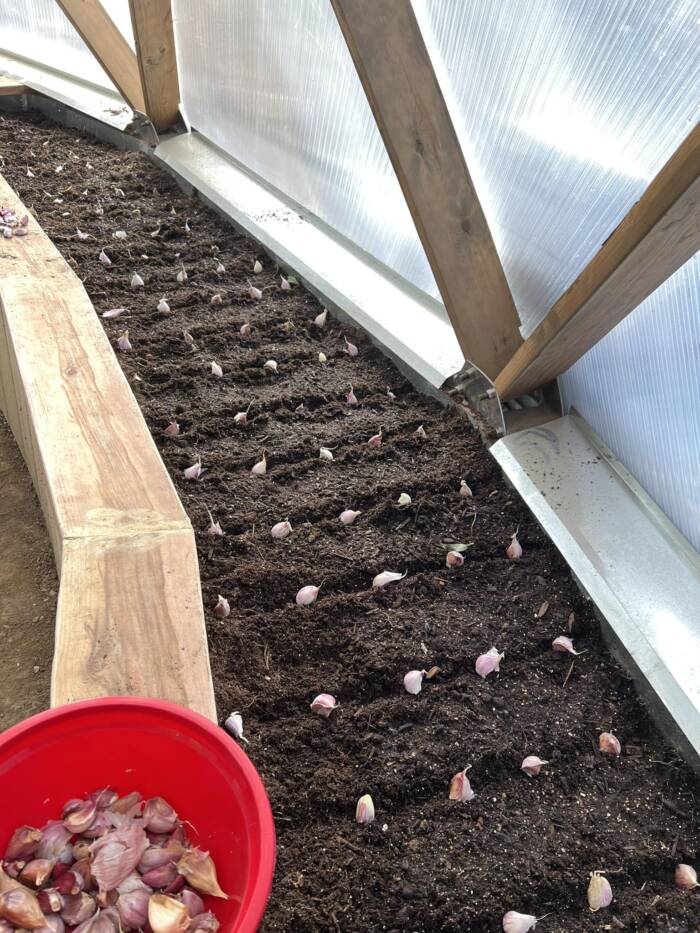
To keep rodents out of your greenhouse, it's essential to implement a multi-faceted approach that combines physical barriers, environmental management, and repellent strategies. Rodents, such as mice and rats, can cause significant damage to plants and may introduce diseases, making it crucial to deter their presence effectively.
1. Install Physical Barriers
One of the most effective ways to keep rodents out is to create solid physical barriers. This can include:
- Wire Mesh: Use 1/4-inch galvanized wire mesh to cover vents, doors, and any openings. Ensure it is secured tightly to prevent any intrusions.
- Sealing Cracks: Inspect the greenhouse for any gaps or cracks. Seal them with caulking or foam to eliminate potential entry points.
- Raised Beds: Build your planting beds on platforms to prevent rodents from accessing your plants directly from the ground level.
2. Manage Surrounding Vegetation
Keeping the area around your greenhouse well managed can deter rodents by minimizing their habitat. Consider the following:
- Trim Vegetation: Regularly cut back tall grasses, weeds, and shrubs near the greenhouse, as they can provide shelter for rodents.
- Remove Debris: Clear away any piles of wood, stones, or other debris that can serve as nesting sites.
- Maintain Cleanliness: Keep the area around your greenhouse free from spilled seeds, fallen fruits, or other food sources that attract rodents.
3. Use Traps and Baits
Utilizing traps is a direct way to handle any rodents that manage to enter the greenhouse. Here’s what to do:
- Snap Traps: Set up traditional snap traps with bait (such as peanut butter) along walls and entry points.
- Live Traps: Consider using live traps to capture and release rodents if you prefer a humane approach.
- Bait Stations: Use poison bait stations enclosed in tamper-resistant containers for safety. Be cautious, especially if you have pets.
4. Implement Natural Deterrents
Natural deterrents can help keep rodents at bay without harming them or other wildlife. The following methods can be effective:
See also:
- Essential Oils: Spraying peppermint or eucalyptus oil around entry points can deter rodents due to their strong smell.
- Predatory Animals: Encourage the presence of natural predators like cats or owls by installing owl boxes or adopting a cat that can help control rodent populations.
- Plant Deterrents: Incorporate plants known to repel rodents, such as lavender or mint, around the greenhouse perimeter.
5. Regular Monitoring and Maintenance
Consistent monitoring is key to identifying and addressing rodent issues before they escalate. Implement the following practices:
- Conduct Inspections: Frequently check your greenhouse for signs of rodent activity, such as droppings or gnaw marks.
- Maintain Your Barriers: Regularly inspect and repair any physical barriers to ensure they remain effective against rodents.
- Document Problems: Keep a record of any rodent activity to help identify patterns or specific issues that need to be addressed.
Do mice go in the greenhouse?

Mice are indeed known to enter greenhouses. These small rodents are attracted to areas that provide shelter and food, and a greenhouse often presents the perfect environment for them. The warm and humid conditions inside greenhouses, along with the presence of various plants and possibly even leftover organic matter, can contribute to their allure.
Reasons Mice Enter Greenhouses
Mice enter greenhouses for several compelling reasons. Understanding these motivations can help in managing their presence effectively.
- Food Sources: Greenhouses often contain plants that provide food, including vegetables, fruits, and seeds.
- Shelter: The structure of a greenhouse offers mice protection from predators and harsh weather conditions.
- Warmth: During cooler months, greenhouses tend to be warmer, making them an appealing habitat for mice seeking warmth.
Signs of Mice Infestation
Detecting the presence of mice in a greenhouse can be quite straightforward if one knows what to look for.
- Droppings: Mice droppings are small, dark, and resemble grains of rice; finding these is a clear indicator of their presence.
- Chewing Marks: Mice have continuously growing teeth, which leads them to gnaw on plant stems, packaging, and greenhouse materials.
- Nesting Materials: Mice often gather materials such as leaves, grass, and paper to build nests in secluded areas.
Preventive Measures for Greenhouses
To reduce the likelihood of mice entering a greenhouse, specific preventive measures can be implemented.
- Sealing Entry Points: Inspect the greenhouse for any gaps or holes that could allow entry and seal them appropriately.
- Maintaining Cleanliness: Regularly clean the greenhouse to eliminate food sources and nesting materials that attract mice.
- Using Traps: Employing traps can be an effective method to monitor and control the mouse population in the greenhouse.
Impact of Mice on Greenhouse Plants
Mice can have several adverse effects on the plants cultivated in a greenhouse, which can affect the overall health and yield.
- Damage to Plants: Mice may chew on tender stems and foliage, which can stunt growth or kill plants.
- Spread of Disease: Mice can carry diseases that may be transmitted to plants, adversely affecting their health.
- Contamination: Their droppings can contaminate soil and plant surfaces, posing health risks for consumers.
Common Species of Mice in Greenhouses
Several species of mice may be found in greenhouses, each with unique characteristics and habits.
- House Mouse: This is the most common type, known for being adaptable and often found in indoor spaces.
- Field Mouse: Typically found in grassy areas, field mice may venture into greenhouses seeking food.
- Deer Mouse: More often associated with rural settings, deer mice can also invade greenhouses, especially those near fields.
Do greenhouses keep pests away?

Greenhouses are structures designed to create an optimal environment for plant growth by controlling temperature, humidity, and light levels. However, one important aspect for many gardeners is whether greenhouses can effectively keep pests away from their plants. While greenhouses can provide some level of protection against certain pests, they do not completely eliminate them. Here’s a detailed exploration of this topic.
How Greenhouses Help Manage Pests
Greenhouses can significantly reduce the incidence of pests through their controlled environment. They create a barrier that prevents many outdoor pests from entering, such as insects and some small animals. Additionally, many greenhouses incorporate features that can enhance pest management.
- Physical Barriers: The walls and roofs of greenhouses act as a barrier against flying insects like aphids and whiteflies.
- Environmental Control: Maintaining optimal conditions can discourage certain pests that thrive in specific climates.
- Beneficial Insects: Some greenhouses allow for the introduction of beneficial insects that can help control pest populations.
Types of Pests Commonly Found in Greenhouses
Despite the protective benefits of greenhouses, some pests can still find their way inside. Common greenhouse pests include aphids, spider mites, and whiteflies, which can thrive in the warmer conditions provided by greenhouses. Understanding these pests is key to implementing effective management strategies.
- Aphids: These small, soft-bodied insects can reproduce quickly and damage plants by sucking sap.
- Spider Mites: Often found on the undersides of leaves, these pests are harder to see but can cause significant damage.
- Whiteflies: These pests not only feed on plants but can also transmit various plant viruses.
Integrated Pest Management (IPM) in Greenhouses
Integrated Pest Management (IPM) is a holistic approach that combines various strategies to control pests in greenhouses. By focusing on prevention and monitoring, IPM reduces reliance on chemical pesticides.
See also:
- Monitoring: Regularly checking plants for signs of pests allows for early detection and management.
- Sanitation: Keeping the greenhouse clean helps prevent pest infestations and disease outbreaks.
- Natural Predators: Introducing natural enemies to pests can help balance their populations and reduce damage.
Environmental Factors Affecting Pest Population in Greenhouses
The conditions within a greenhouse significantly influence pest populations. Factors like temperature, humidity, and ventilation interact to either promote or inhibit pest development. Managing these environmental factors is crucial for keeping pest numbers low.
- Temperature: Warmer temperatures can accelerate pest reproduction, making temperature control vital.
- Humidity: High humidity levels can favor pest survival, while lower humidity can make conditions less hospitable.
- Ventilation: Proper air circulation helps prevent conditions that encourage pest infestations, such as stagnation.
Limitations of Greenhouses in Pest Control
While greenhouses provide advantages in controlling pests, they are not a foolproof solution. There are various limitations to consider in their effectiveness against pests.
- Insect Entry: Some pests can still enter through vents, doors, or other openings in the greenhouse.
- Resistance: Pests may develop resistance to pesticides or control methods used within the greenhouse.
- Trade-offs: Creating an ideal environment for plants may inadvertently favor pests, leading to population spikes.
What do rodents hate most?
:max_bytes(150000):strip_icc()/SPR-smells-that-mice-hate-8716926-illo-febfa5b011c843268a8f629258dab7bc.jpg)
Rodents, such as rats and mice, are notorious for invading homes and gardens. Understanding what they hate the most can help in managing their presence effectively. Here are some factors that rodents strongly dislike:
1. Strong Scents
Rodents have a keen sense of smell and are highly sensitive to certain scents. They tend to avoid areas that have strong odors, particularly those emanating from natural substances.
- Peppermint Oil: This essential oil is often recommended as a natural repellent. The intense smell disrupts their ability to detect food and shelter.
- Garlic: The pungent aroma of garlic is off-putting to rodents, making them less likely to approach treated areas.
- Ammonia: A harsh and sharp odor, ammonia can mimic the scent of predator urine, causing rodents to steer clear.
2. Predatory Threats
Rodents instinctively fear predators, which can greatly influence their behavior and habitat choices.
- Natural Predators: Animals such as cats, owls, and snakes instill fear in rodents and can act as a natural form of control in outdoor spaces.
- Fake Predators: Using decoys, like plastic owls or predator urine, can create an intimidating environment for rodents.
- Exposure: Their fear is heightened when they are in open areas where they have little to no cover to hide from potential threats.
3. Loud Noises
Rodents are generally skittish and easily scared by sudden noises, which makes sound a valuable tool in deterring them.
- Ultrasonic Repellents: These devices emit high-frequency sounds that are inaudible to humans but can be irritating to rodents.
- Rattling Sounds: Even simple objects that rattle, like cans filled with coins, can help deter them from entering an area.
- Human Activity: Frequent human presence and activities can also create disturbances that make rodents feel unsafe in the vicinity.
4. Unfavorable Environments
Rodents are opportunistic creatures that prefer hiding in environments that provide shelter and easy access to food.
- Clutter: Disorganized spaces with plenty of hiding spots can attract rodents. Regularly cleaning and decluttering areas can make them less welcoming.
- Storage: Tightly sealed containers can prevent rodents from accessing food supplies, discouraging them from settling nearby.
- Outdoor Maintained Spaces: Well-maintained gardens and yards reduce potential habitats, making it less likely for rodents to invade.
5. Inaccessible Food Sources
The availability of food is a primary reason rodents invade human spaces.
- Sealed Food: Keeping food in airtight containers can deter rodents that rely on scent to locate potential meals.
- Regular Waste Disposal: Frequent removal of garbage limits food sources that might attract rodents.
- Pet Food Management: Storing pet food securely and feeding pets only during set times can reduce incidental feeding opportunities for rodents.
Questions from Our Readers
Do greenhouses attract rodents?
While greenhouses can offer a favorable environment for certain rodents, they do not inherently attract them. Food sources, such as plants and stored seeds, along with potential shelter provided by the structure, can draw rodents if proper precautions are not taken.
What can I do to prevent rodents in my greenhouse?
To prevent rodents in your greenhouse, it is essential to maintain cleanliness by regularly removing debris and fallen plant material. Additionally, sealing any potential entry points and using traps or deterrents can significantly reduce the likelihood of an infestation.
Are there any specific types of rodents that are more commonly found in greenhouses?
Yes, common rodents such as mice and voles are often found in greenhouses, especially if food sources are readily available. These rodents tend to seek out warmth and shelter, making greenhouses a suitable habitat for them.
Can rodents harm my plants in a greenhouse?
Absolutely, rodents can cause considerable damage to plants in a greenhouse by chewing on stems, leaves, and roots. They may also contaminate the environment with droppings, which can introduce disease and negatively impact the health of your plants.
See also:

If you want to read more articles like Do Greenhouses Attract Rodents? Discover the Truth Behind Rodent Infestations in Greenhouses, we recommend you check out our Garden category.
Leave a Reply
Related Articles