What Plants Don't Like Carrots? Discover Companion Planting Tips!

Companion planting is a widely practiced gardening strategy that involves pairing plants to enhance growth, deter pests, and improve overall yields. However, not all plants thrive in close proximity. Carrots, a popular root vegetable, have specific companions that can support their development, but they also have a few adversaries that can hinder their growth. In this article, we will explore which plants do not coexist well with carrots and why. By understanding these relationships, gardeners can make informed choices to create a more productive and harmonious garden environment, ensuring that their carrot crops flourish.
Plants That Don't Thrive with Carrots
Carrots, while excellent for companion planting, can have certain plants that do not fare well in their proximity. Generally, carrots should not be planted near dill, as dill can hinder the growth of carrots and vice versa, due to competition for nutrients and space. Additionally, plants like celery can also struggle when planted too close to carrots, as their different growth requirements may lead to reduced yields. Other plants that may not thrive alongside carrots include parsley and potatoes, as these can attract pests and diseases that affect carrot growth. In designing a garden layout, it is crucial to consider these compatibility issues to ensure healthy and productive plants.
Dill and Carrots
Dill and carrots are often considered incompatible due to their distinct growth patterns and nutrient needs. Dill can inhibit carrot growth, leading to smaller and less flavorful roots. Furthermore, the tall structure of dill can cast shade on growing carrots, ultimately depriving them of necessary sunlight. This competition can stress carrots and hinder their development, making it advisable to keep them at a distance in garden planning.
Celery's Compatibility with Carrots
Celery does not pair well with carrots mainly because both plants require significantly different moisture levels. Celery thrives in consistently moist soil, while carrots prefer well-drained locations. This difference can lead to insufficient growth and increased susceptibility to diseases. Moreover, if planted too close, the competing root systems may lead to stunted growth and poorer harvest quality for both crops, making careful spacing essential.
Parsley and Carrots
Parsley shares a family with carrots (Apiaceae), which could present a problem in a garden setting. While they may grow well initially, planting parsley near carrots can attract similar pests, like the carrot fly, which can compromise both plants. The risk of attracting common diseases and pests makes it advisable to separate these two plants for optimal growth and health.
Potatoes and Carrots
Potatoes and carrots should not be grown together as they can both be affected by similar pests and diseases, particularly fungal issues. These issues can spread between the two crops, reducing both yield and quality. Potatoes require significant space for their extensive root systems, which competes with carrots for nutrients and moisture in the soil, adversely affecting their growth potential.
Best Practices for Carrot Planting
To ensure healthy growth of carrots, it is best to prioritize planting with complementary plants such as onions or leeks, which can help deter pests that harm carrots. Keeping a garden journal can be beneficial for tracking which plants thrive together over time. Designing a crop rotation plan can also mitigate the risk of nutrient depletion and disease spread, helping maintain a healthy garden ecosystem.
| Plant | Compatibility with Carrots |
|---|---|
| Dill | Not compatible |
| Celery | Not compatible |
| Parsley | Not compatible |
| Potatoes | Not compatible |
| Onions | Compatible |
What plants do carrots not like?
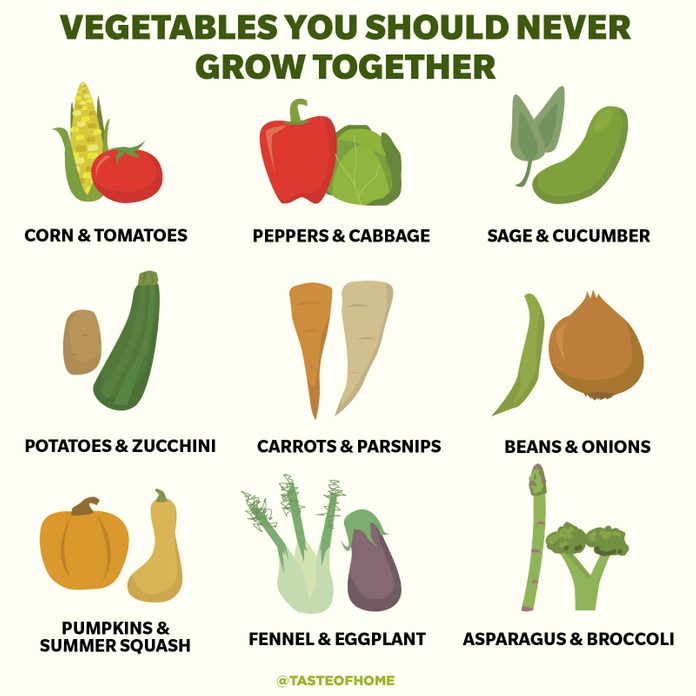
Carrots (Daucus carota) are versatile vegetables that can thrive in a variety of conditions, but their growth can be stunted or hindered when planted alongside certain other plants. Understanding which plants can negatively affect carrot growth is essential for successful gardening. Here are some plants that carrots generally do not like:
1. Onions
Onions and carrots are both popular garden plants, but they do not pair well. The allelopathic effects of onions can inhibit the growth of carrots, leading to poor yields. The sulfur compounds produced by onions can affect the root development of carrots, making them less robust.
See also:
- Growth Inhibition: Onions can release chemicals that inhibit carrot growth.
- Root Development: The sulfur compounds can interfere with carrot root formation.
- Competition: Both plants compete for nutrients and space in the soil.
2. Garlic
Garlic is another member of the Allium family that should not be grown near carrots. Similar to onions, garlic can emit compounds that negatively affect the growth of carrot roots, reducing their size and flavor.
- Allelopathy: Garlic may release substances that hinder carrot growth.
- Taste Alteration: Carrots may develop undesirable flavors when grown near garlic.
- Resource Competition: Both plants may vie for similar nutrients and water.
3. Dill
While dill can enhance the flavor of some vegetables, it is best kept away from carrots. The presence of dill can interfere with the nutrient uptake of carrots and may even lead to attract pests, which can adversely affect carrot development.
- Interference: Dill can disrupt nutrient uptake in carrots.
- Pest Attraction: Dill may attract pests that can harm carrot plants.
- Space Competition: Dill may take up valuable space and resources needed by carrots.
4. Celery
Celery is another plant to avoid planting near carrots. They have different water and nutrient requirements; their close proximity can lead to competition, causing stress for both crops.
- Water Needs: Celery requires more water than carrots, leading to competition.
- Nutrient Competition: Both plants may deplete soil nutrients faster when grown together.
- Growth Stimulation: Carrots may not thrive if celery is planted nearby.
5. Parsnips
Carrots and parsnips are closely related, both belonging to the Apiaceae family. Growing them together can lead to confusion in pollination and may attract pests specific to one but harmful to the other.
- Pollination Issues: They may cross-pollinate, affecting future crops.
- Pest Attraction: Similar pests may thrive in areas where these plants coexist.
- Root Competition: Their roots may compete for nutrients and space in the soil.
What pairs well with carrots in the garden?

Companion Planting Benefits
Companion planting refers to the practice of growing different plants together for mutual benefit. When it comes to carrots, planting them alongside other compatible plants can enhance growth, deter pests, and improve flavor. This method not only maximizes garden space but also fosters a healthier environment for the crops. The following list outlines the primary benefits of companion planting with carrots:
- Improved Pest Control: Certain plants can repel harmful insects that target carrots.
- Enhanced Growth Rates: Some companions can boost the growth potential of carrots by providing shade or nutrients.
- Better Soil Health: Diverse plants can improve soil composition and its ability to retain moisture.
Onions and Garlic
Both onions and garlic are excellent companions for carrots due to their strong scents. These plants emit natural compounds that repel various pests like carrot flies and aphids, which are notorious for damaging carrot crops. Additionally, onions and garlic can thrive in similar soil and growing conditions, making them an ideal duo in the garden. Consider the following points regarding their compatibility with carrots:
- Natural Pest Deterrence: The aroma from onions and garlic keeps pests away from your carrot plants.
- Similar Growing Conditions: Both require well-drained soil and similar water needs.
- Flavor Enhancement: Carrots grown near garlic and onions may develop a sweeter flavor profile.
Tomatoes
Tomatoes are another beneficial companion for carrots. These two vegetables can coexist in the garden without competing for nutrients or light. Furthermore, tomatoes can provide some shade to carrots during the hotter months, helping to prevent them from bolting. The advantages of growing tomatoes alongside carrots include:
- Shade Protection: Tomato plants can shield carrots from extreme sunlight.
- Space Optimization: They can be planted in close proximity, maximizing garden space.
- Diversity of Harvest: Both crops mature at different times, allowing for staggered harvesting.
Radishes
Radishes are often planted alongside carrots due to their rapid growth and ability to break up compact soil, promoting better drainage and air circulation around the carrot roots. They can serve as a marker that indicates where carrots are growing, preventing accidental digging up of the slower-growing carrots. The benefits of radishes in conjunction with carrots include:
- Soil Aeration: Radish roots help to loosen soil, aiding carrot root growth.
- Quick Harvest Cycle: Harvesting radishes before carrots provides timely access to garden space.
- Pest Confusion: The quick growth of radishes can distract pests from the slower carrots.
Leeks
Leeks are another favorable companion for carrots, sharing similar soil and watering requirements. They not only help to deter pests but also improve the overall health of the garden ecosystem. The shared traits and benefits of growing leeks with carrots include:
See also:
- Pest Repellent: Leeks create a barrier against pests that typically plague carrots.
- Resource Compatibility: Both plants thrive in similar soil conditions and moisture levels.
- Natural Synergy: Growing leeks can lead to healthier carrot crops through enhanced biodiversity.
What is the mistake for carrots growing?
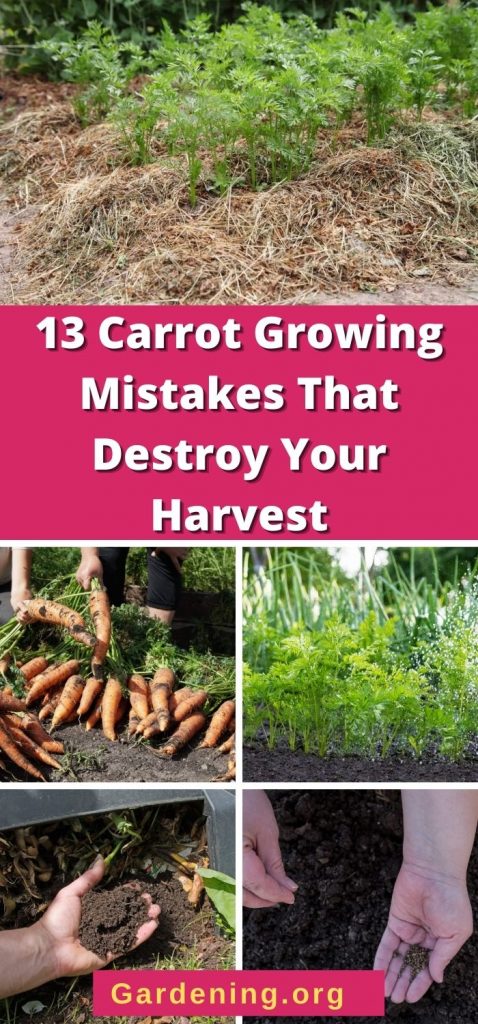
Growing carrots can be a rewarding endeavor, but many gardeners make common mistakes that can lead to poor yields and stunted growth. One significant mistake is improper soil preparation. Carrots thrive in loose, sandy soils that allow for easy root expansion. If the soil is too compact or filled with rocks, it can stifle the development of the taproot, leading to misshapen and stunted carrots. Moreover, inadequate drainage and improper pH levels can also hinder growth.
Improper Soil Preparation
A common mistake in growing carrots is not adequately preparing the soil. Carrots require a well-aerated and loamy soil to grow properly.
- Soil Compaction: If the soil is compacted, carrots may struggle to grow straight and deep.
- Presence of Rocks: Rocks and debris can cause deformities in carrot roots.
- pH Level: Carrots prefer a slightly acidic to neutral pH (6.0 to 7.0); an improper pH can affect nutrient uptake.
Inadequate Watering Practices
Another frequent mistake is improper watering. Carrots need consistent moisture without waterlogging to grow properly.
- Too Much Water: Overwatering can lead to root rot and other fungal diseases.
- Too Little Water: Underwatering can cause the carrots to become tough and woody.
- Irrigation Timing: Watering at the wrong times, such as late in the day, can lead to evaporation losses.
Spacing Issues
Improper spacing between seeds is another common error. Carrots need enough room to grow freely without competition.
- Crowding: If seeds are sown too close together, the carrots may not develop properly.
- Thinning: Failing to thin out seedlings can lead to stunted growth and misshapen roots.
- Row Planning: Inadequate rows can result in competition for nutrients and light.
Pest and Disease Management
Ignoring pests and diseases can severely impact carrot growth. Many pests are attracted to carrot crops, and diseases can spread quickly.
- Carrot Fly: This pest can burrow into the roots, causing significant damage.
- Fungal Infections: Diseases like downy mildew can stunt growth and affect yield.
- Preventive Measures: Regular inspections and preventive sprays can help manage both pests and diseases.
Neglecting Nutrient Requirements
Failing to provide adequate nutrients can lead to poor carrot quality. Carrots require specific nutrients during different growth stages.
- Nitrogen Levels: Too much nitrogen can lead to foliage growth at the expense of root development.
- Mineral Deficiencies: Lack of potassium or phosphorus can affect overall growth and storage quality.
- Organic Matter: Adding organic matter like compost can improve nutrition and soil structure.
Questions from Our Readers
What plants should not be planted near carrots?
Carrots should not be planted near poultry herbs like dill, as they can inhibit each other's growth. Similarly, potatoes, which can compete for nutrients, are not ideal neighbors for carrots in a garden.
Are there any specific herbs that repel carrots?
Yes, certain herbs like dill and fennel can be problematic for carrots. The presence of these herbs can lead to poor growth and lower yields because they release chemicals that can interfere with carrot development.
Can carrots affect the growth of other plants?
Yes, while carrots can be sensitive to certain plants like celery and potatoes, they can also benefit nearby crops. For example, planting them with onions can help deter pests and enhance growth due to their complementary nature.
See also:
What flowers should be avoided near carrot plants?
Flowers such as marigolds, while beneficial for many plants, may not be the best choice near carrots. They can attract pests that are detrimental to carrots, potentially leading to decreased vitality and productivity in carrot crops.

If you want to read more articles like What Plants Don't Like Carrots? Discover Companion Planting Tips!, we recommend you check out our Garden category.
Leave a Reply
Related Articles