What Not to Plant Next to Corn? Essential Guide for Successful Gardening

When it comes to gardening, understanding plant compatibility is crucial for a thriving harvest. Corn, a staple crop in many gardens, has specific requirements and companions that can enhance or hinder its growth. In this essential guide, we will explore what not to plant next to corn, highlighting the common mistakes gardeners make. By steering clear of incompatible plants, you can prevent issues such as pest infestations, reduced yields, and stunted growth. Arm yourself with the knowledge needed to create a harmonious garden environment where your corn can flourish alongside beneficial companions while avoiding detrimental neighbors.
What Should You Avoid Planting Next to Corn?
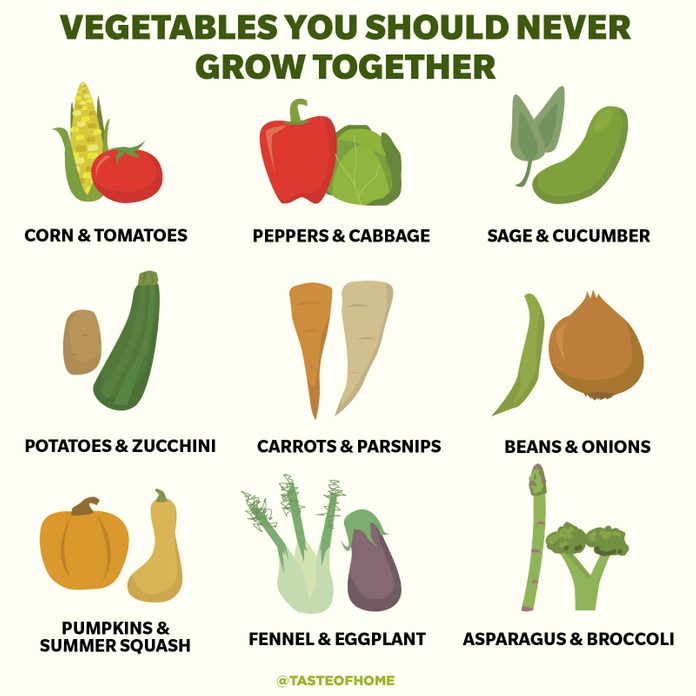
When planning your garden, it's essential to consider the plants that can negatively impact the growth and health of your corn. Some plants can compete for nutrients, attract pests, or trigger diseases that could affect your corn crop. For example, tomatoes, potatoes, and peppers belong to the same family (Solanaceae) and can share pests that may devastate your corn. Similarly, sunflowers can overshadow young corn plants, creating unfavorable growth conditions. Understanding these relationships can help you make informed decisions for companion planting and ensure a healthy garden ecosystem.
Sunflowers and Corn
Planting sunflowers next to corn might initially seem beneficial due to their similar growth habits; however, sunflowers can overshadow young corn plants, inhibiting their sunlight exposure. This can lead to poor growth and reduced yields, as corn relies on ample sunlight for photosynthesis during its critical growing stages. Additionally, sunflowers may attract pests that can be detrimental to corn, further complicating their relationship in the garden.
Tomatoes and Corn
Tomatoes should be avoided near corn due to the shared vulnerability to pests, particularly the corn earworm and aphids, both of which can thrive in the same environment. The proximity of these plants increases the risk of pest infestations, which can compromise not only the corn's health but also the overall productivity of your garden. Keeping tomatoes at a distance may help reduce the likelihood of these pests colonizing your crop.
Potatoes and Corn
Growing potatoes near corn can lead to several issues, primarily due to the potential for disease transmission. Potatoes are prone to specific diseases such as blight, which can affect corn if the two crops are planted too closely. Moreover, both crops require significant nutrient uptake, leading to competition for vital resources in the soil. This can result in suboptimal growth for both plants, making it wise to space them apart to ensure healthy development.
Peppers and Corn
Peppers and corn belong to the same plant family, which raises the risk of attracting common pests like aphids and spider mites. These pests can propagate quickly when both plants are present, negatively affecting their growth and yielding potential. Furthermore, peppers require similar nutrients to corn, leading to significant competition that can stunt the growth of both crops. It is advisable to plant these two types of crops in different areas of your garden for optimal health.
Beans and Corn
While beans are often thought of as companion plants due to their ability to fix nitrogen in the soil, they can also attract certain pests that may be harmful to corn. For instance, the corn rootworm can be drawn to areas with beans present. Additionally, both plants have different growth requirements and can compete for space and nutrients, potentially leading to poor development of either crop. Keeping beans away from corn is a preventive measure against these complications.
| Plant | Reason for Avoidance |
|---|---|
| Sunflowers | Overshadowing and pest attraction |
| Tomatoes | Shared pests and disease risks |
| Potatoes | Disease transmission and nutrient competition |
| Peppers | Common pest attraction and nutrient competition |
| Beans | Pest attraction and growth competition |
What is best to grow next to corn?
:max_bytes(150000):strip_icc()/GettyImages-513948151-affcf78094aa46bea4a03b7bb6a928ee.jpg)
Growing corn, known scientifically as Zea mays, involves understanding companion planting to maximize yields and manage pests. When selecting plants to grow alongside corn, it is beneficial to choose species that will not only thrive in similar environmental conditions but will also contribute positively, either by providing nutrients, repelling pests, or improving the overall health of the corn crop.
Benefits of Planting Legumes with Corn
Planting legumes, such as beans or peas, alongside corn can provide significant benefits due to their ability to fix nitrogen in the soil. This is particularly helpful for corn, which has a high nitrogen demand.
- Nitrogen Fixation: Legumes convert atmospheric nitrogen into a form usable by plants, promoting corn growth.
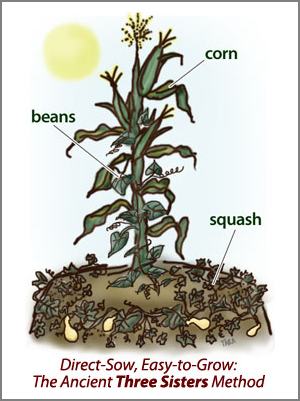
- Space Efficiency: Beans can climb up the corn stalks, maximizing vertical space and sunlight exposure.
- Pest Control: Some legumes can deter pests that typically target corn.
Utilizing Squash as a Companion Plant
Squash varieties, including zucchini and pumpkin, are often integrated into corn fields due to their broad leaves which provide shade and suppress weeds.
- Weed Suppression: The large leaves of squash create shade that limits weed growth around corn.
- Moisture Retention: Squash plants help maintain soil moisture, benefiting all crops in the vicinity.
- Diversity: Planting squash increases biodiversity, which can generally improve resilience against diseases.
Intercropping with Sunflowers
Sunflowers (Helianthus annuus) can be a great accompaniment to corn, providing numerous advantages in both aesthetic and practical ways.
- Pollinator Attraction: Sunflowers attract beneficial insects that pollinate corn.
- Windbreaks: Tall sunflowers can act as a windbreak, protecting corn from strong gusts.
- Soil Improvement: Sunflowers can contribute organic matter to the soil, enriching it over time.
Planting Herbs for Pest Control
Certain herb varieties, such as basil, cilantro, and dill, can enhance the corn ecosystem by repelling pests and attracting beneficial insects.
See also:
- Natural Pest Deterrents: Many herbs emit strong scents that deter corn pests, reducing the need for chemical treatments.
- Attracting Beneficial Insects: Herbs entice pollinators and predators of common pests, which helps maintain a healthy corn crop.
- Soil Enhancements: Some herbs have deep roots that can break up compacted soil, promoting better drainage and nutrient uptake for corn.
Considerations for Growing Potatoes Nearby
While not traditionally associated as companions, potatoes can be intercropped with corn under certain conditions, particularly in smaller garden settings.
- Space Utilization: Potatoes grow underground, allowing them to share space with corn efficiently.
- Nutrient Sharing: Both crops have different nutrient requirements, which can reduce competition.
- Potential Pests: However, care must be taken as both can attract similar pests, so monitoring is essential.
What plants should you avoid with corn?
Corn (Zea mays) is a staple crop that thrives in many gardens and agricultural settings. However, certain plants can negatively affect its growth when interplanted or grown in proximity. Here are some plants you should avoid planting near corn.
Beans
Beans, particularly pole beans, can conflict with corn's nutrient needs and growth conditions. While beans can provide nitrogen to the soil, they can also compete with corn for light and water. Additionally, the vining nature of pole beans can hinder corn's growth by overshadowing it.
- Beans often require similar nutrient uptake as corn.
- They can create a shaded environment, impairing light penetration.
- Increased competition can stunt corn's overall growth.
Sunflowers
Sunflowers (Helianthus annuus) can be problematic for corn due to their allelopathic properties. They release certain chemicals into the soil that can suppress corn growth. Furthermore, sunflowers can attract pests that may also harm corn.
- Sunflowers can release chemicals that negatively impact corn's growth.
- They can attract common pests, increasing risks for corn.
- Their tall structure can lead to competition for sunlight.
Potatoes
Planting potatoes (Solanum tuberosum) near corn is not advisable because they can be susceptible to similar pests and diseases. Furthermore, they require significant amounts of nutrients, leading to competition with corn for resources.
- Both crops are susceptible to pests like corn rootworms and potato beetles.
- Potatoes have high nutrient demands, which can starve corn.
- Planting them together can increase the risk of disease transmission.
Tomatoes
Tomatoes (Solanum lycopersicum) should also be avoided near corn due to their shared susceptibility to diseases. Both plants may attract the same pests, such as the tomato hornworm and corn earworm, which can jeopardize their health.
- Common pests can affect both crops, leading to infestations.
- Both plants may face similar disease threats, compounding risks.
- Competition for resources can limit growth potential.
Peppers
Peppers (Capsicum spp.) can hinder corn growth, mainly due to their nutrient needs. They are heavy feeders that may compete for essential resources such as nitrogen and water. This competition can lead to a reduction in the yields of both plants.
- Peppers demand a lot of nutrients, potentially depleting the soil.
- Water competition can impact the health of both crops.
- Reduced light and growth space can affect yields negatively.
What plants to keep away from corn?
Corn, known scientifically as Zea mays, is a staple crop with specific companion planting practices to enhance growth and yield. Certain plants can negatively affect its development, either by competition for resources or by attracting pests. It's essential to know which plants should be kept away from corn to ensure a healthy and productive crop.
Plants that Compete for Nutrients
Some plants can overtake the nutrient availability in the soil, leading to stunted growth for corn. It's crucial to identify these nutrient-hungry species and avoid planting them nearby.
- Wheat - This cereal grass can compete intensely with corn for nitrogen and other essential nutrients.
- Barley - Similar to wheat, barley's roots can consume significant nutrition, affecting corn’s growth.
- Oats - Like other grains, oats can draw away nutrients from the soil needed by corn plants.
Plants Attracting Pests
Certain plants can attract pests that significantly harm corn, making them unfavorable neighbors in any garden. Understanding these plants can help in pest management.
- Tomatoes - They can attract corn earworms, which may migrate to cornstalks and damage the ears.
- Potatoes - Potato beetles may be drawn to potatoes and can also attack corn plants nearby.
- Peppers - These may lure spider mites that can spread to corn, leading to fungal infections.
Plants that Impede Corn Growth
Some plants produce chemicals that inhibit the growth of corn through allelopathy. Avoiding these species can promote healthier corn plants.
See also:
- Tomato - Besides attracting pests, tomatoes exude compounds that can hinder corn growth.
- Cacalia - This plant releases allelopathic chemicals that negatively affect the growth of corn.
- Hemp - Known for its substantial growth rate, hemp can overshadow corn, creating shading issues.
Soil-Building Companions to Avoid
Plants beneficial for soil health can sometimes crowd or outcompete corn. Recognizing these can help in planning crop rotations effectively.
- Clover - While it enriches soil, clover can compete heavily with corn for space and light.
- Fava Beans - As a cover crop, they may fix nitrogen but can also overwhelm young corn seedlings.
- Alfalfa - This deep-rooted perennial can monopolize root space and nutrients, disadvantaging corn.
Timing of Planting with Corn
Understanding the timing of planting can also influence the health of corn crops. Certain timing conflicts may hinder corn’s success.
- Early Season Weeds - Plants like crabgrass can germinate around the same time as corn, outcompeting it.
- Late Sown Crops - Plants sown late can lead to competition for remaining sunlight and nutrients.
- Overlapping Growth Periods - Crops that grow at the same time as corn can interfere with its maturity.
What should not be planted next to peppers?
Peppers are a popular choice for home gardens, but companion planting can significantly affect their growth and yield. Planting certain crops too close to peppers can lead to competition for nutrients, pests, and diseases. Here are some plants you should avoid planting next to peppers:
Tomatoes
Planting tomatoes next to peppers is generally not recommended due to their similar nutrient needs and susceptibility to the same diseases. Both plants are prone to diseases like blight, which can quickly spread from one to the other. Additionally, they compete for resources such as water and soil nutrients, which can result in stunted growth and lower yields.
- Both crops thrive in similar conditions.
- They can pass diseases back and forth.
- Competition for nutrients may reduce fruit yield.
Potatoes
Potatoes should not be planted near peppers due to their vulnerability to similar pests, like the Colorado potato beetle. The presence of potatoes may attract these pests, which can then move on to attack peppers. Additionally, both plants have similar soil nutrient requirements, leading to competition that can stress the plants.
- Attracts similar pests that can harm peppers.
- Competition for moisture and nutrients can reduce growth.
- Increased risk of soil-borne diseases affecting both plants.
Eggplants
Like peppers, eggplants belong to the Nightshade family, and planting them together can potentially increase the chance of disease transmission. They are also susceptible to the same pests, such as aphids and spider mites, which can create a significant challenge for upkeep and plant health.
- They share susceptibility to similar pests and diseases.
- Compete for similar nutrients in the soil.
- May lead to reduced plant vigor and fruiting potential.
Fennel
Fennel is often considered a poor neighbor for peppers due to its tendency to inhibit the growth of nearby plants through allelopathy. This means fennel produces substances that can hinder the growth of neighboring crops, including peppers, leading to reduced health and yield.
- Produces chemicals that can inhibit growth.
- Can stunt the development of nearby crops.
- Improves chances for pest and disease infestations.
Cilantro
While cilantro is a common herb used in cooking, it should be kept at a distance from peppers. Cilantro can attract pests that may also prey on peppers, which can increase the pest pressure on the pepper plants. Additionally, cilantro tends to attract beneficial insects, which may not aid in the growth of peppers.
- Can attract pests harmful to peppers.
- Makes the environment more competitive for nutrients.
- Potentially disrupts beneficial insect balance.
Questions from Our Readers
What plants should I avoid planting next to corn?
Planting beans, tomatoes, and potatoes next to corn can lead to poor growth and a higher risk of pests. These plants compete for nutrients and can attract the same harmful insects, making it harder for your corn to thrive.
Why are beans considered a bad companion for corn?
Beans are generally considered a bad companion for corn due to their nitrogen-fixing ability, which can lead to an imbalance of nutrients in the soil. Additionally, the shade provided by corn can negatively affect the growth of bean plants, as they require more sunlight.
Can I plant squash near corn?
Planting squash near corn is not recommended since both plants may compete for space and resources. Moreover, the sprawling nature of squash can hinder corn’s access to sunlight and air circulation, leading to potential diseases in both crops.
What negative effects can occur from planting potatoes next to corn?
Potatoes and corn can attract the same pests, like the corn earworm, leading to an increased risk of infestations. This close proximity may also affect plant health and yield, as both plants can stress each other when grown together.
See also:

If you want to read more articles like What Not to Plant Next to Corn? Essential Guide for Successful Gardening, we recommend you check out our Garden category.
Leave a Reply
Related Articles