What is the easiest fruit to grow in your garden? A Comprehensive Guide for Beginners

Growing your own fruit can be a rewarding and enjoyable experience, especially for beginners. With the right guidance, choosing the easiest fruit to cultivate in your garden can lead to a bountiful harvest. This comprehensive guide will explore various fruit options that require minimal effort and care, making them ideal for novice gardeners. From simple berries to resilient stone fruits, you'll discover which plants thrive in different climates and soil conditions. Equip yourself with helpful tips and insights to transform your garden into a fruitful haven, ensuring your journey into gardening is both simple and successful.
What is the Easiest Fruit to Grow in Your Garden?
Growing fruit in your garden can be an enjoyable and rewarding experience, and one of the easiest options to start with is strawberries. Strawberries thrive in a variety of conditions, requiring minimal care and attention. They can be grown in the ground or in containers, making them versatile for different garden spaces. With ample sunlight, well-drained soil, and regular watering, strawberries will produce sweet and juicy fruits within just a few months of planting. Their ability to propagate through runners also means you can expand your patch with little effort, making them a fantastic choice for novice gardeners.
Why Strawberries are Ideal for Beginners
Strawberries are ideal for beginners due to their fast growth and relatively simple care requirements. They can start producing fruit in as little as four to six weeks after planting, which is quicker than many other fruits. The plants are hardy and adaptable, thriving in various climates and soil types. Additionally, their ability to grow in containers gives gardeners with limited space an opportunity to cultivate them easily.
Best Conditions for Growing Strawberries
To grow the best strawberries, you'll want to ensure they receive at least 6-8 hours of sunlight daily. They prefer slightly acidic soil with a pH level between 5.5 and 6.8. Good drainage is crucial to prevent root rot, so plant them in a raised bed or container if this is a concern. Regular watering is important, especially during dry spells, but avoid overwatering as it can lead to fungal diseases.
Common Varieties of Strawberries
There are several popular varieties of strawberries that are easy to grow, including June-bearing, ever-bearing, and day-neutral strawberries. June-bearing types produce a large crop in late spring to early summer, while ever-bearing varieties can yield fruit throughout the growing season. Day-neutral strawberries are notable for producing fruit continuously as long as the temperature remains moderate, giving you a longer harvest period.
See also:
Caring for Your Strawberry Plants
Caring for strawberry plants involves proper watering, mulching, and fertilization. Watering should be consistent but moderate, aiming for about 1 inch of water per week. Applying mulch helps retain soil moisture and suppress weeds, both of which are beneficial for healthy plant growth. Fertilizing with a balanced fertilizer in early spring will encourage robust fruit production, but be careful not to over-fertilize, as this can lead to excessive foliage growth with fewer berries.
Pest and Disease Management
While strawberries are relatively easy to grow, they can be susceptible to several pests and diseases. Common pests include aphids and spider mites, which can be managed through organic insecticidal soap. Fungal diseases such as powdery mildew and grey mold should be prevented by ensuring good air circulation and avoiding overhead watering. Routine inspections of the plants will help catch any issues early before they can affect the entire crop.
| Key Aspect | Details |
|---|---|
| Sunlight | 6-8 hours per day |
| Soil pH | 5.5 to 6.8 |
| Water | 1 inch per week |
| Harvest Time | 4-6 weeks after planting |
| Common Pests | Aphids, spider mites |
Top Easiest Fruits to Start Growing in Your Garden
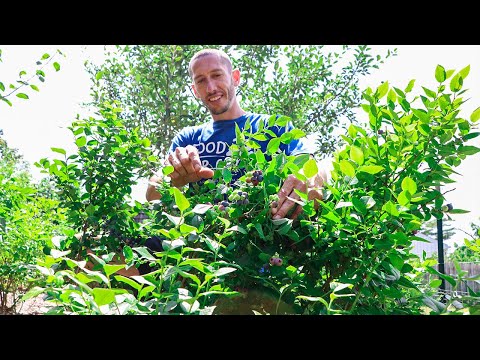
Growing fruit in your garden can be both rewarding and enjoyable, especially for beginners. Certain types of fruit are particularly easy to cultivate, as they often require minimal maintenance and thrive in various climates. For new gardeners looking to embark on this journey, considering fruits like strawberries, raspberries, and blueberries can be a wise choice. These fruits not only grow quickly but also produce an ample harvest, allowing you to experience the satisfaction of picking fresh produce right from your own garden. Their resilience and adaptability make them ideal for novice gardeners who might feel intimidated by more demanding crops.
Choosing the Right Location for Your Fruit Garden
The location of your fruit garden plays a crucial role in determining the success of your plants. Most fruit-bearing plants thrive in areas that receive full sun, at least six to eight hours a day. Additionally, selecting a well-drained area can help prevent root rot and other issues associated with waterlogged soil. Consider the climate of your region when choosing plants; some fruits prefer warmer temperatures whereas others can withstand cooler conditions. Providing adequate spacing between plants ensures they have room to grow while promoting good air circulation.
Soil Preparation for Easiest Fruit Growth
Proper soil preparation is essential for fruitful growth. Begin by testing your soil’s pH level to determine its acidity, as different fruits thrive better in certain pH ranges. Most fruit plants enjoy loamy soil rich in organic matter, so adding compost or well-rotted manure can greatly enhance the nutrient content. Ensure the soil is loose and well-aerated to facilitate root development. Working in these amendments before planting will provide a strong foundation for your fruit plants, supporting their growth and yield.
See also:
Watering Requirements for Fruit Plants
Understanding the watering needs of your fruit plants is critical for their health and productivity. Newly planted fruits typically require more frequent watering until they establish themselves, often needing a deep soak once a week. However, over-watering can lead to root rot; therefore, it's important to monitor the moisture level of the soil. Consider using mulch to retain moisture and regulate soil temperature, which can also suppress weeds that compete for nutrients. Adjust your watering schedule according to seasonal changes, ensuring your plants receive adequate hydration during hotter months.
Pest and Disease Management in Fruit Gardens
Like any garden, fruit plants are susceptible to various pests and diseases. Regularly inspecting your plants for signs of infestation or distress allows for early intervention. Employing organic pest control methods, such as introducing beneficial insects like ladybugs, can help manage pest populations without the use of harmful chemicals. Furthermore, maintaining good garden hygiene, including cleaning up fallen fruit and debris, reduces the risk of disease and keeps your garden healthy. Familiarizing yourself with the common pests and diseases associated with your chosen fruits will enable you to take proactive measures in maintaining your garden.
Harvesting Your Fruit: Timing and Techniques
Knowing when and how to harvest fruit is vital for enjoying the best flavors and textures. Different fruits have various indicators signaling their ripeness, such as color, size, and firmness. Most fruit is best harvested in the morning when the temperature is cooler, helping to preserve its natural juiciness. Use clean, sharp tools to make the process easier and to minimize damage to the plant. Proper harvesting techniques not only ensure you enjoy your fruit at its best, but they also encourage further production from the plant, supporting a continuing cycle of growth in your garden.
Questions from Our Readers
What is the easiest fruit to grow in your garden?
The easiest fruit to grow in your garden is often considered to be strawberries. They are not only delicious but also require minimal maintenance, making them ideal for beginners. With proper care, strawberries can yield fruit in just a few months after planting.
Do fruit trees require a lot of maintenance?
Fruit trees do require some maintenance, but the level can vary widely depending on the type of tree. For instance, apple trees generally need regular pruning, pest control, and fertilization, while others like fig trees can thrive with less intervention. Overall, the right choice can lead to a less demanding gardening experience.
See also:
Can you grow fruit in containers?
Yes, you can grow fruit in containers, and many fruit-bearing plants thrive in pots. Varieties like dwarf citrus trees, strawberries, and even cherry tomatoes can produce fruit successfully when provided with adequate sunlight, water, and nutrients, making them a perfect choice for small spaces.
What fruit grows the fastest?
Raspberries are among the fastest fruits to grow, often bearing fruit within the first year of planting. They can produce plentiful crops if planted in the right conditions, such as well-drained soil and adequate sunlight, allowing you to enjoy fresh fruit relatively quickly.
If you want to read more articles like What is the easiest fruit to grow in your garden? A Comprehensive Guide for Beginners, we recommend you check out our Garden category.
Leave a Reply
Related Articles