What Kind of Personality Do Gardeners Have? Unveiling the Traits of Passionate Green Thumbs
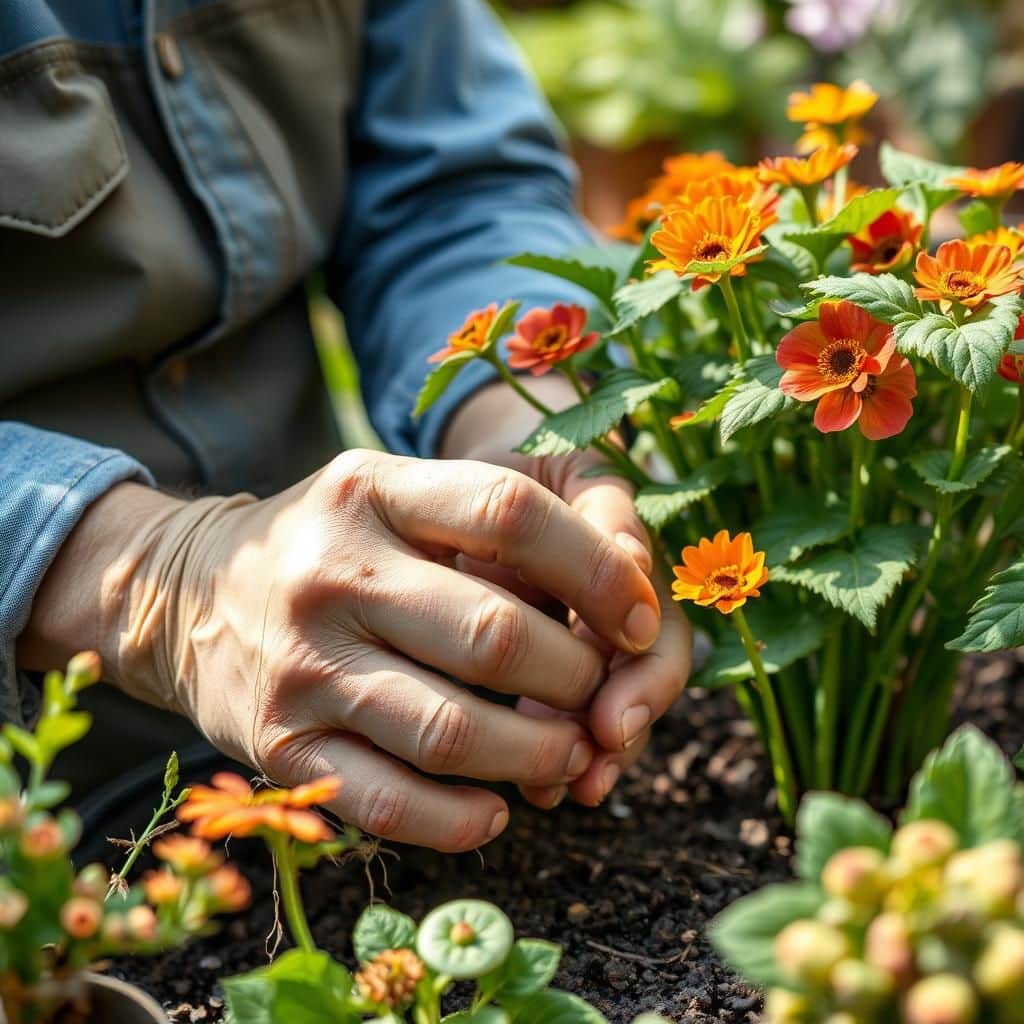
Gardening is often viewed as a serene hobby, but the individuals who cultivate our green spaces possess a unique set of personality traits that set them apart. This article delves into the characteristics commonly found among passionate gardeners, exploring how their affinity for nature, patience, and creativity shape their experiences in the garden. From nurturing plants to nurturing their communities, gardeners often exhibit qualities that reflect their deep connection to the environment. Join us as we uncover the essential traits of these devoted green thumbs, revealing how their personality influences not only their gardening practices but also their lives beyond the garden gate.
Exploring the Personality Traits of Gardeners
Gardeners typically exhibit a variety of distinctive personality traits that reflect their passion for nurturing plants and their connection to nature. They are often characterized by a strong sense of patience, as gardening requires time and consistent effort to see tangible results. Additionally, many gardeners demonstrate a high level of creativity, allowing them to envision and design beautiful landscapes or vibrant flower arrangements. An innate curiosity drives gardeners to learn about different plant species, gardening techniques, and ecological practices, which fosters a lifelong love for nature. These individuals tend to show strong perseverance, overcoming challenges such as pests, weather changes, and soil issues, all while maintaining a positive outlook. Finally, a deep sense of empathy for the environment is common among gardeners, as they recognize the interconnectedness of all living things and strive to cultivate sustainable practices.
Patience in Gardening
Patience is a key personality trait for gardeners, as the process of growing plants demands time and consistent care. From sowing seeds to witnessing the gradual growth, gardeners learn to appreciate the natural rhythms and cycles of life. This ability to wait patiently for the rewards of their labor reflects a deeper understanding of nature’s timetable and the importance of nurturing rather than forcing outcomes.
Creativity and Design Skills
Gardeners often possess a strong creative flair, allowing them to design visually appealing and harmonious garden spaces. They experiment with different plant combinations, colors, and textures to create landscapes that are not only functional but also aesthetically pleasing. This artistic approach not only enhances the beauty of their gardens but also offers a fulfilling outlet for their personal expression and innovation.
Curiosity and Lifelong Learning
A natural curiosity drives many gardeners to constantly seek knowledge about different plant species, gardening techniques, and ecological systems. They enjoy exploring botany, environmental science, and even history, as it relates to gardening practices. This thirst for knowledge fosters a lifelong learning journey, making gardening not just a hobby but an enriching and educational experience.
Resilience in Overcoming Challenges
Gardening often involves facing various challenges, such as dealing with pests, unpredictable weather, or plant diseases. Successful gardeners demonstrate resilience and problem-solving skills, allowing them to adapt and find solutions when problems arise. This trait helps them maintain a positive attitude and continue pursuing their gardening goals, regardless of the obstacles they encounter.
Empathy Towards Nature
Gardeners typically have a strong empathy for the environment and a deep respect for all living beings. They understand the delicate balance of ecosystems and strive to implement sustainable practices that benefit both their gardens and the broader environment. This awareness of their role in nature fosters a sense of connectedness and responsibility towards the planet.
| Personality Trait | Description |
|---|---|
| Patience | Ability to wait for plants to grow and thrive. |
| Creativity | Designing beautiful and harmonious garden spaces. |
| Curiosity | A desire to learn about plants and gardening techniques. |
| Resilience | Overcoming challenges and maintaining a positive outlook. |
| Empathy | A deep respect for nature and sustainable practices. |
What type of person is a gardener?

A gardener is often characterized by a unique blend of traits and passions that revolve around the love for plants, nature, and the environment. This type of person is typically patient, creative, and attentive, as their work requires a significant amount of dedication and care.
Characteristics of a Gardener
A gardener usually possesses a variety of personal qualities that help them excel in their role. These might include:
- Passion for Nature: A strong love for the outdoors and an appreciation for the beauty of plant life drives many gardeners.
- Patience: Gardening requires time and persistence, as plants grow slowly and often need nurturing over extended periods.
- Caring Attitude: A gardener must have a nurturing disposition, as they care for living organisms that depend on them for sustenance.
The Love for Plants
Many gardeners have an innate connection with plants. Their motivations to garden often stem from an obsession with nurturing different varieties of flora.
- Knowledge of Plant Species: They often invest time in learning about various plant species, their growth cycles, and care requirements.
- Experimentation: A gardener may try cultivating unique or rare plants, driven by curiosity and a desire to expand their knowledge.
- Environmental Stewardship: An understanding of the ecological impact of gardening leads many to adopt sustainable practices.
Creativity in Gardening
Creating an aesthetically pleasing garden often requires a significant degree of creativity. Gardeners need to envision how different plants will complement each other in color, texture, and form.
See also:
- Design Skills: They often use landscape design principles to create harmonious spaces.
- Problem Solving: Gardeners must find innovative ways to overcome challenges such as poor soil or climate conditions.
- Artistic Expression: Many view their gardens as a form of personal artistic expression, blending nature and creativity.
Commitment and Responsibility
Being a gardener requires a significant level of commitment and responsibility. Gardener's routines are essential for maintaining the health of plants over time.
- Time Management: Gardeners must manage their time effectively to care for their plants routinely.
- Observation Skills: Keeping a close eye on plant health is crucial for early detection of issues.
- Long-term Planning: Successful gardeners often think years ahead, planning for seasonal changes and cycles.
Community Engagement
Many gardeners are also engaged with their community, often sharing their love of gardening with others and participating in local events.
- Sharing Knowledge: They often enjoy teaching others about gardening techniques and plant care.
- Community Gardens: Many participate in or create community gardens that bring neighborhoods together.
- Environmental Education: Gardeners may advocate for better environmental practices and ecological awareness within their community.
Physical and Mental Wellness
Gardening is known to contribute to both physical and mental well-being. Many gardeners find joy and stress relief through their activities.
- Physical Exercise: Gardening involves various physical activities that help maintain fitness.
- Mental Clarity: The focus required in gardening often provides a meditative experience, helping to clear the mind.
- Connection to Nature: Spending time in nature contributes to overall life satisfaction and emotional health.
What does gardening say about your personality?
Gardening can be a fascinating reflection of one’s personality. The various aspects involved in nurturing plants can reveal deep insights into one's character, mindset, and lifestyle preferences. Here are some interpretations of what gardening says about your personality:
Gardening and Patience
Engaging in gardening often requires a strong sense of patience. The act of planting a seed and watching it grow can take significant time and effort. This patience can suggest several traits about your personality:
- Consistency: You are likely to be dependable and committed to long-term goals.
- Resilience: Ability to wait for rewards and overcome frustrations associated with slow progress.
- Mindfulness: You tend to find joy in the journey rather than just the destination, appreciating small changes over time.
Creativity in Garden Design
The choices made in garden design highlight a person’s creative flair. When gardeners plan their space, their choices can reveal much about their imaginative side:
- Aesthetic Sensibility: You have a keen eye for beauty and tend to enjoy bringing harmony through color and arrangement.
- Experimentation: Willingness to try new plants and layouts suggests an adventurous spirit and a love for exploration.
- Self-Expression: Your garden serves as a canvas, reflecting your personal values and emotional state.
Nurturing Traits and Empathy
Gardening entails caring for living things, which often indicates a nurturing personality. Those who engage in gardening frequently display qualities associated with empathy and responsibility:
- Compassion: Your ability to nurture plants translates to being attentive to the needs of others.
- Generosity: You may enjoy sharing your harvest or gardening experiences, revealing a desire to connect and support your community.
- Emotional Intelligence: Understanding the needs of plants might parallel how you manage relationships and communicate with others.
Organizational Skills
A well-maintained garden often reflects strong organizational skills. Those who engage in gardening frequently demonstrate structured approaches in various aspects of their lives:
- Planning: You’re likely to have a strategic mindset, capable of planning out tasks ahead and executing them systematically.
- Attention to Detail: Skills in maintaining a garden further emphasize your meticulous nature and ability to notice subtle changes.
- Resource Management: Gardening requires the efficient use of resources, showcasing your capability in handling limited materials effectively.
Connection to Nature
For many, gardening is a way to connect with the world around them. This relationship with nature can suggest important aspects of personality:
- Environmental Awareness: You probably have a strong commitment to sustainability and appreciate the natural world.
- Calmness and Stress Relief: Gardening can serve as a therapeutic outlet, indicating you seek peace and tranquility.
- Spiritual Connection: Many find a sense of fulfillment in fostering life, which may suggest a deeper philosophical or spiritual perspective on life.
What are the characteristics of a gardener?
Gardeners possess a multitude of characteristics that enable them to cultivate and maintain thriving gardens. Their skills, knowledge, and passion for plants are key elements in achieving successful gardening. Here are some essential characteristics that define a gardener:
Knowledgeable About Plants
A successful gardener must have a strong understanding of different types of plants, including their growth habits, nutritional needs, and health requirements. Being knowledgeable allows gardeners to make informed decisions regarding plant selection, care, and placement within the garden.
See also:
- Botanical knowledge: Understanding plant families and species helps in identifying suitable plants for various environments.
- Pest and disease management: Recognizing common pests and diseases enables gardeners to take preventive measures.
- Soil science: Familiarity with soil types and nutrients is crucial for creating optimal growing conditions.
Patience and Perseverance
Gardening is not a rapid process; it requires considerable patience and perseverance. Plants take time to grow and develop, and gardeners must be prepared to face setbacks such as poor weather, pests, and diseases.
- Long-term commitment: Gardeners must invest time and effort over the seasons to see their gardens flourish.
- Problem-solving skills: Adapting to challenges and implementing solutions is essential for overcoming obstacles.
- Value of gradual growth: Appreciating the slow and steady progress of plants fosters a deeper connection to gardening.
Creativity and Design Skills
A keen sense of creativity is fundamental for gardeners, as they often design layouts and select plants based on aesthetic principles. Good design not only enhances the visual appeal of a garden but also influences plant health and performance.
- Color theory: Knowledge of complementary colors can enhance the visual aspects of the garden.
- Spatial awareness: Understanding how plants will grow and fill space helps in planning the layout effectively.
- Seasonal planning: Incorporating plants that bloom in different seasons ensures year-round interest in the garden.
Physical Stamina and Strength
Gardening is a physically demanding activity that often requires significant stamina and strength. Gardeners engage in tasks that involve bending, lifting, digging, and working in various weather conditions.
- Endurance: Long hours spent outdoors require physical endurance to maintain productivity.
- Upper body strength: Lifting tools and plants requires developed muscle strength.
- Flexibility: The ability to maneuver in different positions is important for planting and harvesting.
Attention to Detail
Attention to detail is a critical characteristic of a successful gardener since gardens require constant monitoring for signs of growth, health, and potential issues. Detecting small changes can make a significant difference in garden maintenance.
- Monitoring plant health: Regular checks for pests, diseases, and overall plant vigor are essential.
- Soil condition assessment: Observing soil moisture and texture impacts watering and fertilization practices.
- Pruning and maintenance: Knowing when and how to prune plants enhances their overall health and shape.
Why are gardeners so happy?

Gardeners often exhibit a high level of happiness, which can be attributed to various psychological and physiological benefits associated with gardening. Engaging in gardening activities not only allows individuals to connect with nature, but it also provides a sense of achievement and fulfillment. Here are some detailed reasons explaining why gardeners are generally so happy, structured under relevant subheadings.
Connection with Nature
One of the primary reasons for the happiness of gardeners is their strong connection with nature. Being outdoors and interacting with plants can foster a sense of peace and tranquility. This relationship with nature has several benefits:
- Reduced stress levels: Spending time in green spaces can decrease cortisol levels, making individuals feel more relaxed.
- Improved mood: Nature exposure is linked to enhanced mood and overall well-being.
- Mindfulness: Gardening encourages mindfulness, allowing people to focus on the present moment.
Physical Activity
Gardening is a form of physical exercise that can lead to improved health and well-being. This physical activity contributes significantly to gardeners’ happiness:
- Increased fitness: Digging, planting, and weeding offer a full-body workout that can enhance physical fitness.
- Endorphin release: Physical activity triggers the release of endorphins, chemicals in the brain that help alleviate pain and promote feelings of pleasure.
- Boost in Vitamin D: Exposure to sunlight while gardening helps in synthesizing Vitamin D, contributing to better health.
A Sense of Accomplishment
Gardening offers numerous opportunities for achievements, which can lead to increased happiness. Completing gardening tasks often leads to measurable results:
- Personal growth: Successfully growing plants or vegetables instills a sense of pride and accomplishment.
- Goal setting: Setting and achieving gardening goals can provide motivation and satisfaction.
- Creativity outlet: Designing garden layouts allows for creative expression, enhancing self-esteem.
Many gardeners find joy in social interactions associated with gardening. Whether it's sharing tips with friends or participating in community gardens, these relationships enhance happiness:
- Building connections: Engaging in gardening clubs or groups fosters friendships and community.
- Sharing produce: Giving away homegrown fruits and vegetables can strengthen bonds with family and friends.
- Collective learning: Gardening in a community setting encourages shared knowledge and experiences.
Therapeutic Benefits
Gardening is often recognized for its therapeutic benefits, making it a popular activity for mental health. These benefits can significantly enhance happiness among gardeners:
- Reduction of anxiety and depression: The act of gardening can alleviate feelings of anxiety and symptoms of depression.
- Encouragement of resilience: Dealing with the challenges of gardening can improve resilience and coping skills.
- Mind-body connection: Engaging in gardening helps form a strong mind-body connection, which can improve overall emotional well-being.
Questions from Our Readers
What traits are common among gardeners?
Gardeners often share traits such as patience, creativity, and a strong appreciation for nature. They tend to be detail-oriented and have a desire to nurture living things, which reflects not only in their gardening practices but also in their overall approach towards life.
Do gardeners prefer solitary activities or teamwork?
Many gardeners find joy in both solitary activities and community gardening. While some enjoy the peace and tranquility of working alone, others thrive in a collaborative environment where they can share knowledge and support each other, highlighting their adaptable nature.
See also:
How does gardening affect a gardener’s personality?
Engaging in gardening can significantly enhance a gardener’s mental well-being and emotional resilience. The act of nurturing plants fosters a sense of responsibility, accomplishment, and can improve overall mood, leading to a more positive outlook on life.
Are gardeners more environmentally conscious?
Yes, many gardeners tend to be more environmentally conscious, as they have a deep understanding of ecosystems and the importance of biodiversity. Their hands-on experience often motivates them to adopt sustainable practices that benefit the planet, illustrating their commitment to environmental stewardship.
If you want to read more articles like What Kind of Personality Do Gardeners Have? Unveiling the Traits of Passionate Green Thumbs, we recommend you check out our Garden category.
Leave a Reply
Related Articles