What is a private garden called? Discover the Unique Terminology Behind Private Gardens

Private gardens have long been spaces of tranquility, beauty, and personal expression. But have you ever wondered what these secluded retreats are officially called? The terminology surrounding private gardens can reveal much about their cultural significance, design styles, and intended uses. From the quaint backyard to the more sophisticated kitchen garden, each name carries unique connotations and historical context. In this article, we will delve into the various terms associated with private gardens, exploring their meanings and the roles they play in enhancing our lives. Join us as we uncover the fascinating language that defines these cherished green spaces.
What is a Private Garden Called?
A private garden, often referred to as a backyard or courtyard, is a personal outdoor space that is typically enclosed and used for leisure, gardening, or recreational activities. Unlike public gardens which are accessible to everyone, a private garden is exclusively for the owner’s use, providing a tranquil escape from urban life. These gardens can take various forms, from lush landscapes filled with flowers and trees to minimalist designs featuring stone paths and ornamental plants. The design and usage of a private garden can vary widely depending on personal preferences, available space, and cultural influences.
Types of Private Gardens
Private gardens can be classified into several types, depending on their design and purpose. Common types include traditional gardens, which often feature a mix of flowering plants and vegetables; Zen gardens, designed for meditation and tranquility; and modern gardens, which utilize contemporary landscaping techniques and materials. Each type has its own aesthetic appeal and purpose, catering to different lifestyles and preferences.
Benefits of Having a Private Garden
The benefits of having a private garden are numerous. It provides a space for relaxation and recreation, allowing individuals to unwind in a natural setting. Gardening can also serve as a therapeutic activity, helping to reduce stress and enhance mental well-being. Furthermore, a private garden enables homeowners to grow their own fruits, vegetables, and herbs, promoting a sustainable lifestyle and ensuring access to fresh produce.
Designing a Private Garden
Designing a private garden involves several considerations, including the available space, climate, and personal style. Homeowners should think about the types of plants they wish to include, the layout of pathways and seating areas, and the overall theme of the garden. Elements such as water features, sculptures, and lighting can also be incorporated to enhance the aesthetics and functionality of the garden space.
Maintenance of Private Gardens
The maintenance of a private garden is crucial to ensure its health and beauty. Regular tasks include watering, pruning, weeding, and fertilizing. Depending on the types of plants present, maintenance requirements may vary, with some requiring more care than others. Establishing a routine can help keep the garden flourishing throughout the seasons.
Legal Considerations for Private Gardens
When creating a private garden, one must also consider any potential legal implications. Local zoning regulations may dictate what can be planted and any structures allowed within the garden space. Additionally, it’s important to be aware of potential neighbor disputes regarding property lines and shared spaces. Understanding these legal aspects can help prevent conflicts and ensure a harmonious garden environment.
| Type of Garden | Description |
|---|---|
| Traditional Garden | A mix of flowers and vegetables in a structured layout. |
| Zen Garden | A minimalist garden designed for meditation and tranquility. |
| Modern Garden | Utilizes contemporary materials and landscaping techniques. |
| Container Garden | Plants grown in pots, suitable for small spaces. |
| Perennial Garden | Features plants that return year after year. |
What is an inner garden called?

An inner garden is commonly referred to as a courtyard garden or internal garden. These spaces are typically found within the confines of a building or a property, often surrounded by walls or buildings, creating a private area for relaxation and enjoyment of nature. This type of garden aims to provide a tranquil environment away from the hustle and bustle of outdoor spaces.
Features of an Inner Garden
An inner garden can possess various features that contribute to its unique ambiance. Some common elements include:
See also:
- Landscaping: The arrangement of plants, trees, and ornamental features can significantly enhance the aesthetics of an inner garden.
- Water Elements: Fountains, ponds, or small water features can create a soothing sound and attract wildlife, adding to the garden's tranquility.
- Seating Areas: Benches or chairs allow for relaxation and enjoyment of the garden space, making it more functional for use.
Benefits of Having an Inner Garden
An inner garden offers several advantages, especially in urban environments where outdoor space is limited. These benefits include:
- Privacy: Being surrounded by walls or buildings provides a sense of seclusion, allowing for peace and personal reflection.
- Microclimate: The enclosed space can create a unique microclimate, making it easier to grow certain plants that may not thrive in the surrounding environment.
- Aesthetic Appeal: An inner garden can significantly enhance the beauty of a property, adding value and visual interest.
Types of Plants Suitable for Inner Gardens
Choosing the right plants is essential for creating a lush inner garden. Suitable plants include:
- Shade-Tolerant Species: Plants like ferns and hostas thrive in low-light conditions, which is often found in inner gardens.
- Container Plants: Utilizing pots allows for mobility and flexibility, enabling gardeners to change the layout as needed.
- Climbing Plants: Vines such as ivy or jasmine can beautify walls and create a more vibrant atmosphere.
Design Ideas for a Courtyard Garden
Designing an inner garden can be a creative endeavor. Here are some design ideas:
- Zen Style: Incorporate rocks, gravel, and minimalistic plants to create a peaceful and meditative space.
- Cottage Garden: Use a variety of colorful flowers and informal planting to create a charming, fairy-tale-like aesthetic.
- Modern Minimalism: Focus on clean lines, geometric shapes, and a limited palette for a contemporary look.
Maintenance Tips for Inner Gardens
To keep an inner garden thriving, proper maintenance is crucial. Here are some tips:
- Regular Watering: Ensure that plants receive adequate water, especially in warmer months when they may dry out more quickly.
- Pruning: Regular trimming of plants will encourage healthy growth and maintain aesthetics.
- Weed Control: Keep the garden tidy by regularly removing weeds that may compete with your plants for nutrients.
What is a private garden?
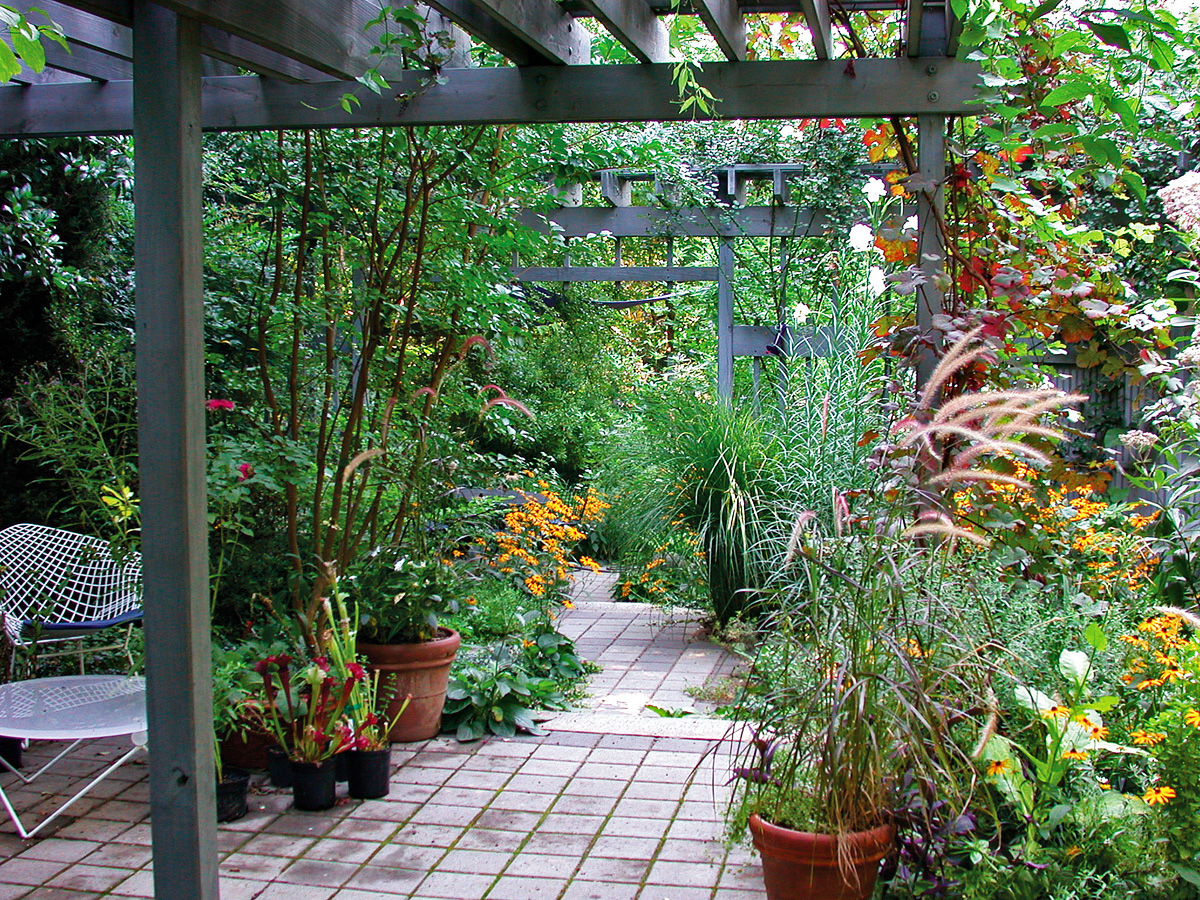
A private garden is a designated outdoor space that is typically owned by an individual or a family and is intended for their exclusive use. This type of garden is often designed to provide a tranquil environment where the owners can relax, engage in gardening, or entertain guests. Private gardens can vary greatly in size, design, and plant selection, reflecting the aesthetic preferences and functional needs of the owners. They can serve as a personal retreat and can be an extension of one's home, contributing not only to the beauty of the property but also to the mental wellbeing of the inhabitants.
Design Elements of a Private Garden
The design of a private garden can encompass a wide variety of elements that enhance its appeal. The following features are commonly considered:
- Landscaping: This includes the arrangement of plants, trees, and shrubs to create an aesthetically pleasing layout.
- Paths: Walkways made of stones, gravel, or paving that guide visitors through the garden.
- Structures: Pergolas, trellises, or gazebos that offer shade and a focal point within the garden.
Types of Private Gardens
There are several different types of private gardens, each serving unique purposes and offering various atmospheres:
- Traditional Gardens: Typically feature structured landscapes, often with flower beds and geometric designs.
- Vegetable Gardens: Focus on growing edible plants and herbs, promoting sustainability and self-sufficiency.
- Zen Gardens: Designed for meditation and tranquility, often consisting of rocks, sand, and minimal vegetation.
Maintenance of a Private Garden
Maintaining a private garden is crucial for keeping it looking its best and ensuring the health of its plants. Key maintenance tasks include:
- Watering: Regularly providing adequate moisture, especially in dry seasons.
- Pruning: Cutting back plants to promote growth and remove any dead or diseased limbs.
- Weeding: Regularly removing unwanted plants that compete with cultivated ones for resources.
Benefits of Having a Private Garden
A private garden can offer numerous benefits that enhance both physical and mental well-being, including:
See also:
- Relaxation: A peaceful environment that allows owners to unwind and escape from daily stresses.
- Exercise: Gardening can be physically demanding, providing a great way to stay active.
- Food Source: Growing fruits, vegetables, and herbs reduces reliance on store-bought produce.
Personalization of a Private Garden
A private garden can be customized to reflect the personality and interests of its owner. Personalization can involve:
- Choosing Plant Species: Select plants that resonate with personal aesthetics or have sentimental value.
- Decorative Elements: Adding statues, fountains, or unique garden art to enhance visual interest.
- Functional Spaces: Creating areas for entertainment, such as patios or outdoor kitchens, to suit lifestyle needs.
What is a garden just outside the house called?
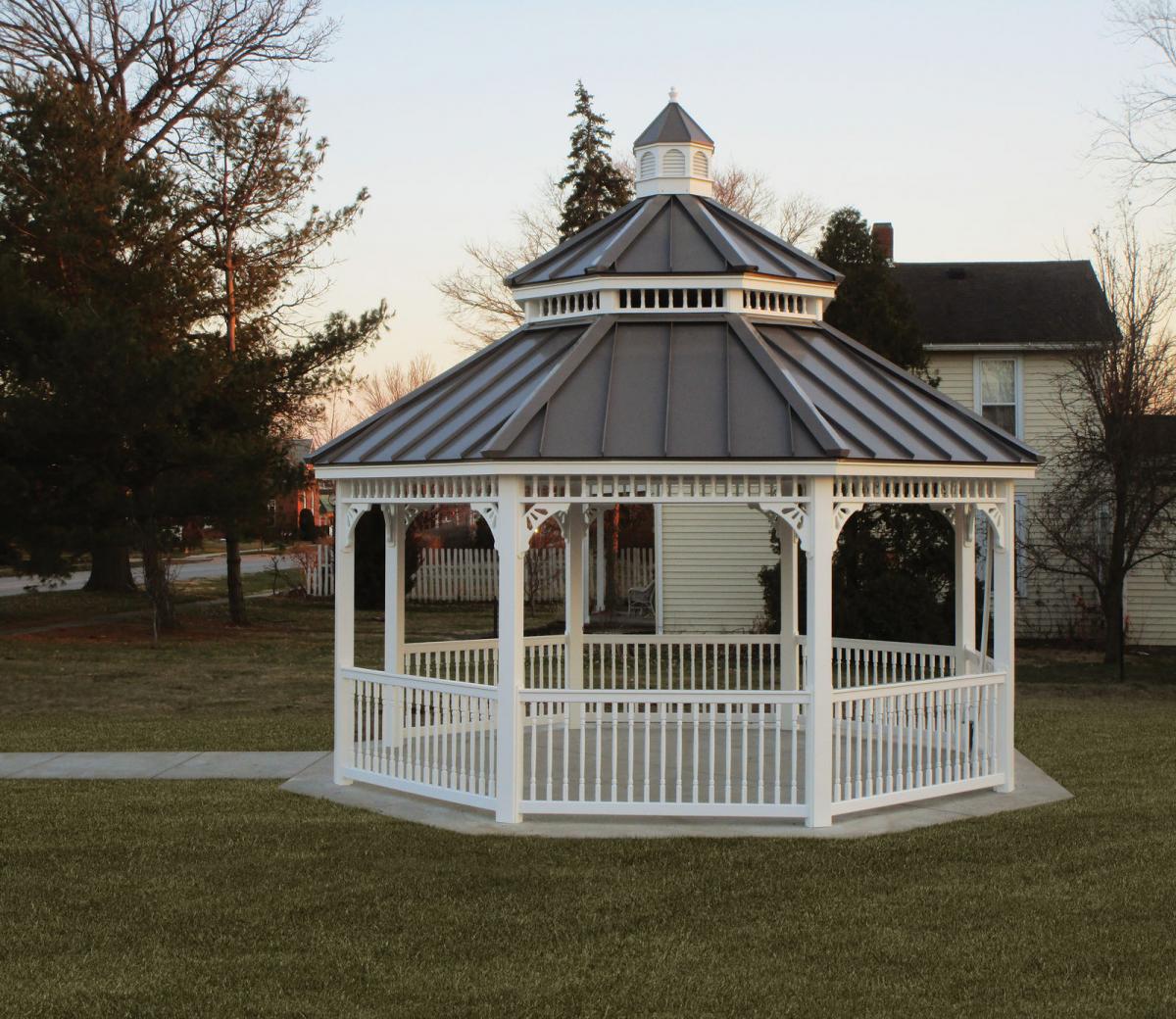
A garden just outside the house is typically called a front yard garden or backyard garden, depending on its location. These gardens serve various purposes, including providing aesthetic appeal, creating inviting spaces, and serving functional roles such as growing vegetables and herbs. The front yard garden is often designed to enhance the appearance of the home and create curb appeal, while the backyard garden might focus more on privacy and recreational use.
Importance of Front Yard Gardens
Front yard gardens play a crucial role in the overall appearance of a home. They often reflect the homeowner's style and can significantly impact first impressions. Additionally, they can contribute to environmental health by promoting biodiversity.
- Aesthetic Appeal: A well-maintained front yard garden enhances the beauty of a house.
- Property Value: Attractive gardens can increase the resale value of a home.
- Environmental Benefits: They help reduce urban heat and promote local wildlife.
Characteristics of Backyard Gardens
Backyard gardens often serve as private retreats for homeowners. They may include various features such as seating areas, pathways, and embellishments, creating a personal oasis. Depending on the homeowner's interests, these gardens can be functional or purely decorative.
- Functional Areas: These may include vegetable patches, herb gardens, or flower beds.
- Seating Arrangements: Many backyard gardens incorporate benches or patios for relaxation.
- Water Features: Ponds or fountains can add tranquility and attract local wildlife.
Types of Plants in Garden Settings
A variety of plants can be included in front and backyard gardens. Homeowners typically choose plants that suit their local climate, personal tastes, and the level of maintenance they are willing to commit to.
- Annuals and Perennials: Annuals provide vibrant colors, while perennials offer sustainability in garden design.
- Shrubs and Hedges: These provide privacy and structure to garden layouts.
- Vegetables and Herbs: Many homeowners opt to grow their food, encouraging sustainability.
Maintenance of Garden Spaces
Regular maintenance is essential to keep garden spaces healthy and attractive. Tasks often include watering, pruning, weeding, and fertilizing, ensuring that the plants remain robust and vibrant throughout the seasons.
- Watering: Essential to support plant growth, it may need to be adjusted based on rainfall.
- Weeding: Prevents competition for nutrients and maintains the garden's aesthetic.
- Pruning: Helps shape plants and encourages healthier growth.
Design Ideas for Garden Spaces
The design of gardens just outside the house can vary widely based on personal style and the desired function. Homeowners might consider factors such as plant selection, layout, and decorative elements to create a cohesive garden design.
- Theme Gardens: Creating gardens based on specific themes, such as cottage or modern, can enhance appeal.
- Vertical Gardens: Perfect for small spaces, utilizing walls or fences to grow plants.
- Natural Elements: Incorporating rocks, mulch, or wood can add texture and interest to the garden.
Questions from Our Readers
What is a private garden called?
A private garden is often referred to as a private oasis or simply a backyard garden. This space is typically designed for personal enjoyment and can be a place for relaxation, gardening, or outdoor activities.
What are the characteristics of a private garden?
A private garden usually features enclosed spaces, providing privacy from neighbors and the outside world. Common characteristics include fencing, hedges, and various types of landscaping that enhance the garden’s aesthetic appeal.
See also:
Can a private garden be used for events?
Yes, a private garden can be a great venue for social gatherings and events such as birthday parties, weddings, or family reunions. Its tranquil atmosphere and natural beauty make it ideal for creating memorable experiences.
How can one maintain a private garden?
Maintaining a private garden requires regular activities like watering, pruning, and weeding. Additionally, incorporating seasonal planting and using organic fertilizers can help keep the garden healthy and vibrant throughout the year.

If you want to read more articles like What is a private garden called? Discover the Unique Terminology Behind Private Gardens, we recommend you check out our Garden category.
Leave a Reply
Related Articles