Discover the Magic: What is a Fairy Garden?
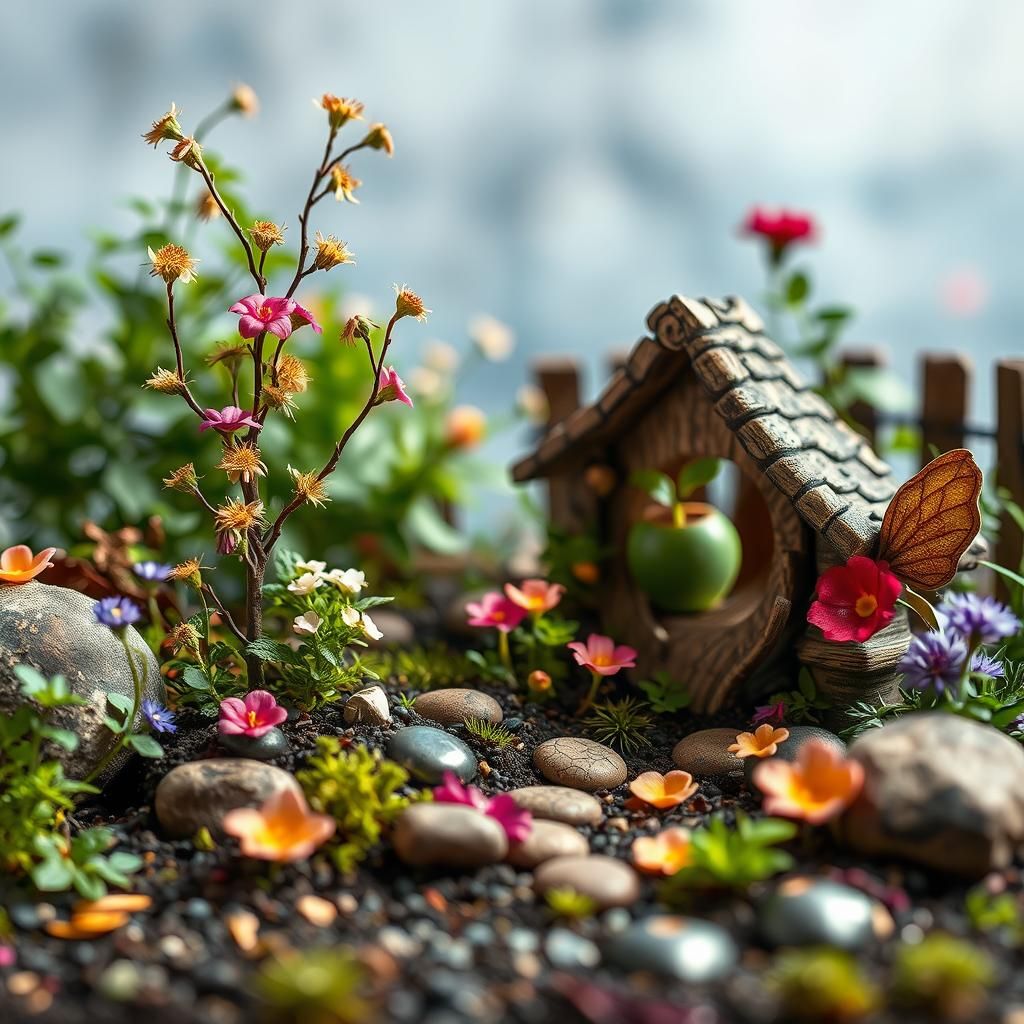
Fairy gardens have captured the imagination of both young and old, offering a whimsical escape into a world of enchantment. These miniature landscapes, often adorned with tiny houses, figurines, and vibrant plants, invite us to explore our creativity and connect with nature. Creating a fairy garden is not just about gardening; it’s an opportunity to tell a story, evoke nostalgia, and spark joy. In this article, we will delve into the essence of fairy gardens, uncovering their origins, essential elements, and the magic they bring to our outdoor spaces. Join us on this enchanting journey to discover what makes these gardens so special.
What is a Fairy Garden?
A fairy garden is a miniature landscape, often created in a small container or designated outdoor area, that features tiny structures, charming decorations, and carefully selected plants to create an enchanting environment. This whimsical style of gardening invites creativity and imagination, allowing individuals to design their own magical world where fairies, elves, and other mythical creatures might reside. Typically incorporating elements like tiny houses, miniature furniture, and natural materials such as stones and moss, fairy gardens can be tailored to reflect personal themes or seasonal changes, making them a delightful hobby for both children and adults.
Origins of Fairy Gardens
The concept of fairy gardens traces back to ancient cultural practices, where miniature landscapes were believed to attract mythical beings. Many cultures have historically created small outdoor spaces filled with natural elements to honor and invite the presence of nature spirits or fairies, which were thought to bring good fortune and harmony. The modern iteration of fairy gardens has gained popularity in the last few decades, especially as a means of engaging with nature and fostering creativity in gardening.
Essential Elements of a Fairy Garden
A well-crafted fairy garden consists of several key elements that bring the landscape to life. These elements typically include miniature structures, such as tiny houses and bridges, decorative items like fairy figurines and lanterns, and a variety of plants that can range from small succulents to moss. Additionally, the garden often features natural materials such as stones, bark, and twigs, which help create a sense of realism and enchantment, transforming an ordinary space into a magical setting.
Choosing the Right Plants for Your Fairy Garden
Selecting the appropriate plants is crucial when creating a fairy garden. It's best to choose dwarf varieties or plants that maintain a compact size, allowing for easier maintenance and a scale that matches the miniature features. Some popular choices include herbs, such as thyme and lavender, as well as flowering plants like pansies and sedums. The right selection not only enhances the visual appeal but also ensures that the plants thrive within the confined space of the garden, creating a vibrant and lush environment.
Design Themes for Fairy Gardens
Fairy gardens can take on a variety of themes, each reflecting a unique aesthetic or narrative. Popular themes include enchanted forests, beach settings, or whimsical villages, each bringing a distinct character to the garden. By integrating themed decor such as miniature furniture or themed figurines, gardeners can create interactive spaces that tell a story or invoke a particular mood. This creative flexibility allows individuals to customize their fairy garden to suit personal tastes and seasonal inspirations.
Maintaining a Fairy Garden
To keep a fairy garden thriving, regular maintenance is essential. This includes watering the plants as needed, pruning to promote healthy growth, and occasionally changing out decorations to reflect the seasons or personal preferences. It's also important to monitor for pests and diseases, ensuring that the miniature ecosystem remains healthy and picturesque. By dedicating time to care for the garden, enthusiasts can enjoy its charm and whimsy throughout the year.
| Element | Description |
|---|---|
| Structures | Miniature houses, bridges, and other buildings that create a whimsical environment. |
| Plants | Compact and dwarf varieties that thrive in small spaces, enhancing the garden's beauty. |
| Decorative Items | Figurines, lights, and furniture that add charm and character to the fairy garden. |
| Narrative Themes | Distinct themes that influence the design and decor, creating specific stories or aesthetics. |
| Maintenance | Regular care, including watering, pruning, and pest control, ensuring a healthy environment. |
What is the purpose of a fairy garden?
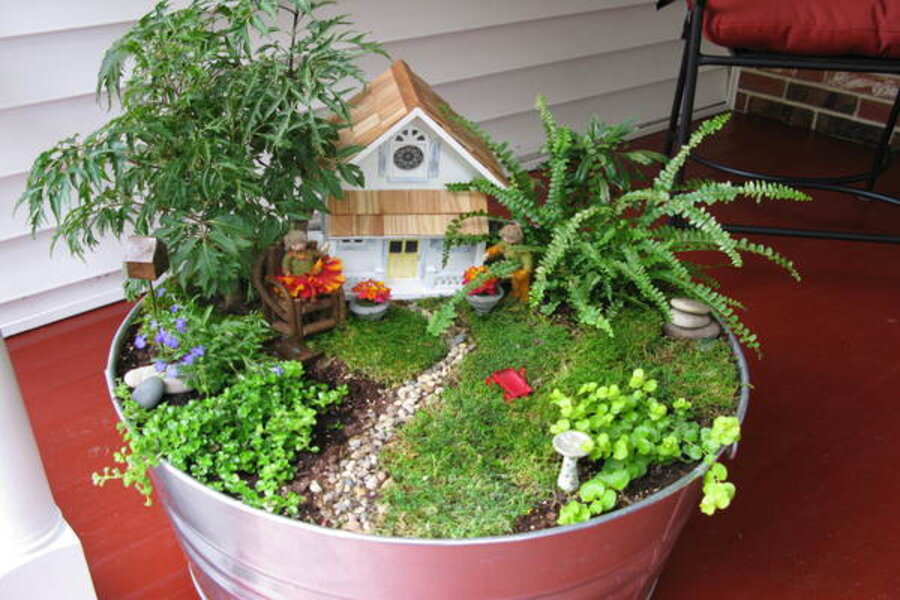
The purpose of a fairy garden is multifaceted, catering to both aesthetic and imaginative needs. Primarily, a fairy garden serves as a miniature landscape that embodies the enchanting world of fairies and fantasy. It invites individuals, especially children, to engage in imaginative play and storytelling, fostering creativity and exploration. Additionally, fairy gardens can be a delightful way to introduce gardening concepts to young minds. They encourage an appreciation for nature and the environment by providing a small yet captivating area that requires care and maintenance.
Moreover, the creation of a fairy garden can also serve as a serene decorative space in one's home or garden. By incorporating various elements, such as plants, pathways, and miniature structures, the garden can become a tranquil escape from the bustling world. Furthermore, fairy gardens can enhance social connections, as they can be a shared project among family and friends, promoting teamwork and collaboration.
Fostering Creativity and Imagination
Fairy gardens are a wonderful tool for fostering creativity and imagination in both children and adults. By constructing a tiny world inhabited by fairies, individuals can explore storytelling in unique ways. This creative process allows individuals to:
- Design their own fairy landscapes with imaginative features, such as fairy houses, miniature furniture, and unique plants.
- Incorporate personal narratives, using characters and scenarios that resonate with them.
- Encourage role-playing and interactive play, thereby enhancing social skills and bonding.
Encouraging Gardening Skills
Fairy gardens provide an excellent opportunity for individuals, especially children, to learn about gardening and plant care. This small-scale gardening project imparts essential skills and knowledge, including:
- Understanding plant growth, including what plants are suitable for miniature gardens.
- Learning about ecosystems and the role of plants in our environment.
- Developing responsibility through regular maintenance, watering, and tending to the garden.
Creating a Unique Aesthetic Appeal
One of the primary purposes of a fairy garden is its ability to enhance the visual charm of a space. By integrating whimsical elements, fairy gardens can transform any area into a captivating focal point. The aesthetic appeal can include:
See also:
- Vibrant colors through the selection of varied plants and decorative features.
- Intriguing features like tiny pathways, bridges, and fountains that invite exploration.
- Personalized decorations that reflect the individual's tastes and stories.
Providing a Sense of Tranquility
Fairy gardens have the capacity to create serene environments that offer a retreat from daily stress. They serve as peaceful spots for reflection and relaxation, often including:
- Natural elements, such as plants and stones, that promote a connection to nature.
- A quiet space for meditation or contemplation, inviting moments of peace.
- Encouraging mindfulness, as tending to the garden can be a meditative practice.
Building a fairy garden can be a communal experience, promoting social interaction among family, friends, and neighbors. This aspect can manifest in various ways, such as:
- Collaborative projects where individuals work together to design and build the garden.
- Sharing ideas and inspirations with others in the gardening community.
- Organizing workshops or inviting others to participate in creating and maintaining the garden.
What are the rules for a fairy garden?
:max_bytes(150000):strip_icc()/how-to-make-a-fairy-garden-7483245-hero-6cc210ec283e4d20837918235139baa4.jpg)
Creating a fairy garden is a delightful way to bring a touch of magic to your outdoor space. However, there are certain rules and guidelines that can help ensure your fairy garden is enchanting and properly designed. Here are some key rules to consider:
Choosing the Right Location
Selecting the ideal location for your fairy garden is crucial for its success. The spot should be both practical and enchanting. Consider the following points:
- Sunlight: Ensure that the area receives adequate sunlight, as most plants need it to thrive.
- Protection: Choose a location that is protected from harsh winds and extreme weather to keep the garden safe.
- Accessibility: Place the garden in a spot that is easily accessible for maintenance and enjoyment.
Choosing Appropriate Plants
The plants you select are the foundation of your fairy garden. Opt for miniature or dwarf varieties to keep the scale in harmony with the fairy theme. Key considerations include:
- Size: Pick plants that won’t overpower the garden; consider using herbs, moss, or small flowering plants.
- Color: Choose a variety of colors to create a vibrant atmosphere that attracts attention.
- Texture: Incorporate different textures such as soft moss, smooth stones, and feathery leaves for visual interest.
Incorporating Fairy Accessories
Fairy accessories add charm and personality to your garden. However, it's important to follow some basic guidelines when selecting decorations:
- Scale: Choose accessories that are proportionate to the plants to maintain a whimsical and balanced look.
- Material: Use natural materials such as wood, stone, or clay for a more authentic feel.
- Theme: Try to stick to a specific theme, like woodland, coastal, or enchanted, for cohesive decoration.
Maintenance and Care
Like any garden, a fairy garden requires regular maintenance to keep it looking its best. Focus on these maintenance tasks:
- Watering: Ensure that plants receive enough water, taking care not to overwater, which can lead to root rot.
- Trimming: Regularly prune and trim plants to maintain their shapes and prevent overgrowth.
- Weeding: Keep the area free of weeds to reduce competition for nutrients and maintain visual appeal.
Encouraging Fairy Visits
To make your fairy garden feel more inviting to fairies, consider these enchanting touches:
- Pathways: Create winding pathways using pebbles, sand, or small tiles to guide fairies through the garden.
- Water Features: Incorporate small water features like a birdbath or mini pond, which are believed to attract fairies.
- Offerings: Place small tokens like shiny stones or tiny flowers as offerings to encourage fairy presence.
What is the meaning of the garden fairy?
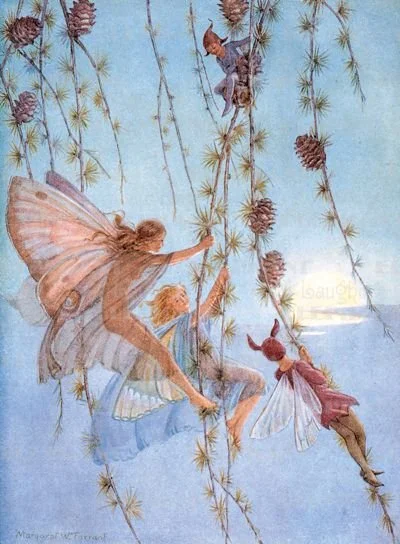
The term garden fairy refers to a mythical creature often depicted in folklore and fantasy. Typically characterized by their small stature, delicate wings, and a connection to nature, garden fairies are believed to inhabit gardens and natural spaces. They serve various roles, including nurturing plants, assisting with growth, and bringing joy and inspiration to those who encounter them. The symbolism of garden fairies can represent the beauty of nature, the importance of nurturing our environment, and the magic that can be found in everyday life.
Historical Origins of Garden Fairies
The concept of garden fairies can be traced back to various mythologies and folklore across different cultures. In medieval Europe, fairies were often seen as protective spirits of the natural world, associated with fertility and the blessings of harvests.
- Many stories depict fairies as guardians of flowers and gardens, ensuring their growth and beauty.
- Throughout history, they have been symbols of good luck and prosperity in agricultural societies.
- In literature, fairy tales often introduced garden fairies as guides or helpers to protagonists on their journeys.
Symbolism of Garden Fairies
Garden fairies often symbolize the delicate balance of nature and the magic inherent in growth and transformation. They remind us of the interconnectedness of life and the necessity of tending to our environment.
See also:
- They signify the beauty of flowers and plants, representing life and vitality.
- Fairies can embody the spirit of creativity and inspiration, encouraging individuals to seek out the wonders of the natural world.
- In some beliefs, they are associated with the spirits of ancestors or the essence of nature, offering guidance and protection.
Garden Fairies in Modern Culture
In contemporary culture, garden fairies are popular in various forms of art, literature, and home decor. They often appear in children's stories, animated films, and decorative items that accentuate the charm of gardens and outdoor spaces.
- Garden-themed fairy products, such as figurines and garden stakes, are widely available in markets.
- They are often featured in themed events, such as garden parties and fairs, bringing a whimsical touch to celebrations.
- The representation of fairies in media often adds an element of fantasy, inspiring love for gardening among young audiences.
Role of Garden Fairies in Gardener's Beliefs
Many gardeners believe that inviting garden fairies into their spaces can enhance plant growth and transform their gardens into vibrant ecosystems. This belief fosters a deeper connection between the gardener and their surroundings, encouraging mindfulness and appreciation for nature.
- Some traditions involve rituals to honor garden fairies, such as leaving out offerings of flowers or sweet treats.
- Gardeners may create fairy houses or gardens as a way to attract these beings, believing it will foster growth and beauty.
- The presence of garden fairies can also symbolize a gardener's intent to create a harmonious and inviting environment.
Garden Fairies and Environmental Awareness
The figure of the garden fairy plays a significant role in promoting environmental awareness. By embodying principles of stewardship and care for the natural world, they encourage individuals to respect and protect their surroundings.
- Garden fairies remind us of the importance of biodiversity and the protection of ecosystems.
- They inspire sustainable practices in gardening, emphasizing the need to use natural methods for plant care.
- Through tales of garden fairies, communities can foster a greater understanding of the impact of human actions on the environment.
Which two things do most fairy gardens have?
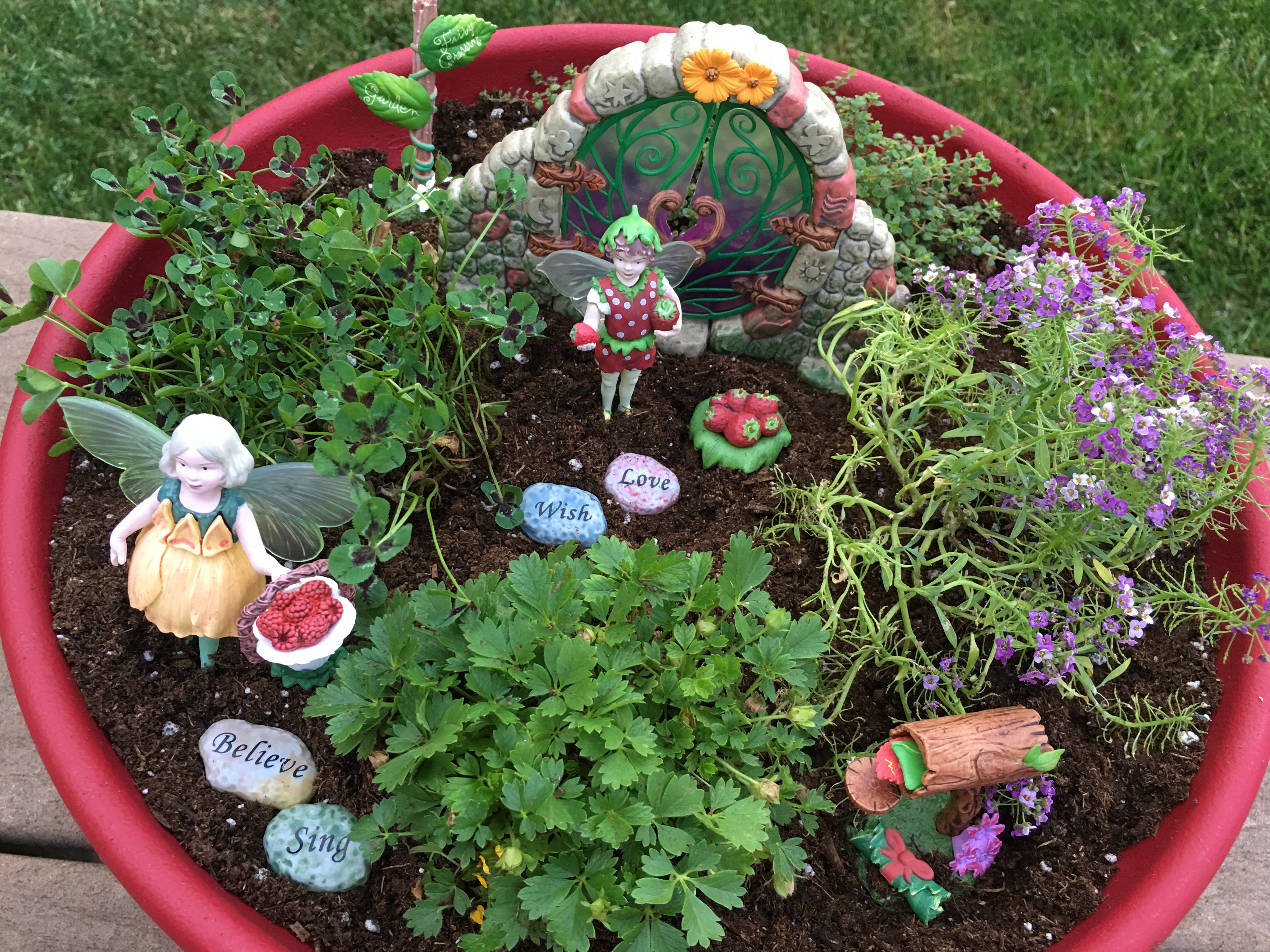
Most fairy gardens typically have two main elements: miniature plants and fairy figurines. These components create an enchanting environment that captures the imagination.
Miniature Plants
Miniature plants are crucial in fairy gardens as they help to create a natural landscape that complements the whimsical theme of the garden. These plants can be real or artificial and are typically smaller in size to fit the scale of the fairy garden.
- Succulents: These plants are popular due to their low maintenance and unique shapes.
- Moss: Often used for ground cover, moss adds a lush, green texture to the garden.
- Herbs: Small herbs not only enhance the aesthetic appeal but also can add fragrance.
Fairy Figurines
Fairy figurines are essential elements in establishing a mystical atmosphere. They serve as characters that bring life to the garden, inviting imagination and storytelling.
- Variety of Characters: Fairies, gnomes, and elves can be included to diversify the scene.
- Size and Scale: It’s important that the figurines are proportionate to the plants to maintain visual harmony.
- Materials: Figurines can be made from resin, wood, or ceramic, affecting their durability and aesthetic.
Pathways
Pathways can enhance the fairy garden by providing a defined route for viewers’ eyes to travel. They introduce a sense of exploration and guide the imagination through the enchanted space.
- Natural Materials: Stones, pebbles, or wood chips can be used for creating rustic pathways.
- Design: Curves and bends in pathways mimic natural trails and increase visual interest.
- Scale: Pathways should be appropriately sized for the figurines to enhance the fairy tale ambiance.
Seating Areas
Including seating areas is a fun way to signify that the fairies and their friends might have gatherings. These areas can also contribute to the overall design and utility of the garden.
- Benches: Miniature benches can be made from sticks or twigs for a charming touch.
- Stone Seats: Small flat stones can serve as inviting seating spots for the fairies.
- Picnic Tables: A tiny table can add a whimsical element suggesting that fairies enjoy picnics.
Decorative Elements
Decorative elements add a personal touch to fairy gardens and can help express the gardener’s individual style. These items can represent the stories or themes one wishes to convey in the garden.
- Lighting: Tiny fairy lights or solar lights can create magical illumination at night.
- Signs: Little signs with whimsical messages enhance storytelling.
- Water Features: Miniature fountains or ponds introduce a serene sound and a reflective element.
Questions from Our Readers
What is a fairy garden?
A fairy garden is a miniature garden that features tiny plants, decorative items, and often small figurines representing fairies or other mythical creatures. These gardens can be created in pots, trays, or directly in the ground, allowing for a whimsical and enchanted space that sparks imagination.
How do you create a fairy garden?
To create a fairy garden, start by selecting a suitable container or location, then choose small plants that fit the scale of the garden. Next, add decorative elements such as fairy houses, pathways, and miniature furniture to enhance the magical feel. Finally, incorporate personal touches to make it unique and inviting.
What plants are suitable for a fairy garden?
Suitable plants for a fairy garden are typically small, slow-growing varieties that can thrive in a compact space. Examples include miniature succulents, moss, and creeping herbs, which not only add beauty but also create a lush environment for the fairies.
See also:
Can fairy gardens be made indoors?
Yes, fairy gardens can be made indoors by using containers like pots or bowls filled with appropriate potting soil. Ensure there is enough light for the plants, and consider using small indoor-friendly plants to create a delightful mini ecosystem that can brighten any indoor space.

If you want to read more articles like Discover the Magic: What is a Fairy Garden?, we recommend you check out our Garden category.
Leave a Reply
Related Articles