When to Plant Zucchini? A Comprehensive Guide for Successful Gardening

Zucchini is a versatile and prolific vegetable that can enhance any garden. However, to achieve a bountiful harvest, timing is crucial. Knowing when to plant zucchini is essential for ensuring that these plants thrive and produce a plentiful yield. This comprehensive guide will delve into the optimal planting times based on various factors such as climate, soil conditions, and growth cycles. Whether you’re a seasoned gardener or a novice, understanding the best time to sow zucchini seeds will set the foundation for a successful gardening experience, leading to delicious meals and satisfying harvests throughout the growing season.
When to Plant Zucchini?
Zucchini is a warm-season vegetable that thrives in temperatures between 70°F to 95°F, making it essential to wait until the last frost has passed before planting. Typically, this falls in late spring to early summer, depending on your geographical location. You can start zucchini seeds indoors 2-4 weeks before the last frost, but for direct sowing in the garden, aim for soil temperatures to reach a minimum of 60°F. This ensures optimal growth and ensures that the zucchini plants have a sufficient growing period to produce a bountiful harvest.
Ideal Conditions for Planting
The ideal conditions for planting zucchini include well-drained, nutrient-rich soil that has been amended with compost. Zucchini prefers full sun exposure, receiving at least 6 to 8 hours of sunlight each day. Providing adequate spacing between plants—approximately 2 to 3 feet apart—allows for optimal air circulation and reduces the risk of disease. Additionally, monitoring soil moisture is crucial, as zucchini thrives in consistently moist (but not waterlogged) conditions.
Growing Zones for Zucchini
Zucchini grows best in USDA hardiness zones 3-10, with different planting times based on the zone. In areas with a shorter growing season, such as zones 3 and 4, it's advisable to start seeds indoors earlier, while those in warmer zones can plant directly into the garden earlier in the season. Understanding your local growing zone will help determine the best planting schedule to maximize your harvest yield.
Timing for Direct Sowing
For direct sowing, the ideal time is after the last frost date when soil temperatures are around 65°F to 70°F. This generally means planting zucchini in mid to late May in most regions. If you live in warmer climates, you might start as early as late April. Another method is to use black plastic or row covers to warm the soil, allowing for earlier planting in cooler areas.
Seedlings and Transplanting
When starting zucchini from seedlings, it's crucial to plant them outside only when they have developed at least two true leaves and are about 4 inches tall. Acclimatizing seedlings to outdoor conditions, known as hardening off, is also important. This process involves gradually exposing the seedlings to outside temperatures over a week, preparing them for transplanting into the garden without shock.
Common Challenges
Common challenges when planting zucchini include pest control and maintaining appropriate moisture levels. Aphids, squash bugs, and cucumber beetles are typical pests that may attack zucchini plants. Regularly checking for signs of distress and employing organic pest management techniques can safeguard your crop. Moreover, maintaining consistent irrigation practices and mulching can help regulate soil moisture and deter weeds, leading to healthier plants.
| Aspect | Details |
|---|---|
| Planting Time | After last frost, when soil is above 60°F |
| Spacing | 2 to 3 feet apart |
| Sunlight | 6 to 8 hours daily |
| Soil Temperature | Optimal between 60°F and 70°F |
| Hardiness Zones | Zones 3 to 10 |
What should not be planted near zucchini?
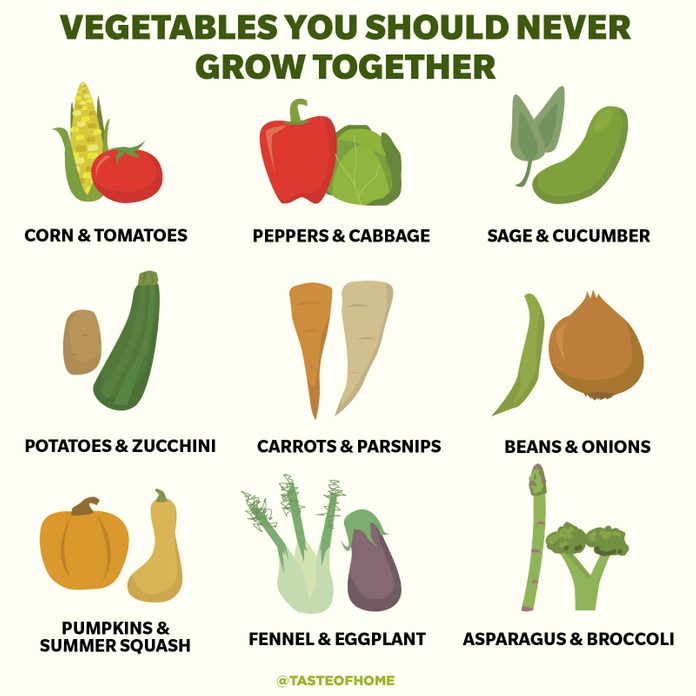
Zucchini is a popular vegetable in home gardens due to its prolific growth and versatility in cooking. However, not all plants are compatible with zucchini. Certain plants can hinder its growth or increase the risk of diseases and pests. Here are some plants that should not be planted near zucchini.
1. Squash
Planting different varieties of squash near zucchini is generally not recommended. This includes other types of summer squash and winter squash. The main reasons are:
- Cross-pollination: Different squash varieties can cross-pollinate, affecting the fruit's taste and quality.
- Competing resources: They compete for nutrients, water, and sunlight, which can affect overall yield.
- Disease susceptibility: Both crops can share common pests and diseases, increasing the risk of infestation.
2. Cucumbers
Cucumbers might also be best kept away from zucchini. The reasons include:
- Similar pest problems: They can attract the same pests, such as aphids and cucumber beetles, leading to increased pest pressure.
- Nutritional competition: Both require similar nutrients, which can lead to poor growth in both crops if planted too close.
- Growth habit: The sprawling nature of cucumbers can overshadow zucchini plants, competing for space and light.
3. Potatoes
Potatoes are another crop that should be avoided near zucchini for several reasons:
- Disease transmission: Both plants can be affected by similar diseases, such as powdery mildew.
- Root competition: With substantial root systems, potatoes can compete aggressively for soil nutrients and moisture.
- Space constraints: Zucchini plants require ample space to spread, and potatoes can limit that availability.
4. Tomatoes
Tomatoes and zucchini may not be an ideal pairing. The reasons for this include:
- Increased humidity: Tomato plants can create higher humidity levels around zucchini, which fosters fungal diseases.
- Similar nutrient needs: Both plants absorb similar nutrients, which can lead to insufficiencies if planted together.
- Pest sharing: They can attract common pests, such as hornworms and whiteflies, leading to higher pest populations.
5. Fennel
Fennel is often incompatible with many garden crops, including zucchini. Here’s why:
See also:
- Allelopathic effects: Fennel can produce compounds that inhibit the growth of neighboring plants, negatively impacting zucchini.
- Root competition: Fennel has a robust root system that can outcompete zucchini for soil resources.
- Pest attraction: Fennel can attract specific pests that may also affect zucchini, creating additional management challenges.
When can I transplant zucchini outside?

When considering when to transplant zucchini outside, it's essential to focus on the local climate and the specific needs of the plants. Zucchini is a warm-season crop that thrives in temperatures between 70°F (21°C) and 95°F (35°C). Therefore, the ideal time to transplant zucchini outdoors generally falls after the last frost date in your area, which varies depending on the region. Here are some specifics to guide you:
1. Timing of Transplanting: As a general rule, you should transplant zucchini when soil temperatures reach at least 60°F (16°C). This usually happens in spring, around 2-4 weeks after the last frost. It can be beneficial to use a soil thermometer to check the temperature consistently.
2. Seedling Age: Before transplanting, ensure that your seedlings are about 3-4 weeks old. This period allows them to develop a robust root system and resilience against transplant shock.
3. Weather Conditions: Pay attention to the weather forecast when planning your transplanting. If unexpected cold snaps or frost are predicted, it's wise to delay transplanting to ensure the zucchini plants do not suffer from frost damage.
4. Site Preparation: Choose a well-drained location with plenty of sunlight (at least 6-8 hours of direct sunlight daily) before transplanting. Prepare the soil by incorporating organic matter, which helps improve soil structure and fertility.
5. Acclimating Seedlings: Prior to transplanting, acclimate your seedlings through a process called hardening off. Gradually expose them to outdoor conditions over a week, starting with a few hours a day and increasing the duration, which helps them adapt to their new environment.
1. Ideal Soil Temperature for Zucchini
Warm soil is crucial for the growth of zucchini. The optimal soil temperature for transplanting is between 60°F (16°C) and 70°F (21°C).
- Check soil temperature using a thermometer.
- Ensure it is consistently warm during the daytime, not just overnight.
- Soil that is too cold can stunt growth and delay establishment.
2. Importance of Seedling Maturity
Zucchini seedlings should ideally be 3-4 weeks old before being planted outside. Younger plants may struggle to thrive outdoors due to shock.
- Older seedlings have a better-developed root system.
- They are more resilient to pests and diseases.
- Transplanting mature seedlings increases the success rate in the garden.
3. Understanding Local Frost Dates
Each region has its specific last frost date, critical for determining when to transplant zucchini.
- Research local frost dates for planning.
- Use resources like gardening extension websites or local meteorological data.
- Mark your calendar to prevent transplanting too early.
4. Preparing the Planting Site
Site preparation involves checking sunlight exposure and soil quality for optimal zucchini growth.
- Choose a location with full sun exposure for at least 6 hours.
- Prepare the soil by loosening it and adding organic matter.
- Test soil drainage to prevent waterlogging, which can harm roots.
5. Hardening Off Seedlings
The hardening off process is crucial for acclimatizing your seedlings to outdoor conditions.
- Start by placing seedlings outdoors for a few hours each day.
- Gradually increase exposure to wind and sunlight over a week.
- This process reduces transplant shock and prepares plants for outdoor life.
Do zucchini like shade or sun?

Zucchini plants, also known as courgettes, thrive best in full sun. They require at least 6 to 8 hours of sunlight each day to grow properly and produce a good yield of fruit. While zucchinis can tolerate partial shade, their growth may be stunted, and their overall health and productivity can be significantly compromised. Here are some key aspects of zucchini’s sun requirements:
See also:
Growth Requirements for Zucchini
Zucchini plants have specific nutritional and environmental needs to flourish.
- Sunlight: They prefer full sun exposure as it promotes robust growth.
- Soil Quality: Zucchini grow best in well-draining, nutrient-rich soil that retains moisture.
- Watering: Regular watering is crucial, especially during hot weather, to prevent stress on the plants.
Effects of Shade on Zucchini Growth
While zucchinis can survive in partial shade, their growth and fruit production can suffer.
- Stunted Growth: Plants in shaded areas may become leggy as they stretch towards light.
- Reduced Yield: Zucchinis may produce fewer fruits when not receiving adequate sunlight.
- Pest Vulnerability: Shaded plants can be more susceptible to certain pests due to weakened health.
Best Sunlight Practices for Growing Zucchini
To maximize the health and yield of zucchini, follow these best practices related to sunlight exposure.
- Location Selection: Choose a planting site that receives plenty of sunlight and is sheltered from strong winds.
- Time of Day: Monitor sunlight patterns throughout the day to ensure optimal exposure for your zucchinis.
- Avoiding Overhead Shade: Trim back surrounding plants or structures that may block sunlight during peak hours.
Companion Planting Strategies
Companion planting can enhance the growth of zucchini by strategically placing them with other plants that either repel pests or provide mutual benefits.
- Compatible Crops: Beans and corn can grow alongside zucchinis, as they do not compete for sunlight.
- Pest Deterrents: Planting marigolds nearby can help ward off harmful insects.
- Space Management: Use companion planting to maximize garden space while allowing sufficient sunlight to reach zucchini.
Seasonal Sunlight Considerations
Understanding how seasonal changes affect sunlight availability is essential for successful zucchini gardening.
- Seasonal Variations: In summer, longer days provide more consistent sunlight; plan your planting accordingly.
- Temperature Fluctuations: Sun exposure helps regulate soil temperature, affecting seed germination and growth.
- Late Summer Sun: Consider the angle of the sun, as it can change and impact previously well-lit areas as the season progresses.
What is the secret to growing zucchini?

The secret to growing zucchini lies in understanding the plant's needs and the best practices for cultivation. Here are key aspects to consider when aiming for a bountiful zucchini harvest.
Soil Quality
The first step to successful zucchini growth is ensuring optimal soil quality. Zucchini thrives in well-drained, nutrient-rich soil with a pH between 6.0 and 7.5.
- Test the soil pH and amend accordingly, using lime to raise pH or sulfur to lower it.
- Incorporate organic matter, such as compost or well-rotted manure, to boost fertility and improve drainage.
- Ensure your soil is loose and aerated to promote healthy root development.
Sunlight Requirements
Zucchini plants require plenty of sunlight to grow efficiently. Ideally, they need at least 6-8 hours of direct sunlight every day.
- Choose a planting site that provides ample sunlight and is protected from strong winds.
- If planting in late spring, avoid shaded areas created by trees or buildings.
- Monitor the sun exposure and adjust the planting location if necessary as the season progresses.
Watering Techniques
Proper watering techniques are crucial for zucchini plants. They require consistent moisture but should never be waterlogged.
- Water deeply and infrequently rather than shallowly and often, ensuring the moisture reaches the roots.
- Mulch around the plants to retain soil moisture and regulate temperature.
- Water in the early morning to minimize evaporation and allow the leaves to dry during the day.
Pest and Disease Management
Managing pests and diseases is vital for maintaining healthy zucchini plants. Common issues include squash bugs and powdery mildew.
- Implement companion planting, such as marigolds, to deter pests naturally.
- Regularly inspect plants for signs of disease or pest damage and act quickly to treat issues.
- Practice crop rotation to reduce the risk of soil-borne diseases.
Harvesting at the Right Time
Timely harvesting is essential for maximizing the quality and yield of zucchini. Zucchini can grow quickly, so monitoring is necessary.
- Harvest zucchini when they are about 6-8 inches long for the best flavor and texture.
- Use a sharp knife or scissors to cut the fruit from the plant to avoid damage.
- Regular harvesting encourages the plant to produce more fruit, extending the harvest period.
Questions from Our Readers
When is the best time to plant zucchini?
Zucchini should be planted after the last frost date in your area, typically in late spring or early summer. The soil temperature should be at least 70°F (21°C) for optimal growth. This ensures that the plants can establish themselves quickly and thrive throughout the growing season.
Can zucchini be planted directly in the ground?
Yes, zucchini can be planted directly in the ground once the soil has warmed up. It's advisable to plant seeds about 1 inch deep and spaced 2 to 3 feet apart to allow for their sprawling growth habit. This method encourages strong root development from the start.
See also:
What is the ideal climate for growing zucchini?
Zucchini grows best in a warm climate with plenty of sunlight. They require full sun for at least 6 to 8 hours a day and thrive in temperatures between 70°F and 95°F (21°C to 35°C). Maintaining these conditions will promote healthy growth and abundant fruit.
How long does it take for zucchini to germinate?
Zucchini seeds typically take about 7 to 14 days to germinate, depending on the soil temperature and moisture levels. Warm, moist soil will speed up the germination process, enabling the plants to grow quickly and reach maturity by mid to late summer.

If you want to read more articles like When to Plant Zucchini? A Comprehensive Guide for Successful Gardening, we recommend you check out our Garden category.
Leave a Reply
Related Articles