What Kind of Crop Makes the Most Money? A Comprehensive Guide to Profitable Farming.

In the ever-evolving landscape of agriculture, determining which crop yields the highest profits can significantly impact a farmer's financial success. This comprehensive guide delves into various high-value crops, examining factors such as market demand, growing conditions, and investment requirements. From traditional staples to exotic fruits and niche products, understanding the profitability landscape is essential for making informed decisions. By exploring current trends and expert insights, this article aims to equip farmers and agricultural entrepreneurs with the knowledge needed to thrive in a competitive market. Join us as we uncover the most lucrative crops that can maximize revenue in today's farming industry.
What Are the Most Profitable Crops to Cultivate?
The most profitable crops to cultivate can vary depending on location, climate, and market demand, but generally, crops such as saffron, bamboo, and certain organic fruits and vegetables have shown to yield high returns. For instance, saffron, known as the world's most expensive spice, has a significant demand in culinary and medicinal markets, making it a lucrative choice. Similarly, bamboo has a multitude of uses ranging from construction to crafts, offering potential for high profitability. Furthermore, the organic produce market is on the rise as consumers are becoming more health-conscious, contributing to an increased demand for fresh, organic options which can command higher prices compared to conventionally grown crops.
Saffron: The Golden Spice
Saffron is derived from the flower of Crocus sativus and is highly valued due to its intense flavor and color, as well as its various health benefits. With prices ranging from $500 to $5,000 per pound, this crop has become synonymous with high profitability. It requires specific growing conditions and labor-intensive harvesting, but the returns are substantial for those who can successfully grow it.
Bamboo: A Versatile Wonder
Bamboo is not only a fast-growing plant but also an incredibly versatile crop that can be used for construction, furniture, paper, and even food. Its ability to regenerate rapidly makes it a sustainable choice. The market for bamboo is expanding globally, with prices for mature bamboo poles reaching high levels, thus offering a significant profit margin for farmers who invest in its cultivation.
Organic Fruits and Vegetables
With the rising health consciousness among consumers, organic fruits and vegetables are in high demand. Crops like organic tomatoes, berries, and leafy greens typically sell for higher prices compared to their conventional counterparts. Many farmers find that transitioning to organic farming practices not only meets market demands but also increases their profit margins over time due to premium pricing.
Herbs: High-Value Cash Crops
Herbs such as basil, mint, and cilantro are another example of high-value cash crops. These plants are relatively easy to grow and can be harvested multiple times a year, providing a continuous revenue stream for farmers. Additionally, their popularity in culinary applications and demand in local markets contribute to their profitability, making herb cultivation a smart venture.
Specialty Grains: A Niche Market
Specialty grains like quinoa, amaranth, and heirloom varieties of wheat are gaining traction in both health food circles and gourmet markets. These grains are often priced significantly higher than traditional grains due to their perceived health benefits and unique flavors. By tapping into niche markets for these specialty crops, farmers can secure higher profits per acre compared to conventional grain farming.
| Crop | Market Price per Unit | Profitability Potential |
|---|---|---|
| Saffron | $500 - $5,000/pound | High |
| Bamboo | $2 - $10/pole | Medium to High |
| Organic Fruits | $2 - $5/pound | High |
| Herbs | $15 - $20/pound | Medium to High |
| Specialty Grains | $3 - $10/pound | Medium to High |
What is the most profitable crop to grow?

The most profitable crop to grow can vary significantly based on several factors, including location, climate, soil type, and market demand. However, certain crops consistently stand out due to their high returning potential. Among these, saffron, organic vegetables, and berries are known to yield substantial profits.
Why Choose Saffron as a Profitable Crop?
Saffron, derived from the flower of Crocus sativus, is one of the most expensive spices in the world. The high price of saffron is driven by the labor-intensive process of harvesting, as it takes approximately 150,000 flowers to produce just one kilogram of saffron.
- Limited availability and high demand make saffron a lucrative crop.
- The growth conditions for saffron can be met in various climates, allowing for broader cultivation.
- High market prices can lead to substantial profits per acre.
Organic Vegetables: A Sustainable Choice
Growing organic vegetables can be a highly profitable venture due to the rising awareness and demand for organic produce. Consumers are increasingly willing to pay a premium for products that are environmentally friendly and free from synthetic chemicals.
- High market demand boosts profitability as consumers prefer organic options.
- Various crops, such as tomatoes, lettuce, and peppers, can be grown organically.
- Farmers can establish a direct relationship with consumers through farmers' markets and CSA programs, increasing profit margins.
The Profitability of Berries
Berries, such as blueberries, strawberries, and raspberries, are another profitable crop option. They are popular among consumers for their health benefits and versatility.
- Berries have a short time to market and can be sold fresh, frozen, or processed.
- High demand drives prices, especially for organically grown berries.
- Well-established berry farms can have continual production and sales across multiple seasons.
Comparative Analysis of Specialty Crops
Specialty crops, which include products like herbs, exotic fruits, and mushrooms, can often yield higher profit margins compared to traditional crops.
See also:
- Specialty crops often require less land and can be grown in a greenhouse environment, enhancing production.
- Typically, these crops have unique market values and cater to niche markets.
- Investing in specialty crops can lead to high returns on investment for farmers willing to experiment.
Market Trends that Influence Crop Profitability
Understanding market trends is critical for determining which crops to cultivate for maximum profitability. Factors like global food demand, consumer preferences, and economic conditions play significant roles.
- Continuous monitoring of market trends allows farmers to adapt their crops for better profitability.
- Consumer preferences shifting towards health-oriented foods can affect demand for certain crops.
- Awareness of local and global supply chains can help predict pricing fluctuations.
What is the highest cash crop?
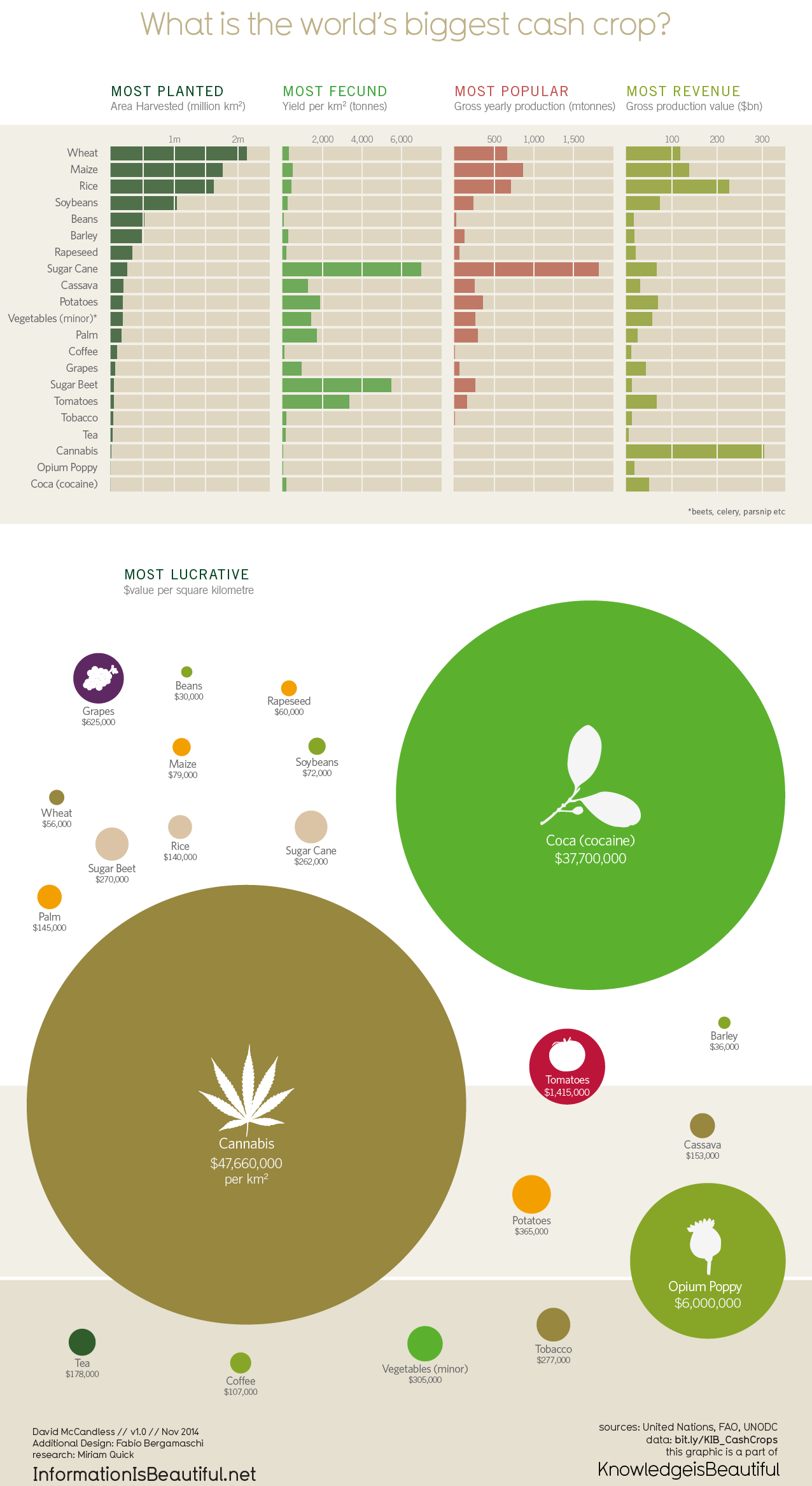
The highest cash crop globally is cotton. Cotton is a significant agricultural commodity that is predominantly cultivated for its fibers, which are used in the textile industry to produce fabrics such as clothing, home textiles, and industrial products. As a cash crop, cotton has substantial economic value, contributing to the livelihoods of millions of farmers and workers in various countries.
The Importance of Cotton Production
Cotton production plays a vital role in several economies worldwide. It provides income for farmers and boosts rural development, especially in developing nations. Key points regarding the importance of cotton production include:
- Economic Impact: Cotton contributes significantly to GDP in many countries.
- Employment Opportunities: It creates millions of jobs in farming, processing, and retail sectors.
- Trade Value: Cotton is an essential export product for many nations, improving their trade balance.
Major Cotton-Producing Countries
The highest cotton-producing countries are essential in shaping the global cotton market. These countries lead in both production volume and quality. Notable producers include:
- China: The largest producer and consumer of cotton, influencing global prices.
- India: A significant grower known for its diverse cotton varieties.
- United States: Predominantly features high-quality cotton, affecting international trade.
Challenges Faced by Cotton Farmers
Despite its economic significance, cotton farmers face numerous challenges that can impact production and profitability. Some of these challenges include:
- Pests and Diseases: Cotton crops are vulnerable to various pests, requiring effective management strategies.
- Climate Change: Increasing temperatures and irregular rainfall patterns affect crop yields.
- Market Fluctuations: Price volatility in the global market makes financial planning difficult for farmers.
Sustainable Cotton Farming Practices
In light of environmental concerns, there is a growing push towards sustainable cotton farming practices that benefit both the ecosystem and the economy. Some practices include:
- Organic Farming: Reduces chemical use and promotes biodiversity.
- Water Management: Efficient irrigation practices to conserve water resources.
- Crop Rotation: Helps maintain soil fertility and reduce pest pressures.
The Future of Cotton as a Cash Crop
The future of cotton as a cash crop is shaped by technological advancements and evolving consumer preferences. Key trends include:
- Genetic Engineering: Developing pest-resistant and drought-tolerant cotton varieties.
- Consumer Demand for Sustainability: Increasing interest in ethically sourced cotton.
- Innovation in Processing: Improving the efficiency of cotton processing technologies.
Which type of farming is the most profitable?

The most profitable type of farming can vary significantly based on location, market demand, and farming techniques. However, as of the most recent agricultural trends, organic farming, specialty crops, and aquaculture have emerged as some of the most lucrative farming practices.
Organic Farming
Organic farming is characterized by growing crops and raising livestock without synthetic fertilizers and pesticides. The demand for organic products continues to rise, making this sector particularly profitable.
- Higher market prices: Organic products often sell at a premium compared to conventionally grown products.
- Consumer preference: Increasing health awareness has led consumers to prefer organic foods, boosting sales.
- Government subsidies: Many governments offer financial support to organic farmers, enhancing profitability.
Specialty Crops
Farming specialty crops such as fruits, vegetables, herbs, and flowers can yield high profits due to their high demand and market prices.
- Limited supply: Many specialty crops have a limited supply due to seasonal growth, increasing their value.
- Diverse market opportunities: Specialty crops can be sold directly to consumers, restaurants, and grocery stores.
- Value-added products: Farmers can create value-added products (e.g., jams, sauces) to further enhance profitability.
Aquaculture
Aquaculture, or fish farming, is one of the fastest-growing sectors in the agricultural industry, providing a sustainable source of seafood.
See also:
- High demand for seafood: With overfishing concerns, farmed fish offers a sustainable alternative that is in high demand.
- Efficient production: Fish farming can yield high returns on investment with lower production costs than traditional livestock farming.
- Export opportunities: Many aquaculture products can be exported, opening up international markets for farmers.
Agritourism
Agritourism blends agriculture and tourism, allowing farmers to offer experiences that attract visitors to their farms.
- Diversified income streams: By attracting tourists, farmers can generate income beyond traditional agricultural products.
- Unique experiences: Offering tours, workshops, or events capitalizes on consumer interest in local and authentic experiences.
- Community engagement: Agritourism creates stronger ties to the local community and cultivates brand loyalty.
Vertical Farming
Vertical farming involves growing crops in stacked layers or vertically inclined surfaces, often in controlled environments, which maximizes space and resource efficiency.
- Space-efficient: Vertical farming can be established in urban areas where land is limited, increasing accessibility to fresh produce.
- Reduced transportation costs: Proximity to urban markets reduces transportation distances and costs, enhancing profitability.
- Year-round production: Controlled environments allow for year-round crop production, mitigating the risks associated with seasonal farming.
What type of agriculture makes the most money?
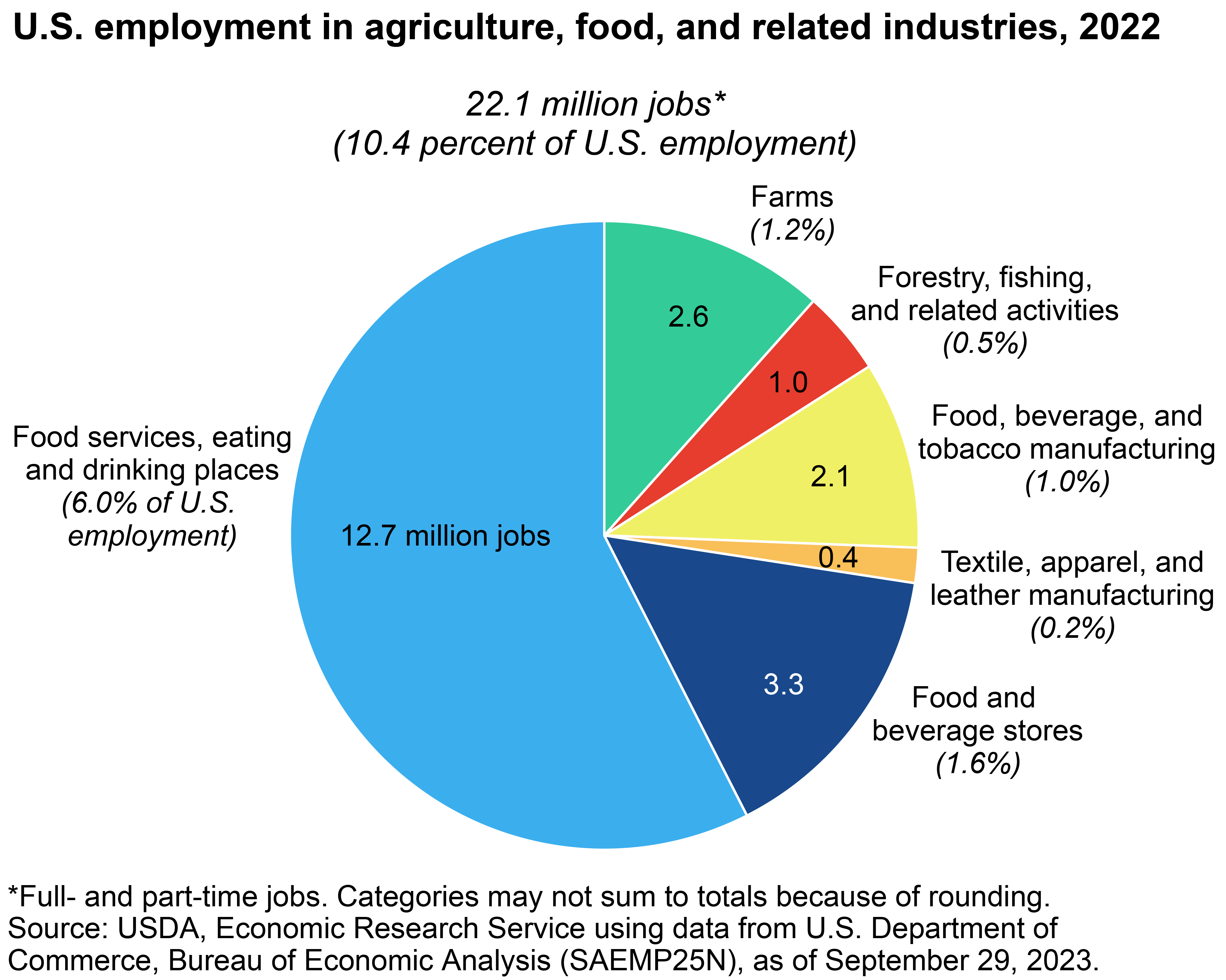
The type of agriculture that makes the most money varies significantly depending on factors such as location, market demand, and the resources available. However, high-value crops, specialized farming, and livestock production tend to be among the most lucrative. Here are some key areas that often yield higher returns:
High-Value Crops
Growing high-value crops such as fruits, vegetables, and herbs can be extremely profitable. These crops often require more investment in terms of inputs and labor but can return much higher profits due to their market prices.
- Organic Produce: Consumers are willing to pay a premium for organic vegetables and fruits.
- Herbs and Spices: Certain herbs like basil, cilantro, and spices can command high prices.
- Exotic Fruits: Fruits that are not commonly grown locally, such as dragon fruit or pawpaw, can sell for substantial amounts.
Specialized Livestock Farming
Specializing in livestock can lead to significant income as well. For example, animals like goats, sheep, and poultry can be raised in unique ways that maximize profitability.
- Grass-fed Beef: Demand for grass-fed options has surged, often leading to better prices.
- Free-range Poultry: Eggs and chicken grown in free-range systems attract higher market prices.
- Luxury Products: Farms that produce products like organic milk or gourmet meats can significantly increase profit margins.
Aquaculture
Aquaculture, or the farming of fish and other aquatic organisms, has emerged as a highly profitable farming type. It is increasingly popular to meet the growing demand for seafood.
- Tilapia and Catfish: These are relatively low-maintenance fish that can be farmed at a lower cost.
- Shellfish: Farming oysters, mussels, or shrimp can be extremely lucrative due to their high market value.
- Aquaponics: Combining fish farming with growing plants can generate higher yields per unit of space.
Agro-Tourism
Combining agriculture with tourism can also be a profitable venture. Agro-tourism allows farmers to diversify their income sources.
- Farm Stays: Providing accommodations on a working farm generates additional revenue.
- Workshops and Tours: Educational experiences like workshops on farming techniques attract visitors.
- Local Markets: Selling directly to consumers enhances profit margins, particularly for unique farm products.
Vertical Farming and Hydroponics
Vertical farming and hydroponics are cutting-edge agricultural methods that can produce high yields in limited spaces, often yielding crops faster than traditional methods.
- Urban Farming: Utilizing vertical space allows cultivation in cities, reducing transport costs.
- Year-Round Production: Controlled environments mean crops can be grown throughout the year, regardless of external conditions.
- Water Efficiency: Hydroponics uses significantly less water than traditional methods, reducing overhead costs.
Questions from Our Readers
What crop is the most profitable to grow?
Crops like bamboo, saffron, and medicinal herbs tend to be the most profitable as they can be sold at high prices in niche markets. However, profitability can vary based on location, market demand, and the costs associated with growing and harvesting.
How does climate affect crop profitability?
What factors influence crop market prices?
Are there any risks associated with growing high-profit crops?
Yes, there are inherent risks associated with growing high-profit crops. These include market volatility, fluctuating demand, and potential crop failures due to pests, diseases, or adverse weather conditions. Diversifying crops and investing in good agricultural practices can help mitigate some of these risks.
See also:

If you want to read more articles like What Kind of Crop Makes the Most Money? A Comprehensive Guide to Profitable Farming., we recommend you check out our Garden category.
Leave a Reply
Related Articles