What is the Easiest Vegetable to Grow in Canada? Discover Top Choices for Every Gardener
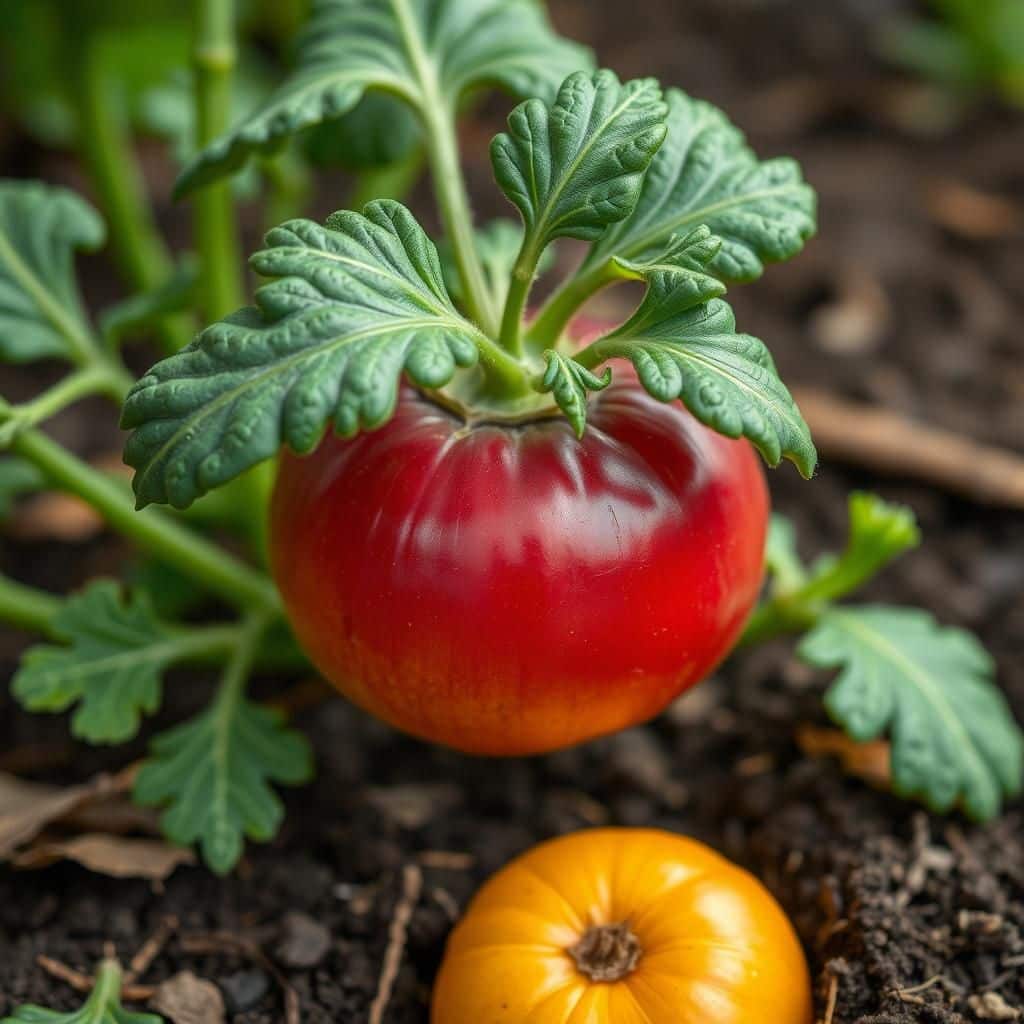
Canada's diverse climate and varying soil types present unique challenges for home gardeners. However, many vegetables thrive across Canadian provinces, making gardening accessible for everyone, from beginners to seasoned green thumbs. In this article, we will explore the easiest vegetables to grow in Canada, taking into account different growing conditions and seasons. Whether you have a spacious backyard or a small balcony, you'll discover top choices that not only yield bountiful harvests but also require minimal effort to cultivate. Join us as we unveil the best options for every gardener, ensuring a rewarding gardening experience throughout the growing season.
What is the Easiest Vegetable to Grow in Canada?
In Canada, one of the easiest vegetables to grow is the radish. This hearty vegetable thrives in a variety of soil types and can be sown directly into the ground in early spring or late summer, making it an ideal choice for Canadian climates. Radishes are known for their rapid growth, maturing in as little as three to four weeks, which allows for multiple harvests in a single growing season. Their resilience to cold weather also means they can withstand light frosts, ensuring a successful crop even in less favorable conditions.
Why Choose Radishes for Canadian Gardens?
Radishes are an excellent choice for Canadian gardens due to their short growing cycle, which allows gardeners to enjoy fresh produce in a relatively short time span. This vegetable is not only easy to grow but also requires minimal care. With proper watering and occasional weeding, radishes can thrive in various soil conditions and adapt well to different climates across Canada.
Ideal Growing Conditions for Radishes
Radishes prefer cool weather and can be planted in early spring or late summer. They thrive in well-drained, loamy soil with good moisture retention. A pH level of 6.0 to 7.0 is ideal for their growth. Seeking partial sunlight for about 4 to 6 hours a day will enhance their development. As they are relatively novel to pests and diseases, they establish successfully in Canadian gardens.
Planting and Caring for Radishes
For optimal growth, radishes should be sown 1/2 inch deep in rows that are spaced about 12 inches apart. Once they sprout, thinning the seedlings is crucial to ensure adequate space and air circulation. Regular watering is essential, and soil should be kept moist but not waterlogged. Fertilizing sparingly, as radishes do not need high nutrient levels, will support healthy growth without risk of bolting.
Harvesting Radishes
Radishes can be harvested as soon as they reach the desired size, typically around 3 to 4 weeks after planting. It is essential to pull them before they become too mature, as overripe radishes can become pithy and less flavorful. To harvest, gently tug the foliage and lift them from the soil, taking care not to damage the roots. Fresh radishes can be enjoyed raw in salads or cooked, making them a versatile addition to any meal.
Common Pests and Problems
While radishes are generally pest-resistant, they can sometimes face issues with pests like aphids or root maggots. Gardeners can manage these problems through companion planting, using barriers, or applying organic insecticides when necessary. Monitoring the garden regularly will help catch any issues early, allowing for proper interventions to protect the radish crop.
| Aspect | Details |
|---|---|
| Growing Cycle | 3 to 4 weeks |
| Ideal Soil pH | 6.0 to 7.0 |
| Sunlight Needed | 4 to 6 hours daily |
| Planting Depth | 1/2 inch |
| Row Spacing | 12 inches apart |
What is the easiest plant to grow in Canada?
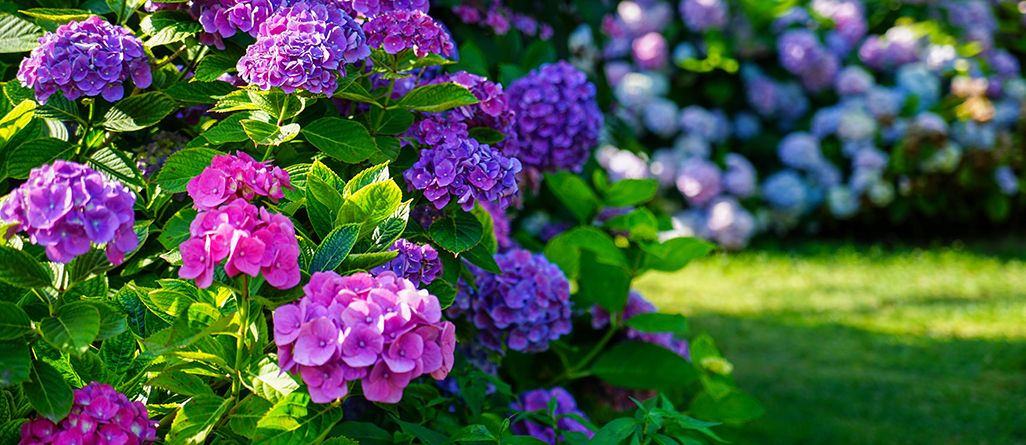
The easiest plant to grow in Canada is the hardy perennial known as the daylily (Hemerocallis). Daylilies are known for their adaptability and resilience in various climates, making them an excellent choice for Canadian gardens. They thrive in many soil types and can tolerate both drought and wet conditions. Additionally, daylilies require minimal maintenance and are resistant to most pests and diseases. Their beautiful, colorful blooms attract pollinators and can enhance the beauty of any garden.
Benefits of Growing Daylilies
Daylilies offer numerous advantages to gardeners, especially in Canada:
- Low Maintenance: Once established, daylilies require little care, making them an ideal choice for busy gardeners.
- Variety of Colors: They come in countless colors and varieties, allowing for creative and vibrant garden designs.
- Wildlife Friendly: Daylilies attract birds and butterflies, adding life to gardens.
Optimal Growing Conditions
To ensure daylilies flourish, certain growing conditions must be met:
- Sunlight: Daylilies prefer full sun to partial shade, ideally receiving at least six hours of sunlight per day.
- Soil Type: While adaptable, they thrive in well-drained soils rich in organic matter.
- Watering: Regular watering is essential for young plants, but established daylilies are drought tolerant.
Planting Tips
When planting daylilies, consider the following tips for successful growth:
- Timing: The best time to plant daylilies is in the spring or early fall when temperatures are milder.
- Spacing: Space plants about 18 to 24 inches apart to allow for growth.
- Planting Depth: Ensure the crown of the plant is level with or slightly above the soil surface to promote healthy growth.
Common Varieties for Canadian Gardens
Several daylily varieties excel in Canadian gardens, including:
See also:
- Stella de Oro: A popular variety known for its bright yellow blooms and extended flowering period.
- Happy Returns: Features beautiful golden-yellow flowers that are fragrant and reblooming.
- About Town: Offers unique wine-red flowers that bring a touch of elegance to gardens.
Dealing with Pests and Diseases
While daylilies are generally resistant, monitoring for pests and diseases is crucial:
- Spider Mites: If detected, spray with insecticidal soap to control their population.
- Leaf Spot: Practice good garden hygiene and avoid overhead watering to minimize this fungal issue.
- Root Weevils: Handpick and remove them or use beneficial nematodes to control their numbers effectively.
What is the easiest vegetable to grow for a beginner?
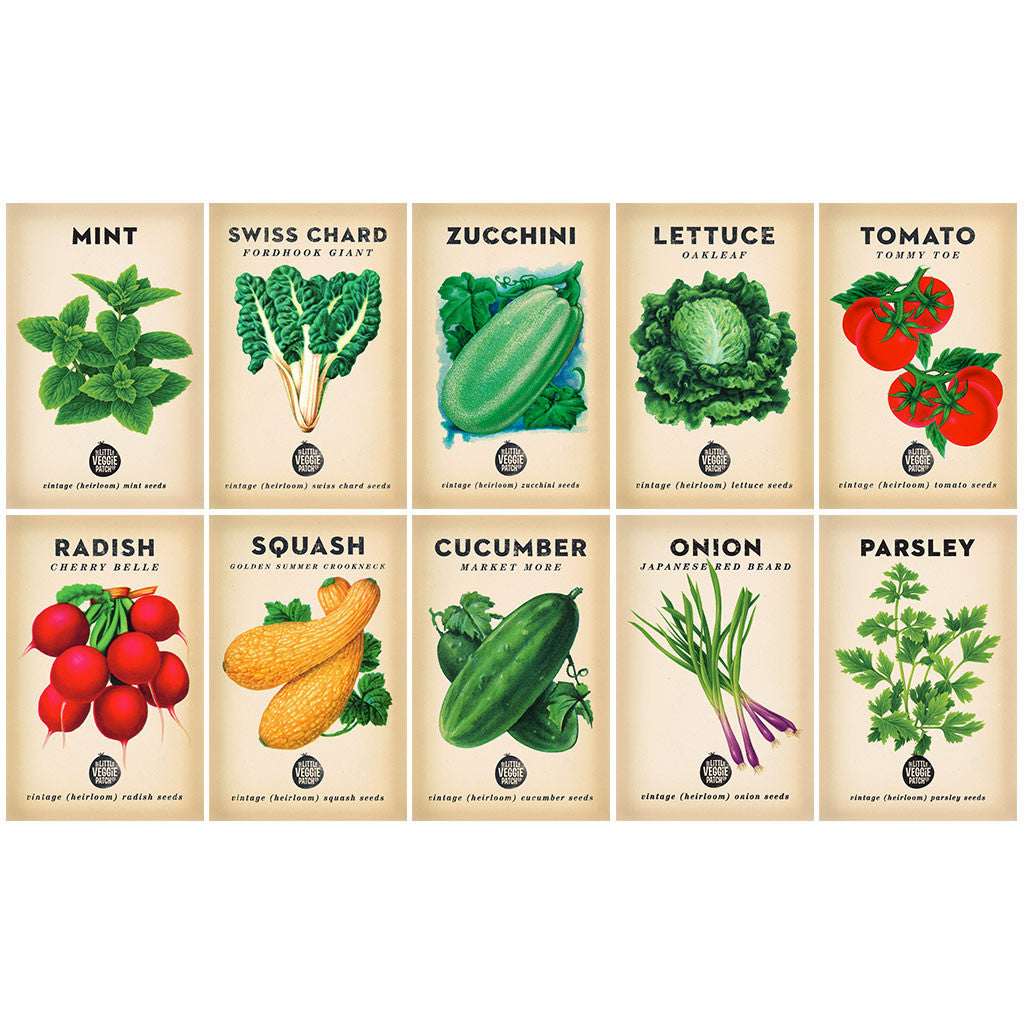
The easiest vegetable to grow for a beginner is often considered to be radishes. They are quick to germinate and have a short growing season, making them an excellent choice for new gardeners.
Quick Germination
One of the primary reasons radishes are recommended for beginners is their quick germination period. Here are some crucial points regarding this aspect:
- Radish seeds typically germinate within 3 to 10 days, depending on the variety and environmental conditions.
- This rapid growth allows new gardeners to see results quickly, providing a sense of accomplishment and motivation.
- Due to their fast growth cycle, radishes can be planted multiple times in a season, allowing beginners to practice their skills.
Minimal Space Requirements
Radishes require very little space, making them suitable for small gardens or even container gardening. Key details include:
- They can be grown in a standard garden bed, raised beds, or even pots on a balcony.
- Each radish plant only needs about 1 inch of space, allowing for a dense planting arrangement.
- This compact nature means they can be planted alongside other vegetables, optimizing the use of garden space.
Low Maintenance
Radishes are among the most low-maintenance crops you can grow. Consider these aspects:
- They require minimal attention compared to other vegetables, making them perfect for beginners.
- Radishes are generally resistant to pests and diseases, which also reduces the need for chemical treatments.
- They thrive in a wide range of soil conditions, although well-drained soil is preferable.
Various Growing Conditions
Radishes can grow well in various conditions, which adds to their appeal for beginners. Points of consideration include:
- They can survive in both full sun and partial shade, accommodating different gardening environments.
- Radishes can be planted in cooler weather, making them suitable for spring and fall planting.
- This adaptability ensures that beginners can grow radishes in most climates without much fuss.
Edible and Delicious
Aside from being easy to cultivate, radishes offer a delicious and peppery flavor. Important factors include:
- They can be eaten raw in salads, cooked in various dishes, or even pickled for additional flavor.
- Radishes are a healthy addition to any meal, rich in vitamins and minerals.
- Being versatile in the kitchen makes them a practical choice for beginners looking to explore gardening and cooking.
What produce grows best in Canada?
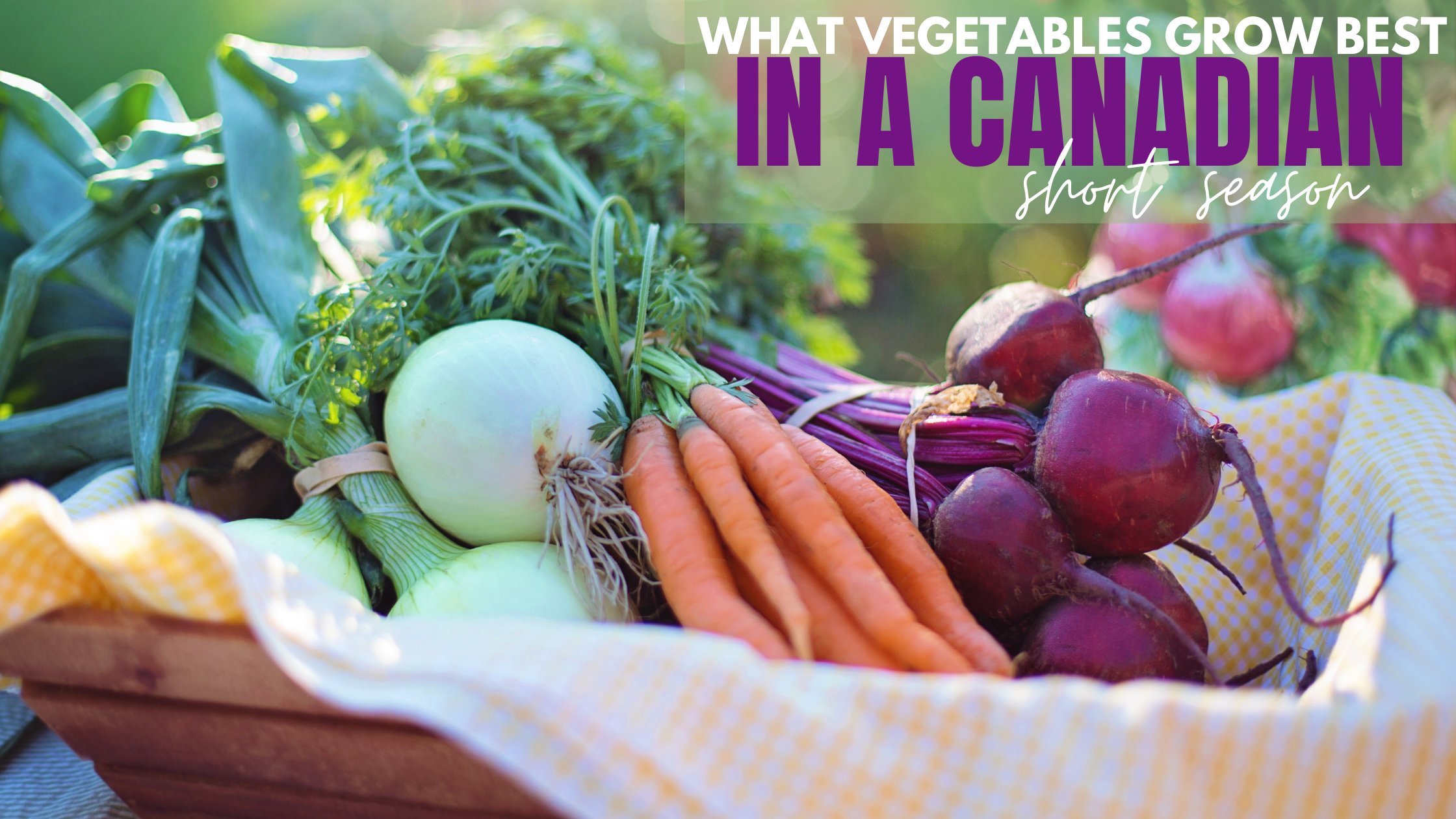
Canada is known for its diverse agricultural landscape, allowing a variety of produce to thrive across its provinces. The climate varies significantly from one region to another, which impacts what crops can be successfully cultivated. Some of the best produce that grows in Canada includes fruits, vegetables, and grains. Here is a detailed look at several key produce types that flourish in the Canadian environment.
Fruits
In Canada, several types of fruits are particularly well-suited for cultivation. The varied climate allows for the growth of both temperate and sub-arctic fruits, especially in areas like British Columbia and Ontario.
- Apples: Canadian apple varieties are renowned for their crispness and flavor, particularly in the Okanagan Valley.
- Berries: Blueberries, strawberries, and raspberries thrive, especially in Quebec and the Maritimes, due to their favorable growing conditions.
- Cherries: Sweet and sour cherries are commonly grown in the warmer regions, particularly in British Columbia.
Vegetables
Canada's climate supports a wide range of vegetables that can be produced throughout the spring and summer months. Regions with fertile soil are ideal for growing high-yield vegetable crops.
- Potatoes: The Atlantic provinces, especially Prince Edward Island, are famous for their high-quality potatoes.
- Corn: Corn is a staple in southern Ontario and is used both for consumption and animal feed.
- Carrots: Many provinces, including Ontario and Manitoba, have large carrot farms, benefitting from sandy soil and a temperate climate.
Grains
Grains are a crucial part of Canadian agriculture, with the Prairie provinces being known for their large-scale production.
See also:
- Wheat: Canada is one of the largest wheat producers in the world, with varieties such as hard red spring wheat being shipped globally.
- Barley: Particularly grown in Alberta and Saskatchewan, barley is essential for beer production and livestock feed.
- Canola: This oilseed is primarily grown in western Canada and is known for its high-quality oil.
Specialty Crops
In addition to conventional crops, Canada is also home to several unique specialty crops that cater to niche markets.
- Maple Syrup: Quebec produces over 70% of the world's maple syrup, making it iconic to Canadian cuisine.
- Herbs and Spices: Culinary herbs such as basil, dill, and chives thrive in greenhouse settings across Ontario.
- Grapes: The Niagara Peninsula is known for its vineyards, producing wine grapes that are increasingly gaining recognition.
Greenhouse Produce
With a shorter growing season, many Canadian farmers use greenhouses to cultivate produce year-round.
- Tomatoes: Greenhouse tomatoes are popular and widely produced, providing a fresh supply even in winter.
- Cucumbers: These are commonly grown in greenhouses, meeting consumer demand throughout the year.
- Lettuce: Leafy greens can be produced almost continuously in controlled environments, contributing to local salad markets.
What is the easiest fruit to grow in Canada?
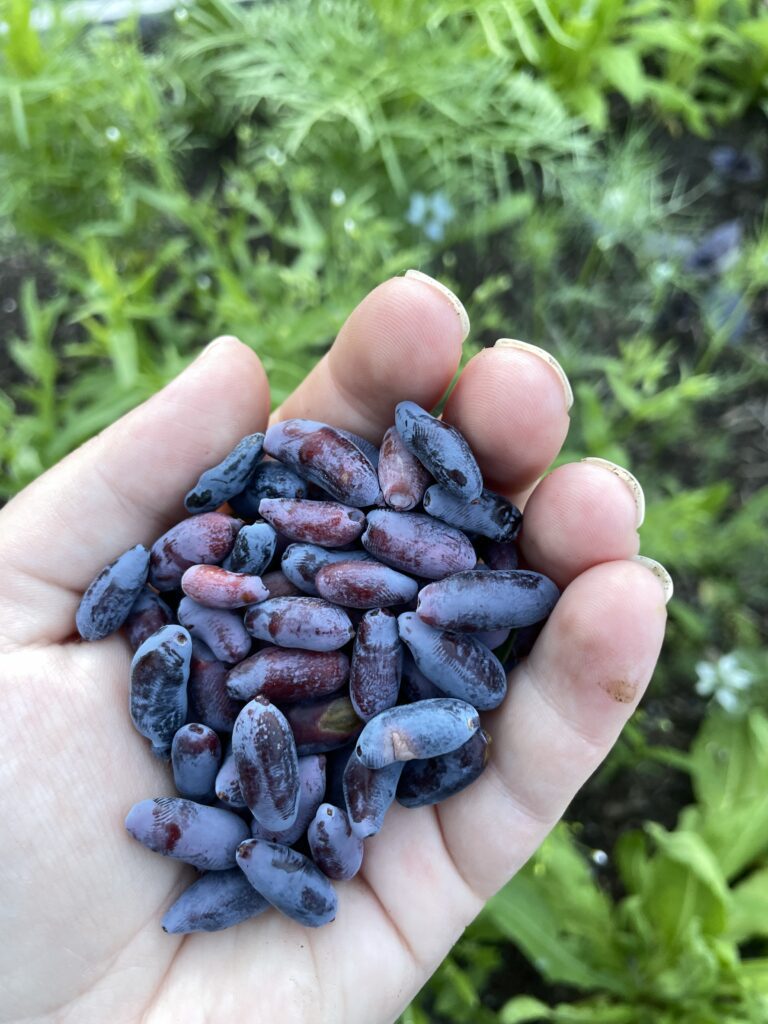
The easiest fruit to grow in Canada is often considered to be the strawberry. Strawberries are adaptable to various climates and can thrive in different soil types, making them an ideal choice for Canadian gardeners, especially in regions with cooler temperatures. They also have a relatively short growing season and can produce fruits within the first year of planting.
Growing Conditions for Strawberries
Strawberries flourish best under specific growing conditions. Here are some key points to consider:
- Soil Type: Well-drained sandy or loamy soils are preferred, but strawberries can tolerate various soil types.
- Sunlight: They require full sun for at least six hours a day to produce high yields.
- Watering: Regular watering is essential, especially during dry spells, but the soil should not remain overly saturated.
Varieties of Strawberries for Canadian Climate
There are several strawberry varieties that perform well in Canada. The following varieties are especially popular:
- June Bearing: These produce a single large crop in early summer, making them great for harvesting.
- Ever Bearing: This type yields fruit throughout the growing season, providing a steady supply of berries.
- Day Neutral: They have the capability to produce fruit regardless of day length, resulting in continuous harvesting.
Maintenance and Care for Strawberry Plants
Proper maintenance is crucial for healthy strawberry plants. Key care practices include:
- Fertilization: Use a balanced fertilizer at the beginning of the growing season to promote growth.
- Mulching: Applying mulch helps retain soil moisture and suppress weeds, which is beneficial for strawberry plants.
- Pest Management: Regularly check for common pests like aphids and slugs, and use organic methods to manage infestations.
Harvesting Strawberries
Knowing when and how to harvest strawberries can enhance your yield. Consider the following:
- Ripeness: Strawberries should be fully red when picked; they won’t ripen off the vine.
- Time of Day: Harvest in the morning when temperatures are cooler for best flavor.
- Technique: Gently twist the berry while holding the stem to avoid damaging the plant.
Potential Challenges in Growing Strawberries
While relatively easy to grow, strawberries can face some challenges. Be aware of the following issues:
- Climate Extremes: Sudden frosts can damage blooms, so use row covers during late spring frosts.
- Diseases: Fungal diseases such as powdery mildew can affect strawberry plants, so good air circulation is vital.
- Wildlife: Birds and other animals may try to eat your strawberries, so consider netting or other protective barriers.
Questions from Our Readers
What is the easiest vegetable to grow in Canada?
Radishes are often considered the easiest vegetable to grow in Canada due to their quick growth cycle and minimal care requirements. They can thrive in cooler climates and can be sown directly into the ground, making them an ideal choice for beginner gardeners.
Can I grow vegetables in Canada year-round?
While most traditional vegetables have a specific growing season in Canada, you can extend your growing period through greenhouses or cold frames. However, in general, the cold Canadian winters limit outdoor gardening to the warmer months, typically from late spring to early fall.
What are some other easy vegetables to grow in Canada?
In addition to radishes, other easy vegetables to grow in Canada include lettuce, beans, and carrots. These vegetables are hardy and adapt well to the varying climate conditions found throughout the country.
Do I need special soil to grow vegetables in Canada?
While not strictly necessary, using a well-balanced, nutrient-rich soil can significantly improve your vegetable growing success in Canada. Amending your soil with compost and ensuring proper drainage will help your plants thrive in the local conditions.
See also:

If you want to read more articles like What is the Easiest Vegetable to Grow in Canada? Discover Top Choices for Every Gardener, we recommend you check out our Garden category.
Leave a Reply
Related Articles