Are Eggshells Good for Plants? Discover the Benefits and Uses for Your Garden
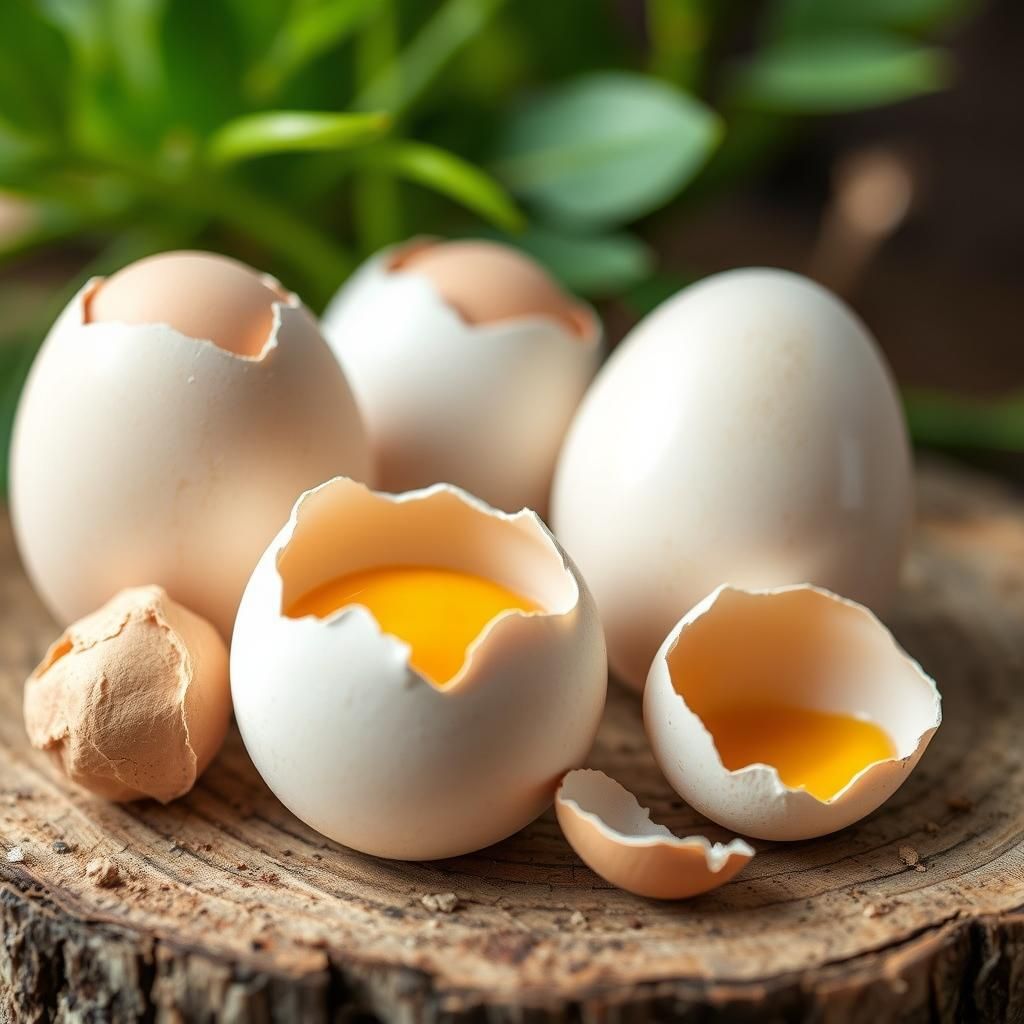
Eggshells are often overlooked in gardening, but these natural byproducts can provide numerous benefits for your plants. Rich in calcium carbonate, they help to strengthen plant cell walls, promote healthy growth, and prevent blossom end rot in tomatoes and peppers. Beyond their nutrient value, eggshells can also improve soil structure and drainage, making them an excellent addition to compost or directly into garden beds. In this article, we'll explore the various ways you can utilize eggshells in your garden, revealing their advantages and practical applications to help your plants thrive. Discover how this simple kitchen waste can transform your gardening experience.
Are Eggshells Beneficial for Plants?
Eggshells are often considered a valuable addition to gardening due to their high content of calcium, which is essential for plant growth and development. When crushed, eggshells can be incorporated into the soil, providing a slow-release source of nutrients that can help prevent issues such as blossom end rot in tomatoes and peppers. Additionally, eggshells can improve soil structure, enhance drainage, and attract beneficial microorganisms that promote healthy root systems. Their use as a natural amendment not only enriches the soil but also represents an eco-friendly way to recycle waste from the kitchen.
Nutrient Content of Eggshells
Eggshells are composed of approximately 95% calcium carbonate, a crucial component that contributes to overall soil health. This high level of calcium can help plants build strong cell walls, making them more resilient to diseases and pests. Furthermore, when eggshells decompose, they release other trace minerals, such as magnesium, phosphorus, and potassium, which can enhance the nutrient profile of the soil. Incorporating crushed eggshells into your gardening routine can effectively increase the availability of these essential nutrients for crops.
How to Prepare Eggshells for Plants
To maximize the benefits of eggshells for your plants, it’s important to prepare them correctly. Start by rinsing the eggshells to remove any residual egg white or yolk, which can attract pests if left unclean. After rinsing, allow the shells to dry completely, then crush them into small pieces or a fine powder. This increases the surface area, making it easier for soil microorganisms to break down the shells and release the nutrients. You can then mix the crushed eggshells directly into your garden soil or sprinkle them around the base of your plants.
Eggshells as Pest Deterrents
In addition to providing essential nutrients, crushed eggshells can act as a natural barrier against certain garden pests. The sharp edges of the crushed shells can deter slugs, snails, and other soft-bodied critters from reaching your plants. By creating a ring of crushed eggshells around vulnerable plants, you can protect them from these destructive pests while promoting a healthy environment for the growth of beneficial insects. This method serves as an eco-friendly alternative to chemical pesticides.
Potential Drawbacks of Using Eggshells
While incorporating eggshells into your garden can offer numerous benefits, there are some potential drawbacks to be aware of. The most notable is that eggshells take time to break down in the soil, meaning their benefits may not be immediately available to your plants. Additionally, if used in excessive amounts, they can alter the soil’s pH balance, potentially making it too alkaline for certain species. Therefore, it’s important to ensure the right balance and avoid over-application, as it might detract from the overall health of your garden.
Alternative Uses for Eggshells in Gardening
Aside from enriching the soil, eggshells can have several alternative uses in gardening. They can be used as natural seed-starters by filling the half shells with potting soil and planting seeds, which can later be transplanted into the garden. Eggshells can also be added to compost piles to enhance the composting process, providing additional calcium as the material breaks down. Furthermore, using crushed eggshells as a mulch can help retain moisture and suppress weed growth, promoting healthier plants.
| Benefit | Description |
|---|---|
| Nutrient Source | Provides calcium and other trace minerals to improve soil health. |
| Pest Deterrent | Deters slugs and snails by creating a sharp barrier. |
| Soil Amendment | Improves soil structure and drainage. |
| Seed Starters | Can be used as biodegradable seed-starting containers. |
| Composting Aid | Enhances nutrient content in compost piles. |
How do you prepare eggshells for plants?


To prepare eggshells for plants, you can follow a series of steps that ensure they are clean, crushed, and ready to be used as a natural fertilizer.
1. Collecting the Eggshells
Gathering eggshells is the first step in preparing them for your plants. This involves:
- Using eggs from your kitchen, preferably organic.
- Rinsing the eggshells to remove any residues or egg whites.
- Letting the shells dry naturally or patting them down with a cloth.
2. Cleaning the Eggshells
Proper cleaning is essential to prevent fungal growth. This can be done by:
- Rinsing the shells under running water to eliminate unwanted bacteria.
- Using mild soap if necessary, but ensure all soap is thoroughly rinsed off.
- Allowing the shells to dry completely on a clean towel.
3. Crushing the Eggshells
Once the shells are clean and dry, crushing them is key to improving their effectiveness as a soil amendment. You can:
- Use a mortar and pestle for a fine consistency.
- Alternatively, place the shells in a plastic bag and crush them with a rolling pin.
- Make sure the pieces are small enough to be easily mixed into the soil.
4. Using Eggshells in the Garden
There are multiple ways to utilize crushed eggshells in your garden, including:
- Mixing them into the compost pile to add calcium.
- Sprinkling them around plants to deter pests like slugs and snails.
- Incorporating them directly into the soil when planting seedlings.
5. Benefits of Eggshells for Plants
Eggshells offer numerous benefits to plant health, such as:
- Providing a natural source of calcium, which helps strengthen cell walls.
- Enhancing soil aeration and drainage when mixed in.
- Releasing nutrients slowly, making them available to plants over time.
What plants should not have egg shells?

Eggshells are often used in gardening as a source of calcium and can help improve soil structure. However, certain plants are sensitive to the high pH that the calcium can introduce or may have other specific requirements that make the addition of eggshells inappropriate. Here are some types of plants that should not have eggshells added to their soil.
See also:
1. Acid-Loving Plants
Acid-loving plants thrive in low pH environments, and the addition of eggshells can increase the soil's pH level, making it more alkaline. This can hinder their growth and lead to nutrient deficiencies. Examples include:
- Blueberries
- Cranberries
- Azaleas
2. Certain Vegetables
Some vegetables prefer specific nutritional balances and may not benefit from the addition of eggshells. For instance, overly alkaline soil can affect their yields. These include:
- Potatoes
- Beets
- Carrots
3. Orchid Species
Most orchids thrive in a delicate balance of moisture and nutrients. The introduction of eggshells can alter their potting mix and potentially harm the roots. Notable orchid types include:
- Cattleya
- Phalaenopsis
- Dendrobium
4. Herbs
Herbs like basil and cilantro prefer well-drained, slightly acidic soil. Adding eggshells can disrupt this balance, leading to potential growth issues. Key herbs include:
- Basil
- Cilantro
- Parsley
5. Certain Flowering Plants
Some flowering plants, especially those requiring acidic soil conditions, may struggle with higher pH levels from eggshells. These include:
- Hydrangeas
- Rhododendrons
- Camellias
Questions from Our Readers
Are eggshells beneficial for plants?
Eggshells can be beneficial for plants as they are a good source of calcium, which is essential for plant growth and development. When crushed and added to the soil, they can help improve the soil structure and provide nutrients to the plants over time.
How should I prepare eggshells for my plants?
To prepare eggshells for use in your garden, it's best to rinse them thoroughly to remove any residue, then let them dry. Once dry, you can crush them into small pieces or grind them into a powder, which makes it easier for plants to absorb the calcium when added to the soil.
Can eggshells help with pest control?
Yes, using crushed eggshells around your plants can help deter certain pests, such as slugs and snails. The sharp edges of the crushed shells create a barrier that can prevent these pests from reaching your plants, offering a natural form of pest control.
See also:
How often should I add eggshells to my garden?
You can add crushed eggshells to your garden soil on a regular basis, ideally a few times a year, especially during planting season. This ensures that your plants receive a steady supply of calcium and can help improve overall soil health.

If you want to read more articles like Are Eggshells Good for Plants? Discover the Benefits and Uses for Your Garden, we recommend you check out our Garden category.
Leave a Reply
Related Articles