Do Cucumbers Like Coffee Grounds? Discover the Surprising Benefits for Your Garden!
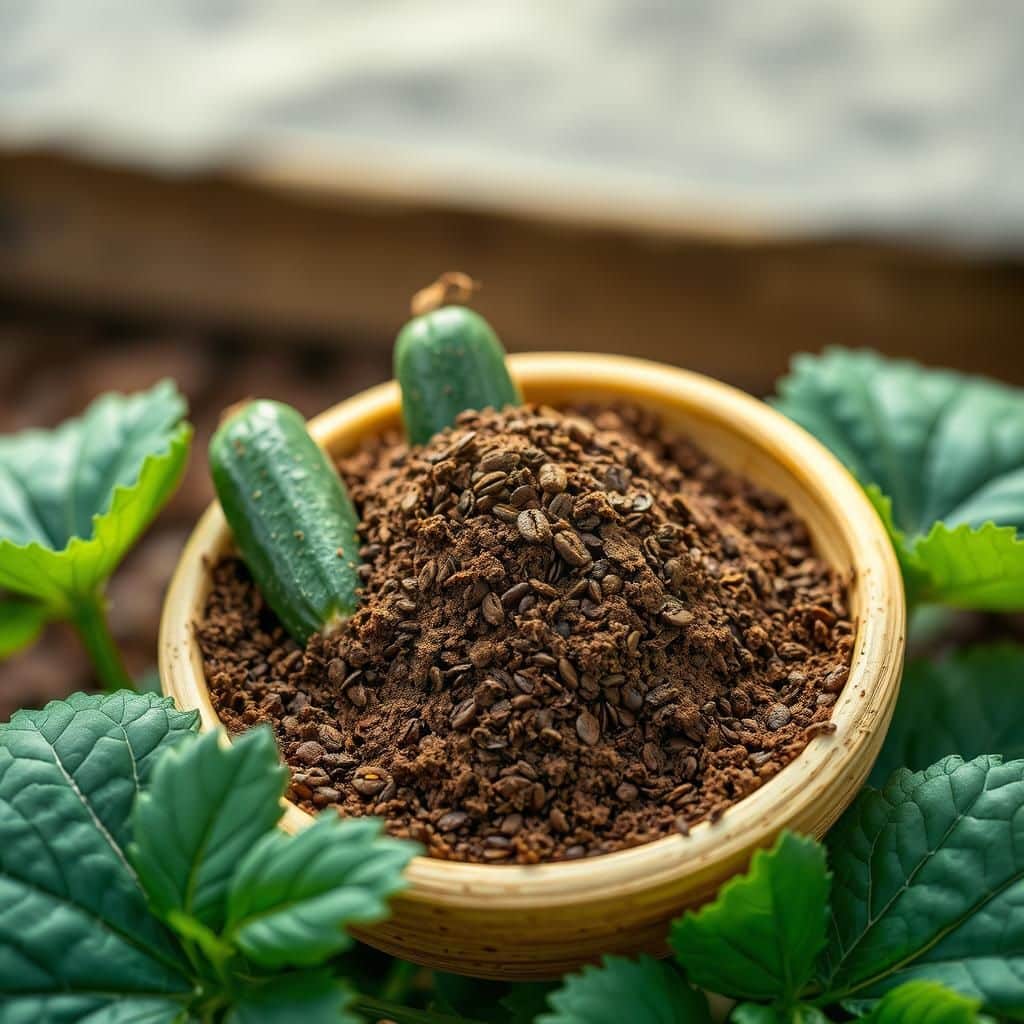
Cucumbers are a beloved garden staple, known for their refreshing crunch and versatility in the kitchen. But did you know that coffee grounds might be their secret ally? In this article, we will explore the surprising relationship between cucumbers and coffee grounds, uncovering the potential benefits these used coffee remnants can bring to your garden. From enriching the soil to enhancing plant health, coffee grounds may prove to be an unexpected yet effective addition to your gardening routine. Join us as we delve into the science behind this intriguing combination and how it can elevate your cucumber-growing experience!
Do Cucumbers Benefit from Coffee Grounds?
Cucumbers can indeed derive some benefits from coffee grounds, primarily due to their nutrient-rich composition. Coffee grounds are known to contain nitrogen, which is essential for plant growth, and they can help improve soil structure and drainage. When mixed into the soil, these grounds can enhance microbial activity, providing a healthier environment for cucumber roots. Furthermore, the acidity of coffee grounds can help lower the pH of the soil, which may be advantageous for cucumbers that prefer slightly acidic conditions. However, it is crucial to use coffee grounds in moderation as excessive amounts may lead to compaction or nutrient imbalances, which could hinder plant growth.
How Do Coffee Grounds Affect Soil pH?
Coffee grounds have an acidic nature, with a pH typically ranging from 6.0 to 6.8, depending on the brewing process. When added to the soil, they can create a more favorable environment for growing cucumbers, particularly if the existing soil is more alkaline. This slight acidity can help release nutrients that are more accessible to the plants. However, the overall effect on soil pH depends on the amount of coffee grounds used, and it is advisable to monitor the soil properties to avoid making it too acidic.
What Nutrients Do Coffee Grounds Provide?
Coffee grounds are a rich source of several essential nutrients for plants, including nitrogen, phosphorus, and potassium. The nitrogen in coffee grounds supports leaf development, while phosphorus promotes root growth and flowering. Potassium contributes to overall plant health and fruit production. The slow decomposition of coffee grounds provides a steady release of these nutrients, making them a beneficial addition to cucumber gardens, enhancing growth and yield.
Can Coffee Grounds Attract Pests?
While coffee grounds can be beneficial for plants, they can also attract certain pests, such as ants or slugs, if not managed properly. Ants are drawn to the rich organic material, which may lead to an increased presence of these pests in your garden. However, using coffee grounds in moderation and mixing them into the soil can discourage pest activity by promoting healthier plant growth, which can resist infestations more effectively.
How to Use Coffee Grounds for Cucumbers?
To incorporate coffee grounds into your cucumber garden, it is best to mix them with compost or soil rather than applying them directly on top of plants. You can add about a quarter of a cup of coffee grounds per plant and mix it into the surrounding soil. Additionally, you can use coffee grounds as a component of a homemade compost, ensuring that they are balanced with other organic materials. This practice will enhance nutrient availability while ensuring proper soil aeration and drainage.
Are There Any Risks to Using Coffee Grounds?
While coffee grounds can provide many benefits, there are some potential risks to consider. Using too many coffee grounds can lead to soil compaction, which restricts root growth and reduces air circulation. Additionally, if the grounds are not composted first, they may contain unwanted caffeine and other compounds that can negatively impact plant growth. It’s essential to use coffee grounds sparingly and observe your cucumber plants for any signs of stress or nutrient deficiency.
| Nutrient | Benefit |
|---|---|
| Nitrogen | Supports leaf development. |
| Phosphorus | Promotes root growth and flowering. |
| Potassium | Enhances overall plant health and fruit production. |
| Acidity | Can help lower soil pH when needed. |
| Microbial activity | Improves soil structure and nutrient availability. |
What vegetables do not like coffee grounds?
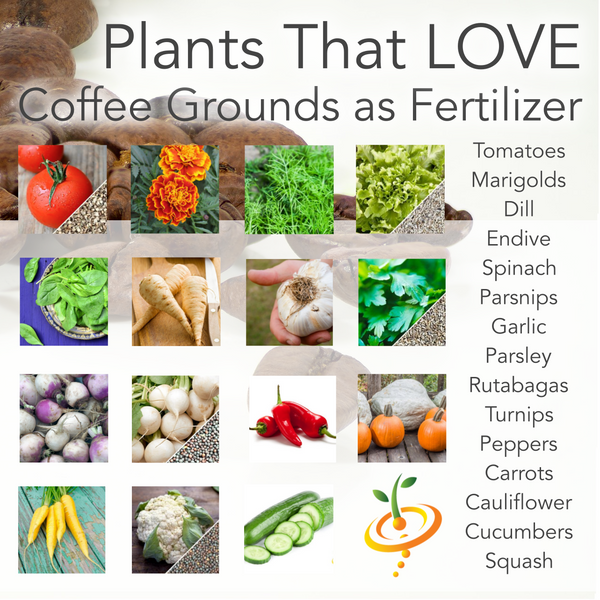
Coffee grounds can be beneficial to many plants due to their nutrient content, but not all vegetables appreciate them. Here are some vegetables that do not like coffee grounds:
1. Onions: Coffee grounds can alter the acidity of the soil, which may not be suitable for growing onions. They prefer a more neutral pH level.
2. Garlic: Similar to onions, garlic tends to grow best in soil that is not too acidic. Adding coffee grounds can lead to a pH imbalance that garlic does not thrive in.
3. Beets: Beets prefer slightly alkaline soil, as coffee grounds can increase acidity, making it less favorable for beet growth.
See also:
4. Carrots: Coffee grounds might attract pests like slugs and snails that can damage carrot plants. The texture of coffee grounds can also create a dense layer that hinders seed germination.
5. Potatoes: Potatoes dislike excessive acidity and water retention, both of which can result from adding coffee grounds to the soil.
Understanding Soil pH and Vegetables
Soil pH is crucial for vegetable growth. Each plant has its preferred pH range for optimal nutrient absorption. For instance, onions and garlic thrive in slightly acidic to neutral soil, making them unsuitable for coffee grounds that can significantly raise acidity.
- Most vegetables prefer a pH between 6.0 and 7.5.
- Adding coffee grounds can increase soil acidity, sometimes beyond optimal levels for certain vegetables.
- It's essential to test soil pH before adding amendments like coffee grounds.
Coffee Grounds and Nutrient Composition
Coffee grounds are rich in nitrogen, phosphorus, and potassium, which are beneficial for many plants. However, not all vegetables utilize these nutrients effectively. Some may find the additional nitrogen overloads their growing conditions, especially root vegetables.
- Coffee grounds can enhance nutrient content but may not suit all vegetable types.
- Root vegetables, like beets and carrots, may suffer if soil nutrients become too concentrated.
- Understanding the nutrient needs of each vegetable helps in deciding when to use coffee grounds.
Pest Attraction and Vegetables
The addition of coffee grounds might attract certain pests that can harm sensitive vegetables. Plants like carrots can be particularly vulnerable to slugs and snails, which are drawn to moist, organic materials such as coffee grounds.
- Slugs and snails may be attracted to coffee grounds, posing a risk to vulnerable vegetables.
- Using coffee grounds in moderation is crucial to avoid pest issues.
- Implementing companion planting can help deter pests in the garden.
Water Retention Concerns
Coffee grounds can retain moisture in the soil, which is beneficial for some plants but detrimental for others that require well-drained soil, such as potatoes. Overly moist conditions can lead to rot and other diseases.
- Potatoes require well-draining soil to prevent rot.
- Excess moisture retention can be detrimental to gardens focused on certain root vegetables.
- Monitoring soil moisture levels is essential to ensure health in your vegetable garden.
Incorporating Coffee Grounds Wisely
If you want to use coffee grounds in your garden, it's essential to do so with caution. Knowing which vegetables do not appreciate them helps in making informed choices.
- Use coffee grounds sparingly around plants that dislike acidity.
- Mix coffee grounds with compost to create a balanced amendment.
- Always observe plants after adding coffee grounds to assess their response.
What is the secret to growing good cucumbers?

To grow good cucumbers, several factors come into play, including soil quality, watering practices, and pest management. Each of these aspects can significantly influence the health and productivity of cucumber plants. Understanding and implementing the best practices can lead to lush green plants and a plentiful harvest.
Soil Preparation
The foundation for any healthy plant, including cucumbers, begins with proper soil preparation. Cucumbers thrive in nutrient-rich, well-drained soil. Here are key steps for effective soil preparation:
- Choose the right type of soil: Aim for loamy soil that retains moisture yet allows excess water to drain away.
- pH level: Aim for a soil pH of 6.0 to 6.8. Conduct a soil test to ensure the right acidity/alkalinity.
- Add organic matter: Enrich your soil with compost or well-rotted manure to improve fertility and clumping.
Planting Techniques
The way cucumbers are planted has a direct impact on their growth. Proper planting techniques can enhance yield and reduce diseases. Consider the following:
- Timing: Plant cucumber seeds after the last frost when the soil temperature is consistently above 60°F (15°C).
- Spacing: Space seeds or seedlings about 12 to 18 inches apart. Allow adequate airflow to prevent fungal diseases.
- Planting depth: Plant seeds about 1 inch deep. Cover lightly with soil to promote germination.
Watering Practices
Cucumbers require consistent moisture for optimal growth, but their water needs can vary. Understanding watering practices is crucial:
See also:
- Frequency: Water cucumbers regularly, around 1 to 1.5 inches per week. This can vary based on weather conditions.
- Method: Use a soaker hose or drip irrigation to allow for deep watering without wetting the foliage, which can lead to diseases.
- Morning watering: Water in the morning to minimize evaporation and allow leaves to dry quickly, reducing fungus risk.
Pest and Disease Management
Maintaining the health of cucumber plants means being vigilant about pest and disease management. Effective strategies include:
- Regular inspections: Check plants weekly for any signs of pests, such as aphids or cucumber beetles.
- Cultural practices: Rotate crops each year to prevent soil-borne diseases and pests from becoming established.
- Organic options: Use neem oil or insecticidal soap as a safe method to control pests without harmful chemicals.
Supporting Growth
Cucumbers are climbing plants that benefit significantly from proper support. Utilize the following methods for better growth:
- Trellising: Train cucumber vines on a trellis to keep fruits off the ground, reducing disease and improving air circulation.
- Staking: Use stakes or cages to provide additional structural support as the plants grow.
- Regular pruning: Trim excess foliage to direct energy toward fruit production and improve light penetration.
Which vegetable plants like coffee grounds the most?

Coffee grounds can be a beneficial addition to your garden soil, particularly for certain vegetable plants. The nutrient content and acidity of coffee grounds make them appealing to various vegetables. Here are some of the vegetable plants that benefit the most from coffee grounds:
1. Tomatoes
Tomatoes thrive well with the addition of coffee grounds. They love the boost in nitrogen that coffee provides, which is essential for their growth and fruit production. Additionally, coffee grounds can help improve soil structure, allowing for better water retention.
- Enhances soil fertility.
- Promotes vigorous growth.
- Improves drainage and aeration in the soil.
2. Carrots
Carrots benefit from coffee grounds since it helps to create a looser soil structure. This is crucial for root development and can lead to healthier and longer carrots. The presence of coffee also helps deter pests that can affect carrot growth.
- Encourages proper root formation.
- Deters pests like aphids.
- Improves soil texture for easier cultivation.
3. Radishes
Radishes grow well when mixed with coffee grounds. The quick-growing nature of radishes means they can utilize the nutrients released from the coffee in a timely manner. It also helps keep the soil moist, which is essential for radish growth.
- Provides quick nutrient absorption.
- Helps retain soil moisture.
- Improves overall germination rates.
4. Spinach
Spinach enjoys slightly acidic soil, making coffee grounds an excellent addition. The nitrogen level in coffee promotes lush foliage and healthy growth. Integrating coffee grounds can also improve the soil's microbial activity, benefiting root development.
- Enhances leaf production.
- Increases microbial activity in soil.
- Supports healthier growth patterns.
5. Peppers
Peppers, both hot and sweet varieties, benefit significantly from coffee grounds. The added nitrogen helps in developing stronger plants that can produce more fruit. Additionally, coffee grounds can assist in preventing certain diseases and pests.
- Promotes fruiting and flowering.
- Helps in pest control.
- Enhances nutrient availability.
Questions from Our Readers
Do cucumbers benefit from coffee grounds?
Cucumbers can indeed benefit from coffee grounds as they provide essential nutrients such as nitrogen, which promotes healthy growth. Additionally, the acidity of coffee grounds can help balance the pH levels in the soil, making it more favorable for cucumber plants.
How should coffee grounds be applied to cucumbers?
To apply coffee grounds to cucumbers, it is best to mix them into the soil before planting or to use them as a top dressing once the plants are established. This method ensures that the nutrients are accessible to the roots without overwhelming the soil.
Can too many coffee grounds harm cucumber plants?
Yes, while coffee grounds offer benefits, using too many can lead to nutrient imbalances and potentially hinder cucumber growth. It's important to apply them in moderation to avoid overwhelming the plants with excess acidity or other nutrients.
See also:
Are there any other benefits of using coffee grounds in the garden?
Absolutely! Beyond their use as a fertilizer for cucumbers, coffee grounds can also act as a natural pest repellent and help improve soil structure, making it more aerated and capable of retaining moisture, which is vital for healthy plant growth.

If you want to read more articles like Do Cucumbers Like Coffee Grounds? Discover the Surprising Benefits for Your Garden!, we recommend you check out our Garden category.
Leave a Reply
Related Articles