Why Put Baking Soda Around Tomato Plants? Discover Its Benefits for a Thriving Garden

When it comes to cultivating healthy tomato plants, gardeners are always on the lookout for effective and natural solutions. One such solution is the use of baking soda, a common household item that offers surprising benefits for your garden. By sprinkling baking soda around tomato plants, you can enhance their growth, improve flavor, and even deter pests. This article explores the science behind using baking soda in gardening, highlighting its various advantages and providing practical tips for incorporating it into your routine. Discover how this simple ingredient can contribute to a thriving tomato garden while promoting a more sustainable approach to gardening.
Why Put Baking Soda Around Tomato Plants?
Using baking soda around tomato plants serves multiple beneficial purposes, primarily related to enhancing plant health and improving fruit quality. The sodium bicarbonate can help to raise the pH level of the soil slightly, creating a less acidic environment that is favorable for tomato growth. Furthermore, when applied as a foliar spray, baking soda can provide protection against fungal diseases, such as powdery mildew, by inhibiting their growth. It can also assist in managing pest outbreaks since the compound often acts as a natural deterrent. Overall, incorporating baking soda into your gardening routine can lead to healthier plants and a better yield of vibrant tomatoes.
The Role of pH in Tomato Plant Health
Maintaining an optimal pH level in the soil is crucial for the health of tomato plants. Ideal pH levels for tomatoes range from 6.0 to 6.8, and using baking soda can help in slightly elevating the acidity of overly acidic soils. This adjustment can enhance nutrient availability, allowing the plants to absorb vital minerals more effectively. When the pH is balanced, tomato plants are better equipped to resist pests and diseases.
Fungal Disease Prevention with Baking Soda
One of the primary advantages of using baking soda is its effectiveness in preventing fungal diseases that often plague tomato plants. When applied to the foliage, baking soda can create an environment that is unfavorable for fungi, such as powdery mildew and blight. It works by neutralizing the fungal spores and preventing their spread, thereby promoting healthier plant growth and improving overall yields.
Insect Deterrent Properties of Baking Soda
Baking soda can serve as a natural insect deterrent, helping to protect your tomato plants from common pests like aphids and spider mites. The alkaline nature of baking soda disrupts their ability to thrive, making it difficult for them to settle and reproduce on the plants. This method of pest control is not only effective but also environmentally friendly, minimizing the need for chemical pesticides.
Application Methods for Baking Soda
There are multiple ways to apply baking soda around tomato plants. One effective method is to mix one tablespoon of baking soda with a gallon of water and use it as a foliar spray. Another option is to sprinkle a thin layer of dry baking soda around the base of the plant, ensuring it does not come into direct contact with the stems to avoid burning. Both methods allow for effective absorption and maximum benefits for plant health.
Combining Baking Soda with Other Gardening Practices
Integrating baking soda into your gardening routine can yield better results when combined with other best practices. For instance, pairing it with organic fertilizers can enhance its benefits, as healthy soil contributes to better plant growth. Additionally, regular watering and proper spacing between plants can optimize airflow, which further reduces the risk of fungal infections and pest infestations.
| Benefit | Description |
|---|---|
| pH Adjustment | Helps create a balanced soil environment. |
| Fungal Disease Prevention | Inhibits growth of harmful fungi. |
| Insect Deterrent | Repels common tomato pests. |
| Easy Application | Can be used as a spray or sprinkled. |
| Integration with Other Practices | Enhances outcomes when used with organic practices. |
Does baking soda prevent tomato blight?

Baking soda is often cited as a potential remedy for tomato blight, specifically targeting diseases like early blight (Alternaria solani) and late blight (Phytophthora infestans). While scientific research on the effectiveness of baking soda in preventing these diseases is limited, it is theorized that baking soda may help create an alkaline environment that is less conducive to the growth of fungal spores. Furthermore, it may possess mild antifungal properties that could benefit tomato plants when used correctly.
The Role of Baking Soda in Fungal Disease Management
Baking soda, or sodium bicarbonate, acts as a fungicide by altering the pH level on the surface of the tomato leaves. Fungal pathogens often thrive in acidic conditions, so increasing alkalinity can inhibit their growth. This makes baking soda a popular choice among organic gardeners looking for natural alternatives to synthetic chemicals. Here are some aspects to consider:
- Effectiveness: Studies suggest that while baking soda can prevent the spread of certain fungal pathogens, it is not a guaranteed solution for all types of blight.
- Application Method: It is best applied as a preventative measure before symptoms appear, mixed with water and a few drops of mild soap to help it adhere to leaves.
- Training and Observation: Regularly inspect your plants for signs of blight even when using baking soda to ensure comprehensive protection.
Alternative Treatments for Tomato Blight
Though baking soda may offer some benefits, there are various other treatments available to combat tomato blight. Many of these alternatives are also environmentally friendly and can be combined with baking soda for improved efficacy. Here are options to consider:
- Copper Fungicides: These are effective at managing blight and are a common choice among organic gardeners.
- Neem Oil: This natural pesticide can help control various fungal diseases, including blight.
- Plant Rotation: Changing the location of tomato plants each year can reduce the chance of blight reoccurring.
Preventative Measures Against Tomato Blight
Taking a proactive approach can significantly reduce the risk of blight affecting your tomato plants. Implementing a series of preventative measures alongside potential treatments like baking soda can yield better results. Key strategies include:
- Proper Spacing: Ensure that tomato plants are adequately spaced to promote air circulation, which helps reduce humidity and fungal growth.
- Watering Techniques: Water at the base of plants early in the day to allow foliage to dry quickly and discourage fungal diseases.
- Mulching: Organic mulch can help retain moisture and prevent soil-borne pathogens from splashing onto leaves during watering.
Timing and Frequency of Baking Soda Application
For those who choose to use baking soda as a preventative measure against tomato blight, knowing when and how often to apply it is crucial for achieving optimal results. Here are some guidelines to follow:
See also:
- Initial Application: Begin applying baking soda mixture at the start of the growing season, particularly before any signs of disease appear.
- Regular Intervals: Reapply every 7-14 days, especially after rainfall or overhead irrigation when fungal spores are prevalent.
- Weather Considerations: Be mindful of environmental conditions; high humidity can promote blight proliferation, requiring more frequent applications.
Potential Drawbacks and Considerations
While baking soda may have its benefits, there are potential drawbacks to consider before incorporating it into your gardening regimen. Understanding these limitations will provide a more comprehensive view of using baking soda against tomato blight.
- Leaf Damage: Too much baking soda can cause leaf burn or change the texture of the leaves, leading to stress for the plant.
- Limited Spectrum: Baking soda primarily targets specific fungi, thus may not be effective against all kinds of tomato blight or other diseases.
- Need for Continued Usage: It should not be seen as a standalone solution, but rather a part of an integrated approach to disease management.
What does Epsom salt do to tomatoes?
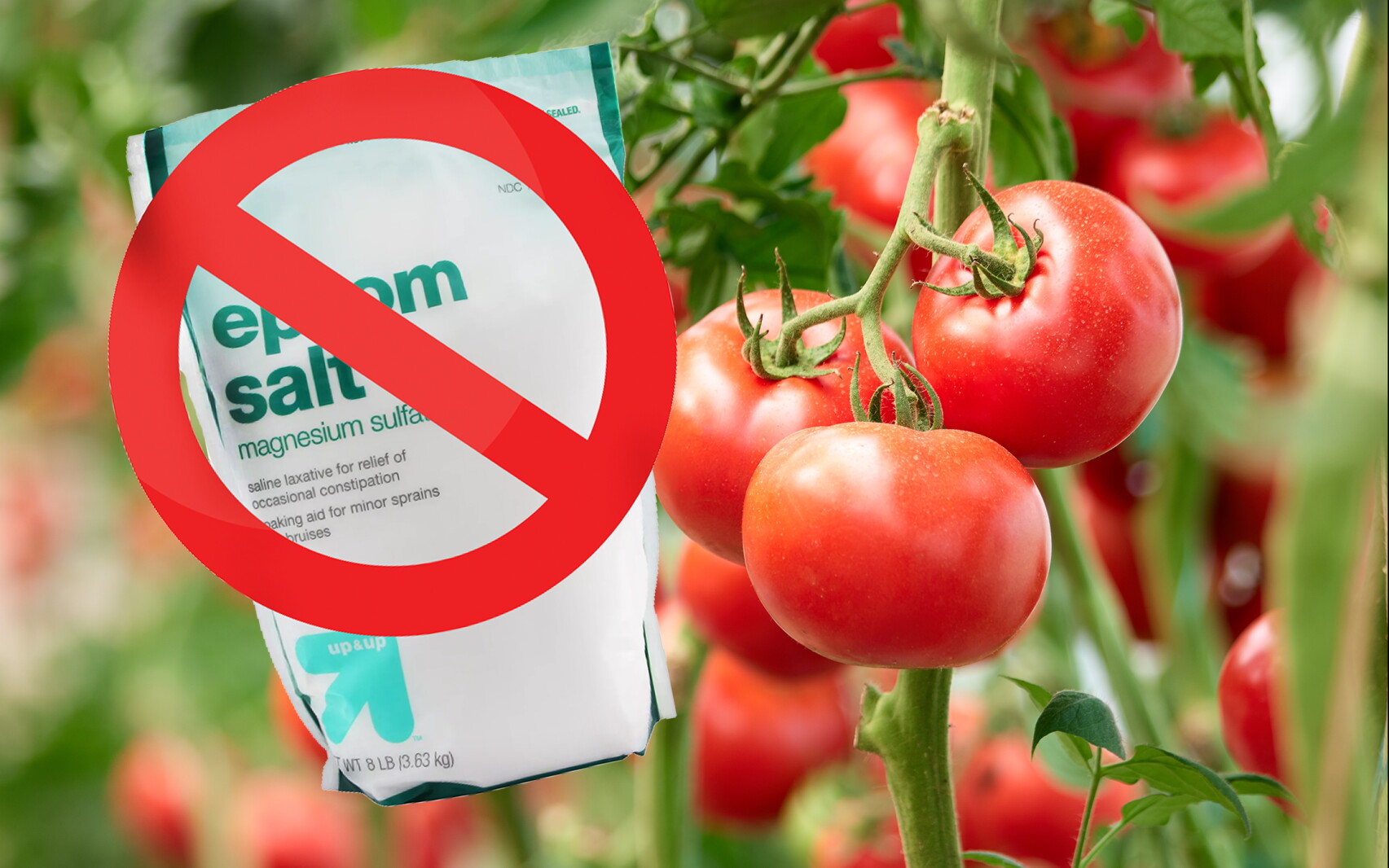
Epsom salt, chemically known as magnesium sulfate, is often utilized by gardeners for its beneficial properties, particularly when it comes to growing tomatoes. Its primary components, magnesium and sulfate, play crucial roles in plant health and growth.
Benefits of Epsom Salt for Tomatoes
Epsom salt provides several advantages that can enhance tomato production:
- Improved Nutrient Absorption: The magnesium in Epsom salt aids in the absorption of essential nutrients like nitrogen and phosphorus, which are vital for healthy tomato plants.
- Enhanced Fruit Quality: With adequate magnesium levels, tomatoes tend to be sweeter and more flavorful, improving overall fruit quality.
- Stronger Plants: Regular application of Epsom salt can strengthen the cell walls of the plants, making them more resistant to diseases and stress.
How to Apply Epsom Salt to Tomato Plants
Applying Epsom salt correctly is essential for maximizing its benefits.
- Dilution: Mix 1 tablespoon of Epsom salt in 1 gallon of water for a nutrient-rich solution.
- Foliar Spray: Spray the solution directly onto the leaves of the tomato plants for rapid absorption.
- Soil Application: Work 1 tablespoon of Epsom salt into the soil at the base of each tomato plant before planting or during the growing season.
Potential Drawbacks of Using Epsom Salt
While Epsom salt is generally beneficial, there are some considerations to keep in mind:
- Overapplication Risks: Excessive use can lead to magnesium toxicity, which may interfere with calcium uptake and harm the plants.
- Not a Complete Fertilizer: Epsom salt should not replace regular fertilization; it is a supplement rather than a substitute.
- Soil pH Effects: Continuous application can affect the soil pH over time, potentially leading to nutrient imbalances.
Signs of Magnesium Deficiency in Tomatoes
Identifying magnesium deficiency is crucial for timely intervention.
- Interveinal Chlorosis: Yellowing between leaf veins is a primary indicator of magnesium deficiency in tomato plants.
- Leaf Curling: Affected leaves may also start to curl or turn crispy at the edges.
- Reduced Yield: Magnesium deficiency can lead to fewer fruits and decreased overall yield.
Alternative Uses of Epsom Salt in Gardening
Epsom salt has various applications beyond just tomatoes:
- Enhancing Soil Structure: It can improve soil texture, particularly in heavy clay soils, making it easier for roots to grow.
- Pest Control: Some gardeners use Epsom salt as a natural pest deterrent due to its abrasive texture.
- Promoting Seed Germination: Soaking seeds in Epsom salt water before planting can help with the germination process.
Can you sprinkle baking soda around plants?
:max_bytes(150000):strip_icc()/GettyImages-1419286443-f2097d25ea8e4796817deb892c555a7c.jpg)
Yes, you can sprinkle baking soda around plants, and it has various beneficial effects when used properly. Baking soda, or sodium bicarbonate, can help with controlling fungal diseases, improving soil quality, and even enhancing plant growth. However, it is essential to use it cautiously to avoid harming your plants.
Benefits of Using Baking Soda Around Plants
Baking soda offers several advantages when sprinkled around plants, primarily due to its alkaline properties. This can help manage pH levels in the soil while providing antifungal benefits. Here are some benefits:
- Fungus Control: Baking soda can help prevent and manage fungal infections such as powdery mildew.
- pH Regulation: It can help raise the soil's pH level, making it less acidic.
- Deterrent for Pests: Some gardeners find that it helps deter pests that might be harmful to plants.
How to Use Baking Soda Effectively
To use baking soda effectively in your garden, it's important to apply it correctly and in moderation. The following steps can guide you:
- Mixing: Combine baking soda with water to make a solution before applying it to your plants.
- Amount: Use a small amount (1 to 2 tablespoons per gallon of water) to prevent any adverse effects.
- Frequency: Apply it every few weeks to maintain its benefits without overdoing it.
Potential Risks of Using Baking Soda
While baking soda is helpful, it can also pose risks if misapplied or used excessively. It's crucial to be aware of potential downsides:
See also:
- Plant Damage: High concentrations can damage leaves and soil health.
- Salt Accumulation: Over time, baking soda can lead to salt buildup in the soil, harming plant roots.
- Disruption of Soil Microorganisms: It can negatively impact beneficial microorganisms essential for soil health.
Alternatives to Baking Soda
If you are concerned about using baking soda, there are several alternatives that can also help maintain plant health and manage pests and diseases:
- Neem Oil: A natural pesticide that can help with pest control without harming the plants.
- Garlic Spray: A homemade solution that deters pests and can also help manage fungal issues.
- Corn Gluten Meal: This can prevent weed growth and improve soil quality without the risks associated with baking soda.
Best Practices for Garden Health
For optimal garden health, it's important to incorporate several best practices alongside the use of baking soda. These practices support the overall well-being of plants:
- Regular Monitoring: Keep an eye on your plants for any signs of disease or distress.
- Soil Testing: Test soil pH regularly to ensure it remains in the ideal range for your plants.
- Diverse Planting: Plant a variety of species to reduce vulnerability to pests and diseases.
What is the best thing to keep bugs off tomato plants?

To keep bugs off tomato plants, there are several effective strategies that can help protect these plants from common pests. The best approach often combines natural methods, insecticidal treatments, and preventative measures. Below are some of the most effective methods to keep tomato plants free from pests.
Handpicking Pests
Handpicking is one of the simplest and most effective methods for controlling pests on tomato plants. It involves inspecting the plants thoroughly and removing any visible insects. This is particularly useful for larger pests like caterpillars and beetles.
- Regular Inspection: Check the underside of leaves and the stem regularly for bugs.
- Manual Removal: Use gloves to gently remove pests and drop them in soapy water to kill them.
- Time-Limited Approach: Make this a routine every few days during the peak growing season to keep the population low.
Using Companion Planting
Companion planting involves growing certain plants alongside tomato plants that deter pests. This strategy utilizes the natural pest-repelling properties of specific plants.
- Basil: Known to repel thrips and aphids while enhancing the flavor of tomatoes.
- Marigolds: These flowers can deter nematodes and other common pests.
- Nasturtiums: Acting as a trap crop, they attract aphids away from tomatoes, keeping them safe.
Applying Natural Sprays
Natural sprays can be created using household ingredients to deter pests without harming beneficial insects. A few popular options include neem oil and garlic spray.
- Neem Oil: Derived from the neem tree, it disrupts the life cycle of pests.
- Garlic Spray: Made from blended garlic, it has a strong odor that repels a variety of insects.
- Soap Spray: Simple soap mixed with water can suffocate small insects like aphids.
Implementing Physical Barriers
Physical barriers are an excellent way to protect tomato plants from pests. These methods involve creating a protective shield around the plants.
- Row Covers: Lightweight fabric can protect plants from insects while allowing sunlight and water through.
- Insect Netting: Fine mesh netting can block pests while letting air circulate.
- Mulching: Using organic mulch keeps the soil moist and can deter some pests.
Utilizing Organic Insecticides
Organic insecticides offer a chemical-free solution for pest control and can be effective in managing infestations without harming the environment.
- Diatomaceous Earth: This natural powder can kill soft-bodied insects by dehydrating them.
- Pyrethrin: Extracted from chrysanthemum flowers, it affects the nervous system of insects.
- Insecticidal Soap: Effective against a variety of pests while being safe for most plants.
Questions from Our Readers
Why is baking soda used around tomato plants?
Baking soda is often utilized around tomato plants to help manage soil pH levels. Tomatoes prefer slightly acidic soil, and baking soda, being alkaline, can assist in reducing the acidity if the soil is too low, promoting better growth and health of the plants.
Does baking soda prevent diseases in tomato plants?
Yes, baking soda can be effective in helping to prevent fungal diseases, such as powdery mildew. Its antifungal properties make it a natural choice for gardeners looking to protect their tomato plants from common infections.
How should baking soda be applied to tomato plants?
Baking soda can be applied by mixing it with water and spraying it on the foliage of the tomato plants or by sprinkling it directly into the soil. This method helps to ensure that the plants receive the benefits of baking soda effectively and efficiently.
Is it safe to use baking soda around edible plants like tomatoes?
Absolutely, baking soda is perfectly safe to use around edible plants like tomatoes when used in moderation. It is a non-toxic substance that will not harm the plants or the health of those who consume the tomatoes.
See also:
If you want to read more articles like Why Put Baking Soda Around Tomato Plants? Discover Its Benefits for a Thriving Garden, we recommend you check out our Tomatoes category.
Leave a Reply
Related Articles