Do Tomato Plants Like Copper? Understanding the Benefits and Risks for Your Garden
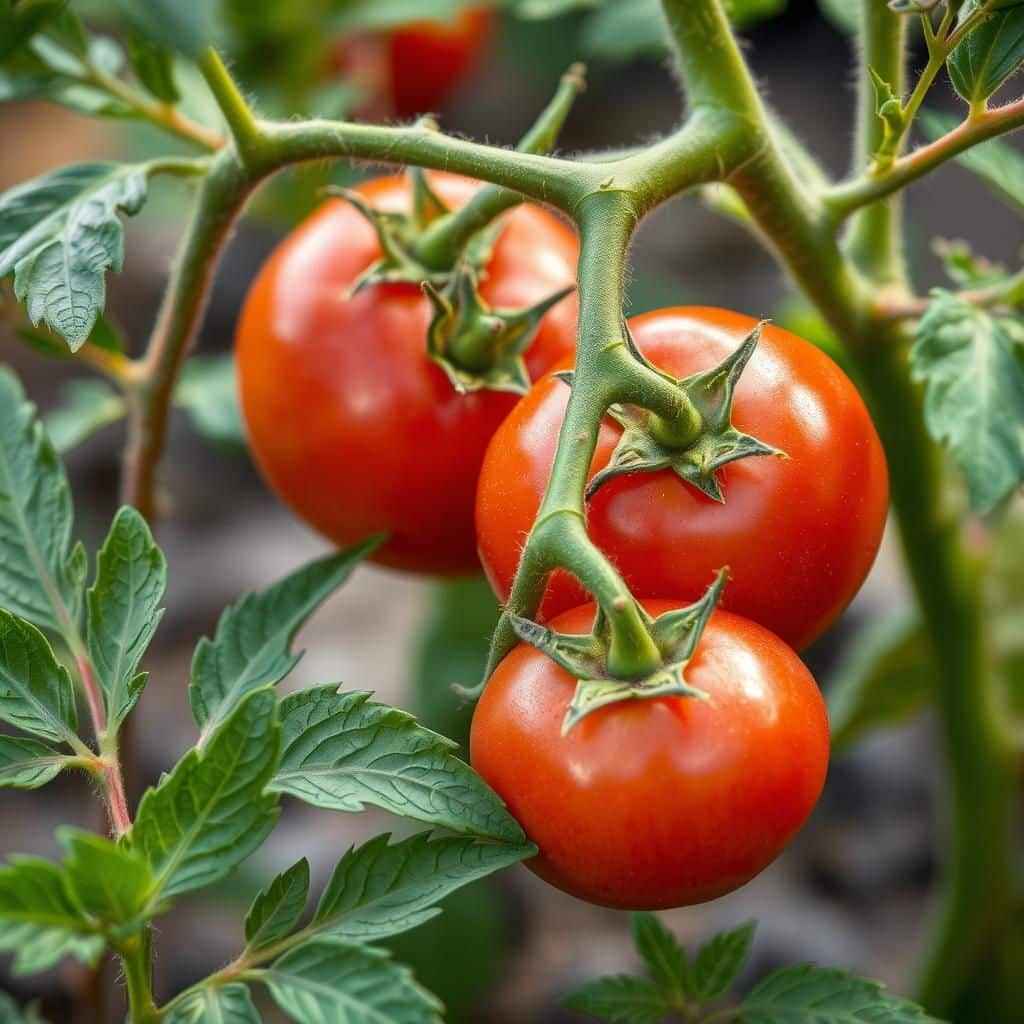
Tomato plants are a favorite among gardeners, prized for their juicy, flavorful fruits. As you cultivate your garden, you may wonder about the role of copper in promoting healthy tomato plants. This article will delve into the benefits and risks associated with copper applications, exploring how this metal can impact plant health, disease resistance, and overall growth. While copper can be beneficial in specific contexts, excessive use can lead to toxicity and adverse effects. Understanding the balance of copper in your gardening practices is essential for nurturing robust tomato plants while safeguarding your yield.
Do Tomato Plants Benefit from Copper?
Tomato plants do have a relationship with copper, as this trace mineral is vital for their overall health and growth. Copper plays a crucial role in photosynthesis, enzyme function, and the formation of lignin, which helps strengthen plant cell walls. However, while copper is necessary in small amounts, excessive levels can be detrimental, leading to toxicity and poor plant development. Thus, maintaining an appropriate balance of copper in the soil is essential for optimal tomato plant growth.
The Role of Copper in Plant Health
Copper is an essential micronutrient for plants, including tomatoes, as it is involved in various physiological processes. It assists in electron transport during photosynthesis, helping the plant convert sunlight into energy. Moreover, copper is a component of certain enzymes that facilitate critical biochemical reactions. A deficiency in copper can lead to stunted growth, poor fruit set, and overall unhealthy plants.
Signs of Copper Deficiency in Tomato Plants
Copper deficiency in tomato plants can manifest through various symptoms. Common signs include chlorosis, or yellowing of leaves, where the plant struggles to produce enough chlorophyll due to insufficient copper levels. Additionally, tomatoes may exhibit stunted growth, poor fruit development, and a lack of vigor. In severe cases, the tips of the leaves may die back, indicating an urgent need for copper supplementation.
Excess Copper: Risks and Symptoms
While copper is essential for tomato plant growth, an excess can lead to toxicity. Symptoms of copper toxicity include leaf burn, where the edges turn brown and crispy, and an overall decline in plant vitality. High copper levels can inhibit the availability of other essential nutrients, such as iron and zinc, resulting in nutrient imbalances. Therefore, it's crucial to monitor copper levels in the soil to prevent adverse effects on tomato plants.
How to Supplement Copper in Tomato Cultivation
If a copper deficiency is suspected, appropriate supplementation can be achieved through various means. Adding copper sulfate to the soil or using foliar sprays containing copper can effectively address this issue. However, it's essential to conduct a soil test prior to application to determine the existing levels of copper, as over-application can lead to toxicity. Always adhere to recommended guidelines for copper use to ensure the healthiest growth for your tomato plants.
Natural Sources of Copper for Tomato Plants
Several natural sources can help provide the necessary copper for tomato plants without risking toxicity. Compost and aged manure often contain trace amounts of copper, fostering soil and plant health. Mulching with materials like copper-rich seaweed can also encourage the gradual release of this nutrient. Furthermore, incorporating trace mineral fertilizers that contain small amounts of copper can help maintain balanced nutrient levels for optimal plant growth.
| Aspect | Benefit | Risk |
|---|---|---|
| Copper Role | Vital for enzyme function and photosynthesis | Excess leads to toxicity |
| Deficiency Symptoms | Chlorosis and stunted growth | Weak plants and poor fruit development |
| High Copper Symptoms | Leaf burn and nutrient imbalances | Impaired growth and vigor |
| Supplementation Methods | Copper sulfate and foliar sprays | Risk of overdose without soil testing |
| Natural Copper Sources | Compost and seaweed mulch | May not be sufficient for large crops |
Is copper good for tomato plants?
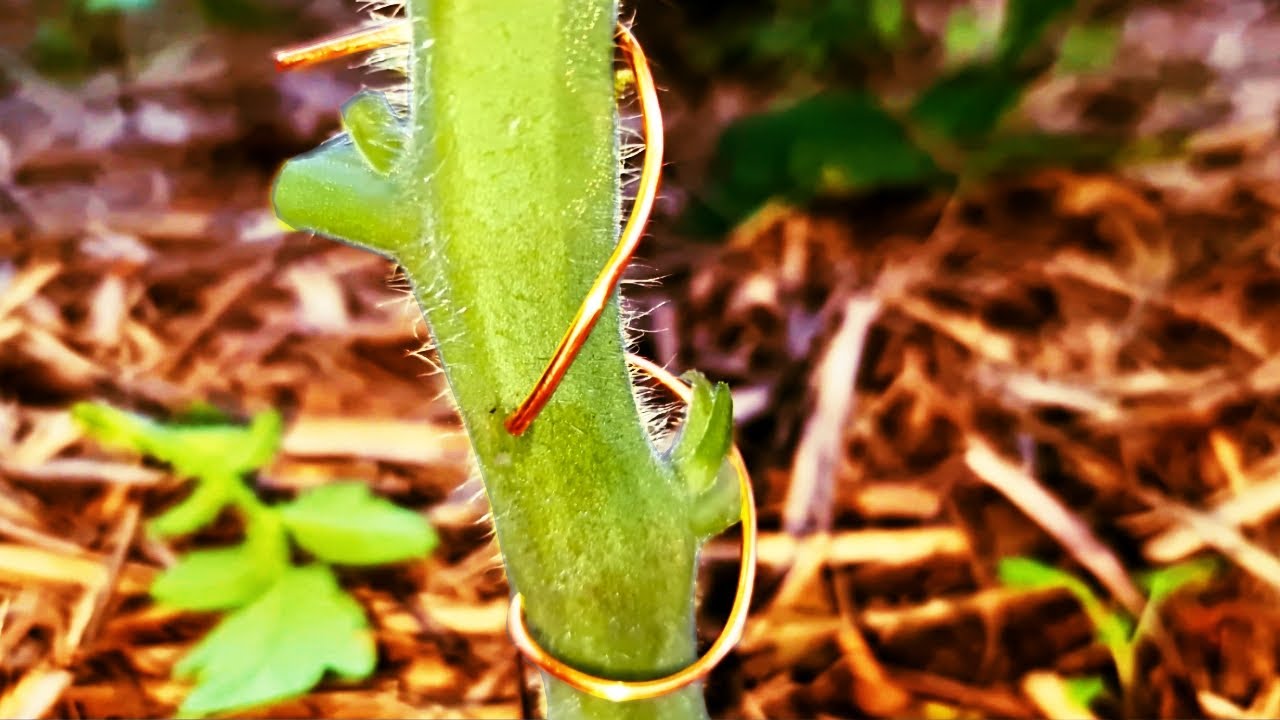
Copper can be beneficial for tomato plants, but it must be used with caution. Copper is an essential trace element that plants need in small amounts. It plays a significant role in various physiological processes, including photosynthesis and enzyme function. However, excessive copper can be toxic to plants, leading to adverse effects on growth and overall health.
Benefits of Copper for Tomato Plants
Copper provides several essential benefits for tomato plants, enhancing their growth and resistance to certain diseases. Key advantages include:
- Improved Photosynthesis: Copper is a vital component of enzymes involved in photosynthesis, increasing the plant's energy production.
- Disease Resistance: Copper helps strengthen the plant's cell walls, making them more resistant to pathogens.
- Better Root Development: Adequate levels of copper contribute to robust root systems, allowing for better nutrient and water uptake.
Signs of Copper Deficiency in Tomato Plants
Tomato plants that lack sufficient copper may exhibit various symptoms that can hinder their growth and yield. These signs include:
- Stunted Growth: Plants may not grow to their full potential, resulting in smaller plants.
- Pale or Yellow Leaves: A notable discoloration, particularly in younger leaves, can indicate a copper deficiency.
- Deformed Fruits: Tomatoes may develop irregular shapes and poor quality if the plant lacks copper during fruit formation.
How to Use Copper for Tomato Plants
Using copper to benefit tomato plants should be approached with care. Here are some ways to apply copper correctly:
- Soil Testing: Before applying copper, test the soil to determine existing copper levels to prevent over-application.
- Copper-Based Fungicides: Consider using copper fungicides to protect plants from fungal diseases, but follow application instructions carefully.
- Copper Sulfate: In specific cases, dilute copper sulfate in water for a foliar spray, but ensure it is at a safe concentration.
Risks of Excess Copper in Tomato Plants
While copper is essential, it is crucial to avoid overapplication, which can lead to toxicity. Potential risks include:
- Phytotoxicity: High copper content can damage leaves, leading to leaf scorch and wilting.
- Nutrient Imbalance: Excess copper can hinder the availability of other essential nutrients, causing deficiencies in those elements.
- Soil Contamination: Prolonged use of copper can accumulate in the soil, leading to long-term negative effects on soil health.
Alternatives to Copper for Tomato Plant Health
If concerns arise around using copper, consider these alternative methods to promote the health of tomato plants:
- Organic Fertilizers: Use well-balanced organic fertilizers to supply necessary nutrients without the risk of copper toxicity.
- Crop Rotation: Rotate crops annually to prevent soil-borne diseases and improve soil health.
- Encouraging Beneficial Microorganisms: Utilize compost and biofertilizers to enhance soil microbiome, which supports plant health.
What is the best thing to put around tomato plants?
:max_bytes(150000):strip_icc()/Spruce_Companion_Plants_For_Tomatoes-b09296ce123143cbba06924494fffa98-8757a09df8a1461ea24f0e5e8013a58f.png)

When it comes to cultivating healthy tomato plants, choosing the right materials to put around them is crucial. Some of the best options include mulch, compost, straw, and wood chips. Each of these choices has unique benefits that can enhance the growth and productivity of tomato plants. Here’s a detailed look at each option and their advantages.
Benefits of Mulch
Mulch is highly beneficial for tomato plants. It helps in retaining moisture, reducing weeds, and regulating soil temperature.
- Moisture retention: Mulch prevents rapid evaporation, ensuring the plants receive consistent watering.
- Weed suppression: By covering the soil, mulch minimizes the growth of weeds that compete for nutrients.
- Temperature regulation: It helps to keep the soil warm during cool nights and cool during hot days.
Using Compost
Compost is an excellent choice to enrich the soil around tomato plants. It adds essential nutrients, enhances soil structure, and promotes beneficial microorganisms.
- Nutrient enhancement: Compost provides a slow release of nutrients, essential for tomato plant growth.
- Soil structure improvement: It improves drainage and aeration, fostering healthier root development.
- Microbial activity: The presence of beneficial microorganisms in compost helps in nutrient absorption.
Straw as Ground Cover
Straw serves as an effective and economical ground cover for tomato plants. It provides numerous benefits such as insulation, moisture conservation, and weed control.
- Insulation: Straw protects plants from extreme temperatures by providing a blanket over the soil.
- Moisture conservation: Similar to other mulches, straw helps retain soil moisture.
- Weed control: It minimizes weed growth by blocking sunlight, making it difficult for weeds to sprout.
Wood Chips Advantages
Wood chips are another popular option for mulching around tomato plants. They are environmentally friendly and provide several important benefits.
- Aesthetic appeal: Wood chips improve the visual appeal of the garden.
- Soil conditioning: As they break down, wood chips add organic matter to the soil.
- Long-lasting cover: Unlike other materials, wood chips can last longer before decomposing, reducing the need for frequent replenishment.
Commercial Plant Protectors
Commercial plant protectors, such as fabric or plastic barriers, can also be beneficial around tomato plants. These materials serve various purposes dependent on their design.
- Disease prevention: Some protectors are designed to shield plants from fungi and pests, reducing disease risk.
- Temperature control: They can provide warmth in cooler climates or shield from intense heat.
- Customizable design: Many commercial options come in various sizes and materials, allowing for tailored solutions.
Which plants benefit from copper?

Copper is an essential micronutrient for various plants, playing a crucial role in their overall health, growth, and development. It is involved in several key physiological processes, including photosynthesis, respiration, and the synthesis of proteins and lignin. Here are some plants that particularly benefit from copper:
1. Fruit Trees: Copper is vital for fruit trees such as apple, pear, and cherry. It aids in pollination and fruit development, enhancing yield and quality.
2. Vegetables: Certain vegetables like spinach, kale, and potatoes thrive with adequate copper levels, as it helps with enzyme activity and overall vigor.
3. Legumes: Crops such as beans and peas rely on copper for nitrogen fixation, which is essential for the growth of these plants.
4. Cereals: Plants like corn and wheat may also benefit from copper, particularly in critical growth periods, helping to improve their resistance to diseases.
5. Ornamental Plants: Many ornamental plants, including roses and azaleas, show enhanced bloom and foliage quality when sufficient copper is available.
Importance of Copper in Plant Growth
Copper serves several critical functions in plant growth. It is essential for the formation of chlorophyll, which is necessary for photosynthesis. Additionally, copper is involved in the development of plant tissues and contributes to enzyme systems. Without copper, plants can exhibit signs of deficiency such as stunted growth and poor fruiting.
- Enhances photosynthesis efficiency
- Facilitates enzyme functions
- Promotes healthy tissue development
Signs of Copper Deficiency in Plants
Plants that lack sufficient copper may display various symptoms that indicate a deficiency. These symptoms can often be mistaken for other nutrient deficiencies, so it's important to identify them accurately. Common signs include chlorosis (yellowing of leaves), stunted growth, and poor fruit development.
See also:
- Yellowish leaves with darkened veins
- Small or misshapen fruits
- Delayed maturity of crops
Application of Copper in Agriculture
In agricultural practices, copper can be applied through various methods, including foliar sprays, soil amendments, and as part of fertilizers. The method of application can influence how effectively the plants can absorb the nutrient.
- Foliar application for quick absorption
- Incorporation into soil prior to planting
- Use as part of a balanced fertilizer regimen
Sources of Copper for Plants
There are several sources of copper that can be utilized in gardening and agriculture, ranging from organic inputs to synthetic fertilizers. Each source can vary in terms of availability and release rates to plants.
- Copper sulfate (synthetic)
- Copper-containing organic fertilizers
- Soil amendments like compost with trace minerals
The Role of Copper in Disease Resistance
Copper is known to enhance plants' resistance to certain diseases. It contributes to the overall health of the plant, helping to fend off pathogens. Plants adequately supplied with copper tend to have improved resilience against fungal infections and other diseases.
- Strengthens cell walls
- Boosts immune responses in plants
- Improves overall plant vigor against pests
Do pennies help plants grow?

The idea that pennies, specifically those made before 1982, can benefit plant growth stems from the fact that they are primarily made of copper, a mineral important for plant health. However, the actual effect of pennies on plant growth remains a topic of debate among scientists and gardeners alike.
The copper in pennies can serve as a micronutrient, but the effectiveness and practicality of using pennies in the soil may not produce the desired outcomes. Below is a detailed exploration of various aspects related to the question of whether pennies help plants grow.
The Role of Copper in Plant Growth
Copper is an essential micronutrient that plants require in small amounts. It plays a crucial role in several physiological processes.
- Photosynthesis: Copper is involved in the process of photosynthesis, helping plants convert light energy into chemical energy.
- Respiration: It also aids in respiration, which is vital for energy production in plants.
- Enzyme Functioning: Copper is a cofactor for various enzymes, affecting growth and development.
Effectiveness of Pennies as a Copper Source
While pennies contain copper, they may not be the most effective way to provide this nutrient to plants.
- Release Rate: The copper from pennies does not readily dissolve in soil, making it difficult for plants to absorb.
- Soil Interaction: Soil chemistry can prevent copper from being available to plants, depending on pH and organic matter.
- Concentration Levels: Natural soil often contains sufficient copper; thus, adding pennies might not yield significant benefits.
Potential Risks of Using Pennies
Using pennies may also pose potential risks that should not be overlooked.
- Leaching of Contaminants: Newer pennies contain zinc and can leach harmful substances into the soil.
- Soil Imbalance: Introducing metals can disrupt the natural balance of micronutrients, potentially harming plant growth.
- Physical Barriers: Pennies may also compact the soil or create physical barriers that hinder root growth.
Alternative Methods to Supply Copper
There are more effective and safer ways to ensure plants receive adequate copper without the potential drawbacks of using pennies.
- Copper Sulfate: This is a common horticultural amendment that provides copper in a soluble form, enhancing availability for plants.
- Organic Sources: Compost and well-rotted manure can naturally increase the available copper in soil.
- Foliar Sprays: Applying copper foliar sprays can supply copper directly to the leaves, which can be an efficient means of intake.
Gardening Myths Surrounding Pennies
The notion that pennies can enhance plant growth has led to various myths and misconceptions in gardening culture.
- Pennies as Pest Deterrents: Some believe that placing pennies in the garden can repel pests, but there is no scientific basis for this.
- Rust Resistance: There is a myth that pennies will prevent rust in garden tools, which is not true and can be misleading.
- Root Development: Another myth states that pennies help with root growth, but evidence does not support this claim.
Questions from Our Readers
Do tomato plants like copper?
Tomato plants can benefit from copper in small amounts as it is an essential micronutrient that helps in various physiological processes. However, excessive copper can be toxic, so it's important to ensure proper soil balance.
What role does copper play in tomato plant health?
Copper is crucial for photosynthesis, enzyme activity, and overall plant growth. It helps in the formation of lignin and is important for a plant's immune response, making it vital for healthy tomato development.
How can I provide copper to my tomato plants?
You can provide copper by using copper-based fungicides or fertilizers formulated for plants. Additionally, ensuring that the soil is not deficient in copper can be achieved through soil testing and amendments as needed.
What are the signs of copper deficiency in tomato plants?
Signs of copper deficiency include stunted growth, wilting leaves, and poor fruit development. If you notice these symptoms, checking the copper levels in your soil may help identify and resolve the issue effectively.
See also:

If you want to read more articles like Do Tomato Plants Like Copper? Understanding the Benefits and Risks for Your Garden, we recommend you check out our Tomatoes category.
Leave a Reply
Related Articles