Is it Safe to Put Baking Soda on Tomato Plants? Explore Benefits and Risks for Your Garden
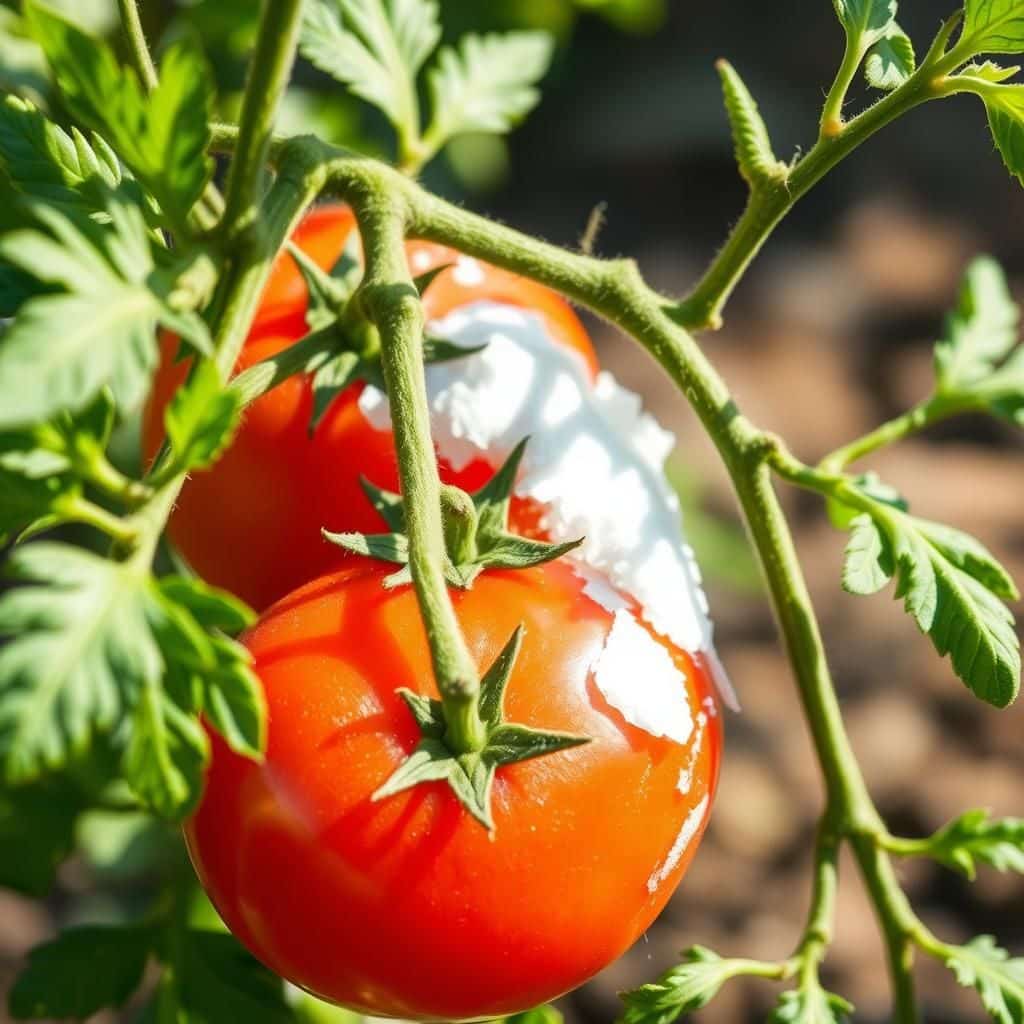
Baking soda, a common pantry staple, has gained attention among gardeners for its potential benefits in treating various plant issues, particularly tomato plants. As enthusiasts seek natural remedies to enhance plant health and combat pests, the question arises: is it safe to use baking soda on tomatoes? This article delves into the advantages and risks associated with applying baking soda to your garden. From its role in disease prevention to possible side effects on plant growth, understanding these factors can help you make informed decisions for a thriving and productive tomato crop.
Is It Safe to Put Baking Soda on Tomato Plants?
Using baking soda on tomato plants can be beneficial when applied correctly, primarily due to its ability to help manage fungal diseases and boost plant health. The sodium bicarbonate in baking soda acts as a natural fungicide, potentially combatting issues like powdery mildew and blight when diluted with water and used as a foliar spray. However, it is essential to use it in moderation, as excessive amounts can lead to increased soil salinity and potentially harm the plants. When used cautiously, this home remedy can support healthier tomato plants and facilitate better growth.
Benefits of Baking Soda for Tomato Plants
Applying baking soda to tomato plants can provide several benefits, like enhancing fruit quality and preventing fungal diseases. When used as a foliar spray, it helps create an alkaline environment that discourages the growth of fungi. Additionally, it can improve the overall health of the plants by providing necessary minerals. The use of baking soda can also promote better fruit development and prolong the harvest period for tomatoes.
How to Use Baking Soda on Tomato Plants
To effectively use baking soda on tomato plants, mix a tablespoon of it with a quart of water and a few drops of liquid soap to help the solution adhere to the leaves. Spray this mixture onto the foliage, focusing on the undersides of the leaves where pests and fungi tend to congregate. It is advisable to apply this solution during the evening or on cloudy days to minimize sunlight interference, maximizing its effectiveness. Frequent applications, approximately every two weeks, can help maintain plant health.
Potential Risks of Using Baking Soda
While the use of baking soda can be advantageous, there are also some risks involved. Excessive application may lead to an increase in soil salinity, which can damage tomato plants and hinder their growth. Furthermore, if applied too frequently or in high concentrations, it can disrupt the soil pH balance, negatively affecting nutrient availability. Thus, careful monitoring and moderation in its use are crucial to avoiding unwanted side effects.
Alternatives to Baking Soda
If you're concerned about the potential negative effects of using baking soda, there are various alternatives that can help combat diseases and promote healthy tomato growth. For example, using neem oil or baking powder can provide similar fungicidal properties without the risks associated with sodium. Additionally, implementing good gardening practices, such as crop rotation and using resistant varieties, can also help minimize diseases while ensuring robust plant development.
Conclusion on the Use of Baking Soda
In summary, while baking soda can offer various benefits for tomato plants when used properly, it's essential to be aware of its potential risks and to apply it thoughtfully to avoid harm to your garden. Regular monitoring and an understanding of your tomatoes’ individual needs will lead to the best outcomes in plant health and productivity.
| Benefit | Application Method | Potential Risk |
|---|---|---|
| Fungal Disease Prevention | Spray diluted solution | Soil Salinity Increase |
| Improves Fruit Quality | Evening application | Nutrient Availability Disruption |
| Enhances Plant Health | Use liquid soap for adhesion | pH Balance Disruption |
How to apply baking soda on tomato plants?

To apply baking soda on tomato plants, you can follow several methods that can help improve the health and growth of your plants. Baking soda is a natural substance that can be beneficial in preventing fungal infections and enhancing the flavor of tomatoes. Here’s how to apply it effectively.
Benefits of Using Baking Soda on Tomato Plants
Using baking soda for tomato plants offers numerous advantages:
See also:
- Fungal Infection Prevention: Baking soda acts as a fungicide and can help prevent diseases such as powdery mildew.
- pH Balance: It helps to regulate soil pH, making it more alkaline, which can be beneficial for tomato plant health.
- Flavor Enhancement: Some gardeners believe that baking soda can improve the sweetness of tomatoes.
When to Apply Baking Soda
Timing is crucial when applying baking soda to your tomato plants:
- Early Season: Apply it at the beginning of the growing season to strengthen plants against potential diseases.
- After Rain: Consider reapplying after a rainfall to maintain effectiveness as it can wash away.
- During Flowering: Use it when plants are flowering to improve fruit development and taste.
Methods of Application
There are several effective methods for applying baking soda:
- Baking Soda Spray: Mix 1 tablespoon of baking soda with 1 quart of water. Spray this mixture on the leaves to combat fungal infections.
- Soil Mix: Combine baking soda with compost or soil to improve soil health. Use about 1 tablespoon per square foot of garden soil.
- Fertilizer Addition: Sprinkle a small amount of baking soda around the base of the plants occasionally for a slow-release effect.
Precautions When Using Baking Soda
While baking soda is beneficial, some precautions should be taken:
- Concentration: Do not exceed recommended amounts, as too much baking soda can harm plants.
- Sun Exposure: Avoid applying during extreme heat or direct sunlight to prevent leaf burn.
- Test First: Always test on a small area before a full application to monitor plant reactions.
Storing and Handling Baking Soda
Proper storage and handling of baking soda can enhance its effectiveness:
- Airtight Containers: Keep baking soda in airtight containers to prevent moisture absorption.
- Cool, Dry Place: Store it in a cool, dry location to maintain its potency.
- Check Expiry: Regularly check the expiry date and replace old baking soda for optimal results.
What is the best thing to keep bugs off tomato plants?

To keep bugs off tomato plants effectively, a combination of preventive measures, natural remedies, and physical barriers can be employed. Here are some of the best strategies:
Natural Insect Repellents
Using natural insect repellents can deter bugs without harming the environment. These options are often easy to find and apply. Some popular natural repellents include:
- Neem oil: Derived from the seeds of the neem tree, it disrupts the life cycle of many insects.
- Garlic spray: The strong scent of garlic can repel various pests. Simply mix crushed garlic with water and spray it on the plants.
- Peppermint oil: This essential oil is effective against aphids and spider mites when diluted and sprayed.
Beneficial Insects
Encouraging beneficial insects in your garden can provide natural pest control. These insects prey on harmful pests, reducing their population. Key beneficial insects to attract include:
- Ladybugs: They consume aphids and other soft-bodied insects.
- Lacewings: Their larvae feed on thrips, aphids, and caterpillars.
- Hoverflies: Often mistaken for bees, their larvae help control aphid populations.
Physical Barriers
Implementing physical barriers can protect tomato plants from insect infestations. Simple measures include:
- Row covers: Light fabric can be draped over crops to prevent insect access while still allowing light and air in.
- Insect netting: A more permanent solution, insect netting can keep bugs out while letting in light and rain.
- Mulching: Applying mulch can deter certain pests and help with moisture retention and temperature control.
Companion Planting
Utilizing companion planting can boost pest resistance. Some plants repel insects naturally. Effective companions include:
See also:
- Basil: Known to repel aphids and other pests.
- Marigolds: Their strong scent deters nematodes and whiteflies.
- Garlic: Aside from being a spray, planting garlic nearby can provide wonderful pest control.
Regular Maintenance and Monitoring
Maintaining a watchful eye on your tomato plants is crucial for early pest detection. Regular maintenance and monitoring include:
- Frequent inspections: Look for signs of insect activity, including holes in leaves or sticky residue.
- Prompt removal: Handpicking larger insects like caterpillars can immediately reduce the pest population.
- Healthy practices: Keeping plants well-watered and adequately spaced can enhance their resilience against pests.
Does baking soda react with tomatoes?

Baking soda, or sodium bicarbonate, has a unique interaction with various substances, including tomatoes. When baking soda is added to tomatoes, it can lead to a chemical reaction that affects both flavor and pH levels. Here’s a detailed exploration of this reaction.
Understanding the Chemical Reaction
Baking soda is a basic compound (alkaline), while tomatoes are naturally acidic due to their content of citric acid and malic acid. When baking soda is introduced to tomatoes, it reacts with the acids, resulting in the formation of carbon dioxide gas and water. This reaction can temporarily increase the pH of the tomato mixture, making it less acidic.
- The reaction produces bubbles as carbon dioxide is released.
- The change in pH can affect the color and texture of tomatoes.
- This reaction is commonly utilized to reduce acidity in various dishes.
Effects on Flavor Profile
The addition of baking soda alters the taste of tomatoes. The chemicals produced can neutralize some of the acidity, leading to a sweeter or more bland flavor, depending on the quantity used.
- Tomatoes may taste less tangy after the reaction.
- The overall dish may require adjustment of other seasonings to rebalance flavors.
- Some may prefer the flavor change, while others might find it undesirable.
Culinary Uses of Baking Soda with Tomatoes
Cooks often employ baking soda when preparing tomato-based sauces or soups to manage acidity levels. This technique is especially useful for those who experience discomfort from acidic foods.
- Adding baking soda in small amounts can help achieve smoother sauces.
- It can reduce cooking time by easing the breakdown of acidic components.
- Use with caution to avoid creating an overly alkaline mixture.
Potential Health Considerations
While baking soda can be beneficial in moderation, excessive consumption may lead to health issues. High sodium intake can contribute to conditions such as hypertension.
- Monitor the amount of baking soda used to maintain a healthy sodium level.
- Consult with a healthcare professional if you have underlying health conditions.
- Consider alternative methods for reducing acidity if necessary.
Alternatives to Baking Soda in Tomato Dishes
If reducing acidity is the goal, there are several alternatives to using baking soda that can be employed for a more balanced dish.
- Sugar can help counteract acidity without altering pH levels.
- Adding carrots or other sweet vegetables can naturally sweeten the dish.
- Use dairy products like cream or cheese to neutralize acidity without chemical reactions.
Questions from Our Readers
Is it safe to put baking soda on tomato plants?
Baking soda can be considered safe for tomato plants when used in moderation. It can help in managing fungal diseases due to its alkaline properties, but overuse may lead to sodium buildup in the soil, which can harm the plants.
What benefits does baking soda provide for tomato plants?
Using baking soda can help control fungal infections like powdery mildew by creating an unfavorable environment for the fungi. Additionally, it can contribute to pH balance in the soil, potentially improving the overall health of the tomato plants.
See also:
How should baking soda be applied to tomato plants?
To apply baking soda, it's recommended to dissolve it in water and use it as a spray for the foliage, ideally in the early morning or late afternoon to avoid burning the leaves. A common ratio is to mix 1 teaspoon of baking soda in a quart of water.
Are there any risks associated with using baking soda on tomato plants?
While baking soda can be beneficial, using it in excess can lead to salt accumulation in the soil, which may inhibit plant growth. It's essential to monitor the concentration and frequency of application to avoid possible damage to the plants.
If you want to read more articles like Is it Safe to Put Baking Soda on Tomato Plants? Explore Benefits and Risks for Your Garden, we recommend you check out our Tomatoes category.
Leave a Reply
Related Articles