Why Spray Epsom Salt on Tomato Plants? Benefits and Tips for Thriving Growth
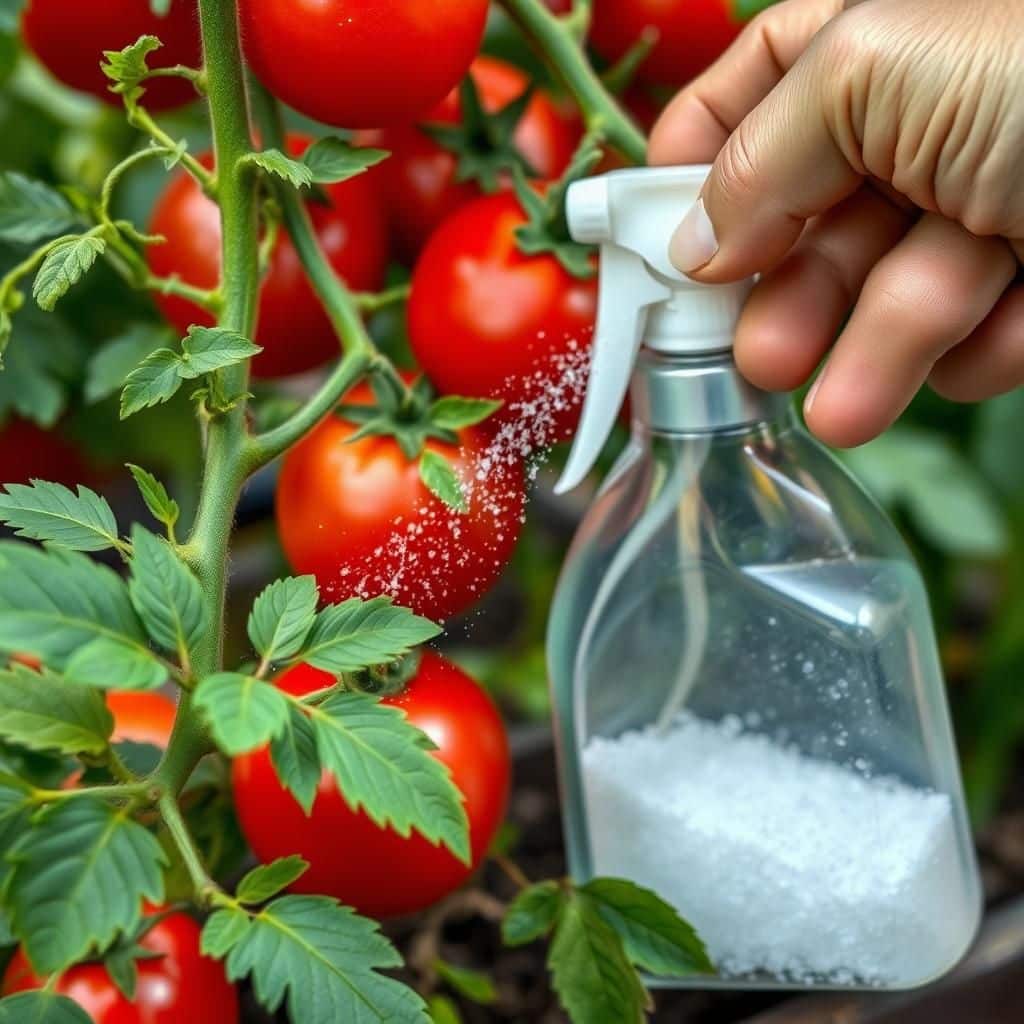
Epsom salt, a natural mineral compound composed of magnesium and sulfate, has gained popularity among gardeners for its numerous benefits, particularly for tomato plants. Spraying Epsom salt solution can enhance nutrient uptake, improve plant health, and promote robust growth. This article delves into the advantages of using Epsom salt on tomato plants, exploring how it helps prevent common deficiencies and boosts overall yield. Additionally, we will provide essential tips for effectively applying this remedy, ensuring that your tomatoes thrive throughout the growing season. Discover how a simple spray of Epsom salt can transform your gardening experience.
Benefits of Spraying Epsom Salt on Tomato Plants
Spraying Epsom salt on tomato plants is beneficial due to its high magnesium content, which enhances chlorophyll production and promotes healthier growth. Magnesium plays a crucial role in the photosynthesis process, improving the overall vigor of the plants and resulting in a more robust yield. Additionally, Epsom salt helps in the absorption of other essential nutrients, such as nitrogen and phosphorus, leading to better flowering and fruiting. By providing supplemental magnesium, gardeners can effectively reduce the occurrence of deficiencies and improve the quality of their tomatoes, ensuring a more productive harvest.
What is Epsom Salt?
Epsom salt, chemically known as magnesium sulfate, is a naturally occurring mineral compound comprised of magnesium, sulfur, and oxygen. It is often used in gardening due to its ability to enhance soil quality and provide essential nutrients that support plant growth. The presence of magnesium in Epsom salt aids in various physiological processes in plants, making it a popular choice among gardeners seeking to improve their crops.
How Does Magnesium Benefit Tomato Plants?
Magnesium is a vital nutrient for tomato plants as it contributes to several key functions, such as aiding in the formation of chlorophyll, which is essential for photosynthesis. This process allows plants to convert sunlight into energy, leading to healthier and more vigorous growth. Additionally, magnesium helps in the development of fruit and flower buds, promoting a higher yield. Without adequate magnesium, tomato plants may exhibit signs of deficiency, such as yellowing leaves and poor fruit development.
How to Apply Epsom Salt to Tomato Plants?
To apply Epsom salt to tomato plants, mix about 1 to 2 tablespoons of the salt with a gallon of water and spray the solution directly onto the leaves and soil around the base of the plants. This method allows for the easy absorption of magnesium through both foliar spray and root uptake. It’s best to apply the solution during the early morning or late afternoon when the temperatures are cooler to minimize evaporation and ensure that the plants can absorb the nutrients effectively.
See also:
When to Use Epsom Salt on Tomato Plants?
The optimal timing for using Epsom salt on tomato plants is during the growing season, particularly when the plants start to flower and produce fruit. At this stage, the demand for magnesium increases, making it crucial to provide an adequate supply. Applying Epsom salt every 4 to 6 weeks can ensure that the plants have enough magnesium to support healthy growth and fruit development throughout the season.
Potential Risks of Overusing Epsom Salt
While Epsom salt can benefit tomato plants, overuse may lead to nutrient imbalances in the soil. Excessive magnesium can interfere with the absorption of other essential nutrients, such as calcium and potassium, ultimately harming the plants. It’s important to conduct a soil test before applying Epsom salt to ensure that the magnesium levels are appropriate and that you’re not inadvertently creating deficiencies in other vital nutrients.
| Nutrient | Function | Source |
|---|---|---|
| Magnesium | Photosynthesis, chlorophyll formation | Epsom salt |
| Calcium | Cell wall structure, fruit quality | Soil amendments |
| Potassium | Water regulation, photosynthesis | Fertilizers |
| Nitrogen | Leaf growth, overall plant vigor | Fertilizers |
| Phosphorus | Root development, flowering | Fertilizers |
Understanding the Role of Magnesium in Tomato Plant Health
Epsom salt, which is primarily composed of magnesium sulfate, plays a crucial role in the development and growth of tomato plants. The magnesium found in Epsom salt is essential for photosynthesis, as it helps in the production of chlorophyll, the pigment responsible for the green color in plants. Additionally, it aids in the movement of nutrients within the plant, improving the uptake of other essential minerals like nitrogen and phosphorus. When sprayed on tomato plants, Epsom salt can enhance their overall health, leading to stronger plants, larger fruits, and better yield.
The Benefits of Epsom Salt for Tomato Plants
Applying Epsom salt to tomato plants offers several benefits. It helps to alleviate nutrient deficiencies, particularly in magnesium and sulfur, which can lead to issues like yellowing leaves or poor fruit development. Regular use can promote flowering, resulting in more fruit set and higher yields. Furthermore, Epsom salt can improve the root development of tomato plants, allowing them to better absorb water and nutrients from the soil, promoting overall plant vigor.
How to Properly Spray Epsom Salt on Tomato Plants
To effectively spray Epsom salt on your tomato plants, dissolve one tablespoon of Epsom salt in a gallon of water and use a spray bottle or garden sprayer to apply it directly to the foliage. It’s best to do this during the early morning or late afternoon to avoid sunburn on the leaves. Ensure thorough coverage, especially on the undersides of leaves, where many pests and diseases can reside. Regular applications, every four to six weeks, can maximize the positive effects.
See also:
Signs Your Tomato Plants Need Epsom Salt
You may notice specific symptoms indicating that your tomato plants could benefit from Epsom salt. Yellowing leaves, particularly between the veins, can indicate a magnesium deficiency. Other signs include poor fruit setting and blossom end rot, a common issue in tomatoes that can be exacerbated by a lack of calcium. If you observe these problems, it's an excellent idea to consider applying Epsom salt to restore balance and promote healthier growth.
Alternative Uses for Epsom Salt in the Garden
Epsom salt is not only beneficial for tomato plants; it can also be used on a variety of garden plants, including peppers, roses, and even houseplants. Its magnesium content encourages healthy growth across different species. Additionally, it can be incorporated into the soil prior to planting to improve seedling establishment or used as a general-purpose fertilizer to enhance soil health. This versatility makes Epsom salt a valuable addition to any gardener's toolkit.
Precautions When Using Epsom Salt on Tomato Plants
While Epsom salt can provide numerous benefits, it's also essential to exercise caution when applying it. Over-application can lead to salt buildup in the soil, potentially harming plant roots or disrupting the local ecosystem. Always follow recommended guidelines for usage and assess your soil conditions before applying Epsom salt extensively. Testing the soil can help determine if magnesium supplementation is necessary or if other nutrient deficiencies may need to be addressed concurrently.
Questions from Our Readers
Why should I spray Epsom salt on tomato plants?
Spraying Epsom salt on tomato plants can provide essential magnesium and sulfur, which are crucial for plant growth. These nutrients help in the production of chlorophyll, improve nutrient uptake, and can lead to stronger, healthier plants with better fruit quality.
How often should I apply Epsom salt to my tomato plants?
It is recommended to apply Epsom salt every 4 to 6 weeks during the growing season. This frequency helps ensure that your tomato plants receive a consistent supply of magnesium and sulfur, promoting optimal growth and fruit production.
See also:
What are the signs that my tomato plants need Epsom salt?
Signs that your tomato plants may need Epsom salt include yellowing leaves, particularly between the veins, and poor fruit production. These symptoms often indicate a deficiency in magnesium, which can be corrected with Epsom salt application.
Can I mix Epsom salt with other fertilizers?
Yes, you can mix Epsom salt with other fertilizers; however, it is important to follow the recommended application rates. Combining Epsom salt with other nutrients can enhance their effectiveness, but be cautious not to over-fertilize, as this can harm your plants.

If you want to read more articles like Why Spray Epsom Salt on Tomato Plants? Benefits and Tips for Thriving Growth, we recommend you check out our Tomatoes category.
Leave a Reply
Related Articles