Can You Eat Tomatoes Sprayed with Copper Fungicide? Understanding Safety and Guidelines

Tomatoes are a beloved staple in many kitchens, frequently used in salads, sauces, and other dishes. However, the use of copper fungicide in agriculture raises concerns about safety for consumers. This article aims to explore whether it is safe to eat tomatoes treated with this fungicide, outlining guidelines and safety measures recommended by experts. We will delve into the effects of copper fungicide on both plants and humans, examine regulatory standards, and provide insights on best practices for consumers. Understanding these factors is essential for making informed choices about the food we consume.
Can You Eat Tomatoes Sprayed with Copper Fungicide?
Eating tomatoes that have been sprayed with copper fungicide can be safe, provided that proper guidelines and safety measures are followed. Copper fungicides are often used in agriculture to manage fungal diseases and can leave residues on the crops. However, most regulations dictate specific re-entry intervals and pre-harvest intervals that farmers must adhere to, ensuring that any harmful residues degrade before the fruits are consumed. Washing the tomatoes thoroughly under running water can further reduce any potential residue, making them safer to eat. It's essential to follow the advice of agricultural experts and adhere to the manufacturer’s instructions regarding the use of fungicides.
What is Copper Fungicide?
Copper fungicide is a plant protection product that contains copper as the active ingredient, effective against various fungal diseases in crops. It works by creating a protective barrier on plant surfaces that inhibits fungal growth and reproduction. Traditionally used in organic farming, copper fungicides are favored for their ability to combat diseases like blight in tomatoes, but they need to be applied judiciously to minimize potential residue on the harvested fruit.
Health Risks of Consuming Sprayed Tomatoes
There are potential health risks associated with consuming tomatoes that have been sprayed with copper fungicide, primarily if the residues exceed allowable limits. Acute exposure to high levels can lead to gastrointestinal disturbances, while chronic exposure may cause long-term health effects. Regulatory bodies set limits on acceptable residue levels to safeguard consumers. To mitigate these risks, it's advisable to wash fruits and vegetables thoroughly before consumption.
Regulations on Copper Fungicide Use
Regulations governing the use of copper fungicides vary by country but typically include guidelines on application rates, timing, and pre-harvest intervals. These regulations are designed to protect both the environment and consumer health by ensuring that any residues left on produce are within safe limits. Compliance with these regulations is critical for farmers to ensure that their crops are safe for human consumption.
Pre-Harvest Intervals and Safety
The pre-harvest interval is the time period that must elapse between the last application of a pesticide or fungicide and the harvesting of the crop. This interval is essential because it allows time for any chemical residues to degrade to safe levels. Farmers must follow these guidelines strictly to ensure that tomatoes are safe for consumption. Consuming tomatoes before this interval can increase the risk of exposure to harmful residues.
Washing Methods to Reduce Residues
To reduce any potential residues from copper fungicides, it is crucial to wash tomatoes thoroughly before consumption. Rinsing them under running water and gently rubbing the surface can significantly lower any remaining residues. In some cases, using a produce brush may be advisable for tomatoes with thicker skins, ensuring a more effective cleaning process. Various studies have shown that washing can remove a substantial percentage of surface residues from fruits and vegetables.
| Aspect | Details |
|---|---|
| Active Ingredient | Copper |
| Usage | Combat fungal diseases |
| Health Risks | Possible residue exposure |
| Regulation | Application guidelines |
| Washing Techniques | Running water, produce brush |
Can you eat tomatoes after sprayed with copper fungicide?
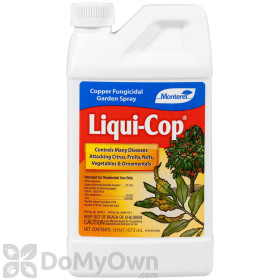
Tomatoes can be a delicious and nutritious addition to your diet, but when they are sprayed with copper fungicide, questions arise about their safety for consumption. Copper fungicides are commonly used in organic farming to control fungal diseases. However, the potential risks associated with their usage on edible crops like tomatoes depend on several factors, including the type of copper used, the amount applied, and the time elapsed since application.
Understanding Copper Fungicide
Copper fungicides are formulations that contain copper compounds, which are effective against a variety of plant pathogens. It’s important to know that:
- They are often used in organic gardening and farming.
- Copper acts as a contact fungicide, meaning it must be in direct contact with the fungal spores to be effective.
- Excessive or improper use can lead to copper buildup in the soil.
Safety and Regulations
In many regions, the application of copper fungicides is regulated to ensure safety. Typically, guidelines stipulate:
See also:
- All pesticide labels provide specific instructions on waiting periods before harvest.
- Many regulations emphasize that products labeled as organic must meet certain use-and-application standards.
- Always check local agricultural regulations to determine compliance regarding copper fungicides.
Waiting Period Before Harvesting
The waiting period, often referred to as the pre-harvest interval (PHI), is crucial to ensure that any residues are safe:
- Generally, a waiting period of 1-2 weeks is recommended after application.
- Guidelines may vary based on the specific formulation of the fungicide used.
- Adhering to the recommended PHI is important to minimize potential health risks.
Impact on Tomato Quality
The application of copper fungicides can also affect the quality of the tomatoes, including:
- Potential for surface residues which may alter taste or texture.
- Long-term use may impact overall soil health and nutrient availability.
- Proper washing can help to reduce any surface residues before consumption.
Washing and Preparing Tomatoes
Before eating, it's essential to properly clean tomatoes that have been treated with fungicide:
- Rinse under cold running water to remove surface residues.
- Use a brush for firm-skinned tomatoes to ensure thorough cleaning.
- Peeling can be an extra precaution if you're concerned about residues.
Is copper fungicide safe for edible plants?

Copper fungicides are commonly used in gardening and agriculture to combat fungal diseases. However, the safety of using copper fungicides on edible plants is a concern for many gardeners and consumers.
When applied correctly and according to the manufacturer's instructions, copper fungicides can be safe for use on edible plants. They are often used on a variety of crops, including fruits and vegetables, to prevent diseases caused by fungi. Nonetheless, there are important aspects to consider regarding the safety, application, and potential risks associated with copper fungicides.
Copper Fungicide and Its Active Ingredients
Copper fungicides typically contain copper salts as their active ingredients. These include copper sulfate, copper hydroxide, and basic copper carbonate. Each of these compounds has specific fungicidal properties that target various fungal pathogens, providing effective disease control in crops. However, it's crucial to follow the label directions to minimize any risks associated with residues on edible plants.
- Understanding the role of copper salts in controlling fungal diseases.
- Identifying the specific fungal diseases controlled by copper fungicides.
- Importance of following application guidelines and safety measures.
Safety Precautions for Application
When using copper fungicides, safety precautions are essential to protect both the plants and the individuals applying the product. It is advisable to apply copper fungicides during calm weather to prevent drift to non-target plants and to wear appropriate personal protective equipment (PPE) to avoid skin contact and inhalation of spray mist.
- Wearing gloves, masks, and goggles during application.
- Ensuring proper ventilation when spraying indoors or in greenhouses.
- Applying the fungicide in the evening or early morning to reduce the risk of evaporation and drift.
Impact on Edible Plants
Copper fungicides can have varying effects on edible plants, depending on the crop type and the application rate. Generally, when used correctly, copper fungicides do not pose a significant safety risk, but over-application can lead to copper accumulation in the soil, which may affect plant health and growth.
- Identify the crops commonly treated with copper fungicides.
- Monitor plants for any signs of toxicity or stress after application.
- Understand the recommended pre-harvest intervals to ensure safety.
Regulatory Guidelines and Residue Considerations
Various agricultural regulatory bodies provide guidelines regarding the use of copper fungicides on edible crops. These guidelines include pre-harvest intervals, ensuring that residues are below acceptable limits when the plants are consumed. Awareness of these regulations helps consumers make informed choices about the safety of produce treated with copper fungicides.
- Review the local agricultural guidelines for copper fungicide use.
- Check residue tolerance levels established by regulatory agencies.
- Stay updated on any changes in regulations regarding fungicide use.
Alternatives to Copper Fungicides
For gardeners concerned about the use of copper fungicides, there are alternative fungal disease management options. These include biological fungicides, organic treatment methods, and improved cultural practices that promote healthy plant growth and reduce disease incidence without the use of copper.
See also:
- Explore biological controls such as beneficial fungi and bacteria.
- Implement preventive cultural practices like crop rotation and proper spacing.
- Consider using organic fungicides made from plant-based or mineral sources.
Can you eat tomatoes from a plant with herbicide damage?
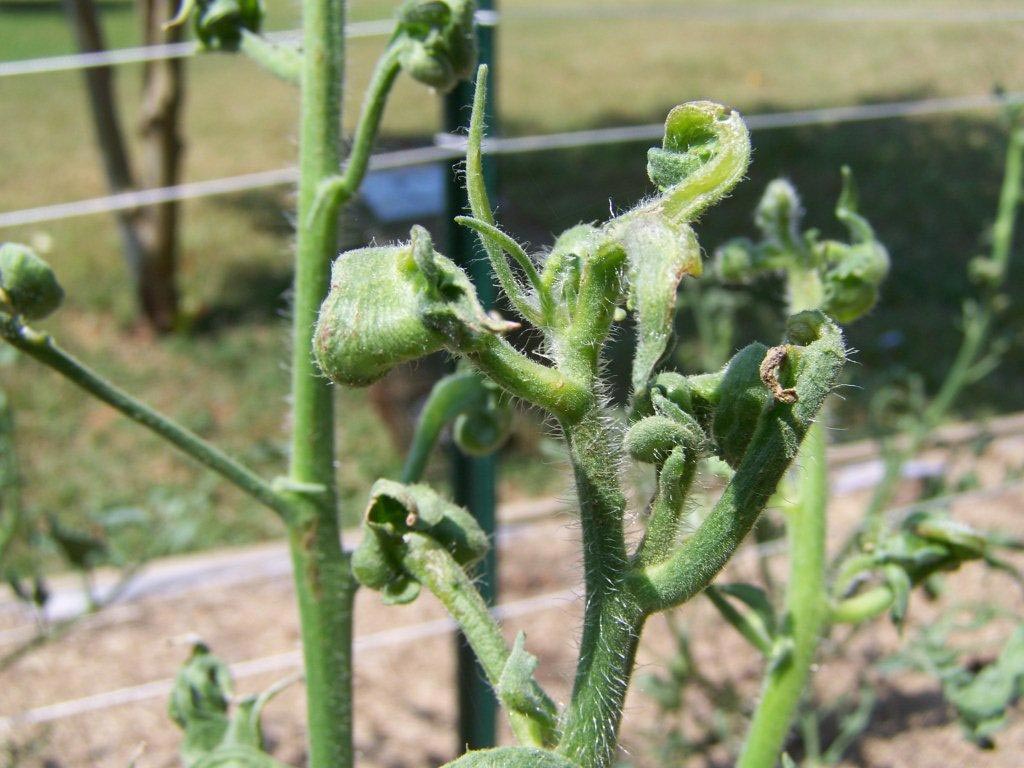
The safety of consuming tomatoes from a plant exposed to herbicides depends on several factors, including the type of herbicide used, the levels of damage to the plant, and the time elapsed since the herbicide application. In general, while herbicides are designed to target specific plants, they can sometimes cause damage to other nearby plants, including tomato plants.
Tomatoes taken from a damaged plant may still be safe to eat if they show no signs of contamination and have not absorbed harmful chemical residues. However, it’s crucial to be aware of the signs of herbicide damage in plants as they can affect the quality and safety of the fruit.
Understanding Herbicide Types
Herbicides can be categorized into two main types: pre-emergent and post-emergent. Understanding these types can help determine the impact on tomato plants.
- Pre-emergent herbicides are applied to prevent weed seeds from germinating. They typically have a low risk of affecting established plants like tomatoes.
- Post-emergent herbicides are used to kill existing weeds. They can drift or leach into nearby plants, causing potential harm to tomato plants.
- It’s essential to check the specific herbicide label to ascertain the potential risk and safety regarding edible plants.
Signs of Herbicide Damage in Tomato Plants
Herbicide exposure can lead to various symptoms in tomato plants. Recognizing these signs is crucial for assessing the safety of the tomatoes.
- Leaf Curling: Leaves may curl or deform, indicating stress from herbicide exposure.
- Discoloration: Affected plants may exhibit yellowing or browning, signifying damage.
- Stunted Growth: Herbicide damage can result in smaller plants and reduced fruit size.
Timing of Herbicide Application
The timing of herbicide application plays a significant role in determining the safety of consuming tomatoes.
- If the tomatoes are harvested well after the herbicide application, they may have negligible residues.
- It's advised to wait for a specific interval mentioned on the herbicide label before harvesting edible crops.
- Consuming tomatoes shortly after herbicide application can increase the risk of ingesting harmful chemicals.
Potential Health Risks
Consuming tomatoes that have been affected by herbicide damage could pose potential health risks, depending on various factors.
- Chemical Residue: Tomatoes might absorb herbicide residues, which can lead to health issues if ingested.
- Allergic Reactions: Some individuals may experience allergies or sensitivities to herbicides.
- Most herbicides are designed for specific weeds and might not be toxic to humans but can still cause unexpected reactions.
Mitigation Strategies
If herbicide damage is suspected, there are ways to mitigate the risks associated with consuming tomatoes.
- Thorough Washing: Wash the tomatoes under running water to remove any surface residues.
- Peeling: Peel the tomatoes to potentially reduce the risk of consuming residues.
- Monitoring Plant Health: Regularly assess plant health to identify and address herbicide damage early.
Questions from Our Readers
Can I eat tomatoes that have been treated with copper fungicide?
Yes, you can eat tomatoes that have been treated with copper fungicide, but it is recommended to wash them thoroughly before consumption. This helps to remove any residues that may remain on the surface.
How long after spraying copper fungicide can I harvest tomatoes?
It is advisable to wait at least seven days after applying copper fungicide before harvesting tomatoes. This waiting period allows the fungicide to degrade and minimizes any potential residue on the fruit.
Is copper fungicide safe for edible plants?
Copper fungicide is generally considered safe for most edible plants when used according to the manufacturer’s instructions. It is important to follow the recommended application rates to avoid any health risks.
See also:
What should I do to remove copper fungicide from tomatoes?
To remove copper fungicide from tomatoes, wash them under running water while gently scrubbing with your hands or a vegetable brush. This can effectively reduce residues and improve the safety of the tomatoes for consumption.

If you want to read more articles like Can You Eat Tomatoes Sprayed with Copper Fungicide? Understanding Safety and Guidelines, we recommend you check out our Tomatoes category.
Leave a Reply
Related Articles