Are Tomatoes a Berry? Unveiling the Truth Behind This Fruity Debate
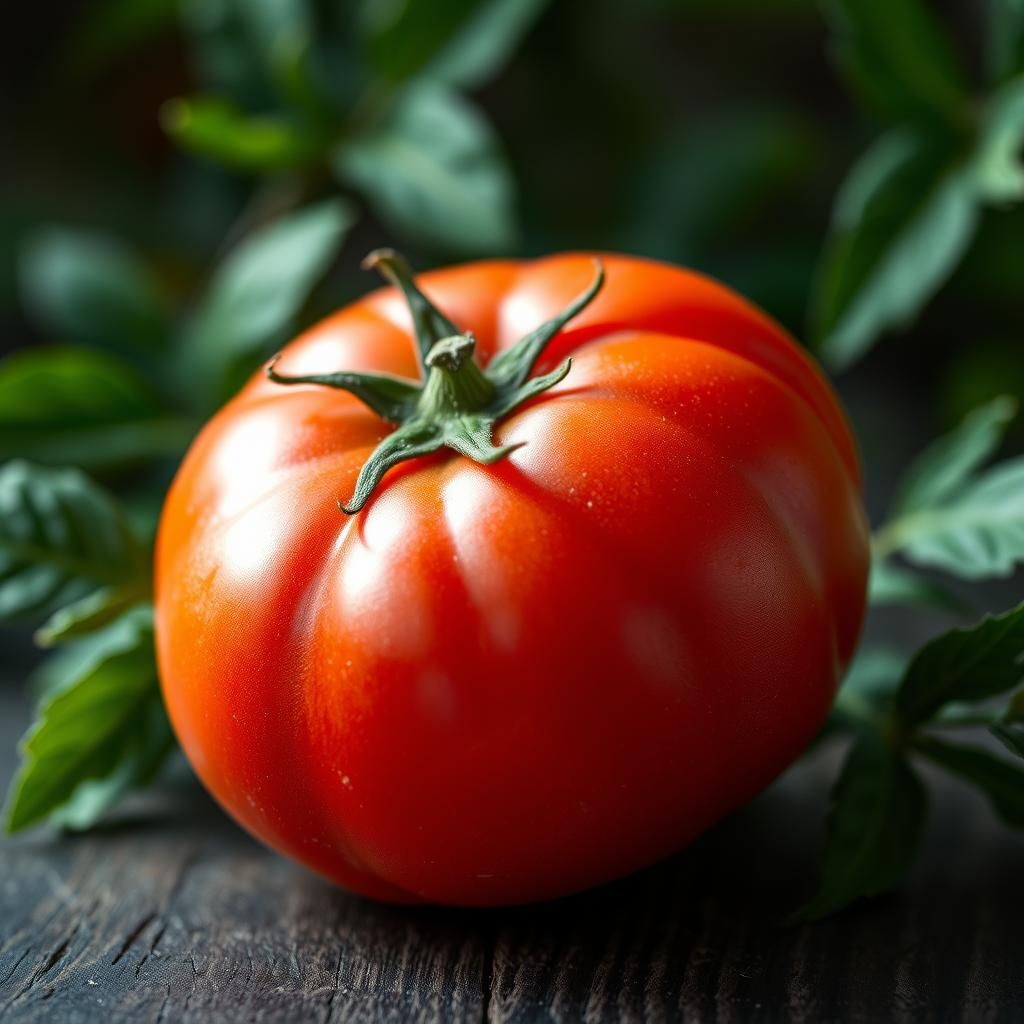
The classification of fruits and vegetables often leads to intriguing debates, and one topic that frequently garners attention is the classification of tomatoes. Are they really a berry, or is that simply a culinary misnomer? This article delves into the botanical definitions that set the groundwork for this discussion, exploring the characteristics that define a berry. By examining the taxonomy of tomatoes and their relatives, we aim to unravel the truth behind this fruity debate. Join us as we peel back the layers of this fascinating topic and discover what makes tomatoes a unique contender in the fruit family.
Understanding the Classification of Tomatoes as Berries
Tomatoes are often debated in the culinary world regarding their classification; botanically, they are indeed classified as berries. A berry is defined as a fleshy fruit produced from a single ovary that contains one or more seeds. Tomatoes fit this description perfectly, as they develop from the flower’s ovary and have multiple seeds embedded in their flesh. Furthermore, they belong to the nightshade family, which also includes other berries like eggplants and bell peppers, supporting the classification of tomatoes as a true berry.
The Botanical Definition of a Berry
In botanical terms, a berry is a type of simple fruit that develops from the ovary of a single flower and exhibits seeds embedded in the fleshy part of the fruit. According to the scientific definition, berries must also have three distinct layers: the exocarp (the outer skin), mesocarp (the fleshy middle), and endocarp (the innermost layer that surrounds the seeds). Tomatoes meet all these criteria, which highlights their place in the berry category.
Differences Between Culinary and Botanical Classifications
Culinary classifications often differ from botanical ones, leading to confusion. In the kitchen, many people consider tomatoes as vegetables due to their savory flavor and usage in salads and sauces. However, from a botanical perspective, their growth patterns and structural characteristics classify them as berries. This discrepancy emphasizes the distinctions between how we use food in cooking versus its scientific classification.
Other Fruits Classified as Berries
Tomatoes share their classification with various other fruits considered berries, including grapes, bananas, and kiwis. Each of these fruits has characteristics similar to tomatoes, such as being fleshy and containing seeds inside. This broad category showcases the diversity of plants classified as berries, further illustrating how the term “berry” encompasses more than just small, round fruits.
The Importance of Botanical Classification
Understanding the botanical classification of fruits like tomatoes is crucial for several reasons, including agriculture, nutrition, and culinary practices. Botanically accurate classifications help in researching plant breeding and genetic studies, informing farmers about the cultivation conditions best suited for growing these plants. From a nutrition perspective, recognizing tomatoes as berries can enhance our understanding of their health benefits, including their high content of vitamins and antioxidants.
See also:
Historical Context of Tomato Classification
Historically, tomatoes were initially considered poisonous by many cultures due to their relation to the nightshade family. It wasn't until they were accepted into mainstream cuisine, particularly in the 18th century, that their classification began to evolve. Understanding tomatoes as berries reveals insights into cultural perceptions and agricultural developments throughout history, highlighting how knowledge of food can change over time.
| Feature | Criteria for Berries |
|---|---|
| Fleshy | Yes |
| Develops from a single ovary | Yes |
| Contains seeds | Yes, multiple |
| Exocarp, mesocarp, and endocarp | Present |
Are tomatoes a berry or vegetable?
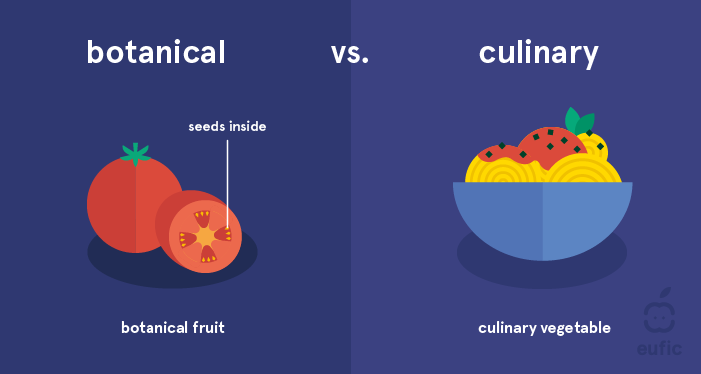
Tomatoes are botanically classified as berries. This classification is based on the scientific definition of what constitutes a berry. A berry is a type of fruit that develops from a single ovary and contains one or more seeds, surrounded by fleshy tissue. Tomatoes fit this definition perfectly, as they develop from the flower of the tomato plant and contain seeds in their pulp.
Botanical Definition of a Berry
The term berry has a specific meaning in botany, which distinguishes it from the common use of the term in culinary contexts.
- Definition: A berry is a fleshy fruit produced from a single ovary.
- Characteristics: Berries typically contain multiple seeds and have a soft outer skin.
- Examples: Other examples of berries include grapes, bananas, and cucumbers.
Culinary Classification of Tomatoes
In the culinary world, tomatoes are often treated as vegetables because they are used in savory dishes rather than sweet ones.
- Flavor Profile: Tomatoes have a savory taste that aligns them with vegetables.
- Usage: They are commonly used in salads, sauces, and soups, which are typical vegetable-based dishes.
- Perception: This classification influences how they are marketed and sold in grocery stores.
Nutritional Value of Tomatoes
Despite their classification as berries, tomatoes offer a host of health benefits that are commonly associated with vegetables.
See also:
- Vitamins: Tomatoes are rich in vitamins C and K, which are important for immune function and blood health.
- Antioxidants: They are also a good source of lycopene, an antioxidant known for its potential health benefits.
- Low Caloric Content: Tomatoes are low in calories, making them a healthy addition to any diet.
Debate Over Tomato Classification
The classification of tomatoes has been a subject of debate among botanists and chefs alike.
- Botanists’ View: Botanists emphasize scientific classifications based on structure and growth.
- Chefs’ Opinion: Chefs and home cooks often prioritize taste and culinary function over botanical accuracy.
- Public Perception: This leads to mixed perceptions about tomatoes, impacting their inclusion in diet and cuisine.
Legal Classification in the United States
In a significant legal case, tomatoes were classified as vegetables in the United States, influencing taxation and tariffs.
- Case Background: In 1893, the Supreme Court ruled in Nix v. Hedden that tomatoes should be classified as vegetables for tariff purposes.
- Reasoning: The ruling was based on common usage rather than botanical definition.
- Impact: This decision has historical significance and affects agricultural policies to this day.
Questions from Our Readers
Are tomatoes classified as berries?
Yes, tomatoes are indeed classified as berries from a botanical perspective. A berry is defined as a fruit produced from the ovary of a single flower with seeds embedded in the flesh, which perfectly describes how tomatoes develop and grow.
What characteristics define a berry?
A berry is typically characterized by being fleshy, containing one or more seeds, and coming from a single ovary of a flower. Tomatoes meet these criteria, as they have soft skin, contain seeds, and originate from one flower's ovary.
Are all fruits commonly called berries botanical berries?
No, not all fruits labeled as berries in common language are considered botanical berries. For instance, strawberries and blackberries are technically not berries in a botanical sense, even though they are often referred to as such.
How does the classification of tomatoes impact culinary uses?
The classification of tomatoes as berries primarily impacts their botanical understanding rather than their culinary uses. In cooking, tomatoes are treated as vegetables due to their savory flavor, but their botanical classification highlights the diversity of fruit types.
See also:
If you want to read more articles like Are Tomatoes a Berry? Unveiling the Truth Behind This Fruity Debate, we recommend you check out our Tomatoes category.
Leave a Reply
Related Articles