What is the Best Fungicide for Tomatoes? Top Picks and Expert Tips for Healthy Plants
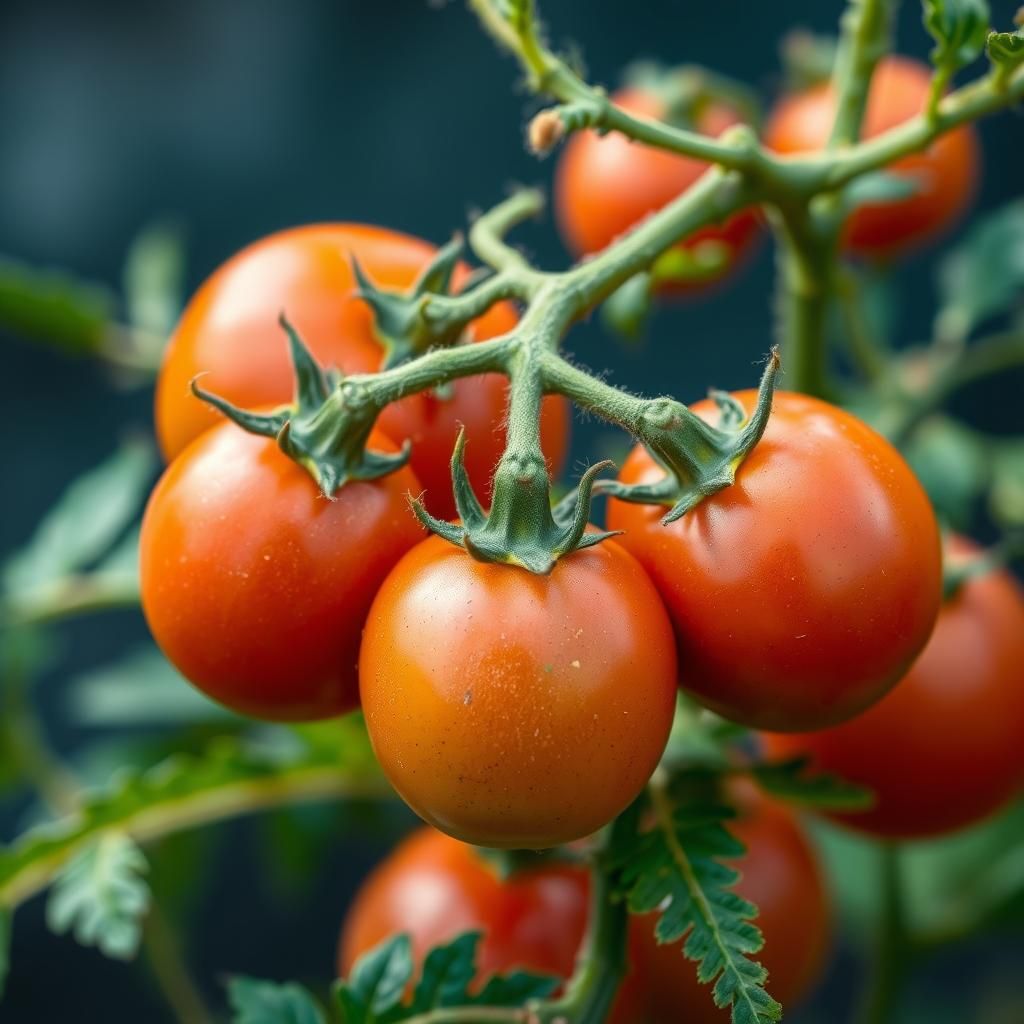
Tomatoes are a popular choice for home gardens, but they are susceptible to various fungal diseases that can devastate your crop. Choosing the right fungicide is essential for maintaining healthy plants and ensuring a bountiful harvest. With numerous products on the market, it can be overwhelming to determine which fungicide is the best for your tomato plants. In this article, we will explore top picks recommended by experts, along with valuable tips for effective application and prevention. By understanding the specific needs of your plants and the various options available, you can cultivate a thriving tomato garden free from fungal threats.
What is the Best Fungicide for Tomatoes?
When it comes to protecting your tomato plants from fungal diseases, selecting the right fungicide is crucial for ensuring healthy growth and maximizing yield. The best fungicide for tomatoes often depends on the specific type of fungal infection you're dealing with, such as powdery mildew, blight, or leaf spot. Commonly recommended options include products containing chlorothalonil, maneb, or copper-based fungicides, which are effective against a variety of pathogens while being relatively easy to apply. Always ensure you follow the manufacturer's instructions and consider the stage of growth of your plants, as certain fungicides may be safer and more effective during specific growth periods.
Types of Fungal Diseases Affecting Tomatoes
Tomatoes can be susceptible to several fungal diseases including early blight, late blight, septoria leaf spot, and powdery mildew. Each of these diseases presents unique symptoms, such as yellowing leaves or dark spots, and can severely affect the overall health of the plants. Understanding these diseases is essential for effective management, which allows growers to identify symptoms early and apply the appropriate fungicide at the right time.
How to Choose the Right Fungicide
Choosing the right fungicide involves considering several factors such as the specific disease affecting your tomatoes, the plant's growth stage, and any potential impact on beneficial insects or surrounding plants. It’s important to select a product that lists the targeted fungus on its label while also being mindful of the application method. For instance, some fungicides are better suited for preventative treatment, while others may be effective primarily during active infections.
Application Methods for Fungicides
The application of fungicides can vary depending on the product's instructions. Common methods include spraying, drenching, or using soil treatments. Spraying is typically the most common method since it allows for targeted delivery on the leaves where fungal infections often start. It’s essential to ensure you cover the entire plant and follow all safety guidelines during application to maximize effectiveness and minimize harm to the environment.
Organic vs. Synthetic Fungicides
When choosing a fungicide, growers often face the choice between organic and synthetic options. Organic fungicides usually consist of natural ingredients, such as neem oil or sulfur, and are generally considered safer for the environment. On the other hand, synthetic fungicides tend to be more potent and can offer quicker results but may have restrictions on their use during the growing season. Evaluating the benefits and potential drawbacks of each type is important in selecting the right product for your gardening practices.
Preventive Measures for Fungal Diseases
Besides using fungicides, implementing preventive measures is crucial for minimizing the risk of fungal infections in tomatoes. These measures include ensuring proper air circulation around plants, practicing crop rotation, and selecting resistant varieties of tomatoes. Additionally, maintaining clean garden practices and removing affected plant debris can significantly reduce the chances of disease outbreaks.
| Fungicide Type | Active Ingredient | Diseases Treated |
|---|---|---|
| Preventative | Chlorothalonil | Early Blight, Leaf Spot |
| Treatment | Copper-based | Blight, Mildew |
| Organic | Neem Oil | Powdery Mildew, Leaf Spot |
| Synthetic | Maneb | Various Fungal Infections |
Why should you sprinkle baking soda around your tomato plants?


Sprinkling baking soda around your tomato plants can provide several benefits that can improve their growth and health. Baking soda, or sodium bicarbonate, acts as a natural remedy in gardening, particularly for tomato plants. Here are the main reasons for using it.
pH Adjustment
Baking soda can help in adjusting the soil's pH levels. Tomato plants thrive in slightly acidic to neutral soils (pH 6.0 to 7.0). If your soil pH is too acidic, applying baking soda can help neutralize it, making it more suitable for tomato growth.
- Helps create a more balanced soil environment.
- Supports optimal nutrient availability and uptake.
- Enhances overall plant health and growth rate.
Pest Deterrent
Baking soda can serve as a natural deterrent against certain pests that can harm tomato plants. It can help in preventing the spread of fungal diseases and warding off pests.
- Reduces the incidence of common tomato pests like aphids and whiteflies.
- Minimizes the risk of fungal infections such as powdery mildew.
- Encourages healthier growth by reducing pest stress on plants.
Enhanced Flavor
Some gardeners believe that applying baking soda can enhance the flavor of tomatoes by improving their sweetness. This is achieved by balancing the natural sugars in the fruit.
- Promotes better fruit quality and taste.
- May lead to a sweeter, more flavorful harvest.
- Can improve the overall eating experience of the tomatoes.
Fungal Disease Control
Baking soda is an effective remedy for controlling fungal diseases such as blight and mildew. Its alkaline nature can create an unfavorable environment for fungi, helping to protect your tomato plants.
- Prevents the spread of common fungal issues in tomato plants.
- Reduces the need for chemical fungicides, promoting organic gardening.
- Improves the longevity and productivity of the tomato plants.
Low-Cost Solution
Using baking soda around your tomato plants is an economical solution compared to other commercial products. It is easily accessible and cost-effective for both amateur and professional gardeners.
- Provides a budget-friendly approach to gardening.
- Readily available at most grocery stores.
- Offers multiple gardening benefits without significant investment.
What is the difference between fungicide and systemic fungicide?

The primary difference between fungicide and systemic fungicide lies in their mode of action and how they interact with plants.
See also:
Definition of Fungicide
Fungicides are chemical compounds specifically designed to kill or inhibit the growth of fungi. They are used in various settings, including agriculture, horticulture, and even in home gardens. The key characteristics include:
- Contact Action: Most fungicides are contact fungicides, which means they must be applied directly to the target fungal organism to be effective.
- Surface Treatment: These products generally remain on the surface of the plant and do not penetrate its tissues.
- Application Frequency: They often require frequent reapplication, especially after rain or irrigation, to maintain effectiveness.
Definition of Systemic Fungicide
Systemic fungicides, on the other hand, are absorbed by plants and circulate internally, providing protection from within. Their characteristics include:
- Internal Protection: Systemic fungicides move through the plant's vascular system, providing long-lasting protection against fungal infections.
- Residual Effect: They tend to have a longer residual effect as they remain active for an extended period after application.
- Target Fungi: Effective even against pathogens that penetrate plant tissues, making them suitable for systemic diseases.
Usage in Agriculture
Both types of fungicides are widely used in agriculture, but their applications differ based on crop management practices. Key points include:
- Prevention: Farmers often use fungicides as a preventive measure to protect crops from diseases.
- Curative Action: Systemic fungicides can be used to treat ongoing infections within the plant tissues.
- Resistance Management: Alternating between contact and systemic fungicides can help in managing resistance in fungal populations.
Environmental Impact
Both types of fungicides can have distinct implications for the environment. Important factors to consider are:
- Non-target Organisms: Contact fungicides can affect non-target organisms that come into contact with treated plants or residues.
- Soil Health: Systemic fungicides may have a lasting impact on soil health as they are absorbed and translocated within the plant.
- Water Contamination: Both can run off into water sources, but systemic fungicides pose a greater risk due to their ability to persist longer in the environment.
Effectiveness Against Specific Fungi
The effectiveness of fungicides varies depending on the type of fungi they are targeting. Consider the following:
- Surface Fungi: Contact fungicides are highly effective against surface-level fungi that do not penetrate deeply into plant tissues.
- Systemic Fungi: Systemic fungicides are generally more effective against fungi that invade the plant, as they can be absorbed and circulate throughout the plant.
- Targeted Treatments: Many systemic fungicides are formulated to be particularly effective against specific pests or diseases common in specific crops.
Questions from Our Readers
What is the best fungicide for tomatoes?
The best fungicide for tomatoes often depends on the specific disease being treated. For general fungal issues, chlorothalonil and copper-based fungicides are widely recommended. They work effectively against fungal diseases like blight and mildew. Always follow the instructions on the label for the best results.
Are organic fungicides effective for tomatoes?
Yes, organic fungicides can be quite effective for tomatoes. Products that contain neem oil, bicarbonate, or sulfur are popular choices among organic gardeners. These treatments not only help to control fungal infections but also align with organic gardening practices that aim to maintain soil health and biodiversity.
How often should fungicides be applied to tomato plants?
Fungicides should typically be applied every 7 to 14 days, especially during periods of high humidity or when conditions are favorable for fungal growth. It's crucial to monitor the weather conditions and the health of the plants to adjust the application schedule accordingly for maximum protection.
See also:
Can I use household substances as fungicides for tomatoes?
Yes, some household substances can act as effective fungicides for tomatoes. A common example is a baking soda solution, which can help prevent fungal growth when sprayed on the leaves. However, while DIY solutions can be useful, they may not be as potent as commercial products, so they should be used with discretion.

If you want to read more articles like What is the Best Fungicide for Tomatoes? Top Picks and Expert Tips for Healthy Plants, we recommend you check out our Tomatoes category.
Leave a Reply
Related Articles