How Many Tomato Plants Per 5 Gallon Bucket? Ultimate Guide for Successful Gardening

When it comes to gardening, container planting has gained popularity for its convenience and versatility. One common question that arises among gardeners is, How many tomato plants can I fit in a 5-gallon bucket? The answer is crucial for maximizing space and ensuring healthy growth. This ultimate guide will explore the ideal number of tomato plants per bucket, taking into account factors like plant varieties, growth habits, and care requirements. Whether you're a seasoned gardener or a beginner eager to grow delicious tomatoes at home, understanding the dynamics of container gardening will set you on the path to success.
How Many Tomato Plants Can Be Grown in a 5 Gallon Bucket?
Growing tomato plants in a 5-gallon bucket is a popular method for home gardeners, especially those with limited space. Generally, it is recommended to grow one tomato plant per 5-gallon bucket. This allows the plant enough space for its root system to expand, which is crucial for nutrient absorption and proper growth. If you were to overcrowd the bucket with multiple plants, they would compete for resources, leading to stunted growth and lower yields. Additionally, a single plant can thrive under optimal conditions, ensuring that it has sufficient access to moisture, nutrients, and sunlight, all of which are essential for producing healthy, bountiful tomatoes.
Understanding the Space Requirements
Tomato plants require a significant amount of space for their roots to spread out and access nutrients and water effectively. In a 5-gallon bucket, which provides about 14-15 liters of soil volume, having just one plant ensures that it can develop a strong root system without competing with others. This is crucial for maintaining the health of the plant and maximizing yield.
Varieties of Tomato Plants
The size and type of tomato plant you choose can also influence how many you can grow in a limited space. Indeterminate varieties, which continue to grow and produce fruit throughout the season, typically require more space, making a 5-gallon bucket ideal for just one plant. In contrast, determinate varieties may be more compact, yet they still benefit from having ample space within a bucket to optimize growth.
Soil and Nutrient Considerations
The quality of the soil you use in a 5-gallon bucket is vital for healthy tomato plants. A well-draining, nutrient-rich potting mix is preferred, as it helps support root health and provides essential nutrients. Since nutrients can be depleted faster in container gardening, it's important to use compost or a slow-release fertilizer to maintain plant vigor over time.
Watering Needs
Effective watering is essential when growing tomatoes in containers. A 5-gallon bucket can dry out more quickly than traditional garden beds, so the plant's moisture needs must be monitored closely. Water deeply but infrequently to encourage deep root growth, and ensure that excess water can drain properly to prevent root rot.
Sunlight Requirements
Tomato plants thrive best in full sunlight, which means they need at least 6-8 hours of direct sun each day. Positioning your 5-gallon bucket in a location where it receives adequate light is crucial for proper photosynthesis and overall health. Insufficient sunlight can lead to weak plants and lower fruit production.
| Aspect | Requirement |
|---|---|
| Number of Plants | 1 per 5-gallon bucket |
| Soil Type | Nutrient-rich potting mix |
| Water Needs | Deep and infrequent watering |
| Sunlight | 6-8 hours of direct sunlight daily |
Can you put two tomato plants in a 5 gallon bucket?
Yes, you can put two tomato plants in a 5-gallon bucket, but there are several considerations to keep in mind to ensure they thrive.
Space Considerations
When planting two tomato plants in a single 5-gallon bucket, space is a crucial element to consider. Tomato plants need adequate room for their roots to spread and grow. Here are some points to keep in mind:
- Each tomato plant typically requires about 2 square feet of space.
- A 5-gallon bucket doesn’t provide much horizontal space, which can lead to crowding.
- Proper spacing helps prevent disease and promotes better air circulation.
Root Competition
Two tomato plants in one bucket will compete for nutrients and water, which can impact their growth. Here’s what you should consider:
- Root systems may become entangled, leading to competition for resources.
- When sharing a bucket, plants are more susceptible to nutrient deficiencies.
- Monitor their health closely as competition can lead to one plant outgrowing the other.
Watering Needs
Watering can become more complex when two plants share a single container. Understanding their water requirements is essential:
- Both plants will absorb water from the same source, which may lead to uneven moisture levels.
- Ensure the soil drains well to prevent overwatering, which can cause root rot.
- Check the soil moisture regularly and adjust your watering schedule as needed.
Support for Growth
Tomato plants often need support as they grow. Here are some tips for providing proper support in a shared bucket:
See also:
- Use a single stake or trellis that can accommodate both plants without causing interference.
- Ensure that the support structure is sturdy enough to hold the combined weight of both tomato plants.
- Train the plants as they grow to prevent them from overlapping and tangling with each other.
Variety Selection
Choosing the right varieties of tomato plants is crucial when planting two in one bucket. Consider the following:
- Select companion varieties that are known to grow well together.
- Opt for compact or determinate varieties that require less space.
- Avoid larger indeterminate types that tend to spread out and may require more room.
How deep do you plant a tomato plant in a 5 gallon bucket?
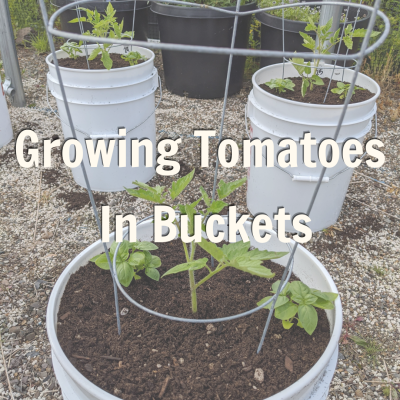
When planting a tomato plant in a 5-gallon bucket, the depth at which you should plant it is crucial for optimal growth and development. Generally, a tomato plant should be planted deeply enough to allow the roots to establish themselves effectively. You can plant the tomato seedling up to its first set of leaves, which typically means burying about 2 to 3 inches of the stem in the soil. This deep planting encourages stronger root development and can lead to healthier plants.
Understanding Tomato Plant Growth
Tomato plants are known for their vigorous growth. When planted deeply, they can develop an extensive root system. Here’s why it's important:
- Root Stability: A deep planting provides better stability to the plant.
- Nutrient Access: Deep roots can access nutrients and water from a larger soil volume.
- Improved Water Retention: The deeper soil often retains moisture better, reducing the need for frequent watering.
Choosing the Right Bucket Depth
A 5-gallon bucket is typically about 12 inches deep, which is sufficient for growing a tomato plant. However, it's essential to maximize the available space. Consider the following:
- Soil Depth: Always ensure that at least 8 to 10 inches of soil remains below the surface to support root growth.
- Drainage: Make sure the bucket has sufficient drainage holes to prevent waterlogging.
- Soil Type: Use a high-quality potting mix that retains moisture while allowing for proper drainage.
Planting Techniques for Tomatoes
When planting a tomato in a 5-gallon bucket, applying the right technique can make a significant difference. Here are some tips:
- Remove Lower Leaves: Trim off the lower leaves before planting to prevent rot when buried.
- Positioning: Place the seedling upright, ensuring it’s straight and well-supported.
- Backfill Soil Properly: Firmly pack the soil around the plant to eliminate air pockets and ensure good soil contact.
Watering and Care After Planting
After planting your tomato deeply in a bucket, proper care is still essential. Consider these points:
- Initial Watering: Water the plant generously after planting to help settle the soil.
- Regular Monitoring: Check soil moisture regularly; it should be moist but not soggy.
- Fertilization: Start fertilizing about 2 weeks after planting to support growth.
Common Mistakes to Avoid
While planting tomatoes in a 5-gallon bucket, several common mistakes can hinder growth. Be aware of these:
- Overcrowding: Avoid planting multiple tomato seedlings in one bucket; it restricts growth.
- Inadequate Light: Ensure your plant receives at least 6-8 hours of sunlight daily.
- Neglecting Support: As the plant grows, provide support to prevent it from toppling over.
How many plants can go in a 5 gallon bucket?

The capacity of a 5-gallon bucket can accommodate varying numbers of plants, depending on their size, growth habits, and specific requirements. Generally, a 5-gallon bucket can support one large plant or multiple smaller plants. The key is to balance the needs of the plants with the available space and resources.
Understanding Plant Size and Growth Habit
The size and growth habit of the plants greatly influence how many can be planted in a 5-gallon bucket. For example:
- Large plants like tomatoes typically require more space, thus only one can be planted per bucket.
- Medium-sized plants such as peppers could accommodate up to two or three.
- Small or compact plants, like herbs, might allow for five or more in a single bucket.
Soil and Nutrient Considerations
The type and quality of soil play a crucial role in plant growth. Adequate nutrients must be provided for healthy development:
- Quality potting mix should be used to ensure proper drainage and nutrient retention.
- You may need to fertilize more frequently with multiple plants to ensure they all receive sufficient nutrients.
- Consider using slow-release fertilizers to maintain nutrient levels over time.
Watering Needs
Watering is essential for healthy plants, but the quantity required will depend on the number of plants:
See also:
- One large plant may need a larger volume of water less frequently.
- Several smaller plants could require more frequent watering due to increased transpiration.
- Effective drainage is vital to prevent root rot in a crowded environment.
Light and Space Requirements
Different plants have varying light and space requirements which will affect how many can thrive in a 5-gallon bucket:
- Ensure plants receive adequate light, either sunlight or artificial light, depending on their needs.
- Consider the canopy size; larger plants can shade smaller ones, affecting their growth.
- Ensure that there's enough air circulation between plants to prevent disease.
Companion Planting and Compatibility
Selecting compatible plants for the same bucket can enhance growth and minimize space:
- Some plants, like basil and tomatoes, grow well together and can be paired.
- Research the growth habits of plants to avoid competition for resources.
- Consider growth cycles so that one plant does not outcompete the other for light and nutrients.
Is it okay to plant two tomato plants together?

Planting two tomato plants together can be beneficial or detrimental, depending on a few factors such as the variety of tomatoes, available space, and care practices. Tomatoes are known to be compatible companions in the garden, but crowded conditions can lead to issues.
Factors to Consider When Planting Together
When planting two tomato plants in close proximity, several important factors should be measured:
- Variety of Tomatoes: Different types of tomatoes have varying growth habits. Determinate varieties may do better when planted nearby compared to indeterminate types, which can become bushy.
- Spacing: Proper spacing is crucial. Tomatoes ideally require at least 18-24 inches apart to ensure adequate air circulation and nutrient uptake.
- Sunlight: Ensure both plants receive sufficient sunlight. Overcrowding can block sunlight from reaching lower leaves, affecting their growth.
Benefits of Planting Two Together
Planting two tomato plants together may offer several advantages that can enhance yield and growth:
- Pollination: Having multiple plants close by can enhance pollination, increasing the chance of fruit set.
- Microclimate: Close planting can create a favorable microclimate. Two plants together might shade each other slightly, conserving moisture.
- Support System: Tomato plants can support each other structurally when trellised properly, making them less likely to fall over.
Potential Risks of Overcrowding
While there are benefits, overcrowding can lead to several issues that could harm your tomato plants:
- Pest Attraction: Close proximity can attract pests. For instance, aphids may thrive if plants are stressed and overcrowded.
- Disease Spread: Diseases can spread more easily among closely planted tomatoes, especially if water is splashed between plants.
- Limited Resources: Nutrient and water competition can limit the growth potential of both plants if they are planted too closely.
Best Practices for Planting Together
To increase the success of planting two tomato plants together, follow these best practices:
- Choose Compatible Varieties: Aim to plant types that grow similarly to minimize competitive stress.
- Maintain Adequate Soil Health: Ensure rich, well-drained soil with plenty of organic matter to support both plants equally.
- Prune Regularly: Pruning helps encourage airflow and reduces leaf-to-leaf contact, which minimizes disease risk.
Conclusion on Spacing Needs
Understanding the spacing needs is vital when deciding to plant two tomato plants together. Each plant needs the right amount of space to thrive and reach its full potential without interference.
- Minimum Spacing: Maintain at least 18 inches apart to allow for mature growth.
- Opt for Larger Containers: If growing in pots, choose larger containers that can accommodate both plants’ root systems.
- Regular Monitoring: Keep an eye on growth. Adjust positions if one plant begins to dominate the space.
Questions from Our Readers
How many tomato plants can I grow in a 5-gallon bucket?
It's generally recommended to grow one tomato plant per 5-gallon bucket. This allows for sufficient space for the roots to develop and access nutrients and water without competition from other plants.
Can I plant multiple tomato plants in a single 5-gallon bucket?
While you may be tempted to plant more than one tomato plant in a 5-gallon bucket, it's not advisable because it can lead to root crowding and limited resources. For best results, stick to one plant per bucket.
What type of tomato plant is best for a 5-gallon bucket?
Determinate tomato varieties are typically the best choice for growing in 5-gallon buckets, as they tend to be smaller and more manageable, making them suitable for container growth compared to larger, indeterminate types.
Do I need to use special soil for tomato plants in buckets?
Yes, using a high-quality potting mix is essential for tomato plants in buckets. This type of soil provides good drainage, essential nutrients, and helps retain moisture, which is vital for your plants' health.
See also:
If you want to read more articles like How Many Tomato Plants Per 5 Gallon Bucket? Ultimate Guide for Successful Gardening, we recommend you check out our Tomatoes category.
Leave a Reply
Related Articles