Can You Use Hydrogen Peroxide on Tomato Plants? Essential Tips for Gardeners
When it comes to maintaining a healthy garden, tomato plants often require special attention due to their susceptibility to various diseases and pests. One intriguing solution that many gardeners consider is hydrogen peroxide. Known for its disinfectant properties, hydrogen peroxide can potentially benefit tomato plants in a number of ways. However, its usage must be approached with caution to avoid any negative effects. In this article, we will explore whether you can safely use hydrogen peroxide on tomato plants and provide essential tips for gardeners looking to enhance their plant care routine while fostering a thriving tomato crop.
Can You Use Hydrogen Peroxide on Tomato Plants?
Yes, you can safely use hydrogen peroxide on tomato plants as a soil drench or foliar spray to promote plant health. When diluted to the appropriate concentration (typically around 3% or less), hydrogen peroxide can help in combating fungal infections, pests, and diseases such as root rot. Its oxygen-releasing properties can also stimulate root growth and improve soil aeration. However, it is essential to apply it in moderation and not exceed recommended concentrations, as high levels may cause damage to the plants. Always perform a patch test on a small portion of the plant first to ensure there are no adverse reactions.
Benefits of Using Hydrogen Peroxide on Tomato Plants
Using hydrogen peroxide on tomato plants offers several benefits, including preventing fungal infections, controlling pests, and enhancing root development. Its antiseptic properties help protect plants from diseases like grey mold and blight, thereby improving overall plant health. Additionally, hydrogen peroxide can be mixed with water for irrigation purposes to provide extra oxygen to the roots, which is crucial for the vigorous growth of tomato plants.
How to Dilute Hydrogen Peroxide for Tomato Plants
To safely use hydrogen peroxide on tomato plants, it is crucial to dilute it correctly. A common ratio is mixing one part of 3% hydrogen peroxide with four parts of water (1:4 ratio). This dilution ensures that the concentration is safe for the plants while still being effective against pests and diseases. Always measure accurately and mix thoroughly before application to avoid harming the plant.
Application Methods of Hydrogen Peroxide
There are different methods to apply hydrogen peroxide to tomato plants. It can be used as a foliar spray where the diluted solution is sprayed directly on the leaves to combat surface pests and fungal issues. Alternatively, it can be used as a soil drench by applying the diluted solution directly to the soil to help control root diseases and enhance oxygen levels. Both methods can be effective, depending on the specific issue being addressed.
See also:
Precautions When Using Hydrogen Peroxide
While hydrogen peroxide can be beneficial, certain precautions must be taken. Always test a small area of the plant before full application to observe any negative reactions. Additionally, avoid using hydrogen peroxide on young seedlings or stressed plants, as they may be more susceptible to damage. It's also important to avoid applying it during the hottest parts of the day, as this can lead to leaf burn.
Alternatives to Hydrogen Peroxide for Tomato Plants
If you prefer not to use hydrogen peroxide, there are several alternatives to consider. Natural remedies like neem oil, baking soda, or plant-based insecticidal soaps can be effective against pests and diseases. Additionally, introducing beneficial insects like ladybugs can help control pests naturally. Always research these alternatives to find the best solution for your specific plant health needs.
| Method | Pros | Cons |
|---|---|---|
| Hydrogen Peroxide | Effective against fungi and pests | Can harm plants if overdosed |
| Neem Oil | Natural insecticide | Can be less effective on severe infestations |
| Baking Soda | Good for powdery mildew | Less effective on other diseases |
| Beneficial Insects | Natural pest control | Views may take time |
Understanding the Benefits and Precautions of Hydrogen Peroxide in Tomato Cultivation
Using hydrogen peroxide on tomato plants can provide numerous benefits, including disease prevention and improved aeration in the soil. This powerful compound can be used as a fungicide to combat common issues such as mildew or blight. Additionally, it can help to enhance root growth by releasing oxygen into the soil, thus promoting better nutrient absorption. However, gardeners should exercise caution regarding the concentration used and the frequency of application to avoid harming their plants. It is crucial to dilute hydrogen peroxide appropriately, generally using a mixture of 3% hydrogen peroxide and water, and to conduct a small patch test before widespread use.
How to Properly Dilute Hydrogen Peroxide for Tomato Plants
To effectively use hydrogen peroxide on tomato plants, it must be properly diluted. A common practice is to mix one part of 3% hydrogen peroxide with ten parts of water. This dilution ensures that the solution is effective against pests and diseases without causing harm to the plants. Gardeners should mix the solution in a clean spray bottle, ensuring that the hydrogen peroxide maintains its potency. It's vital not to exceed the recommended dilution, as higher concentrations may result in damage to the plant's foliage or roots.
Common Issues Addressed by Hydrogen Peroxide in Tomato Plants
Hydrogen peroxide can be especially helpful in addressing common issues such as fungal infections, bacterial spots, and powdery mildew. Its oxidizing properties make it an effective treatment for these conditions, preventing further spread and promoting plant health. Regular applications can minimize the risk of losing plants to these prevalent issues, especially in humid environments where such diseases thrive. By applying hydrogen peroxide as a preventive measure, gardeners can create a healthier growing environment for their tomatoes.
See also:
Application Techniques for Tomato Plants
Applying hydrogen peroxide correctly is crucial for maximizing its benefits on tomato plants. The recommended method is to use a spray bottle to coat the leaves and stems, ensuring thorough coverage. Focus on the undersides of the leaves, as this is where many pests and pathogens reside. For soil treatment, pour the diluted solution directly onto the soil, allowing it to penetrate and aerate the root zone. Applications should be made early in the morning or late in the evening to prevent burning the foliage due to direct sunlight.
Frequency of Application for Optimal Results
The frequency of applying hydrogen peroxide to tomato plants should depend on the specific issues being addressed. For preventive purposes, a bi-weekly application is generally sufficient, while addressing active infections may require more frequent treatments, such as once a week. It is critical to observe the plants for any signs of stress or negative reactions to the solution, adjusting the frequency accordingly. Additionally, reducing the application frequency during periods of drought or extreme heat can help mitigate stress on the plants.
Potential Risks of Using Hydrogen Peroxide on Tomatoes
While hydrogen peroxide can offer benefits, there are potential risks involved. Overuse or incorrect concentrations can lead to burned foliage or damaged roots. Additionally, excessive applications can disrupt the soil microbiome, negatively impacting the beneficial microorganisms that support plant health. Gardeners should always monitor their plants after application and maintain a balance between treatment and the natural ecosystem in their garden. Careful attention to the conditions of the plants will help prevent any adverse effects from hydrogen peroxide usage.
Questions from Our Readers
Can hydrogen peroxide help prevent diseases in tomato plants?
Yes, hydrogen peroxide can help prevent diseases in tomato plants due to its antibacterial and antifungal properties. When diluted properly, it can act as a treatment to mitigate fungal infections and promote healthier plant growth by increasing oxygen levels in the soil.
What is the recommended dilution for hydrogen peroxide on tomato plants?
The typical recommended dilution for treating tomato plants is a 3% solution of hydrogen peroxide mixed with water, often at a ratio of 1 part peroxide to 3 parts water. This helps to ensure that it is effective without causing harm to the plants.
See also:
How often can I apply hydrogen peroxide to my tomato plants?
You can apply hydrogen peroxide to your tomato plants every two weeks, depending on the severity of the issues you are addressing. Regular applications can help keep the plants healthy and significantly reduce the risk of disease outbreaks.
Are there any side effects of using hydrogen peroxide on tomato plants?
While hydrogen peroxide is generally safe for tomato plants in proper dilutions, excessive use can lead to root damage or hinder the plant's growth. Always conduct a test on a small area first to ensure your plants can tolerate the treatment.
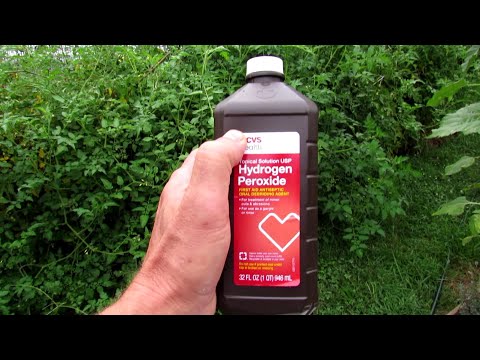
If you want to read more articles like Can You Use Hydrogen Peroxide on Tomato Plants? Essential Tips for Gardeners, we recommend you check out our Tomatoes category.
Leave a Reply
Related Articles