What Fungicide is Safe for Tomato Plants? Essential Guide for Healthy Gardening
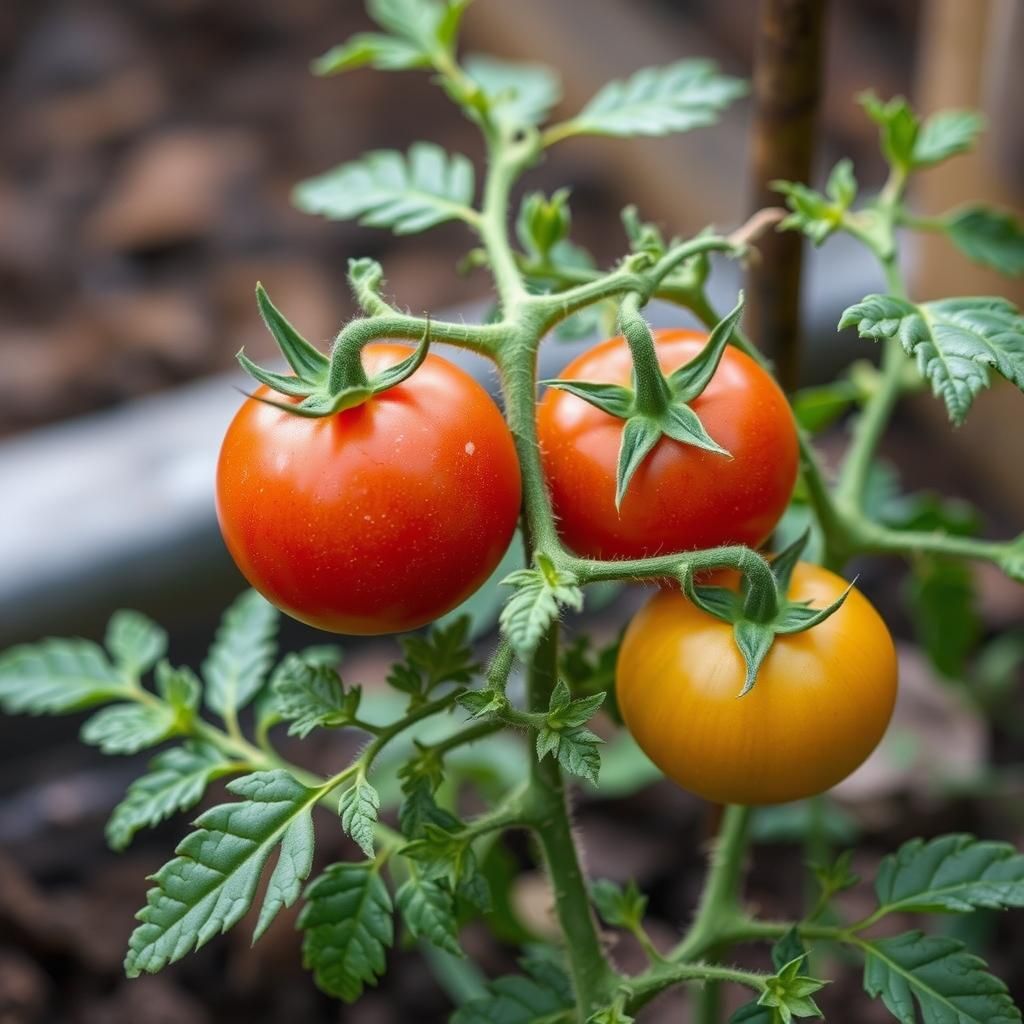
Tomato plants are a beloved staple in gardens worldwide, but they are often susceptible to a range of fungal diseases that can jeopardize their health and yield. Selecting the right fungicide is crucial for maintaining vibrant tomato plants while ensuring safety for the environment and beneficial insects. This essential guide will explore the most effective and safest fungicide options for tomato plants, helping gardeners make informed choices. By understanding the various types of fungicides available, their application methods, and their impact on soil health, you'll be better equipped to promote a thriving garden filled with robust and delicious tomatoes.
What Fungicide is Safe for Tomato Plants?
When it comes to protecting your tomato plants from fungal diseases, it's crucial to choose a fungicide that is both effective and safe for your plants. Organic options such as copper-based fungicides and sulfur are generally recommended, as they are less likely to harm beneficial insects and the environment. These fungicides can help control powdery mildew and blight, common issues for tomato growers. Additionally, consider using biological fungicides like those containing Bacillus subtilis, which offer a more natural approach to disease control while promoting plant health. Always follow the instructions on the label and ensure that any application is done thoughtfully to minimize any potential risks to the plants and surrounding ecosystem.
Types of Safe Fungicides for Tomatoes
There are several types of safe fungicides available for tomatoes, with many falling into either organic or synthetic categories. Organic fungicides, such as Bacillus subtilis, work by introducing beneficial microbes that combat fungal pathogens without harming the host plant. Other organic options include neem oil and bicarbonates, which can help reduce fungal growth. On the other hand, synthetic options may include low-toxicity chemicals like chlorothalonil, which can be effective but should be used with caution. It's essential to select a product that targets the specific fungus affecting your tomatoes while adhering to guidelines for safe usage.
Application Methods for Fungicides
Applying fungicides correctly can significantly enhance their effectiveness in treating fungal issues in tomato plants. Foliar sprays are commonly used, as they allow for even distribution across the foliage where fungal spores thrive. It’s best to apply fungicides during cooler parts of the day to minimize the risk of leaf burn due to the sun's intensity. When using granular fungicides, they should be applied to the soil and watered in to ensure proper absorption. Always read the product instructions for specific application rates and timing to maximize control of the targeted fungus.
Preventative Measures Alongside Fungicide Use
While fungicides can effectively combat fungal diseases, integrating them into a comprehensive treatment plan is ideal. Practicing good spacing and air circulation between tomato plants can help reduce humidity levels that favor fungal growth. Regularly removing affected leaves and debris from the garden will also minimize potential sources of infection. Implementing crop rotation and choosing disease-resistant tomato varieties adds another layer of protection. By combining these preventative measures with targeted fungicide application, you can create a healthier growing environment for your tomatoes.
Environmental Impact of Using Fungicides
The environmental impact of using fungicides cannot be overlooked. While many commercial products are designed to target specific fungi with minimal negative consequences, their application can still affect non-target organisms. Organic fungicides tend to be less harmful to beneficial insects and microorganisms in the soil, making them a more sustainable choice. Additionally, using fungicides responsibly—such as following application guidelines and avoiding overuse—can help mitigate their impact on the surrounding ecosystem, ensuring a balance between effective disease management and environmental preservation.
Frequency of Fungicide Application
Determining the frequency of fungicide application is crucial for maintaining effective control over fungal diseases in your tomato plants. Generally, applications may be recommended every 7 to 14 days, depending on the specific product and the severity of the disease pressure. Monitoring your plants closely for symptoms of fungal infection will guide you on when to reapply. If conditions are particularly damp or if your plants show signs of continued fungal activity, you may need to adjust your application schedule accordingly. Always adhere to the manufacturer's recommendations for dosage and timing to ensure the most effective and safe use.
| Fungicide Type | Active Ingredient | Usage |
|---|---|---|
| Organic | Copper-based | Prevention and control of blight |
| Organic | Sulfur | Control of powdery mildew |
| Organic | Bacillus subtilis | Biological control |
| Synthetic | Chlorothalonil | Control of various fungal diseases |
What is a safe fungicide for tomatoes?
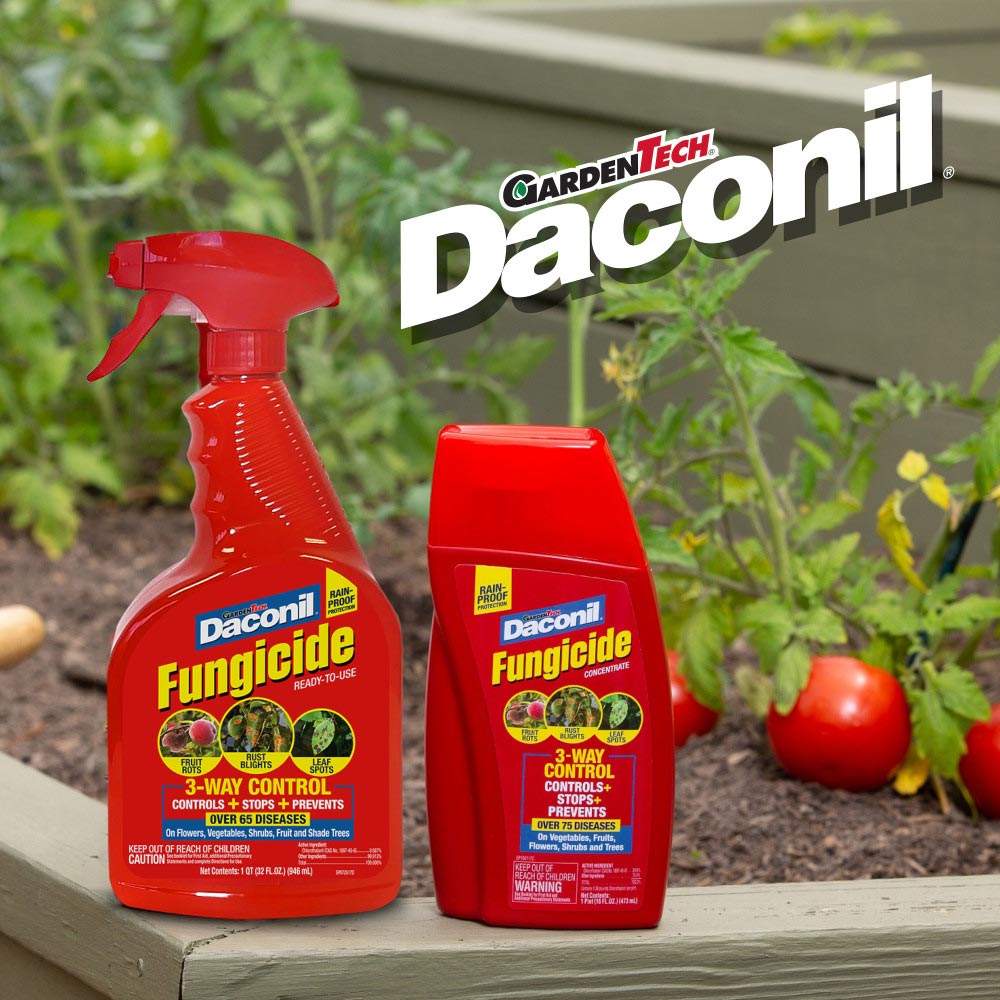
A safe fungicide for tomatoes can be an effective way to protect your plants from fungal diseases without causing harm to the environment or human health. One of the most popular choices among organic gardeners is copper-based fungicides. They are generally regarded as safe for use on tomatoes, especially when applied according to the manufacturer’s instructions. Another option is fungal biopesticides, such as those containing Trichoderma or Bacillus subtilis, which are natural organisms that promote plant health and suppress harmful fungi.
Types of Safe Fungicides for Tomatoes
A variety of safe fungicides can be used effectively on tomatoes. These include:
See also:
- Copper-based fungicides: These are used to prevent and control common fungal diseases like blight.
- Biological fungicides: Products containing beneficial fungi or bacteria help enhance plant resilience against diseases.
- Neem oil: This natural oil derived from the neem tree has anti-fungal properties and is safe for vegetables.
Application Methods for Fungicides
The method of applying fungicides can significantly affect their efficiency and safety. Proper application techniques include:
- Spraying: Apply fungicides via a spray bottle or garden sprayer, ensuring even coverage on foliage.
- Soil application: Some fungicides can be mixed with the soil, especially those that enhance beneficial soil microbes.
- Preventative applications: Regularly applying fungicide before disease symptoms appear can help protect plants more effectively.
Organic vs. Synthetic Fungicides
Understanding the difference between organic and synthetic fungicides is crucial for selecting the right product. Key points include:
- Organic fungicides: These are derived from natural sources and often have fewer side effects on beneficial organisms.
- Synthetic fungicides: Often more effective in treating severe infections but may pose risks to non-target species including humans.
- Regulatory considerations: Organic fungicides are typically approved for use in certified organic gardening, providing an ethical choice for gardeners.
Common Fungal Diseases Affecting Tomatoes
Understanding the diseases you’re protecting against can help you choose the right fungicide. Common diseases include:
- Septoria leaf spot: Characterized by small dark spots on leaves, which could lead to leaf drop.
- Blight: This disease can severely impact tomatoes, causing dark lesions and wilting.
- Powdery mildew: Recognizable by white, powdery spots on leaves, it can hinder photosynthesis.
Precautions When Using Fungicides
Taking safety precautions is essential when using any type of fungicide. Important measures include:
- Follow instructions: Always read and adhere to the guidelines provided by the manufacturer.
- Use protective gear: Wear gloves, masks, and goggles to minimize exposure during application.
- Avoid windy days: This will help prevent drift and unintended exposure to nearby plants or people.
Can I spray fungicide on tomato plants?

Yes, you can spray fungicide on tomato plants, but it is important to follow a few guidelines to ensure the safety and effectiveness of the application. Fungicides are used to control various fungal diseases that can affect tomatoes, such as powdery mildew, blight, and gray mold. When using these products, consider the following factors to maximize their benefits:
Why Use Fungicide on Tomato Plants?
Using fungicide is beneficial for several reasons:
- Prevention: Fungicides can help prevent fungal infections before they take hold.
- Treatment: They can treat existing infections effectively if applied correctly.
- Improved Yield: Healthy plants lead to better fruit production and quality.
Types of Fungicides Available
There are different types of fungicides suitable for tomato plants:
- Chemical Fungicides: These are synthetic products designed to target specific fungal pathogens.
- Natural Fungicides: Derived from natural sources, these are often safer for the environment and for use on edibles.
- Systemic Fungicides: These are absorbed by the plant and provide long-lasting protection against fungal infections.
When to Apply Fungicide
Timing is crucial when applying fungicide:
- Before Symptoms: Apply fungicide as a preventive measure when conditions are favorable for fungal growth.
- At First Signs: If you notice any symptoms of fungal disease, spray as soon as possible to limit spread.
- Weather Conditions: Avoid applying fungicides during rainy or extremely hot weather to prevent drift and runoff.
How to Apply Fungicides Correctly
Proper application techniques can enhance the effectiveness of the fungicide:
See also:
- Use Protective Gear: Always wear gloves, a mask, and goggles for safety.
- Follow Instructions: Adhere to the product label for dosage and mixing guidelines.
- Even Coverage: Ensure that the entire plant, including the undersides of leaves, is evenly coated for maximum effect.
Potential Risks and Considerations
Be aware of some risks associated with using fungicides:
- Resistance Development: Overuse can lead to fungal resistance, making treatments less effective.
- Impact on Beneficial Organisms: Some fungicides can harm helpful insects and microorganisms in the soil.
- Harvest Restrictions: Some products may require waiting periods before harvesting the tomatoes to ensure safety.
Why should you sprinkle baking soda around your tomato plants?

Sprinkling baking soda around your tomato plants can be a beneficial practice for several reasons. Baking soda, also known as sodium bicarbonate, is a versatile compound that can help maintain the health of your plants. Here are some important advantages of using baking soda in your garden:
Improves Soil pH
Using baking soda can help manage the acidity of the soil. Tomatoes prefer a slightly acidic to neutral pH, typically between 6.0 to 7.0. By incorporating baking soda, you can:
- Reduce soil acidity if it's too low.
- Create a more balanced environment for plant growth.
- Enhance nutrient availability for better absorption.
Fungicide Properties
Baking soda has been recognized for its potential as a natural fungicide. It can help prevent certain fungal infections that commonly affect tomato plants, such as powdery mildew. The fungicidal qualities of baking soda contribute to:
- Reducing the occurrence of fungal diseases.
- Promoting healthier foliage and overall plant vigor.
- Decreasing the need for chemical fungicides.
Enhances Flavor
A surprising benefit of using baking soda is that it may enhance the flavor of your tomatoes. By regulating soil conditions, baking soda can play a role in:
- Stimulating the production of natural sugars.
- Improving the overall taste profile of the fruit.
- Yielding fruit that is sweeter and more robust in flavor.
Pest Deterrent
Baking soda can also serve as a natural pest deterrent. Certain pests may be repelled by its presence, contributing to a healthier garden ecosystem. Specifically, it can help:
- Reduce the attractiveness of the plants to pests like aphids and snails.
- Minimize damage caused by insect infestations.
- Encourage beneficial insects to thrive in the garden.
Easy Application
One of the most appealing aspects of using baking soda is its ease of application. It is simple to incorporate into your gardening routine, allowing for:
- Quick sprinkling around the base of plants.
- Simple mixing with water to create a foliar spray.
- Cost-effective treatment for maintaining tomato plant health.
Questions from Our Readers
What fungicide is safe for tomato plants?
While there are various fungicides available, organic options like copper fungicide and bacillus subtilis are considered safe for tomato plants. These products not only help combat fungal diseases but also have minimal impact on the environment and beneficial organisms in your garden.
Are there any homemade fungicide solutions for tomatoes?
Yes, you can create effective homemade fungicide solutions using ingredients like baking soda, vinegar, or milk. Mixing one tablespoon of baking soda with a gallon of water can help prevent powdery mildew, while a diluted vinegar solution can assist in preventing other fungal issues on your tomato plants.
See also:
When should I apply fungicide to my tomato plants?
It is best to apply fungicide to your tomato plants at the first sign of fungal infection, and as a preventive measure during humid or wet weather conditions. Regular applications, typically every 7 to 14 days, can help maintain plant health and reduce the risk of disease.
Can fungicides harm beneficial insects?
Some fungicides can indeed be harmful to beneficial insects like bees and ladybugs. To minimize this risk, particularly when using chemical fungicides, it is important to apply them in the evening when these insects are less active and to choose products that are labeled as pollinator-friendly.

If you want to read more articles like What Fungicide is Safe for Tomato Plants? Essential Guide for Healthy Gardening, we recommend you check out our Tomatoes category.
Leave a Reply
Related Articles