Can I Plant Tomatoes Next to Blueberries? Exploring Companion Planting Benefits
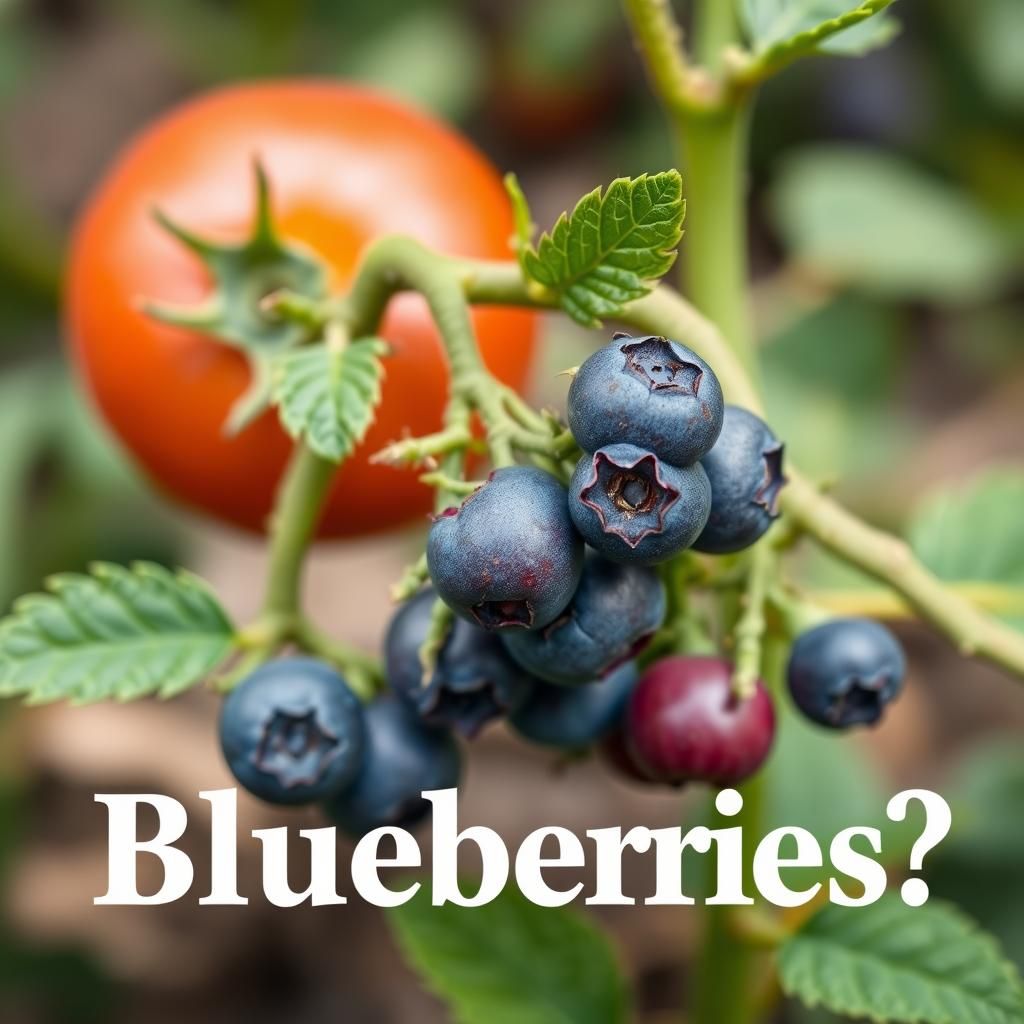
Companion planting is a gardening technique that can enhance the growth and health of various plants when grown together. Among the many combinations, the question arises: can tomatoes and blueberries coexist harmoniously in the garden? This article delves into the benefits and potential challenges of planting these two popular crops side by side. By exploring their compatibility, nutrient requirements, and the influence of their respective growth habits, we aim to provide gardeners with valuable insights. Join us as we uncover whether this pairing can lead to a thriving garden sanctuary brimming with flavor and productivity.
Can Tomatoes and Blueberries Thrive Together?
Planting tomatoes next to blueberries is generally not recommended due to the different soil and nutritional needs of these two plants. Tomatoes prefer a more alkaline soil with a pH of around 6.0 to 7.0, while blueberries thrive in acidic conditions with a pH of 4.5 to 5.5. This significant difference in soil preference can affect growth and fruit production. Additionally, tomatoes are more susceptible to certain diseases that can spread to other plants, including blueberries, creating a potential risk of disease transmission. Therefore, it is best to keep these two plants at a distance for optimal health and yield.
Soil Requirements for Tomatoes
Tomatoes require well-draining soil that is rich in organic matter and has a neutral to slightly alkaline pH. They thrive best when the soil is amended with compost or well-rotted manure, which provides the necessary nutrients for strong growth. Regular monitoring of the soil's pH can help maintain the ideal conditions for tomato plants, maximizing their fruit production and overall health.
Soil Requirements for Blueberries
In contrast, blueberries need highly acidic soil with a pH ranging from 4.5 to 5.5. This specificity is crucial for their uptake of nutrients, particularly iron, which is essential for their growth. An ideal planting area for blueberries should have peat moss or pine bark to improve soil acidity and moisture retention, ensuring the plants can thrive in their preferred conditions.
Disease Considerations
Planting tomatoes and blueberries together may expose blueberries to certain diseases common in tomato plants, such as early blight and wilt. These diseases can affect the overall health of the blueberry plants, potentially leading to lower yields and even plant death. Keeping these species apart not only prevents the spread of diseases but also allows for better management of any pests that may target tomatoes and not affect blueberries.
Companion Planting Alternatives
If you are looking for companion plants for tomatoes, consider growing basil, marigolds, or carrots nearby. These plants can benefit from each other’s presence, helping to deter pests and promoting healthy growth. Meanwhile, good companions for blueberries include azaleas and rhododendrons, which share similar soil and watering needs, allowing you to create a harmonious garden environment.
Harvesting Considerations
The harvesting timelines for tomatoes and blueberries also differ significantly. Tomatoes typically require about 70 to 85 days from transplanting to harvest, whereas blueberries may take several years to reach full production, depending on the variety. This disparity makes it impractical to grow them in close proximity, as their care and maintenance routines will overlap, making garden management more complicated.
| Plant | Soil pH Preference | Ideal Companions | Disease Susceptibility |
|---|---|---|---|
| Tomatoes | 6.0 - 7.0 | Basil, Marigolds | Early blight, Wilt |
| Blueberries | 4.5 - 5.5 | Azaleas, Rhododendrons | Fungal infections |
Can you plant tomatoes near blueberries?
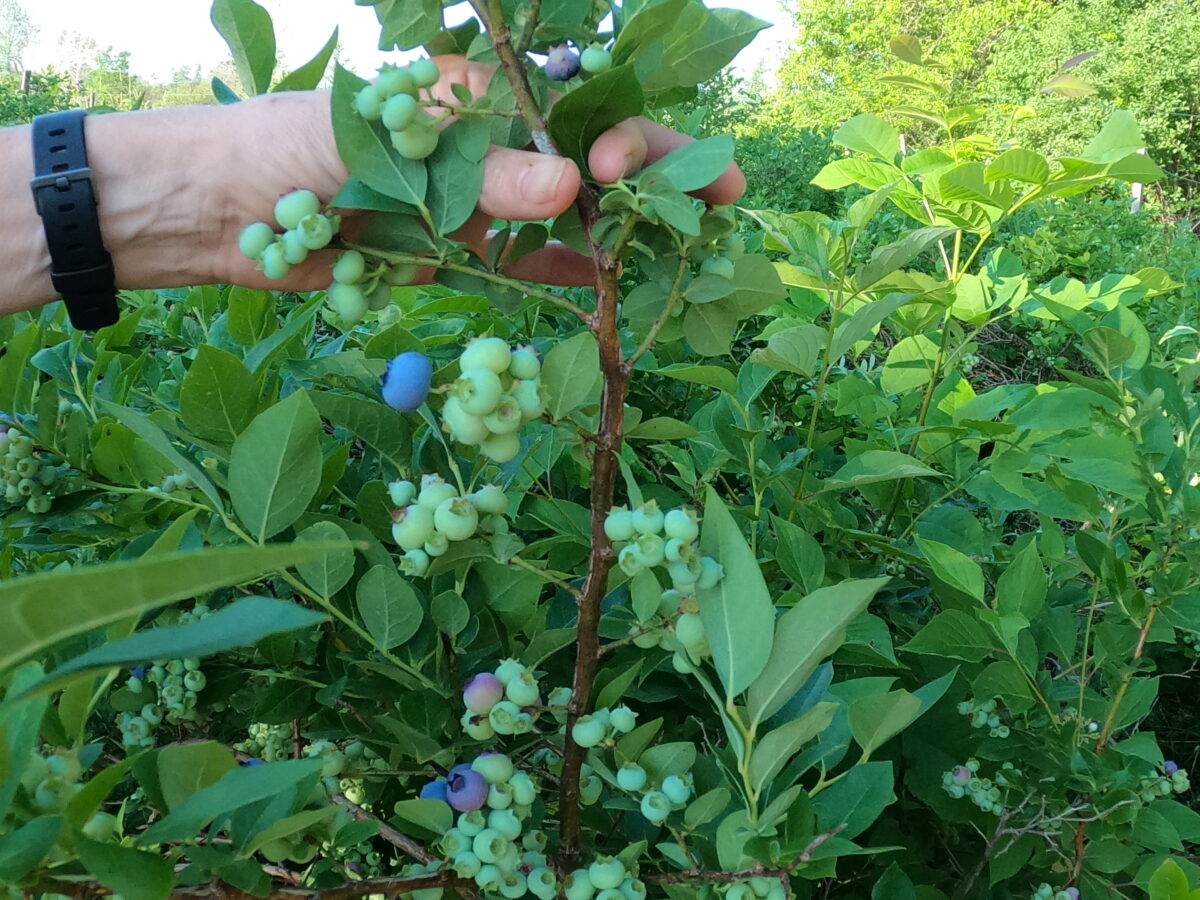
Planting tomatoes near blueberries is a topic of interest for many gardeners. While both plants have their own specific requirements, it is essential to consider their compatibility to ensure healthy growth and optimal yields.
Tomatoes (Solanum lycopersicum) thrive in warm weather and require full sun, while blueberries (Vaccinium spp.) prefer slightly acidic soil and are more tolerant of cooler conditions. The compatibility of these two plants largely depends on the soil conditions, water requirements, and pest management strategies.
Soil Requirements
Both tomatoes and blueberries have different soil pH preferences, which can affect their growth if planted too close together.
- Tomatoes prefer a neutral to slightly acidic soil, with a pH range of 6.0 to 6.8.
- In contrast, blueberries thrive in more acidic soil, ideally with a pH of 4.5 to 5.5.
- This difference in pH can lead to nutrient deficiencies or toxicities, impacting growth and productivity for both plants.
Watering Needs
The watering needs for tomatoes and blueberries also differ significantly, which adds another layer of complexity when planting them together.
- Tomatoes need consistent watering, especially during fruit development, requiring about 1-2 inches of water per week.
- Blueberries need consistently moist soil but can be more sensitive to overwatering, as this can lead to root rot.
- Planting them near each other might lead to conflicting water management practices, impacting the health of both plants.
Pest Management
Pests can affect tomatoes and blueberries differently, and having them in close proximity may complicate pest management strategies.
See also:
- Tomatoes are susceptible to various pests like aphids and whiteflies, which can be managed with specific organic pesticides.
- Blueberries are prone to issues like fruit flies and birds, requiring different control methods.
- Using pest controls for one plant may inadvertently harm the other, leading to potential damage and crop loss.
Companion Planting Benefits
While there are challenges to planting tomatoes and blueberries together, there are potential companion planting benefits to consider as well.
- Some gardeners believe that tomatoes may act as a natural pest deterrent for certain pests that threaten blueberries.
- Conversely, the shade provided by blueberry bushes can help protect young tomato plants from extreme heat during the hottest summer months.
- Strategic placement can create a microclimate beneficial for both plants, though careful monitoring is required.
Recommendations for Planting
If you decide to plant tomatoes near blueberries, certain recommendations can help mitigate potential issues.
- Maintain proper spacing to ensure adequate air circulation and reduce disease risk.
- Regularly test and amend soil to meet the needs of both plants, keeping in mind their different pH requirements.
- Implement a consistent and monitored watering schedule to ensure both plants receive their necessary moisture without overloading either.
What should not be planted close to tomatoes?
:max_bytes(150000):strip_icc()/Spruce_Companion_Plants_For_Tomatoes-b09296ce123143cbba06924494fffa98-8757a09df8a1461ea24f0e5e8013a58f.png)
Tomatoes are a popular garden crop, but certain plants can negatively affect their growth and health. Here’s a detailed look at what should not be planted close to tomatoes.
1. Brassicas
Brassicas, such as broccoli, cabbage, and cauliflower, are not suitable companions for tomatoes. They compete for nutrients and can attract pests that affect tomato plants.
- Brassicas tend to require high nutrient levels that tomatoes also need.
- These plants can host pests like aphids, which can move to tomatoes.
- Planting brassicas near tomatoes can lead to increased competition for sunlight.
2. Potatoes
Potatoes and tomatoes belong to the same family, Solanaceae, and planting them together can lead to the spread of diseases, particularly late blight.
- Both plants are susceptible to similar diseases, increasing the risk of infection.
- They compete for the same soil nutrients, leading to poor growth for both.
- The proximity can exacerbate pest problems common to both plants.
3. Peppers
While peppers are also a nightshade, they can compete with tomatoes for resources. Planting them too closely can lead to reduced yield for both plants.
- Peppers and tomatoes can compete for water and nutrients.
- Close planting can enhance the spread of diseases between the species.
- The growth habit of both plants can lead to poor air circulation, increasing the risk of fungal diseases.
4. Fennel
Fennel is known for being allelopathic, meaning it can inhibit the growth of nearby plants. It produces substances that can stunt the growth of tomatoes.
- Fennel’s root exudates can hinder tomato seedling development.
- Allelopathic effects can disrupt nutrient absorption in tomatoes.
- Fennel can also attract pests that might move on to tomatoes.
5. Mint
Mint is very invasive and can overtake tomato plants by competing for space and nutrients. Its rapid spread can lead to chaos in a vegetable garden.
- Mint can steal water and nutrients from tomato plants.
- It grows vigorously, which might overshadow the tomatoes, reducing their sunlight intake.
- The strong aroma of mint can attract pests that may harm tomatoes.
What plants don't like blueberries?
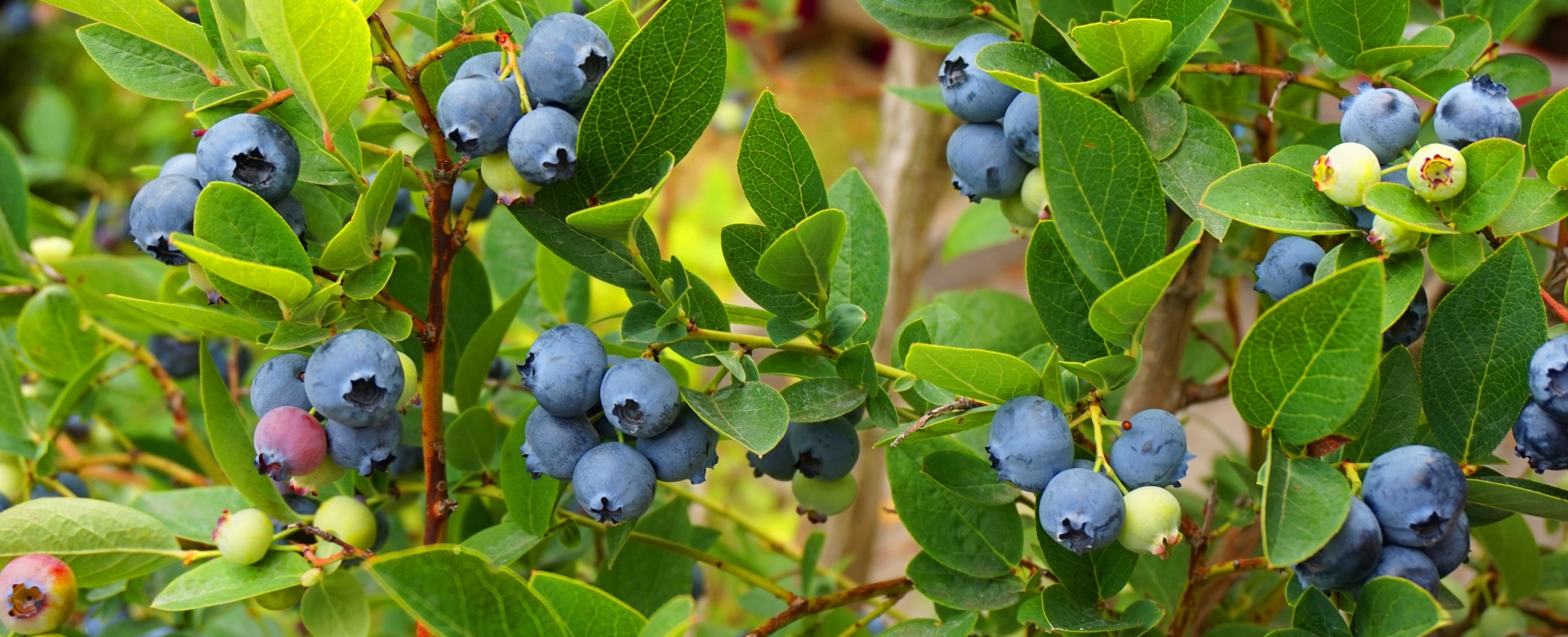
Blueberries are popular fruits known for their sweet flavor and health benefits. However, not all plants thrive in the same conditions as blueberries, particularly because of their soil acidity and specific nutrient needs. Here are some plants that generally do not like to grow alongside blueberries:
Competing Plants
Plants that compete for nutrients and water can negatively affect the growth of blueberries and vice versa. These plants often prefer different soil pH levels and moisture conditions. Some examples include:
- Tomatoes: They prefer a more neutral pH around 6.0 - 6.8, while blueberries thrive in acidic soils.
- Peppers: Like tomatoes, they require neutral to slightly acidic soil, which can conflict with blueberry requirements.
- Potatoes: They are sensitive to the acidity levels of the soil and do not thrive well near acidic-loving berries.
Herbs that Dislike Acidity
Certain herbs, especially those that prefer alkaline to neutral soil, do not fare well in the acidic environment that blueberries require. This incompatibility can stunt their growth and production:
See also:
- Basil: Prefers neutral to slightly acidic soil which is not ideal in conjunction with blueberries.
- Thyme: This herb prefers well-drained, alkaline conditions and can struggle in the acidic soil of blueberry plants.
- Sage: Also prefers a higher pH level, making it unsuitable to plant near blueberries.
Plants Sensitive to Soil Moisture
Plants that prefer drier conditions may become stressed if planted near blueberries, since blueberries require consistent moisture in their soil. This can lead to poor health for both plant types:
- Lavender: Requires well-drained, drier soil conditions, contrasting with the moisture-loving blueberries.
- Succulents: Thrive in dry and sandy soil and cannot survive in the moisture-rich environment of blueberry plants.
- Aloe Vera: Prefers dry conditions as well, and can suffer from excess moisture when planted near blueberries.
Trees Impeding Blueberry Growth
Certain trees can overshadow blueberry bushes and compete for vital resources such as sunlight and nutrients, adversely impacting their growth:
- Oaks: Their large canopies can block sunlight, which blueberries need to thrive.
- Pines: They can create a very acidic soil that's not conducive for other plants, yet will overshadow blueberries.
- Maples: Similar to oaks, they can monopolize resources and shade small plants such as blueberries.
Vegetables That Don't Mix
Certain vegetables may also not do well when planted near blueberries due to differences in soil pH and nutrient requirements:
- Carrots: Prefer a more neutral pH and can get negatively affected by the acidic soil conditions around blueberries.
- Cucumbers: They thrive better under different soil conditions, making them incompatible with blueberries.
- Spinach: Preferred pH levels are more neutral, hence it may struggle alongside acid-loving blueberry plants.
What is the best thing to put around blueberry bushes?
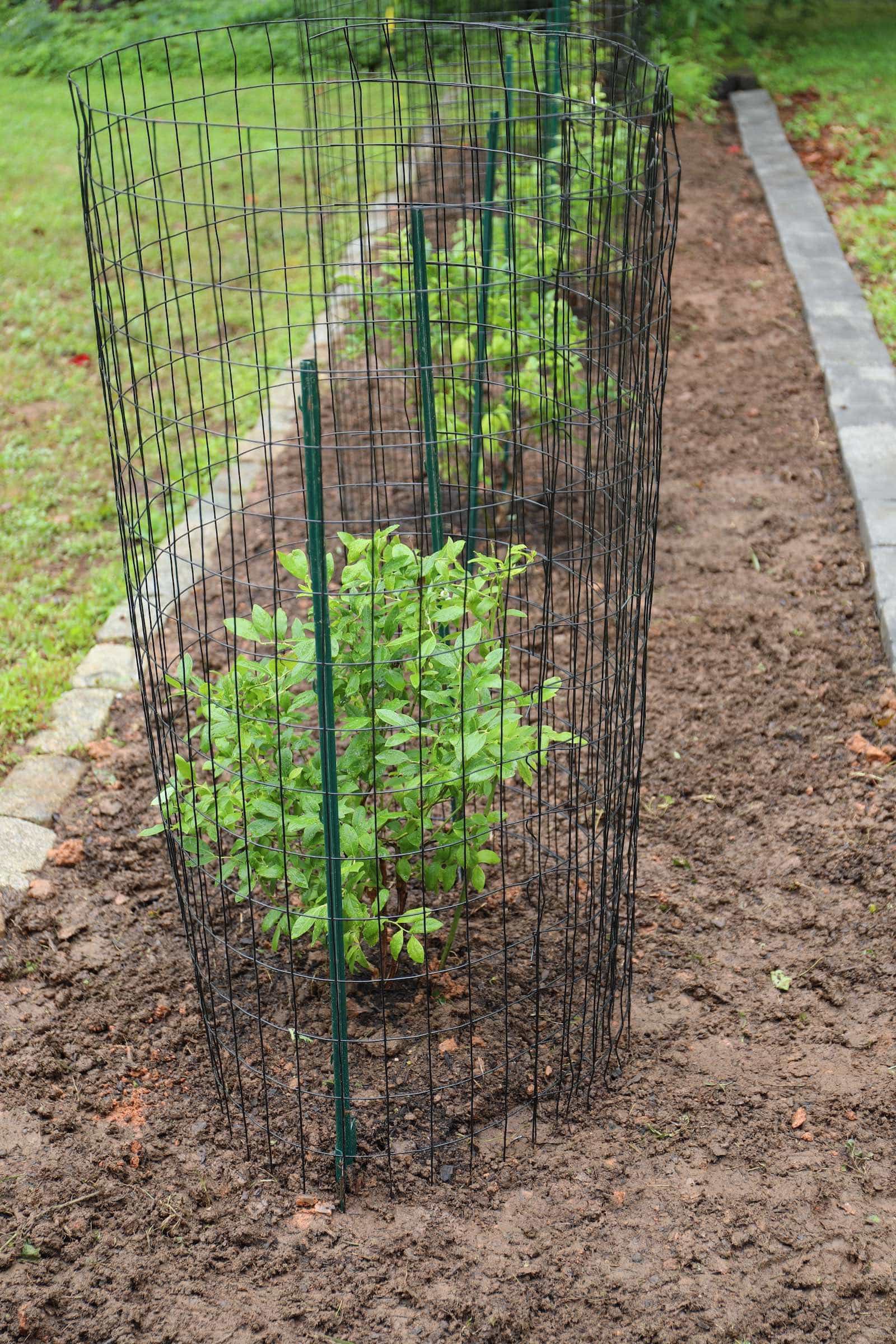
One of the best things to put around blueberry bushes is organic mulch. Mulching provides numerous benefits that help in the healthy growth of blueberry plants. It helps retain soil moisture, suppresses weeds, and enhances soil fertility as it breaks down over time. The ideal materials for mulch around blueberry bushes include pine bark, wood chips, and straw. Organic mulch not only contributes to the health of the bushes but also improves the overall aesthetic of your garden or landscape.
Benefits of Organic Mulch
Organic mulch offers several benefits that are crucial for the growth of blueberry bushes. These benefits include:
- Moisture Retention: Organic mulch helps retain moisture in the soil, reducing the frequency of watering needed.
- Weed Suppression: A good layer of mulch can prevent weeds from growing, which compete for nutrients and water.
- Soil Fertility: As the mulch decomposes, it adds organic matter to the soil, enriching it with nutrients.
Choosing the Right Type of Mulch
Selecting the appropriate type of mulch is essential for optimal growth. Here are some effective options:
- Pine Bark: This is an excellent choice as it is slightly acidic, which is favorable for blueberries.
- Wood Chips: They provide a long-lasting cover and are easy to manage in gardens.
- Straw: This is a lightweight option that decomposes relatively quickly, enriching the soil as it breaks down.
Applying Mulch Correctly
Applying mulch around your blueberry bushes needs to be done thoughtfully. Proper application involves:
- Layer Thickness: Apply a layer of mulch that’s approximately 2-4 inches thick for best results.
- Distance from Stems: Keep the mulch a few inches away from the base of the plant to prevent rot and pest issues.
- Regular Maintenance: Review and replenish the mulch annually to maintain its effectiveness.
Alternative Ground Covers
In addition to organic mulch, certain ground covers can benefit blueberry bushes. Consider:
- Low-Growing Plants: Plants like clover can fix nitrogen in the soil, benefiting nearby bushes.
- Perennial Flowers: Flowers such as thyme can attract pollinators and add beauty to the garden.
- Hardy Grasses: Some grasses function well as ground cover, helping to suppress weeds without overwhelming the bushes.
Using Landscape Fabric
Another option to consider is landscape fabric. It can help in multiple ways:
- Weed Control: It minimizes weed growth while allowing water and nutrients to penetrate.
- Soil Temperature Regulation: The fabric can assist in stabilizing soil temperatures, benefiting root growth.
- Easy Maintenance: It simplifies garden management, as it reduces the need for frequent weeding.
Questions from Our Readers
Can I plant tomatoes next to blueberries?
Tomatoes and blueberries have different soil pH and nutrient needs, which can lead to competition for resources. While they can coexist in the garden, it's important to ensure that both plants have adequate space and the right conditions to thrive.
What are the ideal growing conditions for tomatoes and blueberries?
Tomatoes prefer a pH of around 6.0 to 6.8 and need full sun, while blueberries thrive in a more acidic soil with a pH of 4.5 to 5.5. It's crucial to create a garden environment that meets the specific needs of each plant to avoid compromising their health.
Will planting tomatoes near blueberries affect their growth?
The presence of tomatoes near blueberries can potentially affect their growth due to differing nutrient requirements and drainage needs. Ensuring proper spacing and soil conditions can help mitigate any negative impacts on either plant.
See also:
What companion plants are better suited for tomatoes and blueberries?
For tomatoes, companion plants like basil and marigolds are beneficial, while blueberries grow well alongside cranberries and azaleas. Choosing compatible companions can enhance growth and reduce competition for nutrients and space.

If you want to read more articles like Can I Plant Tomatoes Next to Blueberries? Exploring Companion Planting Benefits, we recommend you check out our Tomatoes category.
Leave a Reply
Related Articles