Do Tomatoes Get Too Hot in the Greenhouse? Tips for Optimal Temperature Control

Tomatoes are a popular crop among greenhouse gardeners, but managing temperature is crucial for their growth and productivity. As temperatures rise, it can be a challenge to keep the greenhouse environment within optimal ranges. Excessive heat can stress plants, leading to poor fruit set and diminished quality. This article will explore the factors contributing to high temperatures in greenhouses and provide essential tips for effective temperature control. Understanding how to regulate heat will not only protect your tomato plants but also enhance their yield, ensuring a bountiful harvest throughout the growing season.
Understanding Temperature Regulation for Tomatoes in Greenhouses
Tomatoes are sensitive to temperature fluctuations, and in a greenhouse, they can potentially become too hot if proper ventilation and shade measures are not implemented. Optimal growing conditions for tomatoes typically range between 70°F and 85°F (21°C to 29°C) during the day, and even slightly lower at night. When temperatures exceed this range, particularly beyond 90°F (32°C), tomato plants can experience stress, leading to issues such as blossom drop, reduced fruit set, and even poor fruit quality. To mitigate these effects, greenhouse owners should consider utilizing shade cloths, adjustable vents, and fans to maintain a more stable and favorable environment for tomato cultivation.
Impact of High Temperatures on Tomato Growth
High temperatures can severely impact the growth of tomatoes, as they may lead to physiological stress for the plants. When exposed to temperatures above 90°F (32°C), tomatoes can suffer from blossom drop, where flowers fail to set fruit, drastically reducing yield. Furthermore, excessive heat can result in the development of sunscald, leaving the fruit with unsightly blemishes and increasing susceptibility to diseases. Thus, managing the temperature within a greenhouse is crucial for ensuring healthy, productive tomato plants.
Techniques for Cooling Greenhouses
There are several effective techniques to cool a greenhouse and protect tomato plants from excessive heat. Utilizing shade cloths can significantly reduce the amount of direct sunlight entering the greenhouse, thereby lowering internal temperatures. Additionally, installing exhaust fans and vents allows for better air circulation, which helps dissipate heat. Misting systems can also be beneficial, providing a slight humidity boost while cooling the air. Implementing these strategies can create a more sustainable environment for tomato plants.
Signs That Tomatoes Are Too Hot
Tomatoes exhibit various signs when they become too hot within a greenhouse. Common indicators include leaf curling, where the edges of leaves begin to roll inward as a response to heat stress. Other symptoms may include wilting leaves, lack of flower emergence, and discoloration of fruit due to sunscald. Observing these signs early allows growers to take prompt action to cool the greenhouse and alleviate stress on the plants.
Benefits of Monitoring Greenhouse Temperature
Regularly monitoring the temperature in a greenhouse provides invaluable benefits, especially for tomato cultivation. By using thermometers or computerized climate control systems, growers can identify critical temperature thresholds and take corrective actions before plants experience adverse effects. This proactive approach not only enhances yield and fruit quality but also promotes overall plant health, allowing for a more sustainable and profitable growing operation.
Using Technology to Control Temperature
Advancements in technology offer innovative ways to control temperatures in a greenhouse effectively. Installing automated climate control systems allows through sensors to detect temperature changes and adjust ventilation, shading, and misting automatically. These systems can optimize the growing environment for tomatoes without constant manual intervention, ensuring ideal conditions are maintained throughout the day and night, significantly improving plant health and productivity.
| Key Aspect | Recommended Action |
|---|---|
| Temperature Range | Keep between 70°F and 85°F (21°C to 29°C) |
| Excess Temperature | Implement shading and ventilation techniques |
| Signs of Heat Stress | Observe for leaf curling and blossom drop |
| Technology Use | Utilize climate control systems for efficiency |
| Overall Benefits | Increased yield and fruit quality |
What are the disadvantages of growing tomatoes in a greenhouse?

Growing tomatoes in a greenhouse offers numerous advantages, but there are also several disadvantages that need to be considered. Here are some of the key drawbacks:
1. Initial Costs: Establishing a greenhouse can require significant investment. Costs include construction, heating systems, and supplemental lighting. These factors can be a barrier for hobbyists or small-scale growers.
See also:
2. Maintenance Requirements: Greenhouses require regular upkeep. This includes monitoring temperature, humidity, and ventilation to create an optimal environment for tomato growth. Neglect can lead to unfavorable conditions for the plants, affecting their yield.
3. Pest Management Challenges: Although greenhouses can help protect tomatoes from certain external pest pressures, they can also create an ideal environment for pests and diseases that thrive in humidity. Managing these issues may necessitate the use of pesticides or integrated pest management strategies.
4. Limited Pollination: Greenhouse-grown tomatoes may face issues with pollination, as natural pollinators like bees might not have access to the enclosed environment. This can result in lower fruit set if not managed through manual pollination techniques or fan assistance.
5. Temperature Fluctuations: While greenhouses provide some temperature control, they are still susceptible to fluctuations. On particularly hot days, temperatures can exceed optimal levels, potentially leading to heat stress in tomato plants.
Initial Investment Costs
The initial investment associated with building and outfitting a greenhouse for tomato cultivation can be substantial.
- Construction Costs: The materials needed to build a durable greenhouse, such as glass or plastic sheeting, can add up quickly.
- Heating Systems: Depending on your local climate, installing an adequate heating system can be essential for maintaining growth during the colder months.
- Supplemental Lighting: In areas with limited sunlight, growers might need to invest in additional lighting to support tomato growth.
Maintenance Considerations
Regular maintenance is crucial for successful greenhouse management, including monitoring environmental conditions and addressing any issues promptly.
- Monitoring Conditions: Regularly checking temperature and humidity levels is necessary to prevent stress on the plants.
- Ventilation Management: Proper ventilation is critical to prevent overheating and to ensure air circulation.
- Cleaning: Periodically cleaning the greenhouse structure helps prevent mold and disease outbreaks.
Pest and Disease Issues
While greenhouses can protect plants from some external pests, they can also create conditions that foster the growth of unwanted pests and diseases.
- Humidity Levels: High humidity can encourage the development of fungal diseases such as powdery mildew.
- Pest Proliferation: Closed environments can lead to rapid population growth of pests like aphids and whiteflies, requiring diligent monitoring.
- Management Strategies: Implementing integrated pest management strategies may necessitate using chemicals or beneficial pests.
Pollination Difficulties
Pollination is critical for fruit production, and greenhouse environments can hinder this natural process.
- Lack of Pollinators: Natural pollinators like bees may not be present, leading to lower fruit set.
- Manual Pollination: Growers may need to manually pollinate flowers to ensure fruit development.
- Using Fans: Some growers employ fans to simulate natural wind, which can help in pollination.
Temperature Management Issues
Temperature fluctuations within greenhouses can pose risks to tomato plants if not managed properly.
- Heat Stress: On extremely hot days, temperatures can rise too high without the right cooling mechanisms.
- Cold Nights: Conversely, lower nighttime temperatures can also stress plants if not controlled.
- Climate Control Systems: Effective climate control systems are necessary to maintain stable conditions throughout the day.
What are the conditions for tomatoes in a greenhouse?
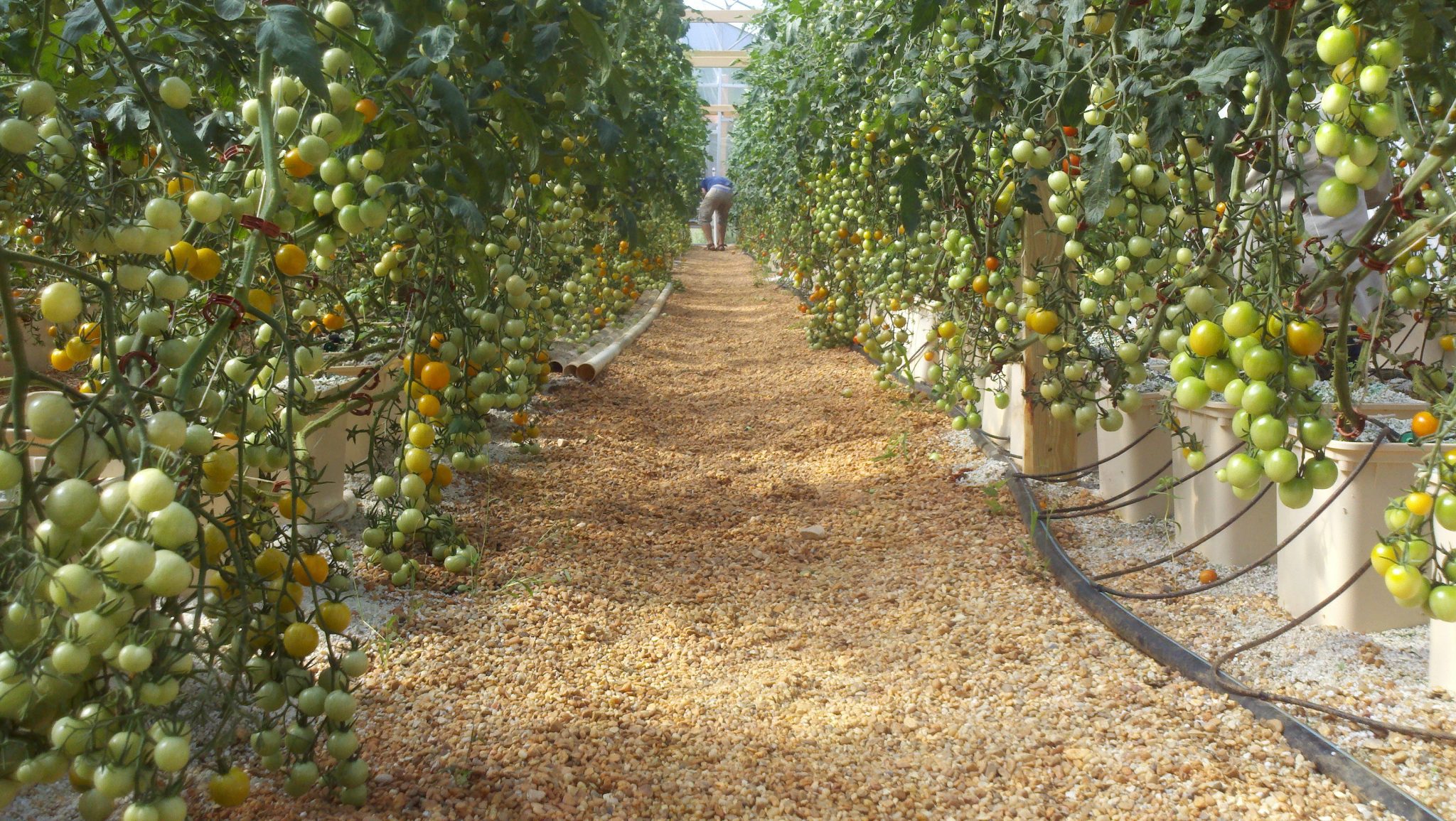

The conditions for growing tomatoes in a greenhouse are crucial for ensuring optimal growth, health, and yield. Here are the key factors that influence tomato cultivation:
Temperature Control
Maintaining the right temperature is vital for tomato plants. Ideally, tomatoes thrive in a range of 72°F to 80°F (22°C to 27°C) during the day and about 55°F to 64°F (13°C to 18°C) at night.
- Daytime temperatures above 90°F (32°C) can lead to stress and poor fruit set.
- Night temperatures dropping below 50°F (10°C) can stunt growth.
- Using thermoregulation systems like fans and heaters can help achieve consistency.
Humidity Levels
The humidity level within the greenhouse should ideally be between 50% and 70%. This range helps to prevent both diseases and dehydration in tomatoes.
- High humidity can increase the chances of fungal infections, such as powdery mildew.
- Low humidity can lead to rapid water loss from the leaves and fruit, affecting overall health.
- Regular monitoring and ventilation can help maintain the correct humidity levels.
Light Requirements
Tomatoes require a lot of light for photosynthesis, ideally between 6 to 8 hours of direct sunlight per day.
- Use transparent greenhouse materials to maximize natural light penetration.
- Supplemental lighting may be required during shorter daylight months or in cloudy conditions.
- Monitor shading from plants or structures to avoid light competition.
Soil and Nutrient Management
The soil medium should be well-draining and rich in organic matter. Optimal pH for tomatoes is around 6.0 to 6.8.
- Use a balanced fertilizer to provide necessary nutrients like nitrogen, phosphorus, and potassium.
- Regular soil testing can help ensure nutrient levels are adequate.
- Incorporate compost to improve soil fertility and structure.
Watering Practices
Consistent watering is essential to prevent stress and ensure fruit quality. Tomatoes benefit from a deep watering strategy rather than frequent shallow watering.
- Use drip irrigation systems to provide moisture directly to the root zone and conserve water.
- Avoid overhead watering to reduce the risk of fungal diseases.
- Check the top inch of soil; when it's dry, it's time to water.
Questions from Our Readers
Do tomatoes get too hot in the greenhouse?
Tomatoes can indeed get too hot in a greenhouse, especially during the peak of summer. When temperatures exceed 90°F (32°C), it can lead to flower drop, poor fruit set, and even sunscald on the tomatoes. To maintain optimal conditions, it is essential to ventilate and shade the greenhouse effectively.
What temperature is ideal for growing tomatoes in a greenhouse?
The ideal temperature for growing tomatoes in a greenhouse ranges from 70°F to 85°F (21°C to 29°C) during the day and about 55°F to 70°F (13°C to 21°C) at night. Keeping the temperature within this range promotes healthy growth and fruit production while avoiding the risks associated with excessive heat.
How can I cool down a greenhouse for tomatoes?
To cool down a greenhouse for tomatoes, consider using shade cloths, ventilation fans, or even misting systems to lower the temperature. Opening windows and doors to increase airflow, as well as adding water features can also help in reducing the greenhouse temperature during extremely hot days.
Can high temperatures affect tomato fruit quality?
Yes, high temperatures can significantly affect tomato fruit quality. When temperatures exceed the optimal range, it can result in bland taste, uneven ripening, and water loss in the fruits. Maintaining a stable temperature is crucial for ensuring that tomatoes reach their best flavor and texture.
See also:

If you want to read more articles like Do Tomatoes Get Too Hot in the Greenhouse? Tips for Optimal Temperature Control, we recommend you check out our Tomatoes category.
Leave a Reply
Related Articles