Ultimate Guide: How to Remove Fungus from Tomato Plants?
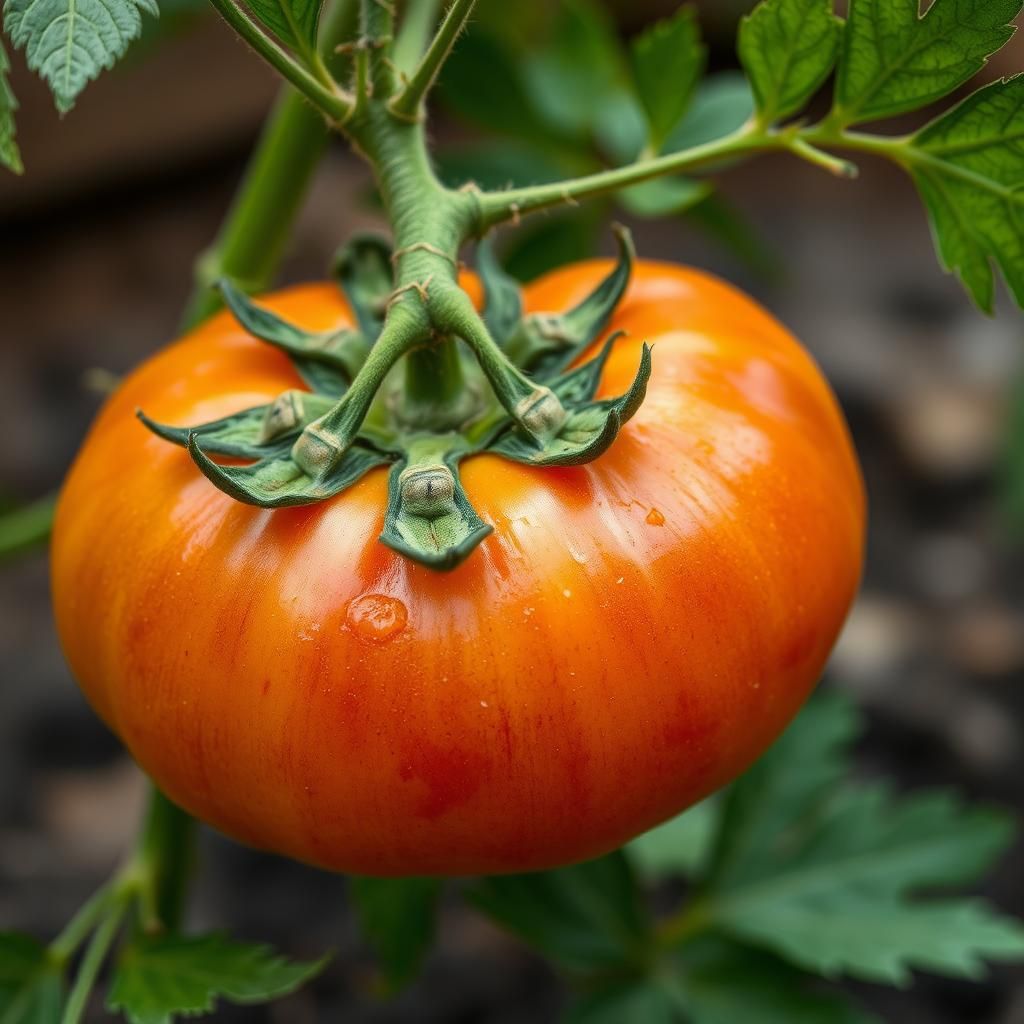
Fungi can wreak havoc on tomato plants, leading to reduced yields and unhealthy crops. As passionate gardeners know, maintaining the health of our plants is crucial for a bountiful harvest. In this ultimate guide, we will explore effective strategies for identifying, treating, and preventing fungal infections in tomato plants. From recognizing the signs of common fungal diseases to employing organic solutions and best practices for plant care, this comprehensive resource is designed to empower you with the knowledge needed to keep your tomatoes thriving. Say goodbye to unwanted fungi and hello to a flourishing garden full of delicious tomatoes!
How to Effectively Remove Fungus from Tomato Plants
To effectively remove fungus from tomato plants, the first step is to identify the type of fungal infection affecting your plants, as different fungi may require different approaches for treatment. The use of organic fungicides, such as neem oil or baking soda mixed with water, can be beneficial in inhibiting the growth of fungal pathogens. Additionally, improving air circulation around the plants and avoiding overhead watering can create an environment less conducive to fungus. Regularly removing and disposing of infected leaves will help prevent the fungus from spreading further, while maintaining healthy soil with proper drainage and nutrients can promote stronger plants that are less susceptible to such diseases.
Identifying Fungus on Tomato Plants
Identifying fungus on tomato plants is crucial for effective treatment, as different types of fungi present different symptoms. Common signs include yellowing or browning leaves, fuzzy or powdery spots, and wilting foliage. By carefully inspecting the plants, especially under the leaves and at the base, one can discern the specific fungal issue at hand. Early detection can greatly increase the chances of recovery and minimize the spread of the fungus.
Organic Fungicides and Treatments
Using organic fungicides is an environmentally friendly way to combat fungal diseases in tomato plants. Products containing neem oil, sulfur, or baking soda are known to effectively impede fungus growth when applied according to the manufacturer's instructions. These treatments can be sprayed directly onto the infected areas and should be reapplied regularly, especially after rain, to ensure lasting effectiveness against the fungal threat.
Improving Air Circulation
Improving air circulation around tomato plants is essential in reducing fungal infections. Crowded plants can trap moisture, creating a humid environment that encourages fungus to thrive. To enhance airflow, consider spacing plants adequately and pruning excess foliage. Additionally, utilizing stakes or cages for support can help lift plants off the ground, thus promoting better air circulation and reducing the humidity that often leads to disease.
See also:
Watering Techniques to Prevent Fungus
Adopting proper watering techniques can significantly decrease the likelihood of fungal outbreaks on tomato plants. Watering at the base of the plants rather than overhead helps keep the leaves dry, minimizing conditions favorable for fungus growth. It is advisable to water early in the day, allowing time for excess moisture to evaporate before nightfall. Deep watering encourages strong root growth while preventing the soil from remaining constantly damp, which can lead to fungal infections.
Monitoring Soil Health
Healthy soil is fundamental in preventing fungal diseases in tomato plants. Regularly checking soil drainage and nutrient levels will help create an optimal growing environment. Enriching the soil with compost or well-rotted organic matter can provide essential nutrients and improve drainage, making it more difficult for fungus to take hold. Additionally, crop rotation and using disease-resistant tomato varieties are proactive strategies that can bolster soil health and plant resilience against fungal infections.
| Practice | Description |
|---|---|
| Organic Treatments | Apply neem oil or baking soda mixtures to affected plants regularly. |
| Air Circulation | Space plants adequately and prune for improved airflow. |
| Watering | Water at the base of plants, avoiding wetting leaves. |
| Soil Health | Improve soil with compost and ensure good drainage. |
| Monitoring | Regularly inspect plants for early signs of infection. |
Essential Techniques for Preventing Fungus on Tomato Plants
To effectively reduce the risk of fungal infections in tomato plants, gardeners should implement a variety of preventive measures. Maintaining proper air circulation around plants is crucial, as overcrowding can lead to increased humidity, creating an ideal environment for fungi. Additionally, regularly inspecting plants for early signs of fungus can help catch problems before they escalate. Utilizing resistant plant varieties and practicing crop rotation can also play significant roles in minimizing the occurrence of fungal diseases. Finally, consistent and appropriate watering practices—such as watering the soil rather than the leaves—can limit moisture accumulation that promotes fungal growth.
Identifying Common Fungal Diseases in Tomato Plants
Recognizing the signs of common fungal diseases is the first step in managing them effectively. The most prevalent diseases affecting tomato plants include powdery mildew, early blight, and late blight. Each of these conditions manifests through specific symptoms, such as white powdery spots, yellowing leaves, and dark lesions. By familiarizing themselves with these symptoms, gardeners can take timely action to prevent the spreading of the fungi.
Best Practices for Watering Tomato Plants
Watering is a crucial aspect of tomato plant care that can either hinder or promote fungal growth. To prevent the development of fungi, water should be applied at the base of the plants rather than overhead, keeping foliage dry. Furthermore, it's essential to water consistently and avoid letting the plants sit in soggy soil. Ideal watering practices include using mulch to retain moisture and ensuring that irrigation occurs during cooler parts of the day.
See also:
Importance of Soil Health in Fungus Management
Healthy soil plays a vital role in preventing tomato plant diseases, including fungi. Ensuring that the soil is well-aerated and rich in nutrients helps promote strong plant growth, which can increase a plant's resilience against diseases. Practices like adding organic matter, utilizing compost, and avoiding compacted soil can create an optimal environment for healthy roots and foliage, thus reducing the likelihood of fungal infections.
Utilizing Organic Fungicides for Treatment
When a fungal infection is identified, using organic fungicides can be an effective way to manage the problem while being gentle on the environment. Products containing ingredients such as copper, sulfur, or bicarbonate can help inhibit fungal growth without the use of harsh chemicals. It’s important to apply these treatments according to manufacturer's instructions and continuously monitor the plants for any signs of improvement.
Crop Rotation and Its Effects on Fungal Control
Crop rotation is a strategic farming practice that can significantly reduce the likelihood of fungal diseases in tomato plants. By rotating crops, gardeners can disrupt the life cycles of fungi that thrive in specific soil conditions. This method decreases the overall soil-borne pathogen load and allows different nutrient-demanding plants to replenish the soil, leading to healthier conditions for future tomato crops.
Questions from Our Readers
What are the signs of fungus on tomato plants?
Fungus on tomato plants can manifest through yellowing leaves, black spots, and powdery mildew. If you notice any of these symptoms, it's essential to act quickly to prevent further spread of the fungal infection.
How can I prevent fungus on my tomato plants?
To prevent fungus on tomato plants, ensure proper spacing between plants for good air circulation, and avoid overhead watering. Applying fungicides or using companion planting techniques can also help keep fungal diseases at bay.
See also:
What natural remedies can I use to remove fungus from tomato plants?
Natural remedies such as baking soda, vinegar, or Neem oil can be effective in treating fungus. Simply mix these with water and spray on affected areas to help combat fungal growth without harsh chemicals.
When should I seek professional help for fungus on my tomato plants?
If the fungus persists despite treatment or if it spreads rapidly, it may be time to seek professional help. A local garden center or a horticulturist can provide specific advice and recommend more potent fungal treatments to protect your plants.

If you want to read more articles like Ultimate Guide: How to Remove Fungus from Tomato Plants?, we recommend you check out our Tomatoes category.
Leave a Reply
Related Articles