How do I get rid of fungal infection in my tomato plants? Proven Tips and Effective Solutions
Fungal infections in tomato plants can be a gardener's worst nightmare, leading to reduced yields and compromised plant health. Understanding how to identify these pesky intruders and implementing effective solutions is crucial for anyone looking to cultivate a bountiful crop. In this article, we will explore proven tips and strategies to combat fungal infections, from prevention techniques to natural remedies. By following these guidelines, you can protect your tomato plants and ensure they thrive throughout the growing season. Join us as we delve into practical methods for maintaining the vitality of your garden, ensuring a fruitful harvest.
How to Eliminate Fungal Infections in Tomato Plants
To effectively get rid of fungal infections in your tomato plants, a combination of cultural practices and treatments is essential. Start by assessing the extent of the infection and removing any infected plant parts, such as leaves or stems, to prevent further spread. Next, ensure proper air circulation around your plants by spacing them appropriately and avoiding overhead watering that can contribute to moisture buildup. You can also apply a fungicide, which can help control the infection; look for products specifically formulated for use on tomatoes. In organic gardening, options like copper fungicide or baking soda sprays can be effective. Additionally, maintaining healthy soil through regular crop rotation and adding organic matter can enhance the plants' resilience against fungal diseases.
Recognizing Fungal Infections in Tomato Plants
Identifying a fungal infection early in your tomato plants is crucial for effective treatment. Common signs include yellowing leaves, dark spots, and a powdery coating on the foliage. The appearance of stunted growth and wilting leaves can also indicate a problem. To properly diagnose the issue, inspect the base of the plants and the undersides of leaves, where fungi often thrive. Early detection allows you to implement remedies before the infection spreads and causes significant damage.
Cultural Practices to Prevent Fungal Infections
Preventing fungal infections begins with good cultural practices in your garden. Ensure that the tomato plants have adequate spacing to improve airflow, which helps reduce moisture on leaves. Avoid watering the plants during the evening; instead, water them in the early morning so that the foliage can dry quickly throughout the day. Implementing a crop rotation system will also prevent pathogens from becoming established in the soil. Additionally, proper pruning of plants can help remove dense foliage that traps moisture, further mitigating the risk of disease.
Using Fungicides for Treatment
When dealing with established fungal infections, the use of fungicides can be an effective treatment. Look for those approved for use on tomatoes and follow the manufacturer's instructions closely. Chemical fungicides work by inhibiting the growth of fungi or eliminating spores, and they are generally more effective when applied during the early stages of infection. For organic options, consider neem oil or products containing copper, as these can effectively manage fungal issues without harsh chemicals.
Natural Remedies for Fungal Problems
If you prefer a more environmentally friendly approach to treating fungal infections in tomatoes, there are several natural remedies you can try. A simple solution involves mixing baking soda with water and a few drops of liquid soap, which can help kill spores when sprayed on the infected areas. Another option is to use a garlic spray, which creates an inhospitable environment for fungal pathogens due to garlic's antifungal properties. Regularly applying these natural treatments can help maintain healthy, thriving tomato plants.
Maintaining Soil Health to Combat Fungal Infections
Healthy soil is foundational in combating fungal infections in tomato plants. Enrich your soil with organic matter, such as compost or well-rotted manure, to boost nutrient content and improve soil structure. Additionally, incorporating beneficial fungi, like mycorrhizae, can enhance the plants' ability to resist diseases by improving their nutrient uptake and overall health. Regular soil testing will help monitor pH and nutrient levels, allowing you to make informed amendments that promote not only healthy tomatoes but also reduce the risk of infections.
| Fungal Infection | Symptoms | Prevention |
|---|---|---|
| Early Blight | Dark spots on leaves | Proper spacing and airflow |
| Powdery Mildew | White powdery coating | Water in the morning |
| Fusarium Wilt | Wilting leaves and stunted growth | Crop rotation |
| Botrytis Blight | Gray mold on fruits | Remove infected debris |
| Septoria Leaf Spot | Small dark spots on leaves | Good drainage and mulching |
What is the best antifungal for tomatoes?

The best antifungal for tomatoes is typically copper-based fungicides, which are commonly used to manage various fungal diseases affecting tomato plants. These fungicides contain copper compounds that have been proven effective against fungal pathogens such as downy mildew, blight, and leaf spot. It's essential to apply these products at the first signs of infection and follow the manufacturer’s guidelines for dosage and frequency of application to ensure optimal efficacy while minimizing any potential phytotoxicity.
Effectiveness of Copper Fungicides
Copper fungicides work by disrupting the cellular processes of fungi, preventing their growth and reproduction. They are effective against a wide variety of diseases and are also considered a preventative measure, making them ideal for use during the growing season.
- Broad-spectrum protection: Copper fungicides can manage multiple fungal diseases.
- Plant safety: When applied correctly, they pose less risk to tomato plants compared to some synthetic chemicals.
- Organic options: Many copper products are approved for organic farming, making them versatile for different gardening practices.
Application Techniques
The application of antifungal treatments should be done carefully to maximize their effectiveness. Proper technique will help avoid oversaturation of the plants and potential damage.
- Timing: Apply during dry weather to reduce the chance of damage to plants and improve absorption.
- Foliar spray: Ensure complete coverage of leaves, especially the undersides where fungal spores often reside.
- Reapplication: Follow a regular schedule based on weather conditions and the severity of infection.
Alternative Antifungal Options
In addition to copper fungicides, there are various alternative antifungal treatments that gardeners can consider. These include both natural and synthetic options.
See also:
- Neem oil: Derived from the seeds of the neem tree, it can interfere with the lifecycle of many fungal pathogens.
- Bicarbonate sprays: Baking soda is an effective home remedy that can suppress fungal growth.
- Biological control: Utilizing beneficial microorganisms like Trichoderma can help outcompete and inhibit harmful fungi.
Preventative Measures for Fungal Diseases
Preventing fungal infections is crucial for maintaining healthy tomato plants. Implementing good cultural practices can significantly reduce the incidence of diseases.
- Proper spacing: Ensure adequate spacing between plants to improve air circulation.
- Water management: Use drip irrigation to keep the foliage dry and minimize humidity.
- Crop rotation: Avoid planting tomatoes in the same location each year to disrupt fungal life cycles.
Signs of Fungal Infections
Recognizing the signs of fungal infections early can help you take action promptly and choose the right antifungal treatment.
- Leaf spots: Look for small, dark, water-soaked areas on the leaves, which may expand over time.
- Wilting: Infected plants may show signs of wilting due to root rot or systemic infections.
- Fruit rot: Fungal infections can lead to soft, decayed spots on tomatoes, impacting their quality.
Can a plant recover from a fungal infection?
Certainly! Here is a detailed response regarding whether a plant can recover from a fungal infection, along with related subheadings in HTML format.
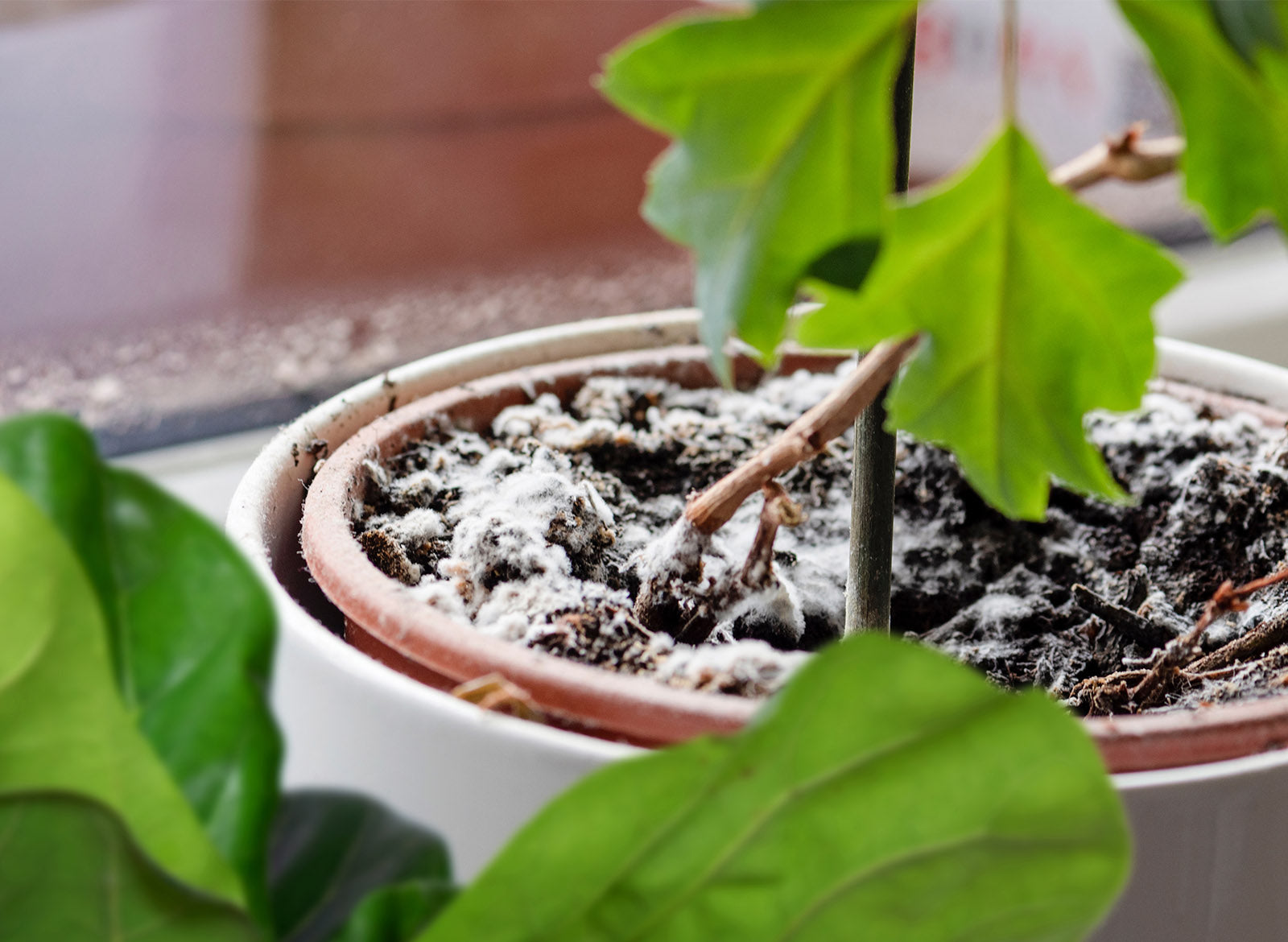
Yes, a plant can recover from a fungal infection, given the right conditions and timely intervention. The ability of a plant to bounce back depends on several factors, including the type of fungus, the severity of the infection, the health of the plant, and the environmental conditions. If the fungus is identified early and appropriate measures are taken, many plants can heal and regain their vigor.
Identification of Fungal Infections
Identifying the specific fungal infection affecting a plant is crucial for effective treatment. Here are key steps:
- Observation: Look for signs such as discolored leaves, wilting, or unusual spots.
- Diagnosis: Use resources like gardening manuals or consult with a plant specialist to confirm the type of fungus.
- Documentation: Keep records of the symptoms, fungi identified, and affected plant parts for future reference.
Treatment Options for Fungal Infections
There are various treatment methods to combat fungal infections effectively, including:
- Fungicides: Chemical treatments specifically designed to kill or inhibit the growth of fungi can be applied.
- Natural Remedies: Solutions like neem oil or baking soda can help manage mild infections.
- Mechanical Removal: Pruning visibly infected leaves and stems can prevent further spread of the infection.
Environmental Factors for Recovery
Creating an optimal environment is vital for a plant's recovery from a fungal infection. The following factors should be considered:
- Soil Drainage: Ensure the soil is well-drained, as fungal infections often thrive in overly moist conditions.
- Air Circulation: Improve air flow around the plant to reduce humidity, which can encourage fungal growth.
- Light Exposure: Ensure the plant receives adequate light, as this supports overall health and resilience.
Monitoring After Treatment
After any treatment for a fungal infection, continuous monitoring is essential to gauge recovery. Key actions include:
- Regular Inspections: Check the plant regularly for any signs of recurring infection.
- Adjustments in Care: Modify watering and care practices based on the plant's recovery progress and needs.
- Record Keeping: Document any changes or observations to help manage future fungal issues.
Preventive Measures Against Fungal Infections
Taking proactive steps can significantly reduce the chances of future fungal infections. Consider the following practices:
- Crop Rotation: Change plant locations annually to disrupt fungal life cycles.
- Sanitization: Keep gardening tools clean to prevent the spread of pathogens.
- Healthy Practices: Regularly fertilize and monitor the health of plants to maintain their vigor, allowing them to resist infections better.
How to remove fungus from tomato plants with baking soda?

To remove fungus from tomato plants using baking soda, you can utilize its natural fungicidal properties. Baking soda, or sodium bicarbonate, is an effective treatment that can help control fungal infections without the use of harsh chemicals. Here is a step-by-step guide on how to use baking soda:
See also:
1. Prepare the Baking Soda Solution:
- Mix 1 tablespoon of baking soda with 1 quart (4 cups) of water.
- Add a few drops of mild liquid soap (not detergent) to help the solution adhere to the leaves.
2. Application:
- Pour the solution into a spray bottle.
- Shake well before use to ensure that the baking soda and soap are fully dissolved.
- Spray directly onto the fungus-affected areas of the tomato plants, ensuring to cover both the tops and undersides of the leaves.
3. Frequency:
- Apply the baking soda solution every 7-14 days, especially after rain or heavy watering.
- Monitor the plants for signs of improvement or any adverse reactions.
4. Preventive Measures:
- Use baking soda spray as a preventative measure even if no visible signs of fungus are present.
5. Considerations:
- Test the spray on a small section of the plant before full application to ensure there is no plant sensitivity to the solution.
Understanding Fungal Infections in Tomato Plants
Fungal infections, such as powdery mildew and blight, can significantly harm tomato plants. These infections may appear as white powdery spots or dark lesions on leaves and stems. Understanding the specific type of fungus affecting your plants is essential for effective treatment.
- Identify the symptoms: Look for discoloration, wilting, or spots.
- Know common fungi: Powdery mildew and early blight are common issues.
- Observe environmental conditions: Fungi thrive in humid, warm conditions.
The Role of Baking Soda in Fungus Control
Baking soda acts as a natural fungicide that alters the pH level of the leaf surface, making it inhospitable for fungi. Sodium bicarbonate disrupts the structures of fungal spores and prevents their growth.
- Increase alkalinity: Fungi prefer acidic environments; baking soda raises pH.
- Direct action: It helps in preventing the germination of fungal spores.
- Safe for plants: It poses minimal risk to plants when used correctly.
Mixing Ingredients for Effective Treatment
Creating the right baking soda solution is crucial for combating fungal issues effectively. The addition of soap not only assists in adhesion but enhances the solution's overall efficacy.
- Use pure baking soda: Avoid mixes or flavored variants that may contain additional ingredients.
- Select mild soap: Opt for biodegradable options that are safe for plants.
- Test concentrations: Start with smaller concentrations to assess plant tolerance.
Optimal Timing for Application
Applying baking soda at the right time can significantly enhance its effectiveness. Timing the treatment according to weather conditions and plant growth stages is vital.
- Early morning spraying: Reduce evaporation loss and increase absorption.
- After rainfall: Reapply the treatment as rainwater can wash away previous applications.
- Before flowering: Prevent fungi from spreading during vulnerable growth stages.
Monitoring and Adjusting Your Treatment Approach
Regularly monitoring your tomato plants after applying the baking soda solution is critical to gauge its effectiveness and adjust as necessary.
- Check for improvement: Look for clearing of spots and healthier foliage.
- Adjust frequency: Depending on the severity of the fungal infection, increase or decrease application intervals.
- Consider additional treatments: If fungus persists, explore other organic or chemical treatments as needed.
Questions from Our Readers
What are the symptoms of fungal infection in tomato plants?
Fungal infections in tomato plants often exhibit symptoms such as yellowing leaves, brown spots, and wilting. As the infection progresses, you may notice powdery mildew or black mold on the leaves and fruit. Prompt identification of these indicators is crucial to effectively address the problem.
How can I prevent fungal infection in my tomato plants?
To prevent fungal infections, ensure good air circulation around your tomato plants by properly spacing them. Water them in the morning to allow leaves to dry quickly, and use mulch to maintain soil moisture without causing excess humidity. Additionally, practicing crop rotation and selecting disease-resistant varieties can significantly minimize the risk.
See also:
What organic treatments can I use for fungal infections on tomatoes?
You can use several organic treatments to combat fungal infections, such as baking soda spray, which alters the pH on the leaf surface and inhibits fungus growth. Another option is to apply a solution of neem oil mixed with water, as it has antifungal properties. Regular applications of these treatments can help keep your plants healthy.
When should I apply fungicides to my tomato plants?
Fungicides should be applied as soon as you detect any signs of fungal infection, ideally before it spreads. It's best to follow the manufacturer's instructions on timing and frequency. Regular applications during the growing season can serve as a preventive measure, especially in humid conditions favorable for fungal growth.

If you want to read more articles like How do I get rid of fungal infection in my tomato plants? Proven Tips and Effective Solutions, we recommend you check out our Tomatoes category.
Leave a Reply
Related Articles