What Temperature Should a Greenhouse Be at Night? Essential Tips for Optimal Plant Growth
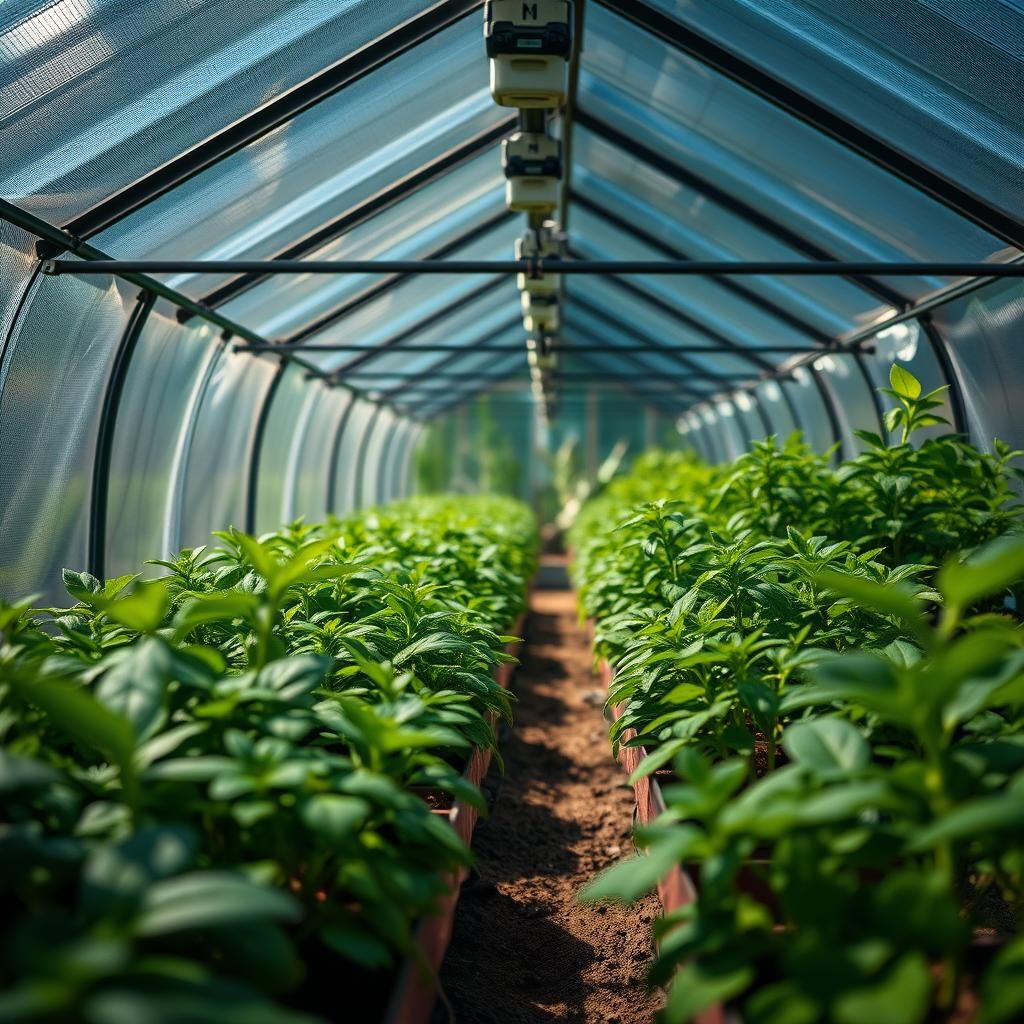
When it comes to nurturing a thriving greenhouse environment, understanding the ideal nighttime temperature is crucial for plant health and productivity. As temperatures drop after sunset, the warmth retained within your greenhouse can significantly impact plant growth, flowering, and overall yield. This article explores the optimal nighttime temperatures for various plants, highlighting essential tips to maintain a stable environment. By ensuring the right temperature range, greenhouse gardeners can effectively boost seed germination rates, prevent frost damage, and promote robust growth. Join us as we delve into practical strategies for achieving the perfect nighttime climate for your greenhouse plants.
What Temperature Should a Greenhouse Be at Night?
Maintaining an appropriate nighttime temperature in a greenhouse is crucial for the health and growth of plants. Typically, the ideal temperature for a greenhouse at night should be between 55°F (13°C) and 65°F (18°C), depending on the type of plants being cultivated. Warmer temperatures can promote growth, but excessive warmth may lead to damp conditions that can promote disease. Conversely, if the temperature drops too low, it can stress the plants and stunt their growth. Therefore, it’s essential to monitor the temperature and use heating systems or insulation techniques to maintain this optimal range throughout the night.
Importance of Nighttime Temperature
Maintaining the right nighttime temperature in a greenhouse is essential as it affects plant metabolism and growth. During the night, plants undergo respiration, which is crucial for energy use and overall health. If temperatures fall below the optimal range, it can slow down this process, leading to poor growth and increased vulnerability to pests and diseases. Thus, understanding the importance of nighttime temperature ensures healthier plants and potentially higher yields.
Factors Affecting Nighttime Temperature
Many factors can influence the nighttime temperature inside a greenhouse, including the material used in construction, local climate conditions, and the insulation of the greenhouse itself. For instance, glass greenhouses may retain heat better than those made with plastic film, while poorly insulated structures may experience significant temperature drops at night. Additionally, external weather conditions, such as wind and humidity, can also impact how warm or cool a greenhouse remains overnight.
Heating Options for Greenhouses
There are various heating options available for maintaining the right temperature in a greenhouse during the night. Common methods include the use of electric heaters, gas heaters, or even heating mats that can provide warmth directly to the roots of plants. Another effective method is the implementation of thermal mass, such as water barrels, which can absorb heat during the day and release it slowly at night, helping to stabilize temperatures.
Monitoring Temperature Levels
To ensure a greenhouse maintains the appropriate nighttime temperature, it's crucial to monitor the temperature consistently. Using a thermometer or a digital temperature monitoring system can provide accurate readings. Some modern systems even come with alerts that can notify growers about temperature fluctuations, allowing for timely adjustments. Regular monitoring helps to prevent cold spells or overheating, both of which can adversely affect plant health.
Impact of Plant Types on Temperature Needs
Different plant species have varying temperature needs, so it's important to consider which plants are being grown when determining the ideal nighttime temperature. For instance, tropical plants generally prefer warmer conditions and may require nighttime temperatures closer to 65°F (18°C), while cool-season plants may thrive in cooler temperatures down to 50°F (10°C). Understanding these differences can help in tailoring the greenhouse environment to suit specific plant requirements.
| Temperature Range | Plant Type |
|---|---|
| 50°F (10°C) | Cool-season vegetables |
| 55°F (13°C) | Herbs and some flowers |
| 60°F (16°C) | Most common plants |
| 65°F (18°C) | Tropical plants |
| 70°F (21°C) | Some sensitive crops |
How cold is too cold for a greenhouse?
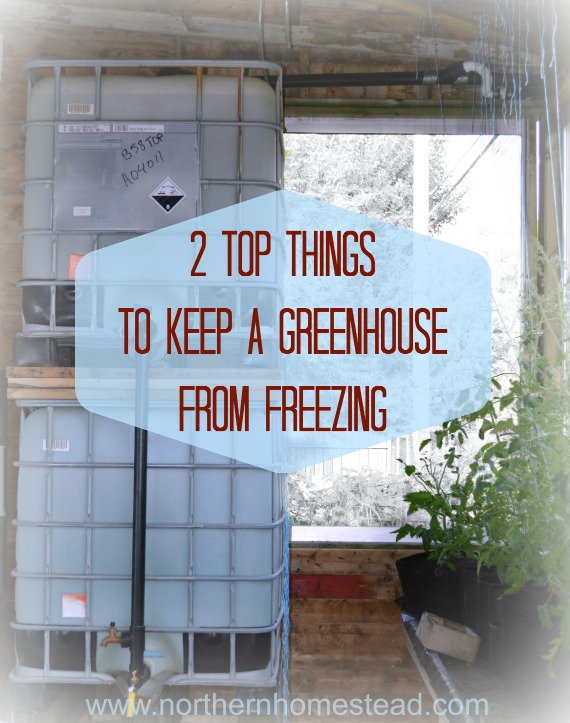
The temperature tolerance for a greenhouse largely depends on the type of plants being cultivated. While some plants can endure cooler conditions, others are sensitive to low temperatures. Generally, a temperature below 32°F (0°C) is considered too cold for most tropical plants, which can suffer damage or even die from frost. Additionally, a consistent drop in temperature below 50°F (10°C) can hinder the growth of many plants and slow down their metabolic processes. It is essential to monitor the temperature inside the greenhouse and implement measures to maintain an appropriate climate.
Factors Affecting Greenhouse Temperature
Several factors influence the internal temperature of a greenhouse, including:
See also:
- Insulation: Proper insulation helps retain heat, keeping the greenhouse warmer during colder months.
- Location: The geographic location and orientation of the greenhouse can affect how much sunlight it receives, impacting temperature.
- Materials: The type of materials used for the greenhouse structure and covering can influence thermal efficiency.
Heat Loss Mechanisms
Understanding how heat escapes from a greenhouse can help in managing its temperature:
- Conduction: Heat can be lost through the greenhouse structure, especially in poorly insulated sections.
- Convection: Air movement within and outside the greenhouse can lead to heat loss, particularly on windy days.
- Radiation: Heat can radiate away from the greenhouse, especially at night when external temperatures drop.
Plants Sensitive to Cold Temperatures
Certain plants are particularly vulnerable to cold, and their management is crucial:
- Tropical Plants: Many tropical species cannot tolerate frost and may die if temperatures drop below freezing.
- Annuals: Many annual flowering plants can suffer from stunted growth or damage at temperatures below 50°F (10°C).
- Vegetables: Some vegetables, like tomatoes and peppers, thrive in warmth and may not produce or survive in cold temperatures.
Strategies for Maintaining Temperature
There are several strategies to ensure the greenhouse maintains a suitable temperature:
- Heating Systems: Implementing a heating system can help maintain temperature during cold weather.
- Thermal Curtains: Using thermal curtains can reduce heat loss during nighttime.
- Heat Mats: Placing heat mats can help warm the soil and roots during colder periods.
Monitoring Temperature
Regular monitoring of greenhouse temperatures is essential for plant health:
- Thermometers: Using reliable thermometers ensures accurate temperature readings throughout the greenhouse.
- Data Loggers: Employing data loggers can help track temperature changes over time.
- Smart Sensors: Advanced sensors can provide real-time data and alerts regarding temperature fluctuations.
What is the night time temperature of a warm greenhouse?
The night time temperature of a warm greenhouse typically ranges from 60°F to 70°F (15°C to 21°C). This temperature range is essential for supporting plant growth and maintaining a stable environment for various crops. Greenhouses are designed to trap heat during the day and release it gradually at night, ensuring that plants are not exposed to cold temperatures, which can be detrimental to their health.
Importance of Night Time Temperature
Maintaining the right night time temperature in a warm greenhouse is crucial for several reasons:
- Plant Health: Proper temperatures prevent stress in plants, which can lead to stunted growth or diseases.
- Photosynthesis: Sustained temperatures support continuous photosynthesis and energy production.
- Humidity Control: Consistent temperatures help in managing humidity levels, preventing mold and mildew.
Heat Retention Methods
To maintain the desired night time temperature in a warm greenhouse, several heat retention methods can be used:
- Thermal Mass: Utilizing stone, concrete, or water to absorb heat during the day and release it at night.
- Insulation: Using insulating materials on walls and roofs to minimize heat loss after sunset.
- Heating Systems: Installing gas, electric, or wood heating systems for colder nights.
Impact of External Temperatures
External weather conditions significantly impact the night time temperature in a greenhouse:
- Climate Zone: Regions with harsher winters require better insulation and heating solutions.
- Humidity Levels: Higher humidity can hold heat longer, affecting the internal temperature.
- Wind Exposure: Windy conditions can increase heat loss, necessitating better protective measures.
Monitoring Temperature
Monitoring the night time temperature in a greenhouse is essential for optimal plant growth:
See also:
- Thermometers: Using digital or analog thermometers to track temperature variations.
- Climate Control Systems: High-tech systems can automate heating and cooling based on real-time data.
- Adjustments: Regular adjustments based on readings can optimize conditions for different crops.
Benefits of a Controlled Environment
A controlled night time temperature offers several benefits for greenhouse gardening:
- Extended Growing Season: Allows for year-round cultivation regardless of external weather changes.
- Increased Yields: Consistent temperatures promote healthier plants and higher yields.
- Variety of Crops: Enables the cultivation of a wider range of plants, including tropical species.
What temperature should a greenhouse be overnight?
The ideal overnight temperature for a greenhouse generally depends on the types of plants being cultivated, but a general recommendation ranges from 50°F to 65°F (10°C to 18°C). For tropical or subtropical plants, temperatures should be kept higher, around 65°F to 75°F (18°C to 24°C), while cool-season crops can tolerate lower temperatures. It's crucial to maintain a stable temperature to avoid stressing the plants, promoting healthy growth and development.
Understanding Plant Temperature Needs
Different plants have varied temperature requirements, which can influence their growth and productivity significantly.
- Warm-season plants, like tomatoes and peppers, thrive best in warmer overnight temperatures, ideally between 65°F and 75°F.
- Cool-season crops, such as lettuce and pansies, can withstand cooler temperatures, usually around 50°F to 60°F.
- Understanding the specific temperature needs of each plant type can help in planning the ideal environment in the greenhouse.
The Role of Humidity
Humidity levels can affect temperature regulation within a greenhouse, impacting plant health.
- High humidity can make the greenhouse feel warmer than it actually is, allowing for slightly cooler nighttime temperatures.
- Conversely, low humidity can cause rapid temperature drops, which can be detrimental to sensitive plants.
- Maintaining a balanced humidity level is essential to ensure that the expected temperature range is effectively managed overnight.
Insulation and Heat Retention
Proper insulation is critical for maintaining stable overnight temperatures in a greenhouse.
- Insulating materials, such as bubble wrap or thermal screens, can help retain heat during the cooler night hours.
- Ensure that windows and doors are properly sealed to prevent heat loss.
- Consider using heating systems such as electrical heaters or heat mats for added warmth, especially during colder months.
Using Thermostats and Monitoring
Implementing thermostats can aid in maintaining the desired temperature range overnight.
- Setting up a thermostat can help automate heating and cooling systems as needed.
- Regular monitoring of temperatures can ensure that plants are kept within the ideal range.
- Advanced systems may include remote monitoring capabilities to adjust conditions even when not physically present in the greenhouse.
Seasonal Adjustments
Overnight temperature needs may change with the seasons, requiring adjustments to greenhouse management.
- During winter months, temperatures often need to be raised significantly to ensure plant survival.
- In summers, ventilation strategies may need to be enhanced to prevent overheating during the night.
- Be prepared to adapt heating and cooling methods according to the seasonal climate challenges you face.
Questions from Our Readers
What is the ideal nighttime temperature for a greenhouse?
The ideal nighttime temperature for a greenhouse typically ranges between 60°F to 70°F (15°C to 21°C). Maintaining this temperature range helps ensure that plants remain healthy and can continue their growth processes during the night.
How does nighttime temperature affect plant growth in a greenhouse?
Nighttime temperature plays a crucial role in plant growth; if temperatures are too low, it can stress plants, while temperatures that are too high can lead to poor respiration rates. Striking a balance helps plants utilize resources effectively and promotes healthy development.
See also:
Can I use heating systems to maintain nighttime temperatures in my greenhouse?
Yes, using heating systems, such as electric or propane heaters, can efficiently maintain the desired nighttime temperatures in a greenhouse. It's important to select a heating system that is suitable for the greenhouse size and can effectively manage temperature fluctuations.
What are the signs that the nighttime temperature is too low for greenhouse plants?
Signs that the nighttime temperature may be too low for your greenhouse plants include wilting leaves, slowed growth, and discoloration of foliage. If you notice these symptoms, it's essential to raise the temperature to prevent long-term damage to your plants.

If you want to read more articles like What Temperature Should a Greenhouse Be at Night? Essential Tips for Optimal Plant Growth, we recommend you check out our Garden category.
Leave a Reply
Related Articles