How Do You Keep a Small Greenhouse Warm at Night? Essential Tips for Gardeners
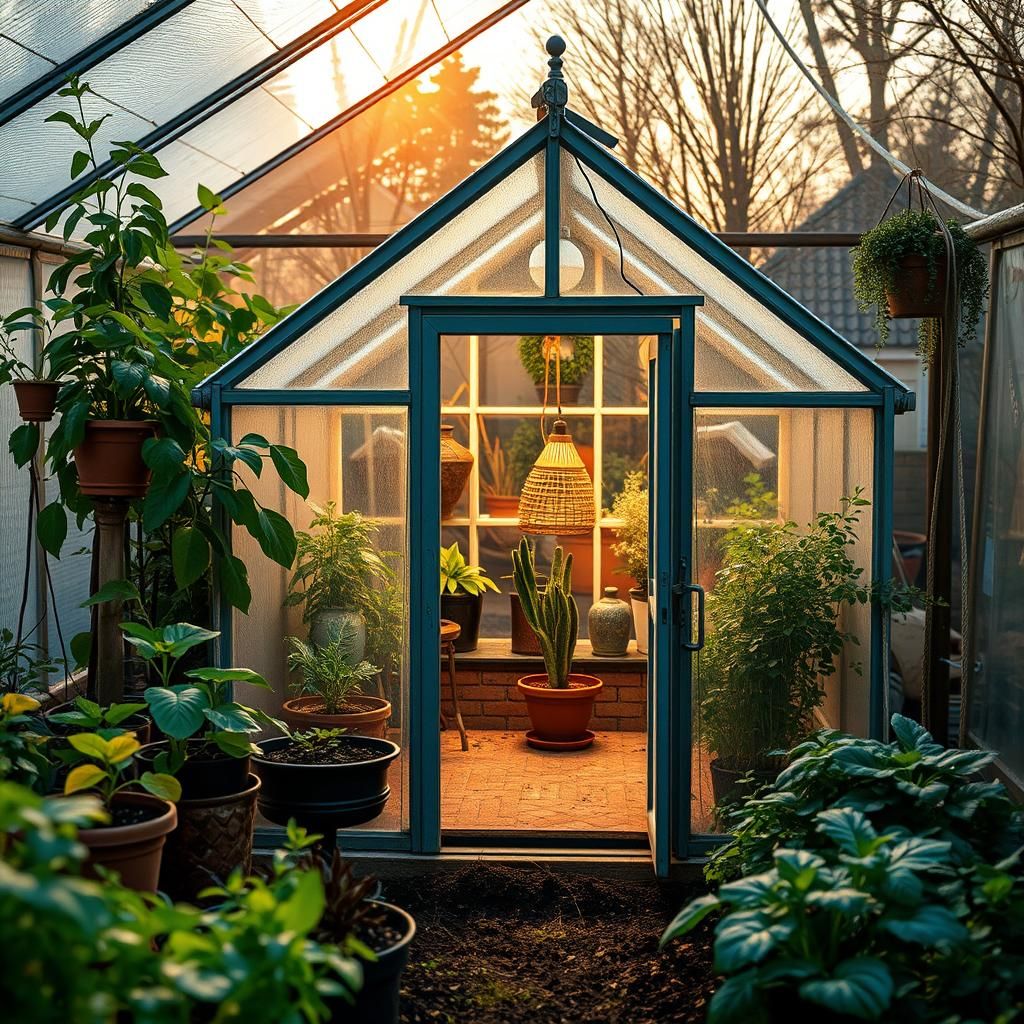
Maintaining the right temperature in a small greenhouse at night is crucial for the health of your plants. As temperatures drop, vulnerable seedlings and delicate blooms can suffer from frost or chilling injuries. Strategies for keeping your greenhouse cozy during the night can make all the difference in ensuring a thriving garden. This article explores essential tips and techniques, including natural insulating methods and temperature regulation tools, to help gardeners protect their plants from harsh nighttime cold. Discover how to create a warm and nurturing environment that allows your green thumb to flourish, even after the sun goes down.
How to Keep a Small Greenhouse Warm at Night
To maintain a comfortable temperature in a small greenhouse during the colder night hours, it's essential to implement several strategies. One effective method is to use thermal mass materials such as water barrels or stone, which absorb heat during the day and release it at night, helping to stabilize the environment. Additionally, covering the greenhouse with insulating materials, like bubble wrap or horticultural fleece, traps heat and reduces heat loss, while employing heating systems such as electric heaters or heated cables can provide necessary warmth. Ensuring proper ventilation to prevent excess humidity is also crucial since damp conditions can lead to fungal issues, negatively impacting plant health.
Utilizing Thermal Mass
Using thermal mass is one of the most practical ways to retain heat in a small greenhouse overnight. Materials like water barrels or stone can absorb sunlight throughout the day, storing energy and slowly releasing it as temperatures drop at night. This method is passive and cost-effective, requiring minimal maintenance while significantly improving the greenhouse's temperature regulation.
Insulation Techniques
Implementing proper insulation techniques is vital for maintaining warmth in a greenhouse during the night. Covering the structure with insulating materials such as bubble wrap, blankets, or horticultural fleece can create a barrier that minimizes heat loss. These materials trap warmth and prevent cold air from seeping in, ensuring that the ambient temperature remains stable for plants.
Heating Systems
Incorporating heating systems such as electric heaters, propane heaters, or heated cables can be an effective solution for keeping a small greenhouse warm at night. These systems can provide consistent heat and can be regulated to maintain the desired temperature, protecting plants from cold spells. Regular maintenance of heating equipment is essential to ensure reliable operation.
See also:
Proper Ventilation
Maintaining proper ventilation is crucial for preventing humidity buildup in the greenhouse, which can lead to plant diseases. While it is important to keep the greenhouse warm at night, creating airflow helps to avoid damp conditions. Adjustable vents or fans can facilitate air circulation, ensuring that the environment remains healthy for plant growth while still retaining heat.
Monitoring Temperature
Regularly monitoring temperature levels inside the greenhouse is an important practice for effective temperature management. Utilizing thermometers, temperature sensors, or even smartphone apps can help track any changes in the environment. By staying aware of temperature fluctuations, adjustments can be made to heating systems or insulation methods to ensure that plants remain in their optimal growing conditions.
| Method | Description |
|---|---|
| Thermal Mass | Utilizing materials that absorb heat during the day and release it at night. |
| Insulation | Applying materials to reduce heat loss and maintain warmth. |
| Heating Systems | Incorporating electric or propane heaters to provide continuous warmth. |
| Proper Ventilation | Allowing air circulation to prevent humidity and disease while retaining heat. |
| Monitoring Temperature | Regularly checking temperature levels to manage climate conditions effectively. |
Insulating Your Greenhouse for Maximum Heat Retention
To effectively retain heat in a small greenhouse during the cold nights, it is crucial to prioritize insulation. Consider using materials such as bubble wrap, which can be easily applied to the inner walls of the greenhouse, effectively trapping heat and reducing the amount lost through the glass or plastic panels. Additionally, ensure that any gaps or openings are properly sealed to prevent cold air from entering and warm air from escaping. Further, consider adding insulating curtains or thermal screens at night, as these can significantly enhance the greenhouse's ability to maintain an optimal temperature for your plants, promoting healthy growth throughout the night.
Utilizing Heat Retention Materials
One effective way to keep a warm temperature in your greenhouse is to incorporate heat retention materials. Materials like stone or water-filled barrels can absorb heat during the day and release it slowly throughout the night, helping to maintain a more stable temperature. Placing these materials strategically within the greenhouse can significantly reduce thermal loss, ensuring that your plants are protected from sudden temperature drops.
Implementing Thermal Mass Solutions
Thermal mass solutions involve using heavy materials that retain heat to help keep the greenhouse warm at night. Options include using concrete or ceramic tiles as flooring or adding large water containers that absorb heat during the day when temperatures rise and subsequently release it during the cooler nighttime hours. These solutions help create a more stable environment for plant growth by mitigating the extremes of daily temperature fluctuations.
See also:
Creating a Windbreak Around Your Greenhouse
Establishing a windbreak around your greenhouse significantly reduces heat loss caused by cold winds. Planting deciduous trees or installing barriers such as fences or shrubs can shield the structure from harsh winds, thus helping to maintain a warmer atmosphere inside. This natural form of insulation not only enhances warmth retention but also protects your plants from potential stress caused by rapid temperature changes.
Using Heating Pads or Mats
Heating pads or mats can be added to the interior of your greenhouse to provide consistent, gentle warmth during the night. These devices are especially beneficial for sensitive plants that require more stable conditions. They can be placed under potted plants or along the base of soil beds, ensuring that the roots stay warm and promoting healthy growth even when external temperatures drop.
Monitoring Temperature Levels Regularly
Regularly monitoring the temperature levels within your greenhouse is essential to ensure that the plants remain in a suitable environment. Investing in a reliable thermometer or a smart temperature monitoring system can help you keep track of temperature fluctuations. By maintaining an appropriate heating strategy based on real-time data, you can quickly respond to changing conditions and make necessary adjustments to keep your greenhouse warm during the night.
Questions from Our Readers
How can I insulate my greenhouse for nighttime warmth?
To insulate your greenhouse effectively, you can use bubble wrap or thermal blankets to cover the walls and roof, which helps retain heat. Additionally, placing insulating materials like straw bales around the base can create a barrier against cold air. Ensure ventilation is managed to avoid excess moisture.
What heating options are available for small greenhouses?
There are several heating options for small greenhouses, including electric heaters, propane heaters, or natural gas systems. You can also utilize heat mats or soil heaters to keep plant roots warm. Investing in a thermostat will help maintain a consistent temperature throughout the night.
See also:
Should I use thermal mass to keep my greenhouse warm at night?
Yes, using thermal mass is a great idea as it helps to store heat during the day and release it at night. Materials like water barrels or stone can absorb sunlight during the day and slowly release that heat once the sun goes down, providing a stable temperature for your plants.
Can plants help keep the greenhouse warm at night?
Plants themselves can contribute to a warmer greenhouse environment by transpiring moisture, which can increase humidity and help retain heat. Additionally, grouping plants together can create a microclimate that helps maintain higher temperatures, especially during the colder nights.

If you want to read more articles like How Do You Keep a Small Greenhouse Warm at Night? Essential Tips for Gardeners, we recommend you check out our Garden category.
Leave a Reply
Related Articles