What is the cheapest way to cool a greenhouse? Top 10 Cost-Effective Cooling Solutions Explained
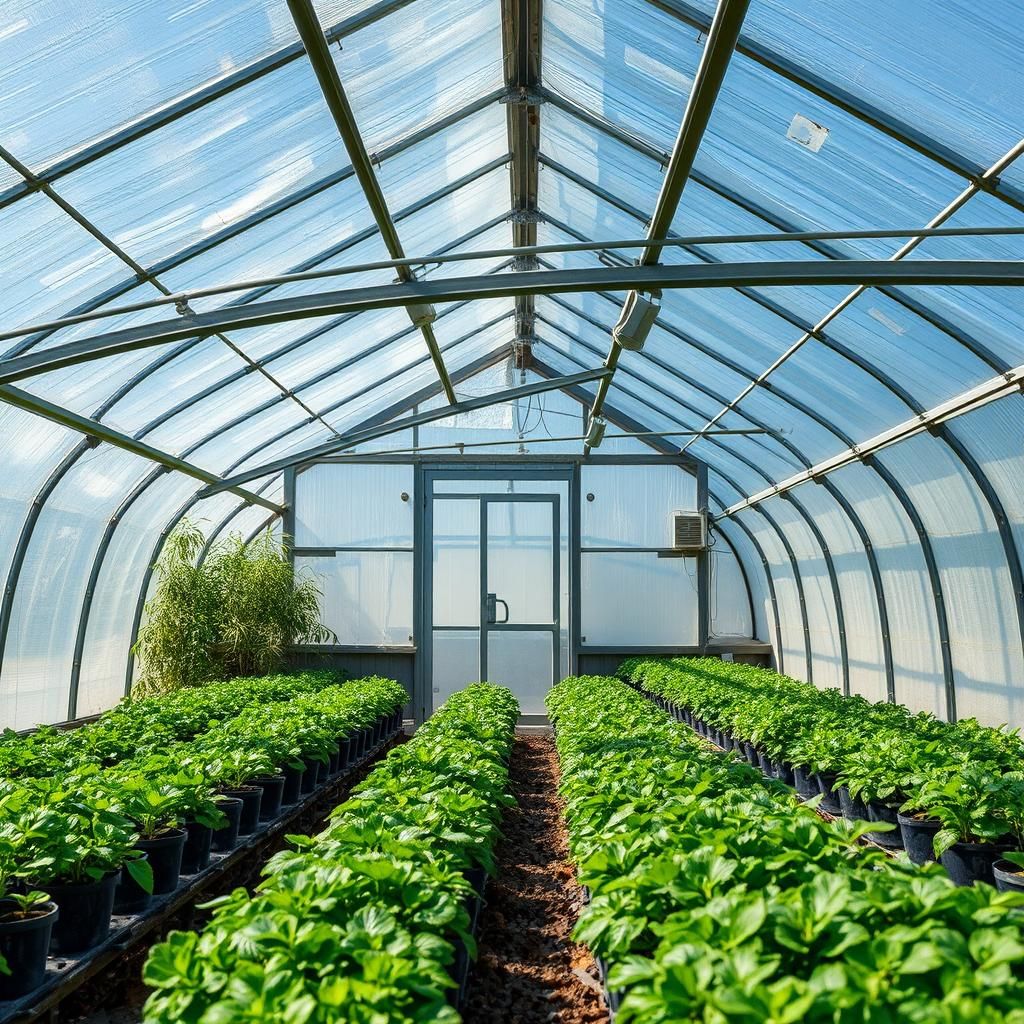
Maintaining an optimal temperature in a greenhouse is crucial for plant health and productivity, but cooling can be a significant expense. Fortunately, there are several cost-effective solutions to keep your greenhouse environment comfortable without breaking the bank. In this article, we will explore the top 10 cheapest ways to cool a greenhouse, highlighting innovative techniques and practical tips that can help you achieve the right climate while saving money. Whether you’re a seasoned gardener or a beginner, these strategies will enable you to enhance your greenhouse's efficiency and productivity, ultimately leading to healthier plants and a more fruitful yield.
What is the Cheapest Way to Cool a Greenhouse?
One of the cheapest ways to cool a greenhouse is by implementing natural ventilation techniques, which significantly reduce the need for mechanical cooling systems. This method involves strategically placing vents and windows to allow cooler air to flow in while enabling hot air to escape. By designing the greenhouse with an optimal orientation to capture prevailing winds, along with the use of shading materials such as shade cloths to block excessive sunlight, greenhouse owners can maintain a more stable and cooler environment for their plants at minimal costs. Additionally, incorporating water features, like small ponds or fountains, can help to lower air temperatures through evaporation, further enhancing the cooling effect naturally.
Natural Ventilation Techniques
Natural ventilation techniques are essential for effective greenhouse cooling. By positioning roof vents and side panels strategically, warm air can escape while cooler air enters, creating a natural airflow. The efficiency of this method can be maximized by ensuring that vents can be opened remotely or automatically in response to temperature changes. This system relies on the principle that hot air rises and can be expelled from higher sections of the greenhouse, allowing cooler air from outside to replace it, thus maintaining optimal growing conditions.
Shade Strategies
Implementing shade strategies is another cost-effective method for cooling a greenhouse. Utilizing shade cloths, reflective materials, or even strategically placed plants can decrease the amount of direct sunlight entering the greenhouse. This reduction in sunlight can help maintain a cooler internal environment, minimizing the reliance on extra cooling systems. Additionally, creating shaded areas within the greenhouse can help protect more temperature-sensitive plants while promoting overall health and growth in a well-regulated climate.
Water Features for Cooling
Incorporating water features such as ponds, fountains, or damp areas inside and around the greenhouse can significantly enhance the cooling effect through evaporative cooling. When water evaporates, it absorbs heat from the surrounding air, thereby lowering the air temperature. For best results, these water features should be placed strategically to promote airflow and provide a continuous source of moisture, which can be especially beneficial during the hottest parts of the day.
See also:
Insulation Techniques
Proper insulation within the greenhouse can help retain cooler temperatures during the hotter months. Utilizing insulating materials like double-layered polyethylene films or thermal curtains can reduce heat gain from the outside while keeping the cooler air inside. Insulating the structure, particularly the roof, can significantly reduce the internal temperature fluctuations, thus leading to lower overall cooling costs throughout the growing season.
Positioning and Orientation
The positioning and orientation of the greenhouse are crucial factors in maintaining a cooler environment. Ideally, greenhouse structures should be oriented along the north-south axis; this allows for an even distribution of sunlight throughout the day and prevents excessive heat buildup on any one side. Additionally, placing the greenhouse in a location that benefits from natural wind currents can enhance cooling through better ventilation, ultimately leading to a healthier plant environment.
| Cooling Method | Cost Effectiveness | Additional Benefits |
|---|---|---|
| Natural Ventilation | Very Low | Improved air quality |
| Shade Strategies | Low | Protection from excessive sunlight |
| Water Features | Medium | Enhanced humidity control |
| Insulation Techniques | Medium | Reduced temperature fluctuations |
| Positioning and Orientation | Very Low | Natural light distribution |
Understanding Passive Cooling Techniques for Greenhouses
Implementing passive cooling techniques in a greenhouse not only reduces energy costs but also enhances the overall climate control within the growing environment. These strategies rely on natural elements like shade, ventilation, and humidity regulation, enabling you to keep the interior temperatures manageable without the need for expensive mechanical cooling systems. Using methods such as installing shade cloth, optimizing roof vents, and incorporating water features can significantly lower temperatures while promoting a sustainable approach to greenhouse management.
1. Utilizing Shade Cloth
Installing shade cloth is one of the simplest and most effective ways to reduce heat accumulation in a greenhouse. By blocking direct sunlight, shade cloth can lower temperatures and reduce the risk of overheating during hot months. Available in different percentages, ranging from 30% to 90% shading, this material can be customized based on the specific light requirements of the plants grown inside, allowing for optimized growth while preventing heat stress.
2. Ventilation Strategies
Proper ventilation is crucial for maintaining an optimal climate in a greenhouse. By strategically placing roof vents and side vents, hot air can escape, creating an effective cross-breeze. This natural airflow helps lower the interior temperature and maintains humidity levels, which are essential for plant health. Automated ventilation systems can enhance this process by adjusting based on temperature, ensuring that the greenhouse remains comfortable throughout the day.
See also:
3. Water Features for Cooling
Incorporating water features like ponds or small fountains within or around the greenhouse can significantly contribute to cooling. As water evaporates, it absorbs heat from the surrounding air, resulting in a noticeable drop in temperature. This method not only promotes a soothing ambiance but also supports humidity levels, which are often beneficial for various plant species, creating a balanced microclimate inside the greenhouse.
4. Green Roof Options
Implementing a green roof involves planting vegetation directly on the roof of the greenhouse, providing an additional layer of insulation. The plants assist in reducing heat absorption while improving air quality and controlling rainwater runoff. This option promotes sustainability and can make a significant contribution to energy efficiency by maintaining lower temperatures inside the greenhouse, especially during peak summer months.
5. Positioning and Orientation
The location and orientation of a greenhouse play critical roles in its cooling methods. Positioning the greenhouse to minimize direct sun exposure during peak hours can greatly reduce interior heat. Moreover, aligning the structure to take advantage of natural wind patterns allows for effective airflow. Ensuring that the greenhouse is not shaded by surrounding structures or trees is key to optimizing both sunlight capture and passive cooling strategies.
Questions from Our Readers
What are some natural ways to cool a greenhouse?
To naturally cool a greenhouse, you can utilize ventilation techniques, such as opening windows or using exhaust fans. Additionally, planting shade-providing plants outside or using shade cloth can help reduce direct sunlight and lower internal temperatures effectively.
How does evaporative cooling work in a greenhouse?
Evaporative cooling works by using water to lower temperatures through the process of evaporation. By introducing moist air, usually via misters or a cooling pad system, the greenhouse can maintain lower temperatures, making it a cost-effective method, especially in dry climates.
See also:
Can using reflective materials help keep a greenhouse cool?
Yes, using reflective materials, such as white paint or shade nets, can significantly help in reducing heat. These materials reflect sunlight, thereby minimizing heat gain inside the greenhouse, which can help maintain a cooler environment for the plants.
What plants can help cool a greenhouse when grown outside?
Growing tall plants or trees, such as sunflowers or small trees, outside the greenhouse can provide natural shade. This not only helps in blocking direct sunlight but also creates a buffer of cooler air, contributing to a more stable temperature inside the greenhouse.
If you want to read more articles like What is the cheapest way to cool a greenhouse? Top 10 Cost-Effective Cooling Solutions Explained, we recommend you check out our Garden category.
Leave a Reply
Related Articles