Do Cheap Plastic Greenhouses Work? A Comprehensive Guide to Cost-Effective Gardening Solutions
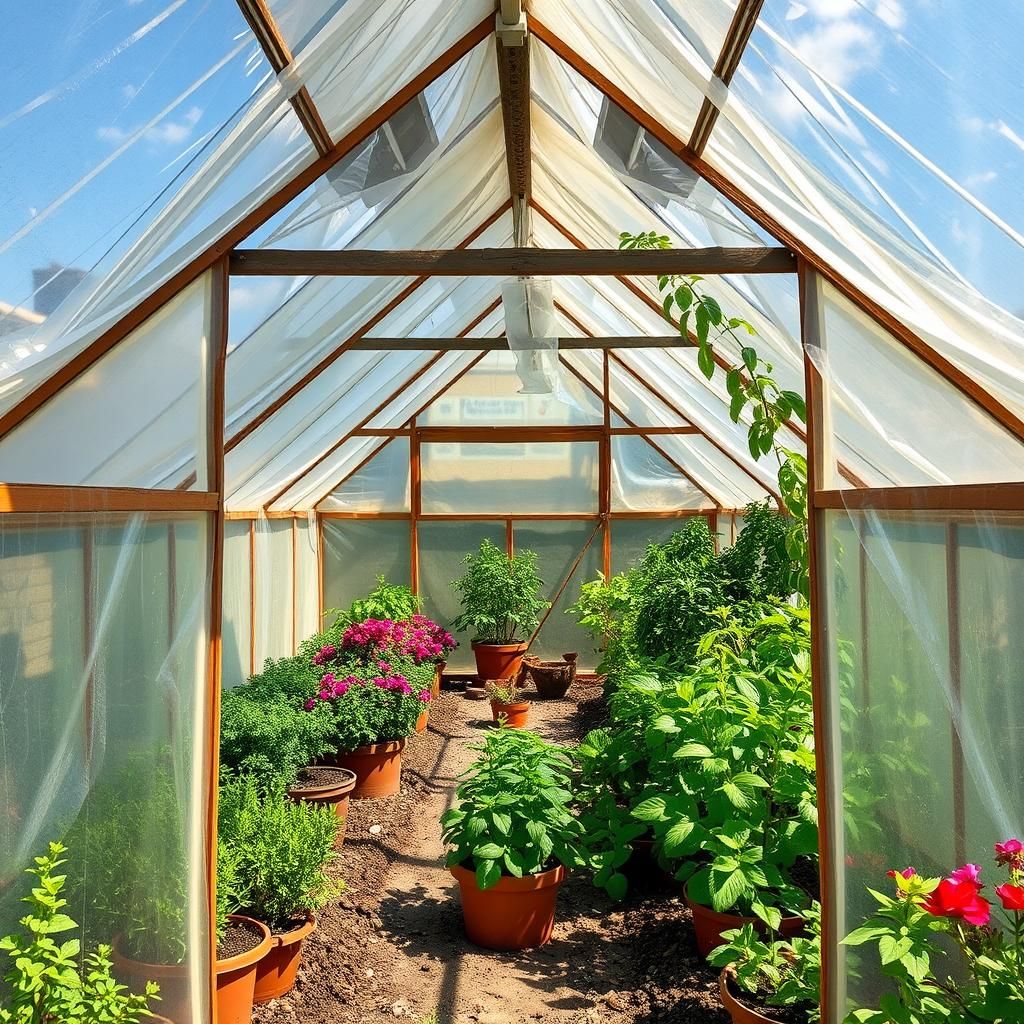
In recent years, the popularity of cheap plastic greenhouses has surged among gardening enthusiasts seeking budget-friendly solutions. But do these economical structures truly deliver on their promise to enhance plant growth and extend the growing season? This comprehensive guide will delve into the effectiveness of inexpensive plastic greenhouses, exploring their benefits, limitations, and key factors to consider before making a purchase. Whether you're a beginner gardener or a seasoned pro looking for cost-effective options, understanding how to maximize the potential of these greenhouses can significantly impact your gardening success. Join us as we uncover the truth behind cheap plastic greenhouses.
Do Cheap Plastic Greenhouses Really Work?
Cheap plastic greenhouses can be effective for beginners and hobby gardeners looking to extend their growing season without a hefty investment. While they may not offer the same durability and insulation as higher-end models, many inexpensive options provide adequate protection against the elements, allowing plants to thrive during cooler months. The key to their success lies in proper placement, adequate ventilation, and ensuring the structure is secured against strong winds. By using lightweight materials, these greenhouses can be easily set up and taken down, making them ideal for seasonal use, though they may require more frequent replacements compared to sturdier alternatives.
Pros of Cheap Plastic Greenhouses
Cheap plastic greenhouses are appealing for their affordability and accessibility, making them an excellent choice for novice gardeners. They provide essential protection from harsh weather conditions, such as frost and heavy rains, and create a microclimate that can promote faster growth of plants. Their lightweight design allows for easy transportation, meaning they can be moved to optimize sunlight exposure or relocated as needed. Additionally, many models come with features such as zippered entrances for easy access, enhancing their usability in small spaces.
Cons of Cheap Plastic Greenhouses
Despite their benefits, cheap plastic greenhouses have several drawbacks that can impact their effectiveness. Their thin plastic walls often mean they are less durable than sturdier alternatives and can be susceptible to tearing and UV degradation. Additionally, they typically lack proper insulation, which can result in significant temperature fluctuations that may harm sensitive plants. The lightweight frame may also struggle against strong winds, requiring more maintenance to ensure stability throughout the growing season.
Best Practices for Using Cheap Plastic Greenhouses
To maximize the effectiveness of cheap plastic greenhouses, it is essential to follow certain best practices. First, placing the greenhouse in a sunny location can help maintain higher temperatures, supporting plant growth. Ensuring proper ventilation is crucial, as it prevents overheating on sunny days and allows for the exchange of fresh air. Using anchors or weights can help secure the structure against wind damage, while regularly checking for signs of wear and tear can prolong its lifespan. Additionally, monitoring humidity levels within the greenhouse can further enhance plant health.
Common Plants to Grow in Cheap Plastic Greenhouses
Many plants thrive in cheap plastic greenhouses, making them versatile for various gardening purposes. Herbs, such as basil and cilantro, often grow well in these environments due to the controlled conditions they provide. Additionally, vegetables like tomatoes, cucumbers, and peppers can also benefit significantly, as they typically require warmer temperatures to flourish. Many gardeners find that starting seedlings indoors during the early spring months in these greenhouses can provide a head start, allowing for a more bountiful harvest in the warmer growing season.
Cost vs. Value of Cheap Plastic Greenhouses
When considering the cost vs. value of cheap plastic greenhouses, it is essential to weigh initial investment against their longevity and efficiency. While the upfront costs can be quite low, often ranging from $50 to $200, the relative short lifespan of these structures can lead to additional expenditures over time, as replacements may be needed more frequently. However, for hobbyists or those with limited budget constraints, the value gained from an extended growing season and successful plant cultivation can justify the investment, offering a balance between affordability and practical gardening needs.
| Feature | Cheap Plastic Greenhouse | Expensive Greenhouse |
|---|---|---|
| Cost | Low | High |
| Durability | Less durable | Highly durable |
| Insulation | Poor | Good |
| Ventilation | Basic | Advanced |
| Seasonal Use | Ideal | Year-round |
Are cheap plastic greenhouses worth it?

Cheap plastic greenhouses can be a tempting option for novice gardeners or those looking to expand their growing space without a large financial investment. However, the value they provide often depends on several factors including durability, effectiveness, and intended use. Here are some aspects to consider:
1. Durability: Cheap plastic greenhouses are typically made from thin materials that may not withstand harsh weather conditions. They can tear or degrade under intense sunlight or high winds, meaning they may require frequent replacement.
2. Temperature Regulation: Effective greenhouses maintain stable temperatures necessary for plant growth. While cheap options might provide some shelter, they often lack proper insulation and ventilation, leading to problems like overheating during sunny days or inadequate warmth during cooler nights.
3. Size and Space: Inexpensive greenhouses usually come in limited sizes, which can restrict the types of plants you can grow. Furthermore, if space is an issue in your garden, a plastic greenhouse might not fit well or serve your needs as efficiently as a more robust structure would.
4. Pests and Disease Control: Higher-quality greenhouses often feature materials and designs aimed at minimizing pest invasions and disease spread. Cheap greenhouses, on the other hand, may not offer sufficient barriers, potentially leading to a higher chance of infestation or health issues for your plants.
5. Portability: Many cheap plastic greenhouses are designed to be lightweight and portable, which can be a significant advantage for gardeners who like to relocate their setups. However, this advantage is often offset by the risk of instability in windy or adverse weather conditions.
See also:
Durability of Cheap Plastic Greenhouses
Cheap plastic greenhouses often employ lower-quality materials that can result in limited lifespan. Regular exposure to the elements can cause the plastic to become brittle and crack, necessitating replacements within a short period. Consider the following factors regarding durability:
- Material quality impacts how well the greenhouse can withstand wind and rain.
- Thin plastics may succumb to wear and tear faster than more robust alternatives.
- If choosing a cheap option, look for ones advertised as UV-resistant for longer use.
Temperature Management in Cheap Greenhouses
Effective temperature control is crucial for successful plant growth. Cheap plastic greenhouses often lack adequate insulation and ventilation, leading to challenges such as overheating or frost damage. Key considerations include:
- Low-quality plastics may not retain heat effectively.
- Insufficient ventilation can result in excessive humidity.
- Consider greenhouse designs that allow for adjustable panels to improve airflow.
Space and Size Limitations
The size of a cheap plastic greenhouse can pose limitations for aspiring gardeners. While they may be convenient for small-scale gardening, they often lack the space needed for larger plant varieties or serious growing endeavors. Important points to remember:
- Assess your space requirements before purchasing to ensure it meets your needs.
- Look for compact designs if space is limited, but be mindful of their potential capacity.
- Evaluate your growth goals to determine if a temporary structure will suffice.
Pest and Disease Prevention
Cheap plastic greenhouses typically do not feature robust systems for pest or disease management. Their thin walls can leave plants vulnerable to insects and pathogens. Here are a few related points:
- Low-quality greenhouses may lack proper sealing, inviting pests.
- Consider using additional protective measures, such as insect nets.
- A higher investment might pay off with better integrated pest management features.
Portability Features of Inexpensive Greenhouses
One advantage of cheap plastic greenhouses is their portability. This can allow gardeners to reposition their greenhouses easily, but often at the cost of stability. Consider the following points about portability:
- Lightweight construction can facilitate movement but may destabilize easily.
- Check customer reviews to see other users' experiences regarding wind resistance.
- Portability can be advantageous for seasonal gardening, but weigh stability against mobility.
Do plastic-covered greenhouses work?
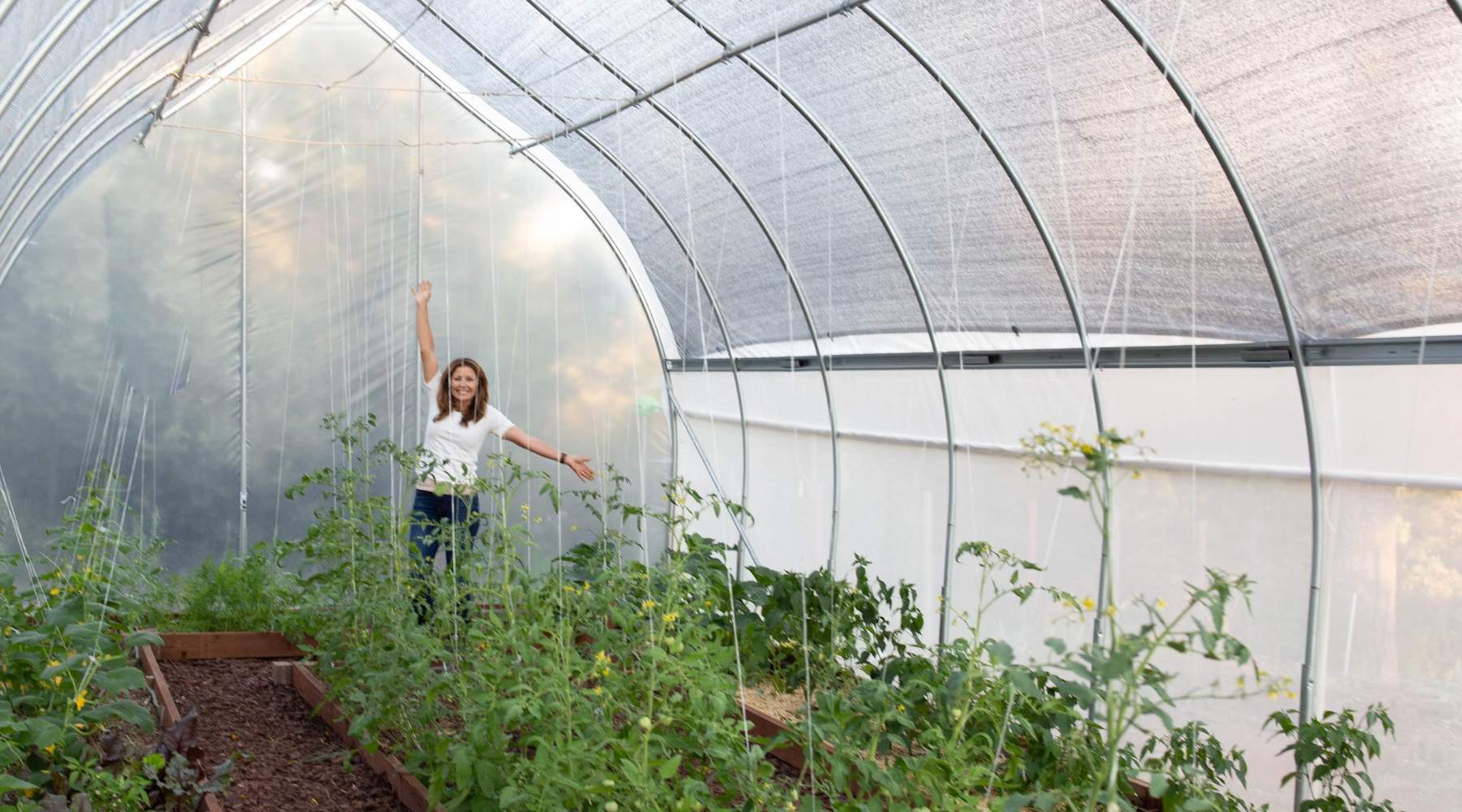
Plastic-covered greenhouses are widely popular among both amateur and professional growers due to their affordability, versatility, and capability to provide a controlled environment for plant growth. These greenhouses work effectively by creating a microclimate, which can significantly enhance crop production. The plastic covering retains heat during colder months and maintains higher humidity levels, both of which are vital for plant health. Ventilation can also be adjusted to regulate temperature and humidity, further optimizing conditions for growth.
Benefits of Plastic-Covered Greenhouses
Plastic-covered greenhouses offer several benefits that make them a favorable option for many gardeners and farmers:
- Cost-Effectiveness: They are less expensive to construct than glass greenhouses, making them accessible for anyone looking to start gardening.
- Light Transmission: Plastic materials provide excellent light transmission to the plants, promoting photosynthesis and growth.
- Insulation: The plastic acts as an insulator, retaining heat during the night and cold months, which is crucial for plant development.
Types of Plastic Used in Greenhouses
The type of plastic used in greenhouses can greatly affect their performance:
- Polyethylene: The most common and economical option, but typically lasts around 4-6 years before it needs to be replaced.
- Polycarbonate: More durable and offers better insulation, but can be pricier than polyethylene options.
- Polypropylene: Less common but can provide increased UV resistance and longevity.
Maintenance Considerations
Like any structure, plastic-covered greenhouses require maintenance to function optimally:
- Cleaning: Regularly cleaning the plastic to remove dirt and algae helps maximize sunlight exposure.
- Repairing: Immediate repair of any rips or tears in the plastic covering can prevent further damage and heat loss.
- Ventilation: Monitoring and adjusting ventilation systems helps manage temperature and humidity levels effectively.
Climate Impact on Effectiveness
The local climate plays a crucial role in the effectiveness of plastic-covered greenhouses:
- Temperature Regulation: In warmer climates, overheating can be a concern, necessitating effective ventilation systems.
- Winter Performance: In colder regions, the greenhouse can significantly mitigate the impact of frost and snow.
- Rainfall and Humidity: Regions with high humidity levels may need additional ventilation to prevent mold growth.
Common Misconceptions
Several misconceptions surround the use of plastic-covered greenhouses that need clarification:
- Short Lifespan: While plastics do degrade, advancements in materials have increased their durability significantly.
- Limited Use: Many believe they are only suitable for specific plants, but they can support a diverse array of crops.
- Heat Build-Up: With proper ventilation, the risk of overheating can be effectively managed.
What are the disadvantages of plastic film greenhouses?

Plastic film greenhouses have become a popular choice for many growers due to their cost-effectiveness and ease of construction. However, they also come with several disadvantages.
See also:
Cost of Maintenance
The maintenance costs for plastic film greenhouses can accumulate over time. While the initial investment may be lower than that of glass greenhouses, the regular need for replacements and repairs can lead to ongoing expenses.
- The film often requires replacement every few years due to degradation from UV light.
- Regular cleaning of the film is essential to maintain light diffusion, leading to additional labor costs.
- Damage from storms or other environmental factors may necessitate quick repairs or replacements, further increasing costs.
Temperature Control
Plastic film greenhouses can present challenges in maintaining optimal temperature conditions for plant growth.
- The thermal properties of plastic can lead to excessive heat accumulation, especially on sunny days.
- At night, the heat can dissipate quickly, causing a sharp drop in temperature that can stress plants.
- It can be challenging to integrate effective ventilation and shading mechanisms because of the structure's design.
Durability and Longevity
While plastic films are relatively inexpensive upfront, they are not as durable as other greenhouse materials like glass or polycarbonate.
- Plastic films can easily succumb to tears, punctures, and wear from wind or hail.
- The UV exposure can lead the plastic to become brittle, reducing its lifespan.
- Pests and animals can also damage the film, necessitating repairs and replacements.
Environmental Impact
The use of plastic film raises concerns regarding its environmental footprint.
- Once discarded, plastic film can take hundreds of years to decompose, contributing to landfill waste.
- Improper disposal often leads to pollution, affecting wildlife and ecosystems.
- While some films can be recycled, the infrastructure for such programs is often lacking, resulting in more plastic waste.
Limited Insulation Properties
Plastic film greenhouses generally lack the insulation properties that other materials offer.
- Heat retention during cold nights is less effective compared to glass or polycarbonate structures.
- This can necessitate additional heating measures, increasing energy costs.
- Limited insulation makes them less ideal for year-round production in colder climates.
Do mini greenhouses really work?
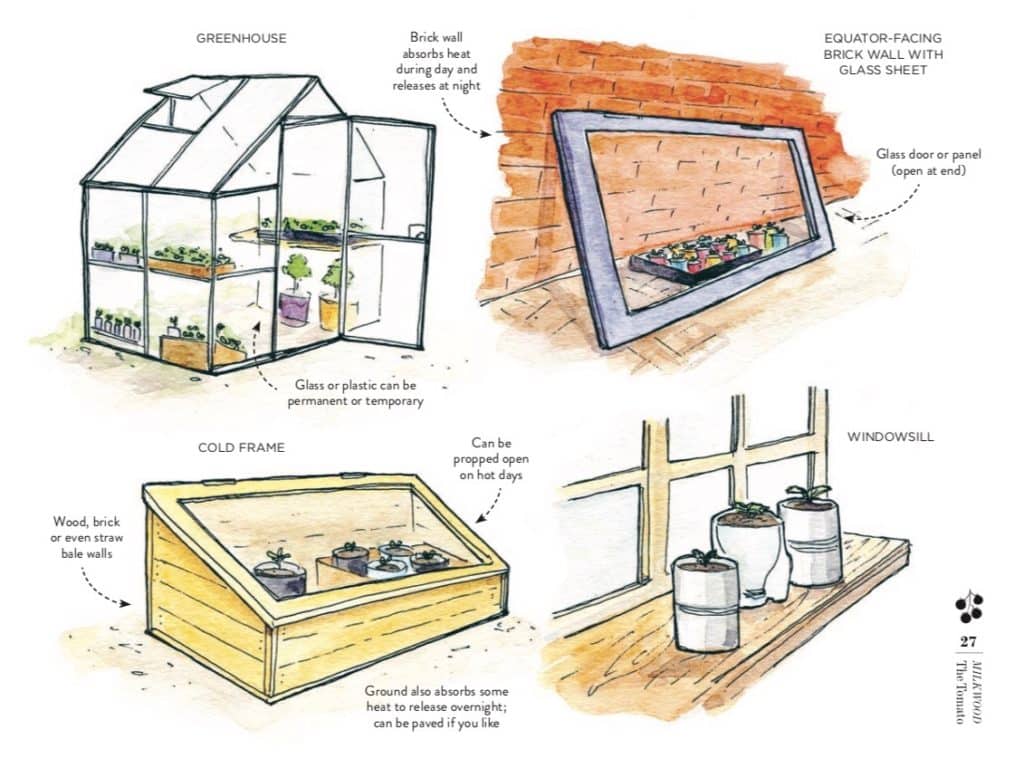
Mini greenhouses, also known as cold frames or miniature greenhouses, have gained popularity among gardeners, especially those with limited outdoor space. They provide a controlled environment that can enhance plant growth by protecting them from harsh weather conditions, pests, and diseases. Here’s an in-depth look at how effective they are.
Benefits of Mini Greenhouses
Mini greenhouses offer several benefits that make them appealing for both novice and experienced gardeners. They create a microclimate that can support a variety of plants throughout the year.
- Extended Growing Season: A mini greenhouse allows you to start planting earlier in the spring and extend your growing season into the fall.
- Temperature Regulation: These structures trap heat during the day and retain it at night, creating a stable temperature for plants.
- Pest and Disease Protection: By shielding plants from the elements, mini greenhouses provide a barrier against insects and other pests.
Types of Mini Greenhouses
There are various types of mini greenhouses, each designed for specific gardening needs. Understanding the options can help you choose the right one for your situation.
- Portable Mini Greenhouses: Lightweight and easy to move, perfect for seasonal use.
- Wall-Mounted Greenhouses: These are fixed structures that attach to walls and provide adequate space for herbs and small plants.
- Tabletop Models: Ideal for small spaces, allowing for easy access to plants and efficient use of space.
Materials Used in Mini Greenhouses
The materials used in constructing mini greenhouses can greatly influence their effectiveness. Different materials provide varying levels of insulation, durability, and light penetration.
- Plastic Covers: Often used for their lightweight properties, they allow sunlight to penetrate while retaining warmth.
- Glass Panels: More traditional and aesthetically pleasing, glass offers excellent light transmission and durability but can be heavier and more fragile.
- Polycarbonate Sheets: These provide a balance between durability and insulation, making them a popular choice.
Plant Selection for Mini Greenhouses
Choosing the right plants is crucial for maximizing the benefits of a mini greenhouse. Certain plants thrive in the controlled environment mini greenhouses offer.
- Seedlings: Ideal for starting vegetables and herbs, giving them a nurturing environment to grow strong before transplanting.
- Tender Annuals: Flowers and plants that require warmer conditions can flourish in a mini greenhouse.
- Herbs: Many herbs benefit from the sheltered environment and can be grown year-round.
Challenges of Mini Greenhouses
While mini greenhouses offer many advantages, there are also potential challenges to consider. Awareness of these issues can help you manage your greenhouse more effectively.
- Temperature Fluctuations: It can get too hot inside on sunny days, requiring attentive monitoring and ventilation.
- Limited Space: The small size may restrict the variety and number of plants you can grow.
- Humidity Control: Excess humidity can lead to mold and mildew, necessitating proper ventilation and care.
Questions from Our Readers
Do cheap plastic greenhouses provide adequate insulation?
Cheap plastic greenhouses can offer some level of insulation, but they may not be as effective as more expensive options. The thickness and quality of the plastic can greatly influence how well it retains heat, especially during colder months. Thin or low-quality plastic may lead to heat loss, so it's important to consider the material used when evaluating these greenhouses.
How long do cheap plastic greenhouses last?
The longevity of cheap plastic greenhouses typically depends on the quality of the materials and the environmental conditions they are exposed to. While some may last a year or two, others can endure longer if properly maintained. UV exposure, harsh weather, and physical damage can reduce their lifespan significantly.
See also:
Are cheap plastic greenhouses easy to assemble?
Yes, most cheap plastic greenhouses are designed with user-friendliness in mind, making them relatively easy to assemble. They often come with simple instructions and require minimal tools, making them suitable for beginners. However, it's essential to follow the provided instructions closely to ensure a sturdy build.
Can cheap plastic greenhouses support heavy plants?
Cheap plastic greenhouses might struggle to support heavy plants or structures due to their lighter construction materials. While they can accommodate smaller, lighter plants, it's advisable to check the weight limits and overall sturdiness before placing larger plants or pots inside to avoid collapse or damage.

If you want to read more articles like Do Cheap Plastic Greenhouses Work? A Comprehensive Guide to Cost-Effective Gardening Solutions, we recommend you check out our Garden category.
Leave a Reply
Related Articles