What is the best direction to face a greenhouse? Tips for Optimal Sunlight and Growth
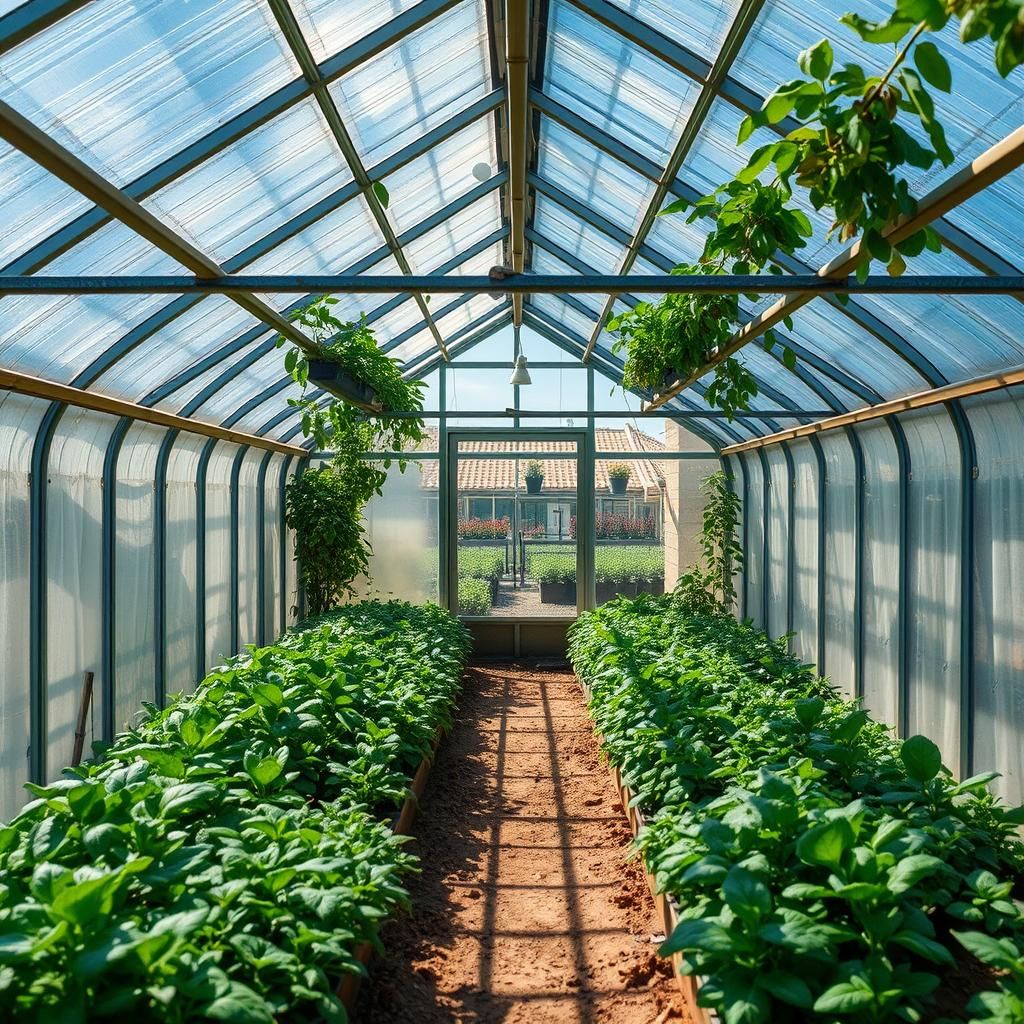
When it comes to optimizing the growth of plants in a greenhouse, the direction it faces plays a crucial role. The right orientation can significantly enhance sunlight exposure, promote healthy plant development, and improve yields. In this article, we will explore the best directions to position a greenhouse, considering factors such as geographical location, seasonal sun patterns, and local climate conditions. By understanding these aspects, you can make informed decisions that create a more conducive environment for your plants to thrive. Join us as we delve into essential tips for maximizing sunlight and facilitating robust growth in your greenhouse.
What is the Best Direction to Face a Greenhouse?
The best direction to face a greenhouse is generally toward the south for maximum sunlight exposure throughout the day. A south-facing greenhouse benefits from direct sunlight, which is crucial for the growth of plants, especially during the winter months when the sun is lower in the sky. In regions with intense sunlight, some growers may angle their greenhouses to the southeast or southwest to mitigate overheating and issues related to intense light. The orientation can also depend on local climate conditions, wind patterns, and the types of plants being grown, but in most cases, a southern orientation is ideal for achieving optimal light and temperature conditions for plant growth.
Importance of Sun Exposure
Maximizing sun exposure is critical for plants, as they depend on sunlight for photosynthesis. A greenhouse facing south allows for even distribution of sunlight across the interior, promoting consistent growth rates and preventing stagnation. Plants typically require at least six hours of sunlight per day, and a south-facing orientation helps ensure they receive ample light throughout the year, regardless of seasonal changes.
Impact of Seasonal Changes
The seasons significantly affect sun angle and intensity, which influence greenhouse performance. In winter, the sun's path is lower, so a south-facing greenhouse captures more sunlight during this time, helping maintain warmer temperatures inside. Conversely, during summer months, the sun is higher, and careful ventilation and shading may be necessary to avoid overheating, even in a south-facing structure.
Wind Protection Considerations
Wind is another factor to consider when determining the best direction for a greenhouse. A south-facing greenhouse may also need to be shielded from cold northern winds that can decrease internal temperatures. Strategic placement of windbreaks or plants can help protect the structure and maintain a stable environment, thereby reducing heating costs and promoting a healthier climate for growth.
Types of Plants Grown
The choice of plant species to be cultivated can influence the greenhouse’s orientation. Some plants benefit from maximum sunlight, while others may require partial shade. For example, tropical plants often thrive in sunny conditions, while others, like leafy greens, may prefer a bit of shade during peak sun hours. Thus, understanding the specific light needs of the plants will help in deciding the best orientation for the greenhouse.
Local Climate Factors
Local climate conditions play a vital role in determining the best orientation for a greenhouse. Areas with harsh winters might benefit from a south-facing position to capture more sunlight, while those with high humidity or intense sun may require adjustments to the angle to avoid overheating. Always consider local weather patterns, such as dominant wind directions and average temperatures, to optimize the greenhouse’s performance.
| Factor | Impact | Recommendation |
|---|---|---|
| Sun Exposure | Essential for photosynthesis | Face south for maximum sunlight |
| Seasonal Changes | Affects internal temperature | Adjust for lower sun in winter |
| Wind Protection | Can lower temperatures | Use windbreaks for northern winds |
| Plant Types | Varied light needs | Match orientation to plant requirements |
| Local Climate | Determines orientation effectiveness | Consider local weather patterns |
Which direction should my greenhouse face?
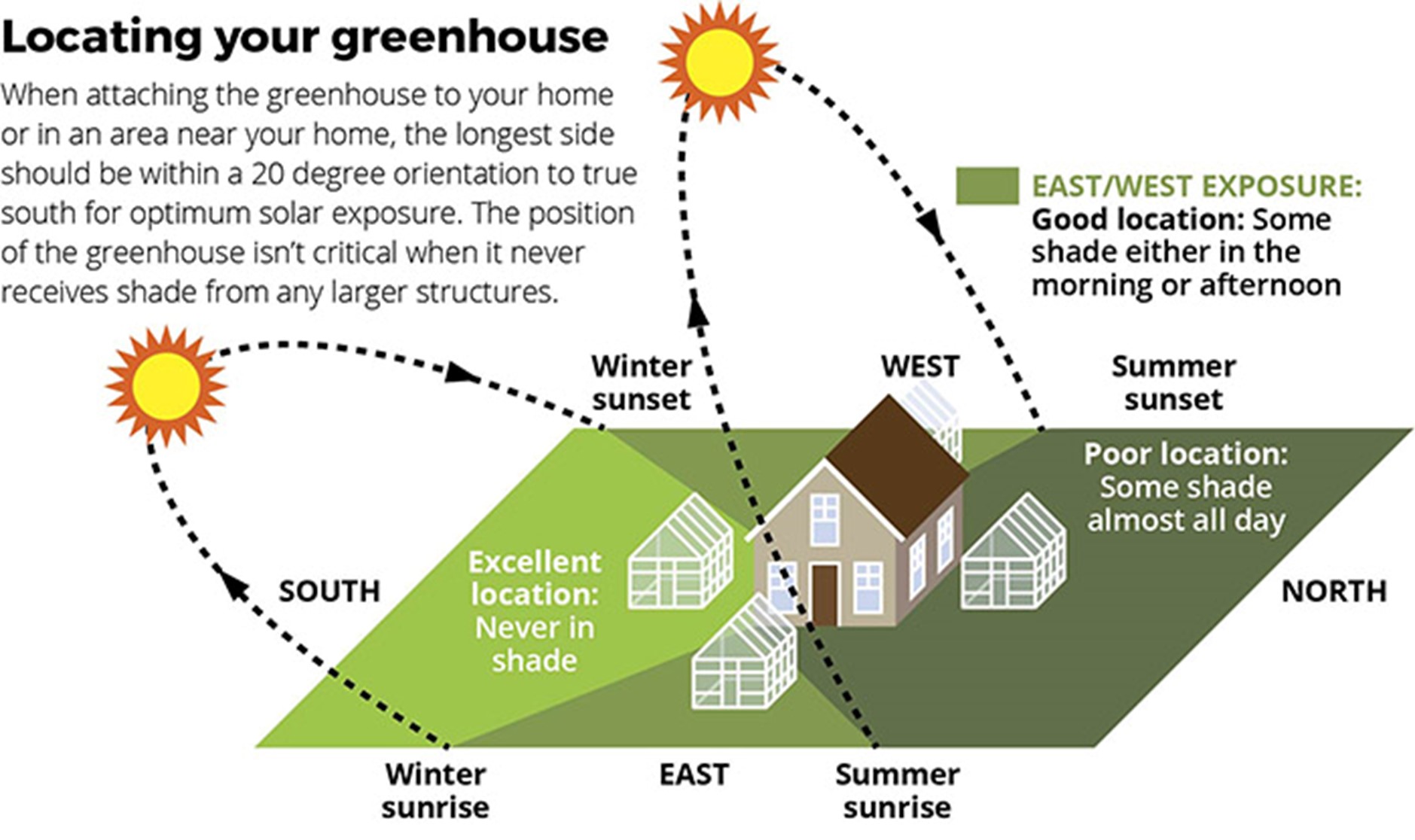
The direction your greenhouse should face primarily depends on your geographic location, climate, and the types of plants you aim to grow. Ideally, a greenhouse should be oriented to maximize sunlight exposure while minimizing unwanted heat and wind. Here are several considerations for determining the best orientation for your greenhouse.
Importance of Sunlight Exposure
Sunlight is essential for plant growth, and the orientation of your greenhouse can greatly influence the amount of light your plants receive.
- East-West Orientation: An east-west orientation allows the greenhouse to capture the maximum amount of sunlight throughout the day. This setup is beneficial for plants that require a lot of light.
- South-Facing Direction: If you’re located in the Northern Hemisphere, positioning your greenhouse south-facing will ensure it receives the most sunlight during the winter months.
- Shade Considerations: Think about surrounding trees or structures that may cast shade on the greenhouse, affecting light availability.
Wind Protection and Temperature Management
Wind can significantly impact greenhouse conditions, both in terms of temperature and humidity levels.
- Wind Direction: Identify the prevailing wind direction in your area. Positioning the greenhouse in a way that minimizes exposure to strong winds can help maintain a stable internal climate.
- Windbreaks: Utilize natural windbreaks such as tall hedges or buildings to shield the greenhouse from harsh winds.
- Ventilation Needs: Consider how wind patterns will affect ventilation – you may need to design the greenhouse for effective air circulation.
Climate Considerations
The local climate plays a vital role in determining the optimal orientation for your greenhouse.
- Hot Climates: In warmer regions, a north-south orientation may help reduce excessive heat accumulation by distributing sunlight evenly.
- Cold Climates: For cooler areas, a south-facing greenhouse can capture more sunshine, increasing internal temperatures during winter.
- Seasonal Changes: Be aware of how the sun's path changes with the seasons, as this can affect light availability at different times of the year.
Types of Plants Being Grown
The types of plants you plan on growing will influence the best orientation for your greenhouse.
- Light-Loving Plants: If you are growing plants that thrive in full sun, ensure that the greenhouse is oriented to maximize sunlight exposure.
- Cool-Season Crops: For crops that prefer cooler temperatures and partial shade, consider positioning the greenhouse to limit excessive sunlight.
- Diverse Plant Needs: If growing a variety of plants, consider creating zones within your greenhouse that cater to different light and temperature requirements.
Local Regulations and Restrictions
Before finalizing the direction of your greenhouse, it’s essential to consider any local zoning laws or regulations.
See also:
- Setback Requirements: Check whether there are restrictions on how close your greenhouse can be to property lines.
- Height Restrictions: Some areas may have height limitations that could affect how much sunlight your greenhouse receives, depending on its orientation.
- Permitting: Ensure you have the necessary permits to build a greenhouse, as this can dictate its design and placement.
Should a greenhouse face east or west?
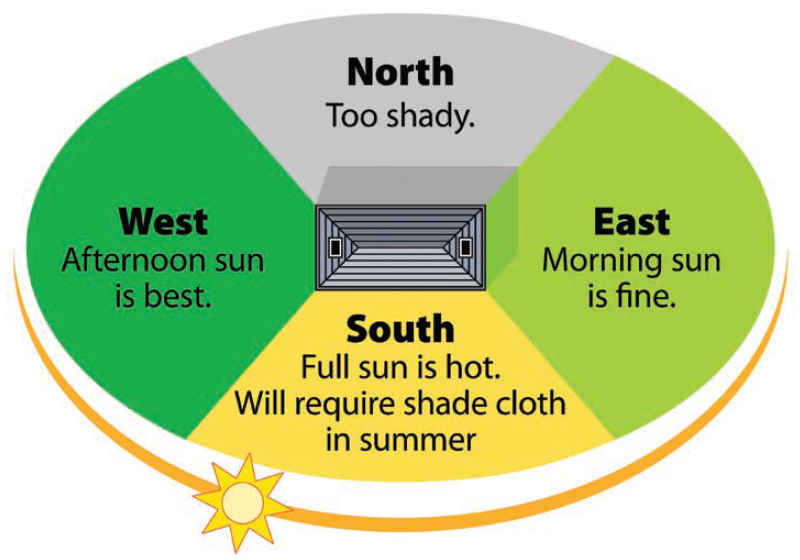
When deciding whether a greenhouse should face east or west, several factors must be considered, including sunlight exposure, temperature regulation, and the local climate. Each orientation has its advantages and disadvantages depending on the specific needs of the plants being grown and the geographical location of the greenhouse.
Sunlight Exposure
The amount of sunlight a greenhouse receives is crucial for plant growth. Facing the greenhouse to the east allows for morning sun exposure, which can help warm the plants and soil early in the day.
- Morning sun can enhance photosynthesis and overall plant vigor.
- East-facing greenhouses can avoid extreme heat during the hottest part of the day.
- They tend to maintain a more consistent temperature throughout the day.
Temperature Regulation
Temperature plays a vital role in the growth of plants. An east-facing greenhouse tends to be cooler in the afternoon compared to a west-facing greenhouse, which can absorb more heat during the day.
- East-facing options are better for regions with high afternoon temperatures.
- This orientation can help prevent overheating and reduce the need for additional cooling systems.
- West-facing greenhouses might require shading to manage heat during peak sun hours.
Climate Considerations
The local climate must also influence the decision. In cooler regions, an east-facing greenhouse can be beneficial due to earlier warming. In contrast, warmer climates may benefit from the warmer late-day sun offered by a west-facing orientation.
- Colder climates can maximize warmth from the morning sun.
- In warmer climates, west-facing could provide beneficial warmth during cooler nights.
- Consider seasonal changes in sunlight angles when planning the orientation.
Wind and Weather Protection
Wind can affect temperature and humidity levels within a greenhouse. The potential prevailing wind direction should be taken into account when deciding on the orientation.
- East-facing greenhouses can offer protection from colder winds that come from the north or west.
- West-facing structures might suffer from stronger winds during certain seasons, impacting temperature.
- Placement of windbreaks may also influence which direction is preferred.
Accessibility and Aesthetics
The orientation can also impact how accessible the greenhouse is and how it looks in your garden or farm.
- Consider the layout of your garden. An east-facing greenhouse can be more visually appealing in morning light.
- Accessibility for maintenance and harvesting can be influenced by the position of the greenhouse.
- Aesthetics will also depend on landscaping and other garden features nearby.
Should a greenhouse be in the sun or shade?
A greenhouse should ideally be positioned in full sun rather than in the shade. This is because a greenhouse functions primarily to capture and retain heat and light for the plants inside. Here are some detailed aspects of why sun exposure is crucial for a greenhouse:
1. Light Requirements: Most plants require ample sunlight to undergo the process of photosynthesis. A greenhouse in the sun maximizes the amount of natural light that enters, allowing plants to grow effectively.
2. Temperature Control: Exposure to sunlight helps in maintaining a consistent temperature within the greenhouse. Sunlight warms the interior, which is essential for the growth of many plants, especially during cooler months.
3. Moisture Control: Plants in a sunlit greenhouse can regulate humidity levels more effectively. Sunlight promotes evaporation, which can help prevent the growth of mold and other pathogens associated with overly damp conditions.
4. Energy Efficiency: Using natural sunlight reduces the need for artificial lighting and heating. This makes a sun-exposed greenhouse more energy-efficient and cost-effective in the long run.
5. Plant Variety: A greenhouse in the sun can support a wider variety of plants. Certain tropical and subtropical plants require high levels of sunlight to thrive, which can be achieved in a sunlit environment.
See also:
Advantages of Sunlight in Greenhouses
Sunlight brings numerous advantages to greenhouse gardening.
- Enhanced Growth Rates: Plants typically grow faster when they receive ample sunlight.
- Better Quality Produce: Sunlight contributes to the flavor and nutritional content of the plants.
- Lower Utility Costs: Relying on natural light can decrease energy bills significantly.
Challenges of Sunlight Exposure
While sun exposure is generally beneficial, it does present some challenges.
- Heat Control: In very hot climates, too much sunlight can lead to excessive heat, requiring ventilation systems.
- Sunburn: Certain plants may experience sunburn if exposed to intense sun without proper acclimatization.
- Water Management: Increased evaporation can lead to quicker soil drying, necessitating a more rigorous watering schedule.
Shade in Greenhouses
Although shade might seem beneficial, it can hinder plant growth in a greenhouse environment.
- Reduced Photosynthesis: Less sunlight means lower rates of photosynthesis, which can stunt growth.
- Compromised Plant Health: Some plants may become leggy as they stretch towards light sources.
- Limited Crop Variety: Many plants simply cannot thrive in shaded conditions.
Designing a Sun-Optimized Greenhouse
To maximize sun exposure in a greenhouse, consider the following design elements:
- Orientation: Position the greenhouse to face south for maximum light intake.
- Material Choices: Use materials that allow maximum light penetration, like clear polycarbonate panels.
- Ventilation Systems: Incorporate windows and vents to manage heat while retaining light.
Seasonal Considerations for Sun Exposure
Understanding the seasonality of sun exposure is essential for effective greenhouse management.
- Summer Adjustments: Consider shade cloths or other methods to moderate light intensity during peak summer months.
- Winter Positioning: Ensure that the greenhouse captures low-angle winter sunlight effectively.
- Light Angle Changes: Be aware that the sun's angle changes throughout the year, affecting light exposure.
Do greenhouses have to be south-facing?
Greenhouses do not necessarily have to be south-facing, but there are significant benefits to orienting them in that direction. The primary reason for the preference of a south-facing orientation is the maximization of sunlight exposure. When a greenhouse faces south, it can capture the sun’s rays for most of the day, making it excellent for growing a wide variety of plants, especially those that require ample light such as vegetables and flowering plants. However, the specific needs of the plants and the local climate should also be considered when determining the best orientation for a greenhouse.
Benefits of a South-Facing Greenhouse
A south-facing greenhouse has numerous advantages, largely due to its orientation towards the sun. The benefits include:
- Extended sunlight hours: A south-facing greenhouse gets sunlight throughout the day, which is crucial for photosynthesis.
- Improved temperature regulation: With more sunlight, the interior of a south-facing greenhouse tends to maintain warmer temperatures, particularly beneficial during colder months.
- Increased plant growth: The ample sunlight can lead to enhanced growth rates and yields for various crops.
Alternative Orientations for Greenhouses
While south-facing is advantageous, alternative orientations can be effective as well. Some considerations for these orientations include:
- East-facing: This orientation can provide warm morning sunlight, which may be ideal for certain plants sensitive to strong afternoon heat.
- West-facing: A west-facing greenhouse receives intense afternoon sunlight, which can be beneficial but may require additional cooling measures.
- North-facing: Generally less desirable because it receives the least amount of direct sunlight; however, it can be suitable for shade-loving plants.
Climate Considerations
The local climate plays a crucial role in determining the best orientation for a greenhouse. Factors to consider include:
- Latitude: In higher latitudes, a south-facing greenhouse may capture more sunlight during the winter months.
- Seasonal temperature variations: In warmer climates, too much sunlight can overheat a greenhouse, requiring shade or ventilation solutions.
- Prevailing winds: Understanding wind patterns can influence decisions, as proper orientation can provide protection from harsh winds.
Design Features to Enhance Sunlight Capture
In addition to orientation, design features can also affect sunlight capture in a greenhouse. Key elements include:
- Roof angle: A steeper roof can allow better sunlight incidence during winter, enhancing light capture even if the greenhouse is not perfectly south-facing.
- Material choice: Clear, UV-resistant materials can significantly influence the amount of usable light entering the greenhouse.
- Ventilation systems: Integrating effective ventilation can help regulate temperature while still maximizing light exposure.
Conclusion on Greenhouse Orientation
While it is not an absolute requirement for greenhouses to be south-facing, doing so offers a range of benefits largely tied to sunlight optimization. By considering other factors such as plant type, climate conditions, and design elements, growers can create an effective growing environment regardless of the greenhouse orientation.
Questions from Our Readers
What is the best direction to face a greenhouse?
Facing a greenhouse towards the south is generally considered the best option, as it allows for maximum sunlight exposure throughout the day. This orientation helps in maintaining an optimal temperature for plant growth and can enhance photosynthesis.
How does orientation affect temperature in a greenhouse?
The orientation of a greenhouse significantly influences its temperature regulation. A greenhouse facing south will absorb more sunlight, leading to warmer conditions inside, while a north facing greenhouse may struggle to maintain adequate warmth especially during the winter months.
See also:
Does the direction of the greenhouse impact ventilation?
Yes, the direction of the greenhouse can affect ventilation. A well-oriented greenhouse will facilitate better air circulation, especially if it has vents on the side that faces prevailing winds, promoting cooling and reducing humidity levels inside.
Are there any exceptions to the best orientation for a greenhouse?
While south-facing is ideal, local climate and conditions can create exceptions. In hotter regions, a slightly east or west orientation may help avoid excessive heat during peak sunlight hours. Always consider local geography and weather patterns when deciding on orientation.
If you want to read more articles like What is the best direction to face a greenhouse? Tips for Optimal Sunlight and Growth, we recommend you check out our Garden category.
Leave a Reply
Related Articles