What Do You Put on the Ground of a Greenhouse? Essential Ground Cover Tips for Optimal Plant Growth

Creating the right ground cover in a greenhouse is crucial for promoting optimal plant growth and ensuring a healthy environment. The choice of materials can impact moisture retention, weed control, and overall soil health, making it a vital aspect of greenhouse management. This article will explore various ground cover options, including organic and inorganic choices, and their benefits. We will also discuss best practices for applying these materials effectively. Whether you are a seasoned gardener or a newbie, understanding what to put on the ground of your greenhouse can enhance your plants' productivity and vitality.
What to Use as Ground Cover in a Greenhouse
In a greenhouse, the choice of ground cover is essential for creating an optimal environment for plant growth. Many gardeners choose to use soil for its nutrient retention and ability to provide support to plants. However, alternatives such as gravel, wood chips, or coconut coir can also be beneficial. Gravel allows for excellent drainage and reduces the risk of soil-borne diseases, while wood chips enhance moisture retention and suppress weeds. Coconut coir is an eco-friendly option that improves soil structure and water retention, making it ideal for hydroponic systems. Ultimately, the decision will depend on the specific needs of the plants being cultivated and the overall goals of the greenhouse.
Soil as a Ground Cover
Using soil as ground cover in a greenhouse promotes healthy plant growth by providing essential nutrients and moisture retention. It supports root systems while allowing for adequate drainage. Furthermore, mixing soil types, such as loamy and sandy soils, can create a balanced environment to facilitate air circulation and water absorption, crucial for thriving plants.
Gravel for Drainage
Gravel serves as an excellent ground cover option for greenhouses, especially in areas prone to overwatering. Its properties allow for superior drainage, preventing root rot and other moisture-related issues. Additionally, gravel can help control weeds, as its coarse texture makes it difficult for weed seeds to settle and germinate, thus maintaining a clean growing environment.
Wood Chips for Moisture Retention
Incorporating wood chips as ground cover can be highly beneficial in a greenhouse setting. They retain moisture effectively, providing a consistent humidity level around plants while suppressing weed growth. Additionally, as the wood chips decompose, they release nutrients back into the soil, enriching it and fostering a more sustainable growing environment.
Coconut Coir as an Eco-Friendly Option
Coconut coir is becoming increasingly popular as a ground cover in greenhouses due to its eco-friendly nature and excellent moisture retention capabilities. It enhances soil structure and aeration while providing a lightweight medium for plant roots to thrive. As coir is a byproduct of the coconut industry, it also serves as a sustainable alternative to traditional soil amendments.
Benefits of Mulch in Greenhouses
Using mulch as ground cover in greenhouses can offer a variety of benefits. Mulch serves to conserve soil moisture, regulate soil temperature, and improve the soil's overall structure. It can also assist in enhancing the aesthetic appeal of the greenhouse while breaking down over time to provide additional organic matter and nutrients to the soil, creating a more fertile environment for plant growth.
| Ground Cover Type | Benefits |
|---|---|
| Soil | Provides nutrients and moisture retention |
| Gravel | Excellent drainage and weed control |
| Wood Chips | Moisture retention and nutrient release |
| Coconut Coir | Improves structure while being eco-friendly |
| Mulch | Conserves moisture and enhances soil structure |
What do you put on the bottom of a greenhouse?

To ensure the optimal growth of plants within a greenhouse, it is essential to carefully consider what to put on the bottom of the structure. The material you choose can impact drainage, soil health, and the overall microclimate within the greenhouse. Here are some common options and considerations for flooring materials in a greenhouse:
Organic Mulch
Organic mulch can be a beneficial addition to the bottom of a greenhouse. It not only helps to retain moisture but also suppresses weeds, creating a more controlled environment for plant growth. The following characteristics make organic mulch a good option:
- Moisture retention: Organic materials like straw or wood chips absorb water, reducing the need for frequent watering.
- Soil improvement: As the mulch breaks down, it enriches the soil with nutrients.
- Weed suppression: A thick layer of mulch prevents weed growth, giving plants more resources to thrive.
Gravel Layer
A gravel layer at the bottom of a greenhouse can significantly enhance drainage. This is particularly important in preventing water accumulation that can lead to root rot and other issues. Key benefits include:
- Drainage: Gravel allows excess water to flow away from plant roots, improving overall plant health.
- Air circulation: The spaces between gravel stones promote airflow, which is essential for healthy root systems.
- Weed control: A gravel base can also help in preventing weeds from establishing themselves in the greenhouse.
Concrete Flooring
Concrete is a durable option for greenhouse flooring, offering a solid surface that is easy to clean and maintain. Its advantages include:
- Stability: Concrete provides a level and stable surface, essential for placing heavy pots and equipment.
- Durability: It can withstand weight and wear over time, making it a long-term investment.
- Resistance to pests: A concrete floor is less likely to harbor pests compared to soil or organic materials.
Natural Soil
Using natural soil as the bottom of the greenhouse can be beneficial for the growth of plants that thrive in a natural setting. Some important points include:
See also:
- Nutrient availability: Natural soil contains essential nutrients that plants require for growth.
- Microbial activity: Healthy soil supports a variety of microorganisms that contribute to soil health.
- Cost-effective: It can be a budget-friendly option, depending on the local soil quality.
Plastic Sheeting
Plastic sheeting can be used as a barrier at the bottom of a greenhouse, particularly for floors that are going to be further covered with other materials. Its advantages include:
- Moisture control: Plastic helps retain moisture and prevents soil from drying out too quickly.
- Weed barrier: It acts as a barrier against weed growth, allowing plants to have more nutrients and water.
- Pest control: A plastic layer can help reduce interaction with soil-based pests.
What is best to put on the floor of a greenhouse?

When considering what to put on the floor of a greenhouse, it's essential to choose materials that will benefit plant health, manage drainage, and facilitate maintenance. Various flooring options provide different advantages depending on the specific needs of the greenhouse environment and the types of plants being cultivated. Here are some of the best materials to consider for greenhouse flooring:
1. Gravel
Gravel is an excellent choice for greenhouse flooring due to its drainage capabilities and aeration properties. It allows water to flow freely away from the plants' root systems, preventing issues related to overwatering and root rot. Additionally, gravel can be easy to maintain and provides a sturdy surface for walking.
- Promotes excellent water drainage.
- Helps prevent soil compaction.
- Easy to replace if needed.
2. Pavers or Bricks
Using pavers or bricks for the floor can create a durable and aesthetically pleasing surface ideal for various greenhouse settings. These materials provide a solid walking surface and can withstand heavy equipment, making them suitable for larger greenhouses.
- Sturdy surface for foot traffic and equipment.
- Can be easily cleaned and maintained.
- Offers design flexibility with various patterns.
3. Concrete
Concrete flooring is robust and long-lasting, making it a practical option for many greenhouse designs. It provides a solid, easy-to-clean surface. However, it is essential to ensure proper drainage solutions to avoid water accumulation.
- Durable and resistant to wear and tear.
- Facilitates easy cleaning and maintenance.
- Allows for installation of heating systems if desired.
4. Rubber Matting
Rubber matting is an excellent option for greenhouses where slipping can be a concern, especially when water is present. It provides a cushioned surface, which can reduce fatigue for those spending long hours in the greenhouse.
- Offers excellent traction, reducing slip hazards.
- Cushioned surface for comfort.
- Easy to clean and resistant to water damage.
5. Soil or Mulch
For certain types of greenhouse gardening, such as when starting seeds or growing certain vegetables, a soil or mulch floor may be the best option. This approach allows for direct planting into the ground, promoting natural growth conditions.
- Provides a natural growing medium for plants.
- Enhances humidity retention in the greenhouse.
- Facilitates direct planting and easy plant access.
What to put on ground in a greenhouse?
When setting up a greenhouse, the choice of ground materials is crucial for promoting healthy plant growth and maintaining optimal growing conditions. Here are some options to consider for the greenhouse flooring:
Choosing the Right Flooring Material
The flooring in a greenhouse can significantly affect its overall environment. Different materials provide various benefits and drawbacks. Here are some common flooring choices:
- Soil: Natural soil is the most straightforward option as it allows for direct planting. However, it can be prone to pests and weeds.
- Gravel: Provides good drainage and prevents weeds, but may be uncomfortable to walk on.
- Concrete: Extremely durable and easy to clean, but can retain heat and limit drainage options.
- Wood: Aesthetic and insulating but may rot over time.
- Rubber mats: Provide a comfortable surface to walk on, reduce slipping, and can be easy to clean, but may be expensive.
Drainage Solutions
Good drainage is fundamental in a greenhouse to prevent waterlogging, which can harm plant roots. Consider the following drainage solutions:
- Gravel Base: Laying a thick layer of gravel under the plants allows for excellent drainage while keeping weeds at bay.
- Drainage Mats: Specialized mats can be laid down to help facilitate water flow and prevent overly wet conditions.
- French Drains: Installing a trench with gravel and a drainpipe can effectively manage excess water and keep the ground dry.
Weed Control
Weeds can compete with your plants for nutrients and space. Here are effective strategies for controlling weeds in your greenhouse:
See also:
- Landscape Fabric: Placing this fabric on the ground helps prevent weed growth while allowing water and nutrients to pass through.
- Mulching: Applying organic mulch like wood chips or straw can suppress weeds and retain soil moisture.
- Regular Maintenance: Regularly inspecting and removing weeds by hand or using a hoe is essential to keep your greenhouse tidy.
Thermal Regulation
Maintaining the right temperature in your greenhouse is vital for the growth of your plants. Here are methods for enhancing thermal regulation through ground choices:
- Insulated Flooring: Using insulated materials like foam boards can help regulate temperature and conserve heat during colder months.
- Thermal Mass: Installing heavy materials like concrete or stone can absorb heat during the day and release it at night, stabilizing temperatures.
- Planting Areas: Strategically arranging plants can also help retain heat; grouped plants can create a microclimate that regulates temperature.
Maintenance and Cleaning
Regular maintenance of the greenhouse floor is essential in ensuring a healthy growing environment. Consider the following cleaning methods:
- Regular Sweeping: Keep the floor clean by sweeping regularly to remove leaves, debris, and waste that can harbor pests or diseases.
- Pressure Washing: Periodically use a pressure washer on hard surfaces like concrete or gravel to remove dirt and algae buildup.
- Sanitizing: Use an appropriate sanitizer to periodically clean the floor and eliminate any potential pathogens.
Can you put a greenhouse directly on the ground?
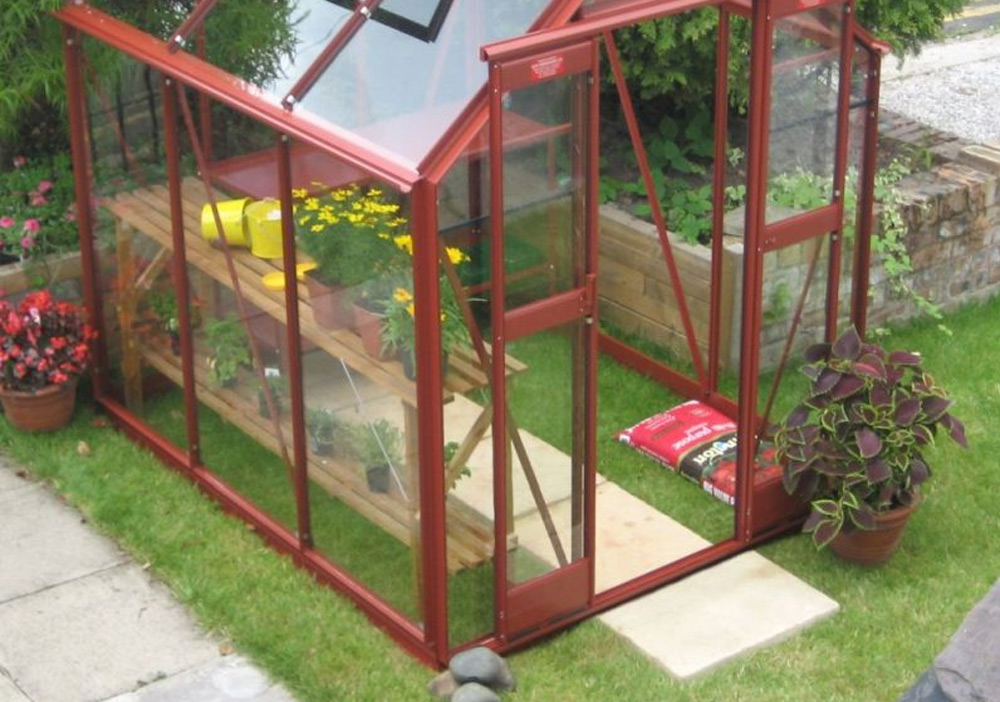
Yes, you can put a greenhouse directly on the ground, but there are several factors to consider to ensure its stability and effectiveness. Placing a greenhouse on the ground can simplify the installation process and reduce costs. However, the soil type, drainage, and overall site preparation play crucial roles in the longevity and functionality of the greenhouse.
Advantages of Placing a Greenhouse on the Ground
Placing a greenhouse directly on the ground has several benefits, which include:
- Cost-Effectiveness: Not having to build a base or foundation can save money.
- Ease of Access: It is easier to enter and manage plants without steps or ramps.
- Improved Soil Contact: Plants can take better advantage of ground moisture and nutrients.
Disadvantages of Ground Placement
Despite the advantages, there are some disadvantages to consider when placing a greenhouse on the ground:
- Pest Access: Pests may have easier access to your plants.
- Drainage Issues: Poor drainage can lead to water accumulation and potential flooding.
- Temperature Variability: Ground placement can expose plants to greater temperature fluctuations.
Preparing the Site for a Greenhouse
Proper site preparation is crucial when placing a greenhouse on the ground. Consider these steps:
- Select a Level Area: Ensure the land is flat to prevent water pooling.
- Clear Debris: Remove stones, weeds, and old roots from the site.
- Improve Drainage: Consider installing a drainage system if the soil tends to retain water.
Soil Considerations
The type of soil can greatly impact the success of your greenhouse. Take into account the following:
- Soil Quality: Ensure the soil is rich in nutrients and organic matter.
- Drainage Capability: Sandy soil tends to drain better than clay.
- pH Levels: Test the soil pH to ensure it’s suitable for the plants you want to grow.
Greenhouse Types Suitable for Ground Placement
Not all greenhouses are recommended to be placed directly on the ground. Here are some suitable types:
- Polycarbonate Greenhouses: They offer good insulation and durability.
- Vinyl or Plastic Greenhouses: Lightweight and easy to install directly on the ground.
- Wooden Frame Greenhouses: These can be built on the ground with proper sealing to prevent wood rot.
Questions from Our Readers
What is the best flooring material for a greenhouse?
The best flooring material for a greenhouse is typically gravel, as it provides excellent drainage and prevents weeds from growing. Other options include concrete, which offers durability and ease of maintenance, and pavers, which can enhance aesthetics while allowing for water drainage.
Should I use soil or other materials on the ground of a greenhouse?
Using soil directly on the ground of a greenhouse is not usually recommended due to potential issues with drainage and pest control. Instead, many gardeners opt for gravel, wood chips, or mulch to improve both aeration and drainage while still allowing for easy planting.
Can I use biodegradable materials for greenhouse flooring?
Yes, you can use biodegradable materials like bark mulch or straw as greenhouse flooring. These materials will eventually decompose, enriching the soil, but they may require regular replacement and could attract pests if not maintained properly.
How does the ground cover affect temperature control in a greenhouse?
The choice of ground cover can significantly impact temperature control in a greenhouse. For instance, dark-colored surfaces like asphalt can absorb and retain heat, while lighter materials such as gravel help maintain cooler temperatures by reflecting sunlight, thus creating a more stable environment for plants.
See also:

If you want to read more articles like What Do You Put on the Ground of a Greenhouse? Essential Ground Cover Tips for Optimal Plant Growth, we recommend you check out our Garden category.
Leave a Reply
Related Articles