How Many Tomatoes Will One Plant Produce? A Comprehensive Guide to Tomato Yields

Growing tomatoes can be incredibly rewarding, especially when you witness the vibrant fruits of your labor. However, one of the most common questions gardeners ask is: how many tomatoes can one plant produce? This inquiry is influenced by several factors, including the type of tomato, growing conditions, and care provided. In this comprehensive guide, we’ll explore the various elements that contribute to tomato yields, offering insights and tips to maximize your harvest. Whether you’re a novice gardener or an experienced green thumb, understanding tomato production can significantly enhance your gardening experience and yield a bountiful crop.
Factors Influencing Tomato Production
The number of tomatoes produced by a single plant can vary significantly based on several factors, including the variety of the tomato, growing conditions, and care practices. On average, a healthy tomato plant can produce anywhere from 10 to 50 pounds of fruit throughout the growing season. However, certain high-yield varieties may yield even more, while some conditions such as poor soil, inadequate sunlight, or pests can drastically reduce the overall tomato count. Proper support, pruning, and fertilization can help maximize the fruit output, making it essential for gardeners to understand these variables in order to achieve the best results.
Variety of Tomato Plants
Different varieties of tomato plants have distinct growth habits and yield potentials. For instance, determinate varieties tend to produce a set amount of fruit over a short period, typically yielding 10 to 20 pounds per plant, while indeterminate varieties continue to grow and produce fruit throughout the season, potentially yielding over 50 pounds from a single plant. Choosing the right variety based on personal preference and local climate can crucially impact the overall harvest.
Growing Conditions
The growing conditions, including sunlight, temperature, and soil quality, greatly affect tomato production. Ideally, tomato plants should receive at least 6 to 8 hours of direct sunlight daily and thrive in well-draining, nutrient-rich soil. Inadequate sunlight or poor soil can lead to reduced fruit production, affecting the overall yield. Ensuring optimal growing conditions is crucial for maximizing the amount of tomatoes harvested per plant.
Watering and Fertilization Practices
Consistent and adequate watering is essential for tomato plants, as both overwatering and underwatering can limit their fruit production. Regular fertilization with a balanced fertilizer can promote healthy growth and flowering, which are key to increasing yield. It's important to monitor the nutrient levels in the soil and adjust watering and fertilization practices based on the plants' specific needs throughout the growing season.
Pest and Disease Management
Managing pests and diseases is vital for maintaining the health of tomato plants and ensuring maximum yields. Common pests such as aphids and tomato hornworms, along with diseases like blight, can severely affect production if not addressed. Regular inspections and the use of organic or chemical treatments can help protect the plants, allowing them to thrive and produce the expected amount of tomatoes.
Support and Pruning Techniques
Utilizing appropriate support such as stakes or cages can help tomato plants grow more effectively by encouraging upward growth and improving air circulation, reducing the risk of disease. Pruning excess leaves and suckers can also enhance fruit production, allowing the plant to focus its energy on producing fruit rather than foliage. Implementing these techniques can lead to healthier plants and increased yields.
| Factor | Impact on Yield |
|---|---|
| Variety | 10 to 50+ pounds |
| Sunlight | 6 to 8 hours/day |
| Soil Quality | Nutrient-rich and well-draining |
| Watering | Consistent and adequate |
| Pest Management | Reduced loss from pests/diseases |
How many tomatoes can you get from a single plant?

The number of tomatoes you can get from a single plant can vary significantly based on several factors. Generally, a healthy tomato plant can yield anywhere between 10 to 50 tomatoes over the growing season. Certain varieties and optimal growing conditions can increase this number considerably.
Factors Affecting Tomato Yield
The yield of tomatoes from a single plant is influenced by multiple factors, including:
- Variety: Different types of tomatoes (e.g., heirloom, hybrid) produce varying amounts of fruit.
- Growing Conditions: Factors such as soil quality, sunlight, and water availability impact plant health and productivity.
- Pest and Disease Management: Healthy plants are more productive; managing pests and diseases is crucial for maximum yield.
Optimal Growing Conditions
Creating the best environment for your tomato plant is key to maximizing its potential yield:
See also:
- Soil Quality: Use rich, well-draining soil with ample organic matter to enhance growth.
- Sunlight: Ensure your plants receive at least 6-8 hours of direct sunlight daily to maximize photosynthesis.
- Watering: Consistent and appropriate watering helps avoid stress on the plant, which can reduce yield.
Care and Maintenance
Proper care plays a crucial role in tomato production. Consider the following practices:
- Pruning: Regularly prune suckers to direct energy to fruit production.
- Fertilization: Maintain a balanced fertilization schedule for optimal growth and fruiting.
- Staking or Caging: Support your plants to keep fruits off the ground and improve air circulation.
Harvesting Time
The time you harvest tomatoes can greatly affect the overall yield:
- Ripening Period: Most tomato varieties take about 60 to 85 days from planting to harvesting.
- Harvest Frequency: Regularly harvesting ripe tomatoes encourages the plant to produce more fruit.
- Timing: Picking in the morning often gives the best flavor and quality.
Common Tomato Varieties and Their Yields
Different varieties have varying yield potentials. Here are some examples:
- Roma Tomatoes: Typically produce about 20 to 30 fruits per plant.
- Cherry Tomatoes: Can yield anywhere from 30 to 100 tomatoes per plant due to their smaller size.
- Beefsteak Tomatoes: Generally yield around 10 to 15 large fruits per plant.
What is the average yield of a tomato plant?

The average yield of a tomato plant can vary significantly depending on various factors such as the variety of the tomato, growing conditions, and cultivation methods. Generally, under optimal conditions, a tomato plant can produce anywhere from 10 to 30 pounds of tomatoes over the growing season. The yield can also hinge on whether the tomatoes are grown in a home garden or in a commercial farming setting.
Factors Influencing Tomato Plant Yield
The yield of a tomato plant is affected by several key factors. These include:
- Plant Variety: Different varieties yield different amounts. For example, heirloom varieties typically produce fewer fruits compared to hybrid varieties.
- Growing Conditions: Optimal sunlight, temperature, and moisture levels can significantly boost productivity.
- Soil Quality: Nutrient-rich, well-draining soil enhances root development, which is crucial for fruit production.
- Pest Control: Effective management of pests and diseases protects the plant's health and productivity.
- Pruning Techniques: Regular pruning can help improve air circulation and light penetration, resulting in better fruit set.
Common Tomato Varieties and Their Yields
Different tomato varieties are bred specifically for diverse climates and purposes, each with its average yield.
- Roma Tomatoes: Typically yield 15 to 20 pounds per plant, ideal for sauces due to their meaty texture.
- Cherry Tomatoes: Can produce up to 30 pounds per plant, favored for snacking and salads.
- Beefsteak Tomatoes: Generally yield 10 to 15 pounds, known for their large size and juicy flavor.
- Grape Tomatoes: Yield around 20 pounds, popular for their sweetness and use in salads.
- Heirloom Tomatoes: Yield can vary widely, typically around 6 to 12 pounds, valued for unique flavors and colors.
Optimizing Tomato Yield in Home Gardens
For gardeners looking to maximize their tomato yield, certain practices can enhance production.
- Soil Testing: Conduct soil tests to determine nutrient levels and pH, allowing for tailored fertilization.
- Crop Rotation: Rotating different crops helps prevent soil depletion and reduces pest buildup.
- Watering Practices: Consistent watering, especially during dry spells, ensures that plants receive sufficient moisture.
- Mulching: Utilizing organic mulch can help maintain soil moisture and suppress weeds.
- Using Supports: Employing cages or stakes can prevent plants from sprawling and help improve air circulation.
Commercial Tomato Farming Yields
In commercial settings, tomato yields can be significantly higher due to intensive farming practices.
- High-Density Planting: This method allows more plants per acre, increasing overall yield.
- Use of Technology: Irrigation systems, nutrient management, and pest control can optimize plant health.
- Controlled Environments: Greenhouses can create ideal growing conditions, potentially leading to higher yields.
- Fertilization: Regular application of fertilizers tailored for tomatoes enhances fruit development.
- Harvesting Techniques: Efficient harvesting practices ensure that fruit is collected at its peak, thereby maximizing market value.
Pest and Disease Management for Higher Yields
Managing pests and diseases is crucial for maintaining high tomato yields.
- Regular Monitoring: Keeping a close eye on plants helps identify infestations early.
- Beneficial Insects: Introducing predatory insects can help control pest populations naturally.
- Organic Treatments: Employing organic pesticides and fungicides can reduce chemical inputs while managing threats.
- Crop Rotation: This practice helps disrupt pest life cycles, reducing their impact in subsequent growing seasons.
- Resistant Varieties: Choosing disease-resistant tomato varieties is an effective way to mitigate risks.
How many tomato plants do I need for a family of four?
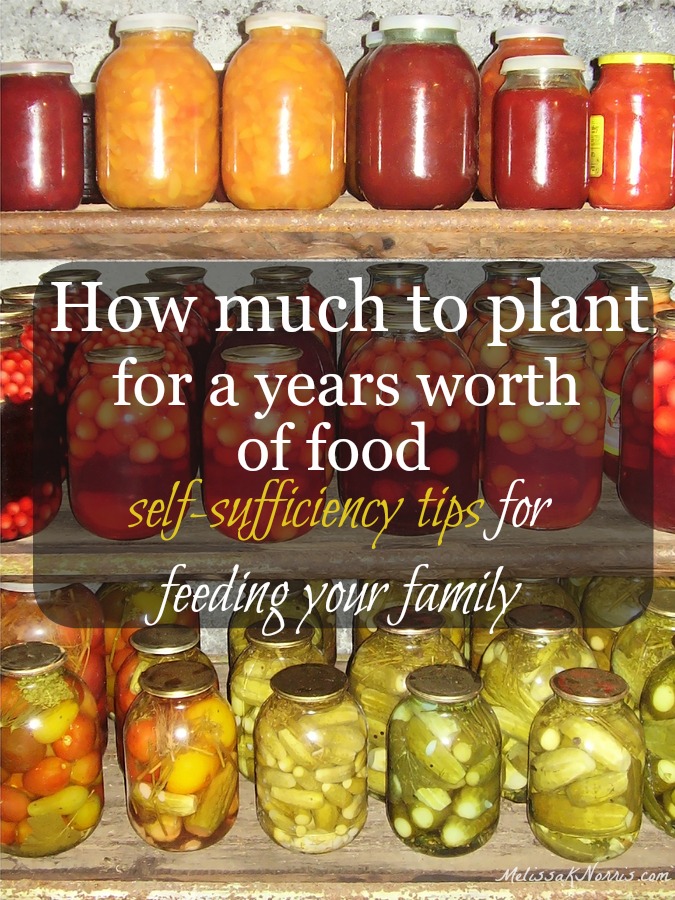

To determine how many tomato plants you need for a family of four, several factors should be taken into account, including consumption habits, the variety of tomato plants, and growing conditions.
On average, a moderate family of four typically consumes about 20 to 30 pounds of tomatoes per year, which can be considered a baseline for calculating the number of plants needed. Generally, one tomato plant can produce 10 to 15 pounds of tomatoes, depending on the variety and care. Therefore, you would require approximately 2 to 3 plants to meet the family’s needs throughout the season.
Factors Affecting Tomato Production
Understanding the factors that influence tomato yield can help in planning your garden effectively.
- Variety: Different tomato varieties yield different amounts. Indeterminate varieties tend to produce more over a longer period compared to determinate types.
- Growing Conditions: Nutrient-rich soil, ample sunlight, and proper watering significantly affect plant health and productivity.
- Pest and Disease Management: Healthy plants free from pests and diseases will produce a better yield. Regular monitoring and proactive care are essential.
Consumption Patterns
Your family's specific consumption habits will play a crucial role in deciding how many plants to grow.
- Frequency of Use: Consider how often you use tomatoes in your cooking or meals each week.
- Preserving Tomatoes: If you like to make sauces, canning, or other preserved tomato products, you may need more plants.
- Fresh vs. Processed: Decide if you prefer fresh tomatoes for salads or cooked dishes, as this will influence the quantity needed.
Space and Gardening Considerations
The physical space available for planting also influences the number of tomato plants you can effectively grow.
- Garden Size: Ensure your garden has ample space for the plants to grow with good air circulation.
- Container Gardening: If you lack garden space, consider growing tomatoes in pots, which can also limit the number of plants.
- Support Structures: Indeterminate varieties will require trellises or cages, affecting how many you can plant in a limited area.
Growing Season
The growing season can impact the number of tomato plants necessary for a consistent yield.
- Length of Season: A longer growing season can yield more tomatoes, allowing for fewer plants to meet your needs.
- Planting Times: Staggered planting can result in a continuous supply of fresh tomatoes.
- Climate Considerations: Warmer climates often have better yields, while shorter seasons may require more plants to ensure enough harvest.
Yield Expectations
Having realistic expectations about the yield is important in planning for your family’s needs.
- Average Yield per Plant: Anticipate about 10 to 15 pounds of tomatoes per plant to guide your planning.
- Potential for Higher Yields: With optimal conditions and care, yields can exceed average expectations.
- Variety Selection: Research which varieties are known for better yields in your area to maximize production.
Questions from Our Readers
How many tomatoes can one plant produce in a season?
One tomato plant can produce anywhere between 10 to 30 pounds of tomatoes in a growing season, depending on various factors such as the variety of the plant, growing conditions, and care provided.
What factors influence the number of tomatoes produced by a plant?
Several factors can significantly influence tomato production, including sunlight, soil quality, watering practices, and fertilization. A plant receiving adequate nutrients and water in a sunny location will typically yield more fruit.
Does the type of tomato plant affect its yield?
Yes, the type of tomato plant greatly affects yield; for instance, determinate varieties tend to produce a crop all at once, while indeterminate varieties keep producing throughout the growing season, potentially yielding a higher total amount of tomatoes.
Can pruning increase tomato production?
Pruning can indeed boost production by promoting better air circulation and sunlight exposure to the remaining fruits, thereby helping the plant direct its energy towards producing a larger harvest of quality tomatoes.
See also:
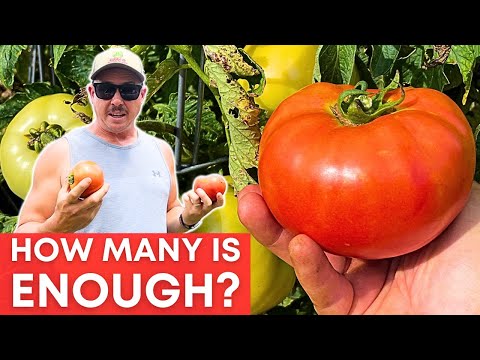
If you want to read more articles like How Many Tomatoes Will One Plant Produce? A Comprehensive Guide to Tomato Yields, we recommend you check out our Tomatoes category.
Leave a Reply
Related Articles