Should I Put Rocks in the Bottom of My Raised Garden Bed? Pros, Cons, and Best Practices

When planning a raised garden bed, many gardeners ponder whether to add rocks to the bottom layer. This practice has its proponents and detractors, each presenting valid points. On one hand, rocks can enhance drainage and prevent soil erosion, while on the other, they may hinder root growth and water retention. To make an informed decision, it's essential to weigh the pros and cons and explore best practices for utilizing rocks effectively. In this article, we will delve into the advantages and disadvantages of placing rocks in your raised garden bed, offering insights to help you achieve the best results for your plants.
Should I Put Rocks in the Bottom of My Raised Garden Bed?
Placing rocks in the bottom of your raised garden bed can be a controversial practice. While some gardeners believe it improves drainage, others argue that it can lead to water retention issues, particularly in clay soils. The primary purpose of adding rocks is often to create a drainage layer that prevents soil from becoming waterlogged. However, if the layer of rocks is too thick, it can hinder the overall movement of water and nutrients through the soil, making it harder for plant roots to access moisture. It’s essential to consider the specific soil type and plant needs before deciding whether rocks are a beneficial addition to your raised garden bed.
Benefits of Using Rocks
Using rocks at the bottom of a raised garden bed can provide several benefits. One of the main advantages is enhanced drainage; rocks can allow excess water to flow away from the root zone, preventing root rot. They can also act as a barrier to pests, as certain larger rocks can deter burrowing animals. Additionally, the thermal mass of rocks can help to moderate soil temperatures, particularly in regions with extreme temperature fluctuations, offering a slightly warmer environment for plant roots during cooler nights.
Potential Drawbacks
Despite their benefits, there are notable drawbacks to placing rocks in the bottom of your raised garden bed. A thick layer of rocks may impede the flow of water and nutrients from the soil above, leading to a separation between the soil and rocks that can result in an air pocket. This could become problematic in regions with heavy rainfall where soil might settle, creating drainage issues. Furthermore, rocks can contribute to uneven weight distribution, which may affect the stability of the garden bed, ultimately harming plant growth.
Alternative Methods for Drainage
If you’re concerned about drainage but hesitant to use rocks, there are numerous alternative methods available. For instance, incorporating coarse materials such as gravel or small stones mixed with soil can improve drainage without risking the potential pitfalls of larger rocks. Another effective method is to utilize landscape fabric or drainage tiles to facilitate water flow. Additionally, creating a sloped base for the raised garden bed can allow for better water management, helping to ensure that excess moisture drains away effectively.
Soil Type Considerations
The decision on whether to include rocks is heavily influenced by the soil type in your area. For sandy or loamy soils, adding rocks may not be necessary, as these soils naturally allow for excellent drainage. Conversely, if your garden is situated in a clay-heavy area, rocks could be helpful to improve drainage. It's crucial to analyze your local soil conditions and understand how they affect water retention and drainage when determining whether rocks will be beneficial in your raised garden bed.
Impact on Plant Roots
The presence of rocks in the bottom of a raised garden bed can significantly impact plant roots. Roots typically prefer to grow in soil that maintains a consistent moisture content, and an improper layering of rocks can disrupt this balance. If rocks are not properly managed, they can create a barrier that roots struggle to penetrate. Understanding the root depth and requirements of the plants you wish to grow is essential before introducing rocks, as different plants may respond differently to this potential obstruction.
| Feature | Rocks | Alternatives |
|---|---|---|
| Drainage | Can enhance drainage | Gravel, landscape fabric, sloped base |
| Soil Contact | May hinder soil-root interaction | Encourages better rooting |
| Weight Distribution | Can create instability | More stable weight distribution |
| Pest Barrier | Can provide some protection | Use of barriers or fences |
| Temperature Regulation | Moderate soil temperatures | Natural soil temperature changes |
Should I put rocks in the bottom of my raised garden beds?

When considering whether to put rocks in the bottom of your raised garden beds, several factors should be taken into account. While some gardeners believe that adding rocks can aid in drainage, others argue that they could lead to other issues. Here are important points to consider:
Benefits of Using Rocks
Adding rocks at the bottom of raised garden beds can offer several advantages:
- Improved Drainage: Rocks may help to create a drainage layer that prevents water from pooling at the bottom of the bed.
- Soil Aeration: The presence of rocks can promote aeration in the soil, which is beneficial for root health.
- Weight and Stability: Rocks can add weight to the structure, providing additional stability to the raised bed.
Potential Drawbacks
While there are benefits, there are also potential drawbacks to consider:
- Soil Compaction: Rocks can create a barrier that may lead to soil compaction over time, making it harder for roots to penetrate.
- Heat Retention: Stones can absorb and retain heat, which may lead to overly warm soil conditions for certain plants.
- Water Retention Issues: If not placed correctly, rocks might trap water and prevent it from reaching the plant roots effectively.
Alternative Materials
If the idea of using rocks doesn’t seem ideal, consider alternative materials that may be more beneficial:
- Wood Chips or Bark: These materials can break down over time and improve soil structure.
- Gravel: A finer option than large rocks, gravel can provide drainage without the risk of compaction.
- Compost or Organic Matter: Adding organic material can enhance soil fertility and drainage simultaneously.
Best Practices for Raised Beds
If you decide to include rocks or other materials in your raised beds, consider the following best practices:
- Layering Approach: If using rocks, create a layering system where rocks are at the bottom and soil is layered on top.
- Regular Maintenance: Monitor the moisture levels and soil health regularly to ensure that the drainage system is functioning properly.
- Appropriate Plant Selection: Make sure to choose plants that are well-suited for the growing conditions you create in the raised beds.
Personal Considerations
Ultimately, the decision to put rocks in the bottom of your raised garden beds should depend on your specific conditions and needs:
- Local Climate: Consider your region's rainfall and temperature patterns when deciding on drainage solutions.
- Soil Type: Understand the characteristics of your native soil and how that might impact your raised bed setup.
- Plant Choices: Evaluate the needs of the plants you intend to grow and whether they would benefit from a rock layer.
What is the best filler for the bottom of a raised bed?
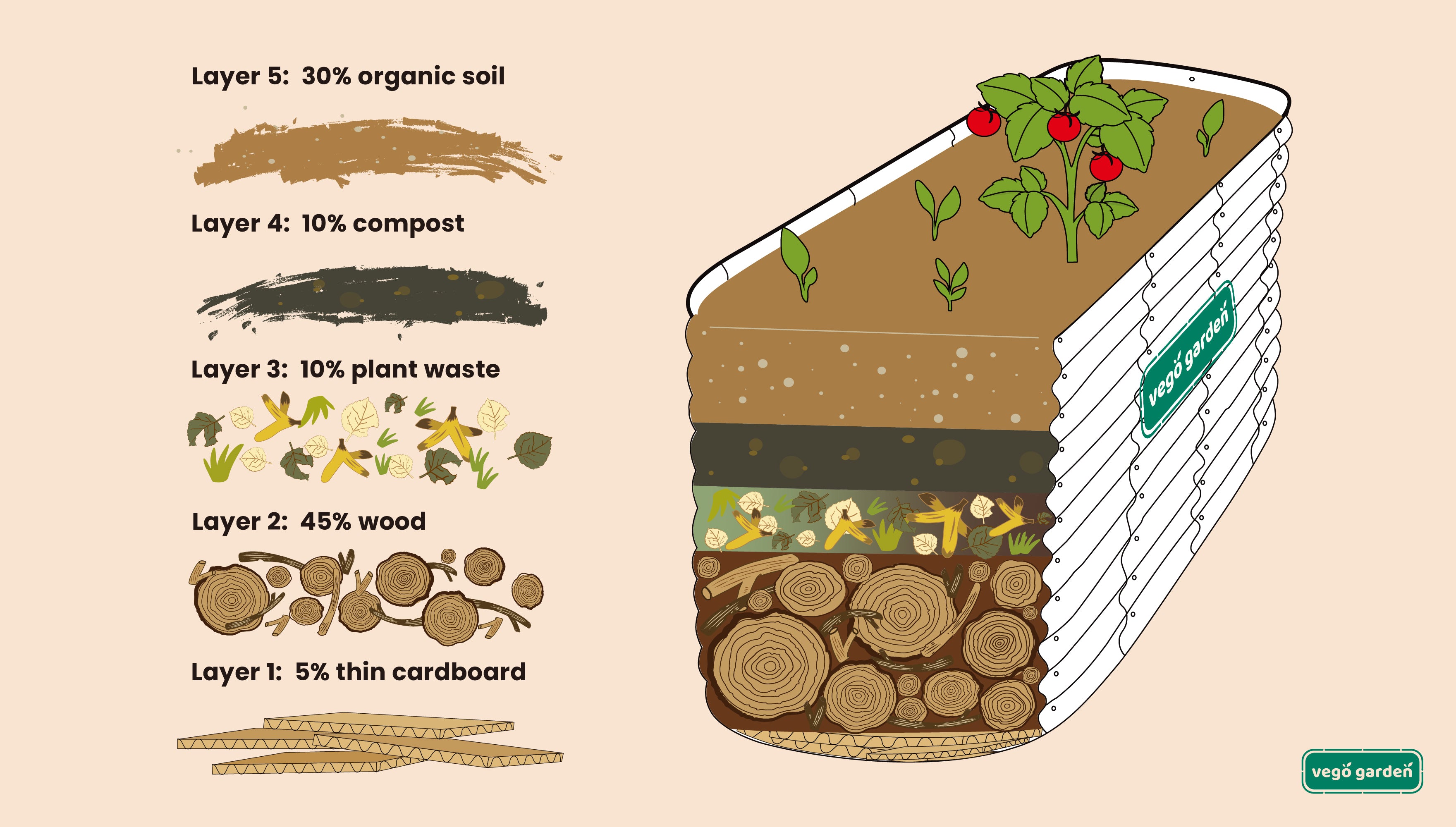
The best filler for the bottom of a raised bed typically involves a combination of materials that not only support drainage but also contribute to soil health over time. The main goal is to create a healthy environment for the plants by promoting proper water drainage, reducing soil compaction, and providing essential nutrients.
See also:
Why Use Fillers in Raised Beds?
Using fillers in raised beds helps manage soil quality and drainage. By incorporating materials like compost or other organic matter, you can enhance the nutrient profile of the soil. Additionally, fillers help with water retention and aeration, allowing plant roots to breathe more easily.
- Improved Drainage: Fillers allow excess water to flow away from the roots.
- Soil Aeration: Enhances airflow in the soil, preventing compaction.
- Nutrient Supply: Adds organic matter that breaks down and enriches the soil over time.
Common Fillers for the Bottom of Raised Beds
Several materials can serve as effective fillers for raised beds, each with distinct advantages.
- Wood Chips: These break down slowly, providing organic matter over time.
- Straw: Lightweight and helps retain moisture, though it decomposes relatively quickly.
- Cardboard or Newspaper: These suppress weeds and decompose, enriching the soil as they break down.
The Role of Rocks and Gravel
Incorporating rocks or gravel at the bottom of a raised bed is another common practice. They create a drainage layer that helps excess water flow away, thus preventing root rot.
- Enhanced Drainage: Prevents water from pooling and causing root issues.
- Moisture Regulation: Helps maintain optimal moisture levels in the soil.
- Weed Prevention: A physical barrier against weeds that can affect root health.
Compost as a Filler
Using compost as a filler can significantly improve the overall health of the raised bed. It introduces beneficial microbes and nutrients that are essential for plant growth.
- Nutrient-Rich: Supplies essential nutrients for plant development.
- Microbial Activity: Encourages beneficial microbes that aid in soil health.
- Improves Soil Structure: Helps maintain soil aeration and moisture retention.
Considerations for Choosing Fillers
When selecting fillers, it’s important to consider the organic nature of the materials and their suitability for the plants you wish to grow.
- Plant Requirements: Different plants have varying needs for drainage and nutrients.
- Local Availability: Choose materials that are readily available in your area.
- Environmental Impact: Opt for sustainable materials to reduce your ecological footprint.
Questions from Our Readers
Should I put rocks in the bottom of my raised garden bed?
Placing rocks at the bottom of your raised garden bed is generally not advisable as it can hinder drainage and root development. Instead, it’s better to fill the bottom with a mix of organic materials and soil to promote healthy plant growth.
What are the benefits of not using rocks in my raised garden bed?
Avoiding rocks allows for better aeration and enhances water retention in the soil, which is crucial for plant health. With a solid base of nutrient-rich soil, your plants can grow stronger and more robust.
Can using rocks affect the temperature of the soil in my raised garden bed?
Yes, using rocks can significantly impact soil temperature. Rocks can absorb and retain heat, which may lead to overheating in warmer months, negatively affecting root life and overall plant growth.
See also:
What should I use instead of rocks at the bottom of my raised garden bed?
Instead of rocks, consider using wood chips, straw, or compost as a base layer. These materials not only improve drainage but also add nutrients to the soil as they decompose, promoting a healthier garden environment.

If you want to read more articles like Should I Put Rocks in the Bottom of My Raised Garden Bed? Pros, Cons, and Best Practices, we recommend you check out our Garden category.
Leave a Reply
Related Articles