Discover Who is the Most Famous Gardener of All Time? Unveiling the Legends of Gardening

Gardening, an art form that connects humanity with nature, has been shaped by numerous legendary figures throughout history. From humble beginnings to international acclaim, some gardeners have left an indelible mark on the world. This article embarks on a journey to discover who stands out as the most famous gardener of all time. We will unveil the stories, contributions, and influence of these gardening legends, exploring how their innovations and passion for plants have inspired generations. Join us as we dig deep into the soil of history and uncover the titans of gardening whose legacies continue to thrive today.
Who is the Most Famous Gardener of All Time?
One of the most famous gardeners of all time is Gertrude Jekyll, a British horticulturist known for her pioneering work in color theory and garden design during the late 19th and early 20th centuries. Jekyll is celebrated for her ability to blend artistic principles with practical gardening, creating gardens that were not only aesthetically pleasing but also functional. Her collaborations with architects, most notably Edwin Lutyens, resulted in numerous iconic gardens, including the renowned Munstead Wood in Surrey. Jekyll's influence on modern gardening is profound, as she brought a sense of artistry and creativity to landscape design, leaving a legacy that continues to inspire gardeners worldwide.
Gertrude Jekyll's Early Life
Gertrude Jekyll was born on November 29, 1843, in London, England, and grew up in a family that appreciated art and nature. Her early exposure to garden aesthetics and the English countryside sparked her interest in horticulture. Jekyll faced numerous challenges due to her poor eyesight, which eventually led her to focus on gardening and design, where she could apply her creativity and knowledge. This foundation set the stage for her later successes, as she cultivated a deep understanding of plants and their interactions within the landscape.
Innovations in Garden Design
Throughout her career, Jekyll introduced several innovative techniques in garden design, emphasizing the role of color, texture, and form. She believed that gardens should evoke emotions and engage the senses, which was a novel approach at the time. Her written works and garden plans showcased her unique style, characterized by the use of naturalistic planting combinations that celebrated the beauty of plants throughout the seasons. Her profound understanding of color theory revolutionized the way gardeners approached flower arrangements and plant selections.
Collaboration with Edwin Lutyens
The partnership between Gertrude Jekyll and architect Edwin Lutyens was instrumental in shaping English gardens in the early 20th century. Together, they designed numerous gardens and estates, where Jekyll's planting schemes complemented Lutyens' architectural features. Their most famous project, Gertrude Jekyll's Munstead Wood, exemplifies the harmonious blend of architecture and landscape that became the hallmark of their collaborative efforts. This synergy not only enhanced the visual appeal of their projects but also laid the foundation for the development of modern garden design principles.
Jekyll's Legacy in Horticulture
Gertrude Jekyll’s influence extends far beyond her lifetime; she left a lasting legacy in the field of horticulture and landscape architecture. Her writings, particularly Wood and Garden and numerous articles for gardening magazines, inspired countless gardeners and designers in the 20th century and beyond. Jekyll's commitment to education and sharing her knowledge is evident through her many lectures and workshops, solidifying her reputation as a key figure in garden design. Her gardens continue to be celebrated and preserved, serving as a testament to her enduring impact on the world of gardening.
Recognition and Honors
In recognition of her contributions to gardening, Gertrude Jekyll received numerous honors during her lifetime and posthumously. In 1924, she was appointed a Dame of the British Empire, acknowledging her significant achievements in horticulture. Various gardens and institutions bear her name, reflecting her status in the gardening community. Today, organizations such as the Royal Horticultural Society continue to celebrate her work and promote her principles, ensuring that Jekyll's influence remains vital in contemporary gardening practices.
| Aspect | Details |
|---|---|
| Birth Date | November 29, 1843 |
| Key Contributions | Innovative garden design and color theory |
| Notable Collaborator | Edwin Lutyens |
| Lasting Legacy | Inspiring modern gardening practices |
| Honors | Dame of the British Empire (1924) |
Who is the famous garden lady?

The famous garden lady typically refers to Beatrix Potter, an English author, illustrator, and natural scientist, best known for her children's stories featuring animals. Potter's charming tales, such as The Tale of Peter Rabbit, have captivated readers for generations and often reflect her love and knowledge of nature and gardening. Her passion for botany and wildlife greatly influenced her artwork and storytelling.
Beatrix Potter's Life and Work
Beatrix Potter was born on July 28, 1866, in Kensington, London. She spent much of her childhood in the countryside, which fueled her interest in nature. Potter published her first book, The Tale of Peter Rabbit, in 1902, which quickly became a bestseller. Over her lifetime, she created over 30 children’s books, with many of her characters inspired by the animals she observed in her garden and the surrounding countryside.
- Early life and education
- Career breakthroughs
- Legacy and literary contributions
Potter's Influence on Gardening
Beatrix Potter was not only an author but also an enthusiastic gardener. She understood the importance of plants and their habitats, which she vividly illustrated in her works. Potter wrote extensively about the flora and fauna of the Lake District, where she eventually settled. Her writings often inspired readers to appreciate nature and the art of gardening, making significant contributions to the field of botany.
- Garden design and planting techniques
- Engagement with horticultural societies
- Encouragement of sustainable gardening practices
Potter's Connection with Nature
Beatrix Potter's deep connection with nature is evident in her stories and illustrations, where she often portrayed animals and plants with accuracy and affection. Her love for wildlife led her to study and observe the habits of creatures in her garden and beyond. This intimate relationship with the natural world shaped her narratives, making them not just entertaining but also educational about the ecosystem.
- Animal behavior observations
- Botanical studies and illustrations
- Philosophy on nature's preservation
Legacy and Cultural Impact
The legacy of Beatrix Potter continues to thrive, as her stories are still beloved by children today. Potter established the World of Beatrix Potter attraction in Bowness-on-Windermere, which celebrates her work and engages visitors with interactive experiences related to her stories. Moreover, her influence extends into conservation, inspiring the protection of the Lake District’s unique wildlife and habitats.
See also:
- The Beatrix Potter Society
- Influence on children's literature
- Contributions to environmental conservation
Beatrix Potter in Popular Culture
Beatrix Potter has become an icon of children's literature, with her works adapted into films, stage productions, and even video games. Recent adaptations, such as the 2018 film Miss Potter, highlight her life and the challenges she faced as a female author in the early 20th century. Her characters, like Peter Rabbit, remain cultural symbols that resonate with audiences of all ages.
- Film adaptations
- Merchandise and themed products
- Influence on modern children's authors
What is a fancy name for a gardener?

A fancy name for a gardener is horticulturist. This term encompasses a professional who specializes in the science and art of growing plants, whether they are flowers, vegetables, or trees. Horticulturists are often involved in various aspects of plant cultivation and management, contributing to sustainable practices and offering valuable expertise in plant care and landscape design.
Understanding Horticulture
Horticulture is a branch of agriculture that focuses on the cultivation of gardens and crops. It includes the study of various plant species and their growth requirements. Professionals in this field, such as horticulturists, often engage in research and education to help promote sustainable gardening practices.
- Definition of horticulture
- Key areas of study
- Importance in agriculture
The Role of a Horticulturist
A horticulturist plays a vital role in the plant care industry, offering advice on plant selection, soil health, pest management, and garden layout. They may work in various settings, including public gardens, nurseries, or agricultural enterprises, focusing on enhancing plant growth and promoting biodiversity.
- Advising on plant selection
- Managing garden designs
- Implementing pest control strategies
Specializations within Horticulture
Within the field of horticulture, there are numerous specializations catering to different interests and skill sets. Horticulturists may focus on landscape design, fruit and vegetable production, or greenhouse management, among other areas. This diversity allows for a wide range of career opportunities.
- Landscape design
- Fruit and vegetable cultivation
- Greenhouse management
Educational Pathways to Becoming a Horticulturist
To become a horticulturist, individuals typically need a degree in horticulture or a related field. Many programs also offer practical experience through internships, allowing students to gain hands-on knowledge and enhance their skills in plant care and management.
- Relevant degree programs
- Importance of internships
- Certification options
Horticulture in Sustainable Practices
Horticulturists are increasingly involved in sustainable gardening practices, focusing on organic methods and biodiversity. These practices not only promote healthier plants but also contribute to environmental conservation by using resources efficiently and enhancing ecosystems.
- Organic gardening principles
- Benefits of biodiversity
- Conservation efforts by horticulturists
Who was the famous gardener who died?

The famous gardener who died recently was Monty Don, a well-known British horticulturist, television presenter, and writer, celebrated for his expertise and enthusiasm for gardening. Monty became widely recognized through his BBC television programs, particularly Gardeners' World, where he inspired many viewers to take up gardening and appreciate the beauty and tranquility it can bring. His passing has left a significant impact on the gardening community and fans alike. Throughout his life, he contributed greatly to the cultivation of horticultural knowledge and the promotion of sustainable gardening practices.
Monty Don's Impact on Gardening
Monty Don's influence on gardening extends beyond television; he has authored several books and articles that have educated and inspired gardeners. His approaches to gardening emphasize a natural and organic methodology, encouraging the use of environmentally friendly practices.
- Promoted sustainable practices in gardening.
- Encouraged viewers to connect with nature and the seasons.
- Established a large community of gardening enthusiasts through his work.
Books Written by Monty Don
Monty Don was also an accomplished author, contributing to the literature on gardening with several influential books. His writings range from practical gardening advice to personal reflections on the joys and challenges of gardening life.
- The Complete Gardener provides comprehensive guidance on gardening techniques.
- My Roots is a memoir that shares his personal journey and experiences with nature.
- Gardening at Longmeadow details his own garden and seasonal gardening tips.
His Role on Television
Gardeners' World was Monty Don's flagship program, where he became a familiar face in many British households. His natural charisma and profound knowledge made the show an enduring success and a platform for sharing gardening tips.
See also:
- Engaged audiences with practical demonstrations and advice.
- Highlighted various gardening styles from around the world.
- Contributed to the accessibility of gardening to a broader audience.
Gardening Philosophy
Monty Don advocated for a holistic approach to gardening, focusing not only on aesthetics but also on the ecological and spiritual aspects of gardening. His philosophy prompted gardeners to consider the health of the soil, the environment, and their personal well-being.
- Promoted biodiversity in garden planting.
- Encouraged mindfulness and meditation through gardening.
- Emphasized the importance of connecting with local ecosystems.
Legacy and Tributes
Following Monty Don's death, tributes poured in from fans and fellow gardeners, reflecting on his lasting impact on the horticultural world. Many people shared their stories of how his work inspired them to embrace gardening.
- Personal tributes highlighting his kindness and humor.
- Celebration of his contributions to community gardening initiatives.
- Recognition of his efforts in promoting mental health through gardening.
Who is the famous gardener on TV?
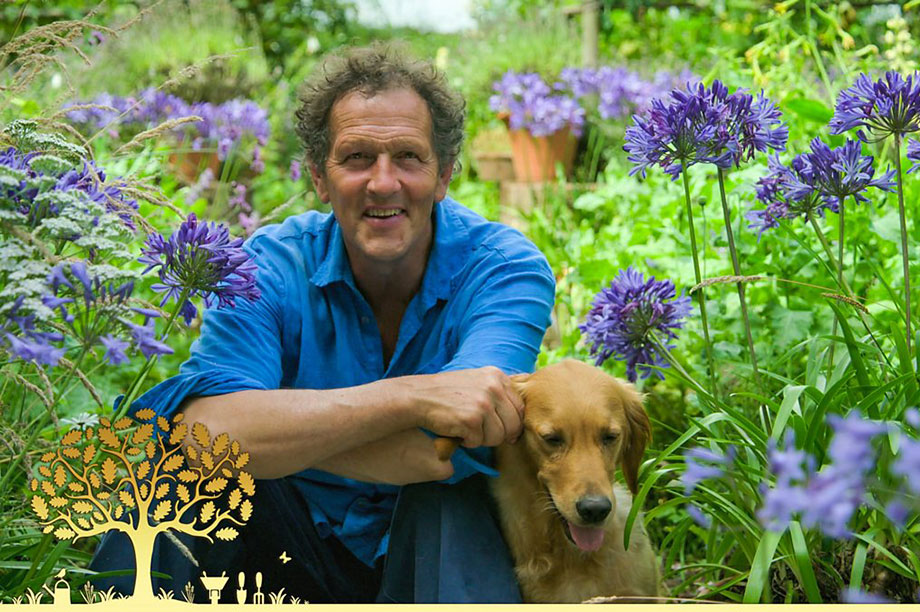
One of the most famous gardeners on television is Monty Don. He is a British horticulturist, writer, and broadcaster, best known for his work on the BBC television series Gardeners' World. Monty Don has become an inspiring figure for gardening enthusiasts worldwide due to his expertise, passion for gardening, and engaging presentation style.
Monty Don's Early Life and Career
Monty Don was born in 1965 in England. His journey into the world of gardening began from a young age, influenced by his family's gardening traditions. He initially pursued a career in journalism and broadcasting, but eventually shifted his focus to gardening. Over the years, he has developed a significant presence in the media, which has allowed him to share his gardening knowledge with a broader audience.
- Born in 1965 in England
- Started in journalism and broadcasting
- Became a respected figure in gardening media
Gardeners' World Impact
Gardeners' World is one of the UK's most popular gardening programs, and Monty Don has been at its helm since 2003. Under his guidance, the show has blended practical gardening advice with personal anecdotes, making it relatable and enjoyable for a wide range of audiences. His calming presence and thorough explanations have made the show a staple for both novice and expert gardeners alike.
- Started hosting Gardeners' World in 2003
- Combines practical advice with personal stories
- Aims to engage viewers of all gardening levels
Books and Publications
In addition to his television career, Monty Don has authored several books on gardening. His writings often reflect his personal philosophy towards gardening, emphasizing sustainability and organic practices. Some of his popular titles include The Complete Gardener and My Roots. These books have further solidified his status as an authority in the gardening community.
- Authored several gardening books
- Focuses on sustainability and organic practices
- Popular titles include The Complete Gardener and My Roots
Advocacy and Environmental Awareness
Monty Don is also known for his advocacy regarding environmental issues and biodiversity. He often emphasizes the importance of gardening for the planet, promoting practices that contribute to a healthier ecosystem. His passionate speeches and writings encourage both gardeners and non-gardeners to consider their impact on the environment.
- Advocates for environmental issues
- Emphasizes importance of biodiversity in gardening
- Encourages sustainable gardening practices
Television Appearances and Other Projects
Beyond Gardeners' World, Monty Don has participated in various other gardening-related television projects, including his own series exploring gardens around the world. He has also made guest appearances on several talk shows and documentaries, further spreading his gardening wisdom and experiences. His broad range of projects showcases his versatility and commitment to the craft of gardening.
- Participated in various gardening-related TV projects
- Explored gardens globally in travel series
- Made guest appearances on numerous shows and documentaries
Questions from Our Readers
Who is the most famous gardener of all time?
Capability to pinpoint a definitive answer is difficult, but many consider Gertrude Jekyll to be one of the most famous gardeners in history. She was a renowned British horticulturist and garden designer known for her innovative designs and contributions to the Arts and Crafts Movement in the late 19th and early 20th centuries.
What are Gertrude Jekyll's contributions to gardening?
Gertrude Jekyll significantly impacted gardening with her approach to color and design, promoting the use of herbaceous borders that combined plants in a harmonious way. She also wrote numerous articles and books about gardening, which have inspired generations of gardeners.
Are there other famous gardeners besides Gertrude Jekyll?
Yes, there are several other famous gardeners, such as Capability Brown, known for his landscape designs in the 18th century, and Jeffrey Hodgkinson, a contemporary figure known for his sustainable gardening practices. Each has left a unique mark on the history of gardening.
What qualities make a gardener famous?
Fame in gardening often arises from combination of innovation, influence, and style. Notable gardeners typically have unique approaches to design and horticulture, contribute significantly to gardening literature, and inspire others through their work in creating beautiful and functional landscapes.
See also:

If you want to read more articles like Discover Who is the Most Famous Gardener of All Time? Unveiling the Legends of Gardening, we recommend you check out our Garden category.
Leave a Reply
Related Articles