What is the Best Plant to Grow a Garden? Top Choices for Every Gardener
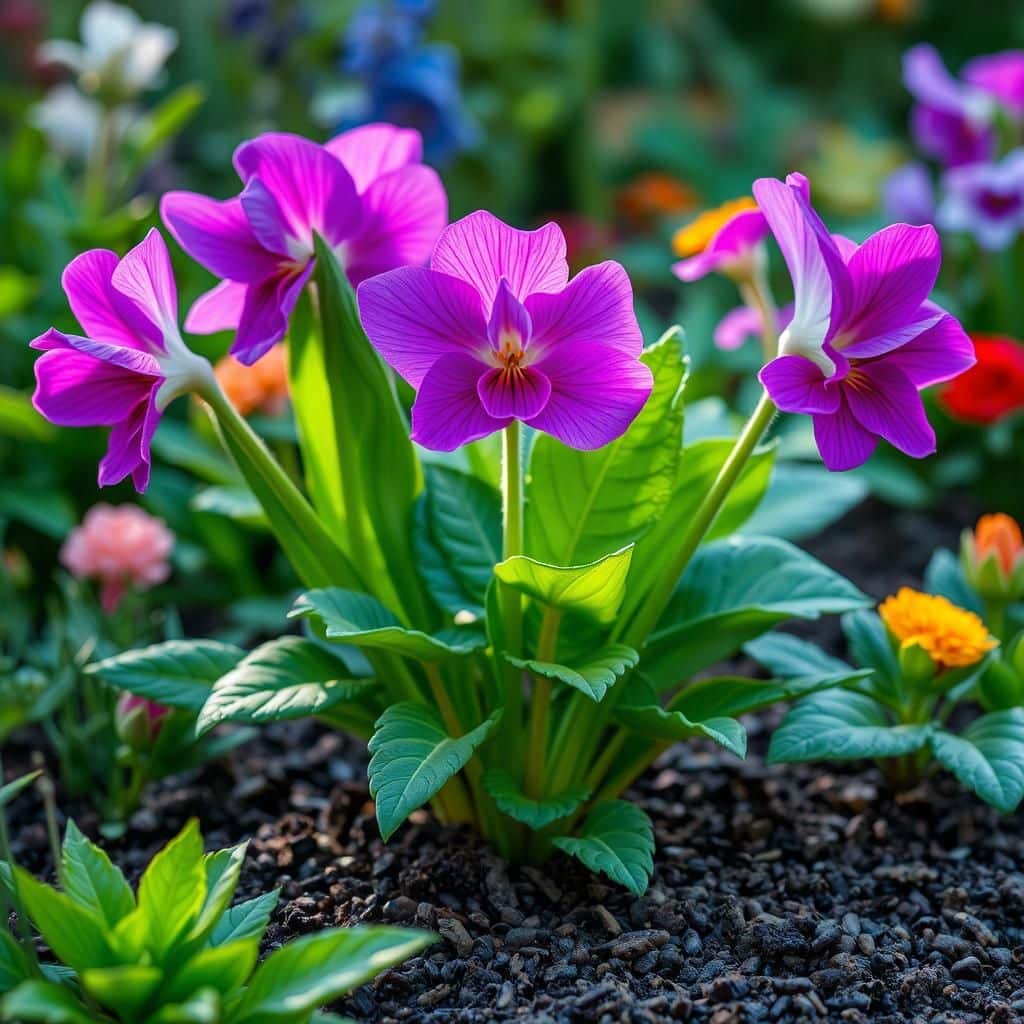
Creating a vibrant garden begins with selecting the right plants, which can significantly impact both aesthetics and success. With countless options available, finding the best plants to grow can be overwhelming for gardeners of all levels. This article will explore top choices tailored to various environments, skill levels, and preferences, ensuring that every gardener can cultivate a thriving garden. From perennial favorites to innovative selections, we'll delve into the ideal plants that bring beauty, resilience, and practicality to your outdoor space. Whether you're a novice or an experienced gardener, discover the perfect flora to enhance your garden’s appeal and productivity.
What Is the Best Plant to Grow in a Garden?
When considering the best plant to grow in a garden, it often depends on several factors such as the local climate, soil conditions, and personal preferences. However, a widely recommended choice for many gardeners is the tomato. Tomatoes are known for their adaptability and relatively easy cultivation process, making them ideal for both novice and experienced gardeners. They thrive in sunny locations and benefit from rich, well-drained soil. Additionally, the reward of harvesting fresh tomatoes during the growing season is a significant motivator for many, as they can be used in countless recipes or enjoyed raw.
Factors to Consider When Choosing Plants
Before selecting plants for your garden, it's essential to consider factors such as climate, soil type, and available sunlight. Each plant has specific requirements for temperature and moisture, which can significantly impact its growth. Understanding the local growing conditions will help determine which plants are most suitable for your environment, ensuring that they will thrive and produce a bountiful harvest.
Benefits of Growing Vegetables
Growing vegetables, especially tomatoes, offers numerous benefits beyond just enhancing your diet. Homegrown vegetables are typically fresher and have a superior taste compared to store-bought options. They also provide a sense of accomplishment and satisfaction while promoting healthier eating habits. Furthermore, growing your own food can lead to significant savings on grocery bills and reduces the carbon footprint associated with transportation.
Best Companion Plants for Tomatoes
When planting tomatoes, it's beneficial to consider companion plants that help improve their growth and protection against pests. Plants such as basil, marigolds, and garlic can enhance the flavor of tomatoes while deterring harmful insects. These companion plants can create a more balanced ecosystem in your garden, leading to healthier plants and a more productive garden overall.
Common Pests and Diseases
Tomatoes can be affected by various pests and diseases, such as aphids, whiteflies, and blight. Being aware of these threats is crucial for maintaining plant health. Implementing preventative measures, including crop rotation and proper watering practices, can help mitigate these issues. Regular monitoring of plants will allow for early detection and intervention, minimizing damage and ensuring a fruitful harvest.
Seasonal Care for Tomato Plants
Providing seasonal care for tomato plants entails adjusting your gardening practices based on the growth stage of the plant. In the early stages, consistent watering and support structures, such as stakes or cages, are vital for strong growth. As the growing season progresses, pruning and regular feeding with fertilizers can enhance production. Additionally, preparing for the colder months by harvesting and properly storing tomatoes can extend their lifespan and usage.
| Plant | Sunlight Needed | Harvest Time |
|---|---|---|
| Tomato | Full sun | 60-85 days |
| Basil | Full sun | 60-90 days |
| Marigold | Full sun | 45-60 days |
| Garlic | Full sun | 180-240 days |
What's the best plant to grow in your garden?

The best plant to grow in your garden largely depends on your climate, soil type, and personal preferences. However, one of the most versatile and widely appreciated plants is the tomato. Tomatoes are not only delicious and nutritious, but they are also relatively easy to grow and can thrive in various conditions.
Benefits of Growing Tomatoes
Growing tomatoes has several advantages that make them a favorite among gardeners:
See also:
- Nutritional Value: Tomatoes are rich in vitamins A and C, potassium, and antioxidants like lycopene.
- Flavor: Fresh garden tomatoes have a superior taste compared to store-bought varieties.
- Versatility: They can be used in salads, sauces, salsas, and many other dishes.
Ideal Growing Conditions
For successful tomato growth, specific conditions should be met:
- Sunlight: Tomatoes require at least 6 to 8 hours of direct sunlight daily.
- Soil: They thrive in well-draining, fertile soil enriched with organic matter.
- Watering: Consistent moisture is key, especially during dry spells, while ensuring the soil doesn't get waterlogged.
Common Tomato Varieties
There are numerous varieties of tomatoes, each with unique characteristics:
- Cherry Tomatoes: Small and sweet, perfect for snacking and salads.
- Beefsteak Tomatoes: Large and meaty, ideal for sandwiches and grilling.
- Roma Tomatoes: Dense and meaty, great for sauces and canning.
Pest and Disease Management
Managing pests and diseases is essential for a healthy tomato crop:
- Common Pests: Watch out for aphids, whiteflies, and hornworms, which can damage plants.
- Diseases: Issues like blight and blossom end rot can be minimized with proper care.
- Preventive Measures: Crop rotation, companion planting, and using organic pesticides can help maintain plant health.
Harvesting and Storage
Knowing when and how to harvest tomatoes maximizes their taste and longevity:
- Harvest Time: Tomatoes are typically ready to harvest when they are fully colored and slightly firm to the touch.
- Storage Tips: Store tomatoes at room temperature for the best flavor; refrigeration can alter their taste.
- Using Up Surplus: Consider making sauces, salsa, or preserving them to enjoy throughout the year.
What are the easiest plants to grow in the garden?
:strip_icc()/10-must-grow-plants-5661161-6074672b3ed3470f8b6dcf4cb76e6aea.jpg)
The easiest plants to grow in the garden are often those that require minimal maintenance and can thrive in various conditions. These plants are perfect for beginners or anyone looking for a low-effort gardening experience. Here are some of the easiest plants to cultivate:
1. Marigolds
Marigolds are known for their vibrant colors and ability to repel pests. They are hardy annuals that can easily adapt to different soil types and climatic conditions. Growing marigolds is straightforward, and they can be sown directly into the ground after the last frost.
- Soil: Well-drained soil with moderate fertility.
- Sunlight: Full sun is preferred for optimal blooming.
- Watering: Water them regularly but avoid overwatering.
2. Zinnias
Zinnias are another excellent choice for beginner gardeners. These colorful flowers come in various shapes and sizes, and they bloom all summer long. Zinnias thrive in sunny spots and are resistant to heat and drought.
- Soil: They prefer sandy, well-drained soil.
- Sunlight: Minimum of 6 hours of direct sunlight each day.
- Watering: Allow soil to dry out slightly between watering sessions.
3. Radishes
Radishes are one of the quickest crops to grow. They typically mature in just a few weeks, making them perfect for impatient gardeners. Additionally, they can be planted in early spring or late summer.
- Soil: Loose soil free from rocks to allow easy growth.
- Sunlight: They prefer full sun but can tolerate partial shade.
- Watering: Keep the soil consistently moist for optimal growth.
4. Lettuce
Lettuce is an easy-to-grow leafy green that thrives in cooler temperatures. It can be sown in rows or containers and comes in various types, including romaine, iceberg, and leaf lettuce.
See also:
- Soil: Fertile, well-drained soil rich in organic matter.
- Sunlight: Prefers full sun but benefits from some afternoon shade.
- Watering: Regular watering is crucial, especially in warm weather.
5. Chives
Chives are a versatile herb that adds flavor to many dishes. They are perennial and can be grown in pots or garden beds. Chives require little maintenance, making them an ideal choice for beginners.
- Soil: Well-drained, nutrient-rich soil is best.
- Sunlight: Full sun to partial shade will help them thrive.
- Watering: Water regularly, but allow the soil to dry out slightly between watering.
What is the best month to start a vegetable garden?

To determine the best month to start a vegetable garden, it's essential to consider the climate, geography, and type of vegetables you intend to grow. Generally, in temperate regions, the ideal time to begin planting is in the spring months, particularly March to May. This is when the soil begins to warm up, and the risk of frost diminishes, allowing for a healthier start for your plants. However, if you're in a warmer climate, you may be able to start your garden as early as February or even in the winter months with suitable crops.
Understanding Frost Dates
Knowing your region's frost dates is crucial for successful gardening. The average last frost date significantly influences when you should plant your seeds or seedlings.
- Check local gardening resources or extension services for your specific frost date.
- Plan your planting schedule around this date to avoid frost damage.
- Consider using frost sheets for protection if planting early.
Choosing the Right Vegetables
The types of vegetables you wish to grow can dictate the ideal starting month. Some vegetables thrive better in cooler months, while others require warmer temperatures.
- Cool-season crops like lettuce, spinach, and peas can be planted in early spring.
- Warm-season crops such as tomatoes, peppers, and cucumbers should be planted after the last frost date.
- Research your selected vegetables to understand their specific planting requirements.
Soil Preparation Timing
Soil preparation is a critical step in starting a vegetable garden. It should ideally begin a month before the planting season.
- About four weeks before your planned planting, assess and prepare your soil.
- Test the soil for nutrient levels and pH to determine any amendments needed.
- Add organic matter like compost for rich, healthy soil.
Monthly Planting Calendar
Creating a monthly planting calendar can help you stay organized and ensure your garden is planted at the right times.
- List the vegetables you want to grow and their respective planting months.
- Include notations for succession planting for continuous harvests.
- Adjust the calendar based on seasonal changes in your specific area.
Benefits of Seasonal Planting
Understanding the benefits of planting in the correct season is essential for maximizing your garden's yield.
- Plants that are started in the right season tend to be healthier and more robust.
- Seasonal planting helps to reduce weeds and pest issues by timing germination with peak growth conditions.
- It allows for better crop rotation, improving soil health over time.
Questions from Our Readers
What is the best plant to grow in a garden?
Growing a garden depends on various factors such as climate, soil type, and personal preferences. However, some of the best plants to consider include tomatoes, herbs, and zucchini, as they are generally robust and produce great yields.
What plants are easiest to maintain in a garden?
If you're looking for low-maintenance options, consider succulents, perennials, or native plants that are adapted to your local environment. These plants typically require less water and care, making them perfect for beginners or busy gardeners.
See also:
Can I grow vegetables in any garden?
Yes, you can grow vegetables in most gardens, but it's essential to choose varieties that match your climate and growing conditions. Additionally, ensure that you have enough sunlight and space for the specific vegetables you want to grow.
What are some popular flowering plants for a garden?
For vibrant color, consider planting roses, lavender, or marigolds. These popular flowering plants not only enhance the beauty of your garden but also attract pollinators, which are beneficial for your overall garden's health.

If you want to read more articles like What is the Best Plant to Grow a Garden? Top Choices for Every Gardener, we recommend you check out our Garden category.
Leave a Reply
Related Articles