Do Tomatoes Like Banana Peel Water? Discover the Benefits for Your Garden
In the quest for healthier, more vigorous plants, garden enthusiasts often turn to unconventional methods for boosting growth. One such method gaining traction is the use of banana peel water, a nutrient-rich solution derived from soaking banana peels. While tomatoes are a beloved choice among home gardeners, the question arises: do they benefit from banana peel water? This article delves into the science behind this natural fertilizer, exploring the specific nutrients it provides, how it can enhance tomato growth, and practical tips for incorporating it into your gardening routine. Discover the potential benefits for your garden and your tomato plants.
Do Tomatoes Benefit from Banana Peel Water?
Tomatoes can potentially benefit from banana peel water due to the presence of essential nutrients such as potassium, calcium, and magnesium found in banana peels. When the peels are soaked in water, these nutrients leach out and create a nutrient-rich solution that can promote healthy plant growth. The potassium in banana peel water is particularly beneficial for tomatoes as it helps in regulating water balance and enhancing fruit quality. Additionally, the organic matter from the peels can improve soil structure and increase microbial activity, leading to healthier plants and better yields. However, it's essential to use this water in moderation and ensure that other plant care practices are followed to achieve the best results.
Nutritional Content of Banana Peels
Banana peels are often overlooked, yet they contain rich nutritional elements that are beneficial for plant growth. They are particularly high in potassium, which is essential for photosynthesis, and improving the overall health of tomato plants. The presence of other vital minerals like calcium and magnesium aids in various physiological processes within the plant, further boosting growth and fruit production.
How to Prepare Banana Peel Water
To create banana peel water, simply chop a couple of banana peels into smaller pieces and submerge them in a container filled with water. Allow the mixture to sit for 24 to 48 hours, which enables the nutrients to leach into the water. Afterward, strain the liquid to remove the peels, and the remaining solution can be used to water tomato plants directly, providing a nutrient-rich boost to their soil.
Effects on Tomato Plant Growth
Using banana peel water can enhance tomato plant growth significantly. The potassium content helps tomatoes withstand stress factors such as drought, while improving the quality of the fruit produced. When applied regularly, this natural fertilizer can enhance the overall vigor and resistance of tomato plants to diseases, thereby leading to a more fruitful harvest.
Potential Drawbacks
While banana peel water can be beneficial, there can be potential drawbacks if used excessively. Over-fertilizing with homemade solutions may lead to nutrient imbalance, which can affect plant health adversely. It's also important to monitor plants for any signs of stress or deficiencies, ensuring that the banana peel water is complemented by a balanced diet of other nutrients.
Comparative Benefits with Other Natural Fertilizers
Comparatively, banana peel water stands out against other natural fertilizers like compost tea or fish emulsion for its specific contribution of potassium. While compost enhances soil structure and microbial activity, banana peel water is a more targeted source that directly benefits the fruiting and flowering phases of tomato growth. Each organic amendment has unique benefits, making it advantageous to employ a combination of fertilizers for optimal results.
| Fertilizer | Main Nutrient | Best For |
|---|---|---|
| Banana Peel Water | Potassium | Fruit Development |
| Compost Tea | Various | Soil Health |
| Fish Emulsion | Nitrogen | Leaf Growth |
What are the disadvantages of banana peel liquid fertilizer?


The use of banana peel liquid fertilizer has gained popularity among gardeners and horticulturists, primarily due to its natural nutrient content and eco-friendliness. However, there are several disadvantages associated with this type of fertilizer that users should be aware of.
Limited Nutrient Availability
One of the main disadvantages of banana peel liquid fertilizer is its limited nutrient availability. While banana peels are rich in potassium and contain some other nutrients, the concentration may not meet the needs of all plants.
- Potassium concentration: Banana peels primarily contribute potassium, which may not suffice for plants that require higher amounts of nitrogen, phosphorus, or other essential nutrients.
- Slow nutrient release: The degradation process of banana peels can delay nutrient availability to plants, making it less effective for those needing immediate fertilization.
- Potential nutrient imbalance: Over-reliance on such a fertilizer may lead to an uneven nutrient supply, resulting in deficiencies in other critical nutrients.
Odor Issues
Another challenge that many gardeners face when using banana peel liquid fertilizer is its potential to generate a strong odor.
- Fermentation smell: If not properly prepared, the fermentation of banana peels in water can produce an unpleasant smell that may deter outdoor activities or gardening near the area.
- Attracting pests: The odor can attract unwanted pests, including fruit flies and other insects, which may further disrupt garden health.
- Timing of use: Gardeners may need to be cautious about when and where they apply the fertilizer, as the smell can be off-putting for neighbors and other nearby residents.
Preparation Time and Complexity
The preparation of banana peel liquid fertilizer can be time-consuming, which may not appeal to all gardeners.
- Long soaking times: Creating the liquid fertilizer typically requires soaking the peels for an extended period, which can be inconvenient.
- Multiple steps: The process often involves several steps, including peeling, cutting, soaking, and straining, making it more complex than other store-bought fertilizers.
- Potential for improper preparation: If the fertilizer is not prepared correctly, users may not gain the intended benefits, leading to wasted effort and resources.
Risk of Pathogen Introduction
Using banana peel liquid fertilizer can also pose a risk of pathogen introduction into the soil.
- Contamination risk: If the banana peels were not thoroughly cleaned or if they come from non-organic sources, they can introduce pathogens and chemical residues into the soil.
- Compromised soil health: The introduction of harmful microbes can disrupt the soil ecosystem, potentially harming beneficial organisms responsible for nutrient cycling.
- Long-term effects: Continuous use of contaminated peels could result in persistent soil health issues, affecting plant vitality and crop yields.
Inconsistency in Results
Lastly, the effectiveness of banana peel liquid fertilizer can vary significantly, leading to inconsistencies in results.
- Variability in nutrient content: Different banana varieties and the conditions they were grown in can alter the nutrient composition, leading to inconsistent fertilization outcomes.
- Differences in plant response: Not all plants respond equally to the fertilizer, making it challenging to predict its effectiveness across a diverse garden.
- Environmental factors: Soil type, moisture level, and plant health can all significantly affect how plants utilize nutrients from banana peel liquid fertilizer, contributing to variable results.
What plants benefit the most from banana peels?
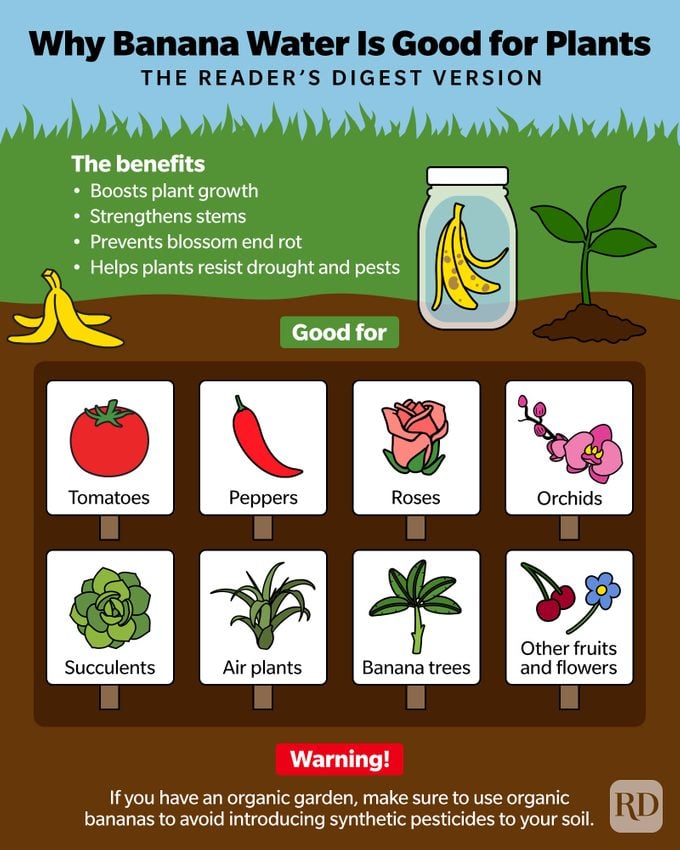
Banana peels are often overlooked as a valuable resource for gardening and plant care. They are rich in several essential nutrients that can significantly benefit various plants. The main nutrients found in banana peels include potassium, phosphorus, and calcium, making them an excellent addition to the soil for many types of plants.
See also:
1. Tomato Plants
Tomatoes thrive in nutrient-rich soil, and adding banana peels can enhance their growth and overall health. The potassium in banana peels is particularly beneficial for tomatoes as it promotes flower and fruit development.
- Fertilization: The nutrients from banana peels contribute to robust tomato plants.
- Pest Resistance: The enhanced health can lead to better resistance against pests.
- Flavor Enhancement: Plants fed with banana peels often yield sweeter fruits.
2. Rose Bushes
Roses are known for their beauty and fragrance, and banana peels can help these flowers flourish. The nutrients improve soil fertility, which leads to stronger and more vibrant blooms.
- Increased Blooming: The calcium helps in the growth of new flowers.
- Improved Color: Nutrients promote rich and vibrant colors in rose petals.
- Stronger Stems: Enhanced nutrient uptake results in sturdier stems.
3. Pepper Plants
Pepper plants, like tomatoes, benefit from the potassium and phosphorus in banana peels. These nutrients support healthy plant development and can result in higher yields.
- Enhanced Growth: Nutrients contributed by banana peels encourage faster growth rates.
- Increased Yield: Peppers tend to produce more fruit with the added nutrition.
- Flavor Improvement: Nutrient enrichment often leads to enhanced flavor in peppers.
4. Flowering Plants
Many flowering plants appreciate the nutrients from banana peels, leading to more vibrant and healthy blossoms. Flowers like daisies and sunflowers particularly enjoy the extra nutrients provided.
- Vibrant Blooms: Nutrients support brighter and more colorful flowers.
- Extended Blooming Period: Enhanced fertility can prolong the flowering season.
- Attractive Appearance: Healthy plants are visually more appealing.
5. Houseplants
Houseplants can also benefit significantly from banana peels, as they typically require regular fertilization. The natural nutrients help sustain indoor plants, contributing to their overall health.
- Soil Enrichment: Banana peels improve the nutritional profile of potting soil.
- Reduced Fertilizer Dependency: They can lessen the need for synthetic fertilizers.
- Better Growth: Houseplants tend to grow stronger and more vigorously with added nutrients.
Questions from Our Readers
Do tomatoes benefit from banana peel water?
Yes, tomatoes can benefit from banana peel water because it contains essential nutrients like potassium and phosphorus, which promote healthy growth and fruit development. Using banana peel water as a natural fertilizer can enhance the overall health of tomato plants.
How do you make banana peel water for tomatoes?
To make banana peel water for tomatoes, simply soak banana peels in a container filled with water for about 24 to 48 hours. After that, strain the liquid and it is ready to be used as a nutrient-rich water for your tomato plants.
How often should you water tomatoes with banana peel water?
It's recommended to water your tomatoes with banana peel water once every two weeks as a supplement to your regular watering routine. This allows the plants to absorb the nutrients without overwhelming them.
See also:
Can banana peel water harm tomato plants?
No, banana peel water is generally safe for tomato plants. However, it's important to avoid over-fertilizing, as excessive nutrients can lead to nutrient imbalances. Using banana peel water in moderation is key to benefiting your tomatoes.

If you want to read more articles like Do Tomatoes Like Banana Peel Water? Discover the Benefits for Your Garden, we recommend you check out our Tomatoes category.
Leave a Reply
Related Articles