Ultimate Guide: Should I Put Eggshells in My Garden? Benefits and Tips You Need to Know

When it comes to enhancing your garden's health and productivity, the use of natural amendments is always a hot topic. One often-overlooked ingredient is eggshells, a common kitchen waste that can offer a myriad of benefits when added to your soil. This ultimate guide explores whether you should put eggshells in your garden, highlighting their advantages as a nutrient source, their role in pest control, and practical tips for incorporating them effectively. Discover how a simple byproduct of your cooking can transform your gardening experience and boost the overall vitality of your plants.
Benefits of Adding Eggshells to Your Garden
Adding eggshells to your garden can provide numerous benefits, as they are rich in calcium and can help improve soil structure. The calcium in eggshells is essential for healthy plant growth, particularly for crops like tomatoes and peppers, which require significant amounts of this nutrient to avoid issues like blossom end rot. When crushed and added to the soil, eggshells not only enhance its nutrient profile but also improve drainage and aeration, fostering a healthier root environment. Additionally, their slow decomposition process feeds beneficial microorganisms, promoting a balanced ecosystem in the soil.
Nutritional Value of Eggshells
Eggshells are primarily composed of calcium carbonate, contributing roughly 90% of their content. This makes them an excellent natural source of calcium for plants, which is crucial for their development and structural integrity. By incorporating eggshells into the garden, gardeners ensure that their plants receive a steady supply of this necessary nutrient, ultimately leading to healthier and more productive results.
Improving Soil Structure
Crushed eggshells can enhance the soil structure in your garden by improving drainage and preventing soil compaction. When mixed into the soil, they create small air pockets that allow oxygen to reach plant roots more efficiently. This improved aeration helps roots grow deeper and encourages water retention without causing soggy conditions that can lead to rot and disease.
Repelling Pests Naturally
Another advantage of using eggshells in the garden is their natural ability to deter pests. The sharp edges of crushed eggshells can create a barrier that many soft-bodied insects, such as snails and slugs, find difficult to cross. By sprinkling a ring of crushed shells around vulnerable plants, gardeners can create a protective layer without resorting to chemical pesticides, thereby promoting a healthier garden ecosystem.
Encouraging Microbial Activity
Adding eggshells to your soil can foster the growth of beneficial microorganisms. These microorganisms break down organic matter and improve nutrient availability for plants. When eggshells decompose, they contribute to the overall diversity of microbes, which help enhance soil fertility and contribute to a more vibrant ecosystem, ensuring plants can flourish.
How to Prepare Eggshells for the Garden
To effectively use eggshells in your garden, it is best to clean and dry them first. Rinse the shells to remove any remnants of egg whites or yolks, preventing potential odors or attracting pests. After drying, crush them into small pieces or grind them into a fine powder, which allows for easier integration into the soil. By taking these steps, gardeners can maximize the benefits of eggshells in their gardens.
| Benefit | Description |
|---|---|
| Calcium Source | Provides essential calcium for plant growth. |
| Soil Aeration | Improves drainage and prevents compaction. |
| Pest Deterrent | Creates barriers against soft-bodied insects. |
| Microbial Growth | Enhances beneficial microorganism activity in soil. |
| Soil Amendment | Contributes to the overall nutrient profile. |
Which plants don't like egg shells?

Eggshells are often used in gardening as a natural fertilizer, but some plants may not benefit from or may even be negatively impacted by their inclusion in the soil. Understanding which plants might not like eggshells can help gardeners make informed decisions about their use.
1. Plants Sensitive to Calcium
Certain plants have a sensitivity to increased levels of calcium, which is abundant in eggshells. Excessive calcium can lead to nutrient imbalances.
See also:
- Tomatoes: While tomatoes benefit from some calcium, too much can lead to blossom-end rot.
- Peppers: Similar to tomatoes, excessive calcium can disrupt their nutrient uptake.
- Blueberries: These plants thrive in acidic soil, and the addition of eggshells can raise the pH level, harming them.
2. Acid-Loving Plants
Certain plants prefer acidic environments, and the presence of calcium carbonate in eggshells can alter the soil pH.
- Rhododendrons: These plants prefer acidic soil and can suffer if the soil becomes too alkaline due to eggshells.
- Azaleas: Similar to rhododendrons, azaleas thrive in low pH conditions, making them susceptible to eggshell addition.
- Ferns: Many ferns prefer acidic conditions and may show signs of distress in alkaline soil.
3. Plants with Specific Soil Needs
Some plants thrive in specific soil conditions and excessive calcium can disrupt their growth.
- Carrots: Carrots prefer looser soil without too many additives that alter moisture levels, which eggshells can affect.
- Beets: Similar to carrots, beets may struggle if the soil structure is compromised by eggshell particles.
- Radishes: These quick-growing crops may be hindered by an increase in soil calcium, leading to poor root development.
4. Overly Moisture-Sensitive Plants
Eggshells can retain moisture in the soil, which can be problematic for plants that prefer well-drained soil.
- Succulents: These plants thrive in dry conditions, and the moisture retention from eggshells can lead to root rot.
- Cacti: Similar to succulents, excess moisture can be detrimental to the health of cacti.
- Lavender: Known for its preference for dry, well-drained soil, lavender can struggle with the moisture retention of eggshells.
5. Plants Prone to Fungal Issues
Using eggshells in the soil of plants that are sensitive to fungal infections may exacerbate the problem.
- Leafy Greens: Spinach and kale are prone to fungal diseases when excessive organic matter, like eggshells, is included in the soil.
- Basil: This herb can attract fungal issues if its soil is laden with excess organic debris.
- Peas: Peas can also show vulnerability to fungal diseases with the addition of eggshells in their planting mix.
What plants grow better with egg shells?
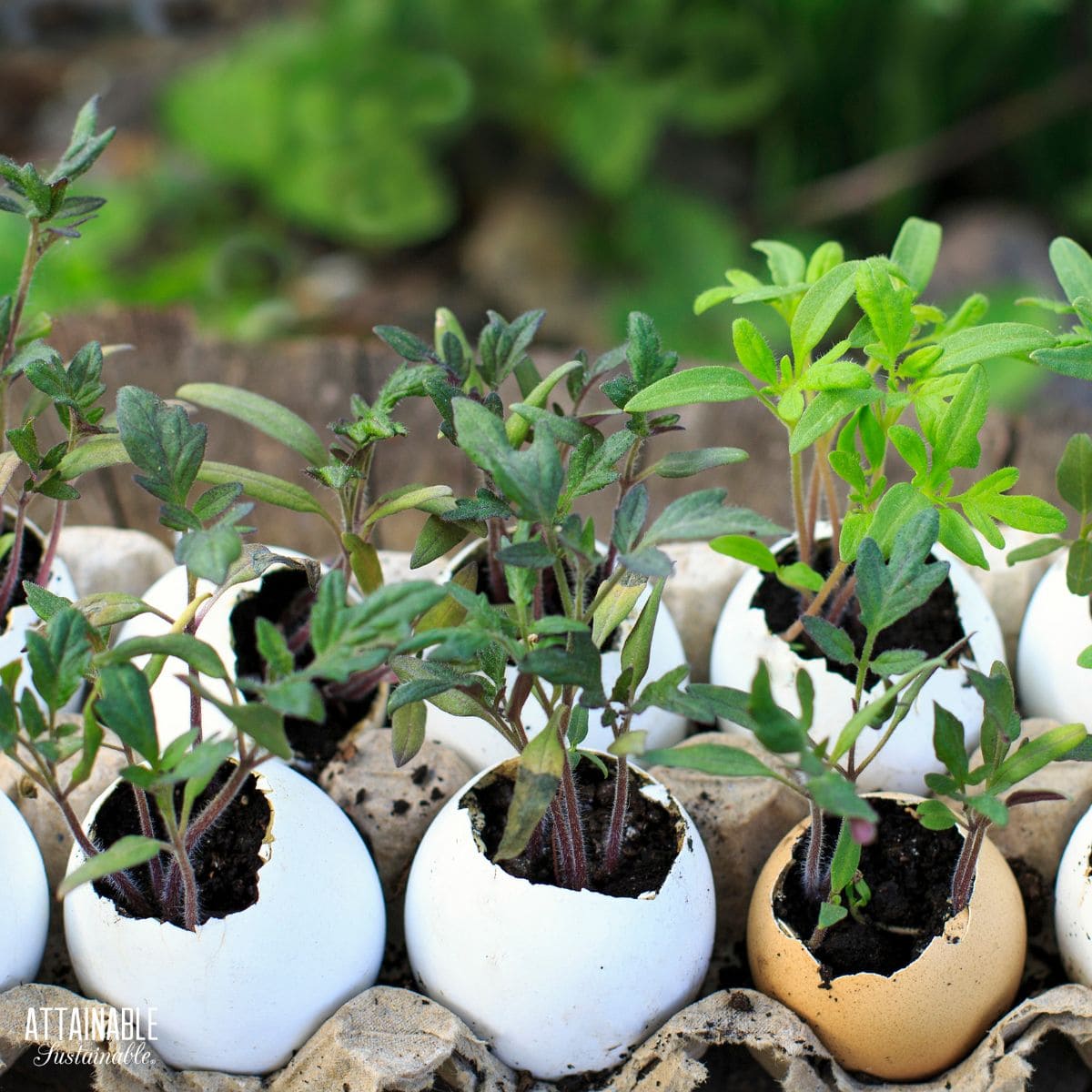
Egg shells are a fantastic organic material that can enhance the growth of various plants. They are primarily composed of calcium carbonate, which is essential for several plant processes. Here’s a detailed look at which plants benefit the most from using egg shells.
1. Tomatoes
Tomatoes thrive with the addition of egg shells due to their high calcium content. This essential nutrient helps prevent blossom end rot, a common issue in tomatoes caused by calcium deficiency. Using crushed egg shells ensures that the soil is enriched, providing better overall health for the tomato plant.
- Improve soil structure
- Prevent blossom end rot
- Increase yield
2. Peppers
Similar to tomatoes, peppers are another vegetable that benefits significantly from egg shells. The calcium provided helps strengthen cell walls and supports the healthy development of the fruit. By adding eggshells to the soil, gardeners can improve the vitality of the pepper plants.
- Promote stronger cell walls
- Encourage better fruit development
- Enhance flavor
3. Strawberries
Strawberries can also benefit from ground egg shells, as they require adequate calcium for healthy growth. The addition of eggshells helps improve the soil's pH balance, ensuring that these berries thrive without the risk of disease or poor fruit quality.
- Maintain optimal soil pH
- Support disease resistance
- Boost fruit quality
4. Eggplant
Eggplant is another vegetable that enjoys the presence of eggshells in the soil. The calcium helps combat various growth problems, making sure that eggplants develop properly and yield better harvests. Eggshells can also help improve drainage, which is crucial for eggplant health.
See also:
- Improve drainage
- Enhance nutrient absorption
- Increase overall plant strength
5. Cabbage
Cabbage plants thrive in calcium-rich environments. Incorporating crushed egg shells not only promotes better growth, but it also strengthens the plant against pests and diseases. The slow release of calcium ensures that the cabbage remains healthy throughout its growth cycle.
- Strengthen against pests
- Promote healthy leaf development
- Enhance disease resistance
Why hang a bag of egg shells in the garden?

Hanging a bag of egg shells in the garden serves multiple purposes, primarily related to gardening and pest control. Egg shells are a natural and sustainable resource that can enhance the health of the soil and deter certain pests. Here are several benefits and uses of hanging egg shells in the garden:
Natural Pest Deterrent
Hanging a bag of crushed egg shells can help deter pests like slugs and snails. The sharp edges of the broken shells create a barrier that is uncomfortable for these soft-bodied pests to crawl over.
- Sharp Edges: The rough texture makes it challenging for slugs and snails to cross.
- Barrier Protection: When scattered around plants or hung near them, egg shells can provide a protective zone.
- Non-Toxic: Unlike chemical pesticides, egg shells are safe for pets and wildlife.
Enhancing Soil Quality
Crushed egg shells are an excellent source of calcium, an essential nutrient for plants. Calcium helps in the growth of roots and strengthens plant cell walls.
- Nutrient-Rich: Egg shells provide not only calcium but also trace minerals.
- Slow Release: As egg shells decompose, they gradually release nutrients into the soil, benefiting plants over time.
- Soil Structure Improvement: The addition of organic matter encourages healthy soil structure and enhances aeration.
Reducing Waste
Hanging a bag of egg shells in the garden promotes recycling and waste reduction. Instead of discarding these organic materials, using them in the garden is an eco-friendly practice.
- Sustainable: Utilizing kitchen waste reduces the amount of garbage sent to landfills.
- Cost-Effective: Using egg shells eliminates the need for purchasing commercial fertilizers.
- Environmental Impact: This practice contributes to a more sustainable gardening approach and less environmental pollution.
Attracting Beneficial Insects
Egg shells can attract beneficial insects that can help with pollination and pest control. Many beneficial insects are drawn to the nutrients released from decomposing organic materials.
- Pollinators: Bees and butterflies may be encouraged to visit the garden, aiding in the pollination of plants.
- Natural Predators: Beneficial insects like ladybugs may also be attracted, which can help manage pest populations.
- Biodiversity: Increasing the variety of insects in the garden promotes overall biodiversity and ecosystem health.
Encouraging Seed Germination
Using egg shells as seedling pots or to encase seeds can provide a nurturing environment for germination. The calcium in egg shells helps to support young plants as they develop.
- Seedling Protection: Egg shells can provide a natural habitat that shields seeds from harsh weather conditions.
- Nutrient Rich: As seedlings grow, the breaking down of shells supplies them with much-needed nutrients.
- Environmentally Friendly: This method reduces the need for plastic pots, making it a green alternative for seed starting.
Questions from Our Readers
Should I put eggshells in my garden?
Yes, you should put eggshells in your garden as they are a great source of calcium for your soil. When crushed, they can help prevent blossom end rot in plants like tomatoes and peppers, which is caused by calcium deficiency. Additionally, eggshells can also act as a natural pest repellent, deterring slugs and snails from your plants.
How should I prepare eggshells for my garden?
To prepare eggshells for your garden, you should first rinse them out to remove any egg residue that might attract pests. After rinsing, allow them to dry completely, and then crush them into small pieces or grind them into a fine powder. This will make it easier for plants to absorb the nutrients they provide and help improve soil texture.
See also:
Can eggshells affect soil pH?
Yes, eggshells can affect the pH of your soil, making it more alkaline. Since they are primarily composed of calcium carbonate, they can help balance out overly acidic soils. However, it's important to monitor your soil pH, as adding too many eggshells could make it too alkaline for certain plants that prefer acidic conditions.
Are there any plants that particularly benefit from eggshells?
Several plants can particularly benefit from eggshells, especially those that are prone to calcium deficiency, such as tomatoes, peppers, and eggplants. Additionally, cabbage and other brassicas can also benefit because they require adequate calcium for strong cell walls. Incorporating crushed eggshells into the soil can help support their growth and overall health.

If you want to read more articles like Ultimate Guide: Should I Put Eggshells in My Garden? Benefits and Tips You Need to Know, we recommend you check out our Garden category.
Leave a Reply
Related Articles