What Summer Shrub Has the Longest Blooms? Discover the Best Choices for Your Garden
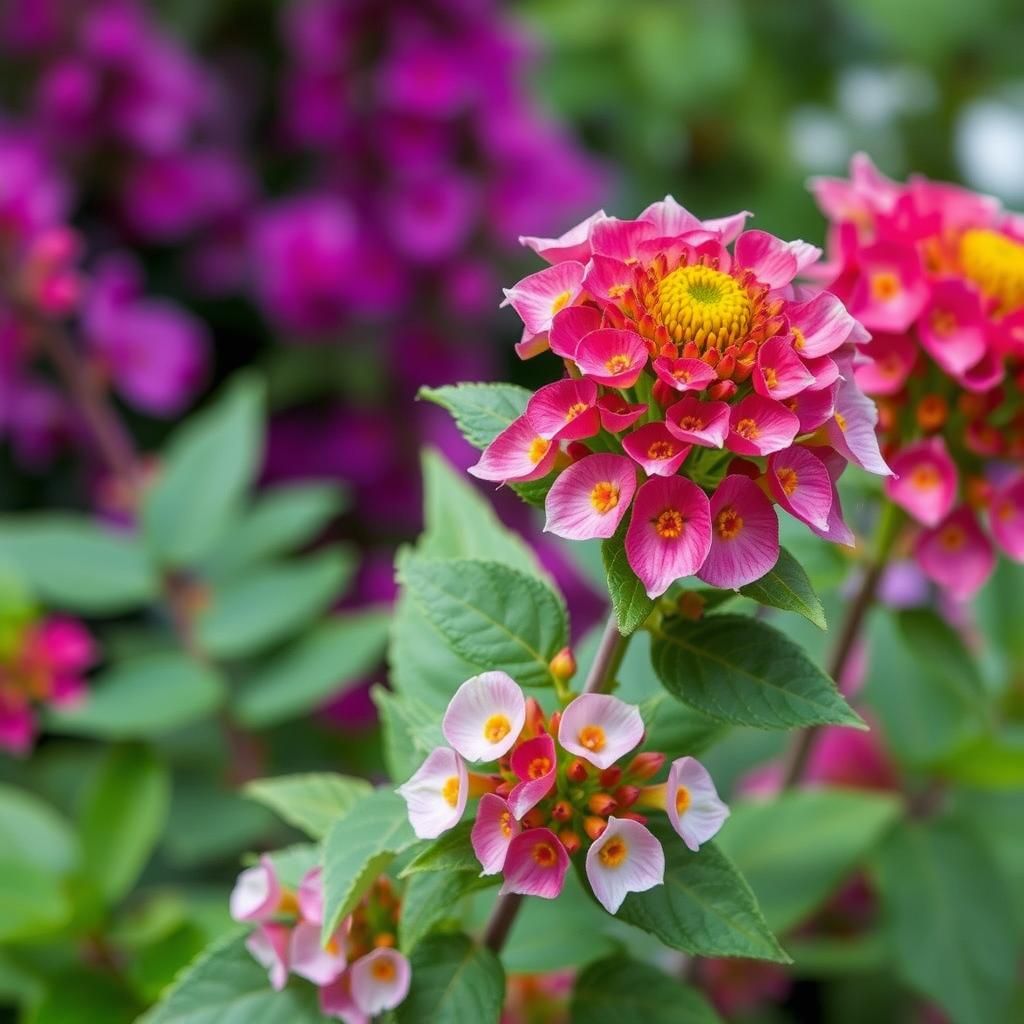
Summer blooms bring vibrant colors and life to any garden, making it essential to choose the right shrubs that not only thrive in warm weather but also offer prolonged flowering periods. In this article, we will explore various summer shrubs known for their stunningly long blooms, allowing you to enjoy a continuous display of beauty throughout the season. From hardy perennials to fragrant favorites, we’ll highlight the best choices for your garden, ensuring that your outdoor space remains captivating all summer long. Discover the ideal shrubs that blend aesthetics with resilience, creating a lush paradise during the sunniest months.
What Summer Shrub Has the Longest Blooms?
The summer shrub known for having the longest blooming period is the Rose of Sharon (Hibiscus syriacus), which is celebrated for its resilience and impressive flowering capabilities. This deciduous shrub typically blooms from mid-summer to early fall, producing large, colorful flowers in hues of white, pink, purple, and blue, which can last for several months. Its adaptability to various soil types and ability to thrive in full sun or partial shade make it a popular choice for gardeners seeking to add vibrant color to their landscapes. The Rose of Sharon is not only known for its long bloom time but also for attracting pollinators such as bees and butterflies, enhancing the ecological value of gardens where it is planted.
Characteristics of Rose of Sharon
The Rose of Sharon is a hardy shrub that can grow up to 10 feet tall and 4 to 10 feet wide, depending on the variety. Its leaves are oval-shaped and dark green, providing a lush backdrop for the eye-catching flowers. These blooms can be up to 3 inches in diameter and come in a range of colors, which attract various species of wildlife. The shrub also features a prominent central tuft of stamens, adding to its aesthetic appeal. Its ability to tolerate drought once established further enhances its suitability for gardens across different climate zones.
Care and Maintenance
Caring for the Rose of Sharon requires minimal effort, making it a low-maintenance choice for gardeners. It thrives in moderately fertile, well-drained soil and prefers full sun to partial shade. Regular watering is essential during the initial establishment phase, after which it becomes drought-tolerant. Pruning in late winter or early spring is recommended to maintain shape and encourage healthy growth. Additionally, deadheading spent flowers can promote further blooming and enhance the overall appearance of the shrub.
Companion Plants
When selecting companion plants for the Rose of Sharon, it is beneficial to choose those that have similar light and water needs. Some popular companions include Lavender, which complements the shrub’s vibrant coloration with its aromatic purple blooms, and Daylilies, which provide a continuous display of color throughout the summer. Other suitable options are Catmint and Spiraea, which can enhance the overall landscape design while attracting beneficial insects. These combinations create a visually appealing and ecologically balanced garden environment.
Pests and Diseases
Despite its robust nature, the Rose of Sharon can be susceptible to certain pests and diseases, such as the Japanese beetle and leaf spots. Regular monitoring for signs of infestation and disease can help in early detection and management. Applying insecticidal soap or neem oil can effectively control pests, while proper spacing and air circulation around the shrub can prevent diseases caused by excessive moisture. Keeping the area clean of fallen leaves and debris can also reduce the risk of fungal issues.
Propagation of Rose of Sharon
Propagation of the Rose of Sharon can be accomplished through various methods, including seed sowing, cuttings, and layering. Seed propagation is straightforward but may require stratification for successful germination. Taking semi-hardwood cuttings in the summer and rooting them in a moist medium is another effective method, often resulting in quicker establishment of new plants. Layering is an easy technique where a low-growing branch is bent to the ground and covered with soil, allowing it to develop roots while still attached to the parent shrub.
| Characteristic | Description |
|---|---|
| Bloom Time | Mid-summer to early fall |
| Height | Up to 10 feet |
| Flower Colors | White, pink, purple, blue |
| Soil Requirements | Well-drained, moderately fertile |
| Drought Tolerance | High, once established |
What is the longest blooming shrub?
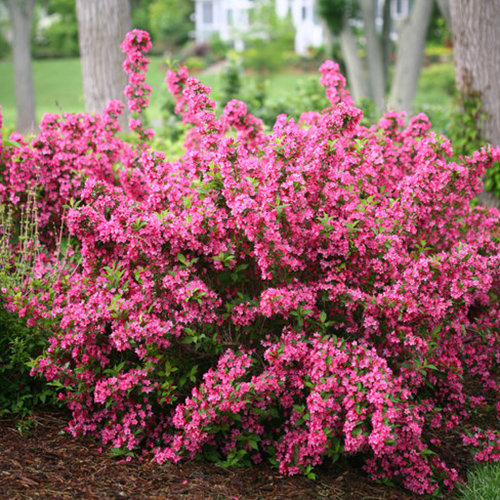
The longest blooming shrub is generally considered to be the Crown of the Thorn (Euphorbia milii). This shrub is notable for its ability to produce flowers almost year-round in suitable climates, particularly in tropical and subtropical regions. Its adaptability and prolific blooming make it a popular choice among gardeners and landscape designers.
Characteristics of Crown of the Thorn
The Crown of the Thorn is known for its unique features:
- Thorns: This shrub is covered in distinctive thorns, which protect it from herbivores.
- Flowers: The flowers, which can vary in color from red to yellow, are small but numerous, creating a vibrant display.
- Growth Habit: It typically grows to about 3 to 5 feet tall and can be maintained in a compact shape.
Care Requirements for Longevity
To ensure the Crown of the Thorn thrives and blooms for an extended period, specific care is needed:
- Sunlight: It requires full sun to partial shade, thriving best in well-drained soil.
- Watering: Moderate watering is essential—overwatering can lead to root rot.
- Temperature: This shrub prefers warm temperatures and does not handle frost well.
Other Long-Blooming Shrubs
While the Crown of the Thorn is a standout, there are other shrubs that bloom for extended periods:
- Abelia: Known for its fragrant flowers, it blooms from spring to fall.
- Hibiscus: Produces large flowers throughout the summer months.
- Gardenia: Offers fragrant blooms and can flower from spring to fall in warmer climates.
Ideal Growing Conditions
Understanding the ideal conditions for growing a Crown of the Thorn can enhance its blooming potential:
See also:
- Soil Type: A sandy or rocky substrate is preferable for optimal drainage.
- Humidity: Moderate humidity levels are ideal, as excessive moisture can hinder growth.
- Fertilization: Light fertilization in the growing season can promote healthy growth and blooming.
Uses in Landscaping
The Crown of the Thorn is versatile in landscaping thanks to its long blooming period:
- Centerpiece: Its unique appearance makes it a fantastic focal point in gardens.
- Border Planting: It can be used effectively in borders or as hedging.
- Container Planting: Ideal for pots, allowing it to be a mobile decorative option.
Is there a shrub that blooms all summer?
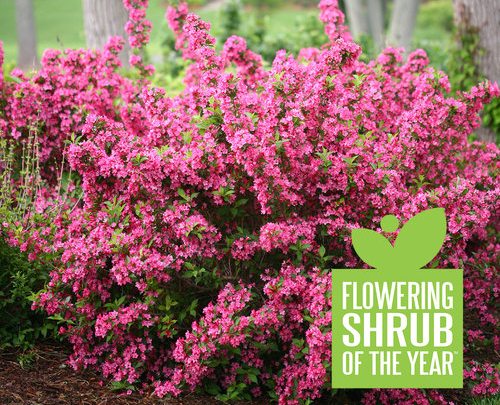
Yes, there are several shrubs that bloom all summer. These shrubs are particularly sought after by gardeners who want to maintain vibrant colors and flowers in their landscapes throughout the warm months. Below are a few notable examples, each with their own unique features and care requirements.
Popular Summer-Blooming Shrubs
Many shrubs are known for their long blooming periods. Some of the most popular include:
- Hydrangea: Many varieties of hydrangeas continue blooming from late spring into fall.
- Butterfly Bush (Buddleja): This shrub attracts pollinators and can bloom from mid-summer to frost.
- Spirea: Certain species, like Spiraea japonica, offer blooms from spring until autumn.
Care Tips for Summer-Blooming Shrubs
To keep these shrubs blooming profusely throughout the summer, appropriate care is essential. Consider these tips:
- Watering: Ensure consistent moisture but avoid waterlogging, especially during dry spells.
- Fertilization: Use a balanced fertilizer to promote healthy growth and abundant blooms.
- Pruning: Regularly deadhead spent flowers and trim overgrown branches to encourage new growth.
Benefits of Planting Summer-Blooming Shrubs
Incorporating summer-blooming shrubs into your garden design can provide a multitude of benefits:
- Visual Interest: These shrubs add color and texture, enriching the garden's overall aesthetic.
- Wildlife Support: Many summer-bloomers attract butterflies, bees, and other beneficial insects.
- Privacy and Structure: Larger shrubs can act as natural screens, enhancing privacy in your garden.
Choosing the Right Shrub for Your Area
When selecting a summer-blooming shrub, consider the climate and soil conditions of your area:
- Climate Zone: Check the USDA Plant Hardiness Zone for compatible species.
- Soil Type: Amend soil as necessary to ensure proper drainage and nutrient content.
- Sunlight Requirements: Ensure that the chosen shrub can thrive in the sunlight available in your garden.
Common Pests and Diseases
Like any plant, summer-blooming shrubs can be susceptible to various pests and diseases. Awareness of these issues is crucial:
- Aphids: These small insects can damage tender new growth and may require insecticidal soap treatment.
- Powdery Mildew: This fungal disease can affect many shrubs; ensuring good air circulation helps prevent it.
- Leaf Spot: Keep leaves dry and prune affected areas to reduce the spread of this fungal issue.
What summer bedding plants flower the longest?

One of the essential aspects for gardeners and landscaping enthusiasts is choosing plants that not only flourish during the summer but also maintain their flowering stages for prolonged periods. Several bedding plants are known for their long flowering seasons, providing color and vibrancy throughout the warmer months. Here are some top choices that are celebrated for their long-lasting blooms:
1. Petunia:
Petunias are among the most popular summer bedding plants due to their continuous flowering from spring until frost. They come in various colors and forms, including trailing and upright varieties.
- They require full sun and well-drained soil.
- Regular deadheading encourages more blooms.
- Different varieties have varying growth habits and color patterns.
2. Geranium (Pelargonium):
Geraniums are renowned for their ability to produce flowers all summer long. These plants thrive in sunny conditions and can withstand a range of weather conditions, making them ideal for garden beds and containers.
- They need minimal maintenance aside from deadheading.
- Available in numerous colors, they offer versatility for landscape design.
- They are drought-tolerant once established.
3. Begonia:
Begonias are valued for their tropical appearance and extended blooming period. They can be planted in shaded or partially shaded areas, making them versatile for various garden settings.

- They prefer moist, well-drained soil for optimal growth.
- Flowering can continue from late spring until the first frost.
- They come in various sizes and flower types, providing many design options.
4. Calibrachoa (Million Bells):
Calibrachoa is recognized for its small, petunia-like flowers and exceptional flowering period. They are perfect for hanging baskets and containers due to their trailing growth habit.
- They thrive in full sun and dry conditions.
- These plants produce blooms continuously if regularly watered and fed.
- Available in a wide range of colors, creating vibrant displays.
5. Lantana:
Lantana is a heat-tolerant, perennial plant that blooms profusely throughout the summer. It’s known for attracting butterflies and has a long blooming season under the right conditions.
- They require full sun and well-drained soil for best performance.
- They are typically drought resistant, making them low maintenance.
- They produce clusters of colorful blooms, adding interest to gardens.
Which plant blooms all summer?
:strip_icc()/butterfly-blue-pincushion-flower-46da3f9c-9e533a05d050410d8a87de6049cf6839.jpg)
The plant that is famously known for blooming all summer is the Geranium. These vibrant flowers thrive in warm weather, continuously producing blossoms from spring until late autumn. Geraniums are beloved for their colorful displays and their ability to adapt to a variety of conditions in both garden beds and containers. They are particularly valued for their resilience and ease of care.
Characteristics of Geraniums
Geraniums possess several distinctive features that make them a popular choice among gardeners:
- Color Variety: Geraniums come in various colors, including shades of pink, red, white, and purple.
- Leaf Structure: They have beautifully lobed leaves that provide an attractive backdrop to their blooms.
- Growth Habit: These plants can grow upright or trailing, making them suitable for different landscaping needs.
Growing Conditions
To ensure that geraniums bloom all summer, specific growing conditions are essential:
- Sunlight: Geraniums thrive in full sunlight, needing at least 6 hours of direct sun each day.
- Soil Type: Well-draining soil is crucial, as geraniums do not tolerate waterlogged roots.
- Watering: Regular watering is necessary, but overwatering should be avoided to prevent root rot.
Care Tips for Continuous Blooming
To keep geraniums producing flowers throughout the summer, proper care should be taken:
- Deadheading: Regularly remove spent blooms to encourage new flower growth.
- Fertilization: Use a balanced fertilizer every few weeks to provide essential nutrients.
- Pest Management: Monitor for pests such as aphids and take action quickly to maintain plant health.
Common Varieties of Geraniums
There are numerous varieties of geraniums, each with unique characteristics:
- Zonal Geraniums: Known for their circular leaf zones, they are among the most popular garden choices.
- Ivyleaf Geraniums: Their trailing growth makes them excellent for baskets and containers.
- Marble Geraniums: These have unique variegated leaves that enhance their visual appeal.
Uses in Landscaping
Geraniums are versatile plants that serve multiple purposes in landscaping:
- Annual Flower Beds: They add vibrant colors to annual flower beds.
- Container Planting: Ideal for patios and balconies, providing continuous summer blooms.
- Border Planting: Geraniums can be used effectively as a low-maintenance border around garden paths.
Questions from Our Readers
What summer shrub has the longest blooms?
The summer shrub known for having the longest blooms is the Rose of Sharon (Hibiscus syriacus). This hardy shrub can bloom from late spring through fall, providing vibrant flowers in various colors and attracting pollinators like bees and butterflies.
How long do the blooms of the Rose of Sharon last?
The blooms of the Rose of Sharon typically last for several months, generally starting in June and continuing until the first frost. Each individual flower blooms for about one day, but the shrub produces numerous buds throughout the blooming season.
Are there other shrubs with long blooming seasons?
Yes, in addition to the Rose of Sharon, other shrubs like Butterfly Bush (Buddleja) and Hydrangea varieties can also offer extended blooming periods. Both of these shrubs are known for their prolonged floral displays and can enhance any summer garden.
What care do summer bloomers like Rose of Sharon need?
To ensure that your Rose of Sharon thrives, it requires full sun and well-drained soil. Regular watering during dry spells, along with occasional pruning to maintain shape, will promote healthier growth and more abundant blooms throughout the summer.
See also:

If you want to read more articles like What Summer Shrub Has the Longest Blooms? Discover the Best Choices for Your Garden, we recommend you check out our Garden category.
Leave a Reply
Related Articles