What Time of Year to Propagate Cuttings? Expert Tips for Successful Plant Growth
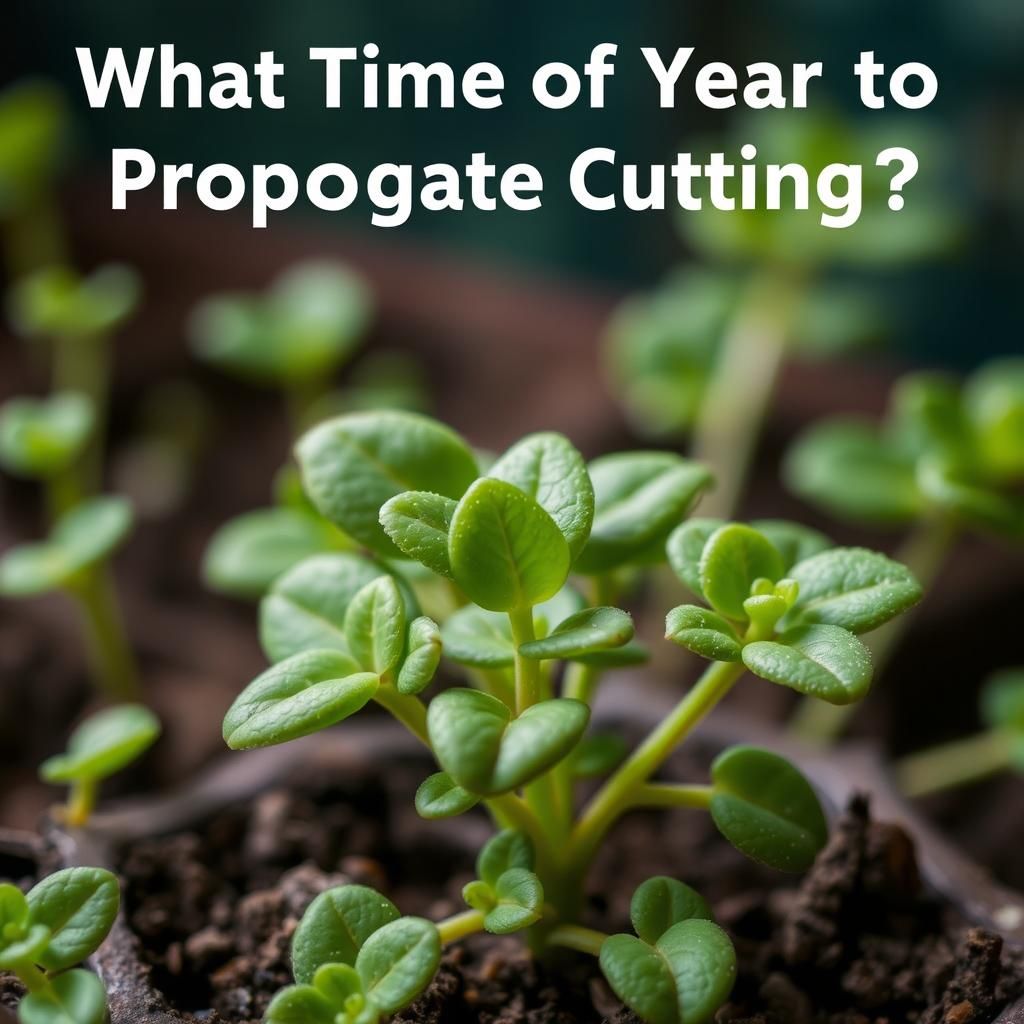
When it comes to propagating cuttings, timing can make all the difference between success and failure. Understanding the optimal time of year to take cuttings is essential for promoting robust root development and vibrant growth. Each plant species has its own ideal season for propagation, influenced by factors such as temperature and light availability. In this article, we will explore expert tips on the best times to propagate cuttings, the conditions required for successful rooting, and how to care for your new plants as they transition from cuttings to thriving specimens in your garden or home.
When is the Best Time to Propagate Cuttings?
The ideal time to propagate cuttings varies depending on the type of plant, but generally, the best seasons for propagation are spring and early summer. During this period, plants are actively growing, which enhances the likelihood of successful root development. The warmer temperatures and increased sunlight stimulate growth hormones, making it easier for cuttings to establish roots. Additionally, by propagating in these optimal seasons, you can take advantage of the plentiful moisture and nutrients that are usually available in the soil, leading to healthier plant development.
Spring: The Perfect Season for Propagation
Spring marks the beginning of the growing season, making it an excellent time for propagating cuttings. As temperatures rise, plants emerge from dormancy, initiating active growth. This is when plants have a surplus of energy to support new shoots and roots. Taking cuttings during this time allows for the best chance of success, as the cuttings can quickly adapt to their new environment, increasing the likelihood of robust root formation.
Summer Propagation: Guidelines and Challenges
Early summer is also a favorable time for propagating cuttings, especially for fast-growing plants. The extended daylight hours and warm temperatures promote rapid growth. However, caution should be exercised as the heat can stress some species. To mitigate this, it's important to ensure that the cuttings are kept well-hydrated and receive indirect sunlight initially. Some plants, particularly tropical varieties, may thrive during this season, providing an excellent opportunity to expand your garden.
Autumn: A Mixed Opportunity
Autumn can be a more challenging season for propagation, as many plants begin to prepare for dormancy. While some deciduous plants can still be propagated, success rates may decrease. The cooler temperatures and decreasing light levels slow down growth, making it harder for cuttings to establish roots. If attempting to propagate in the fall, it is advisable to focus on species known to root well during this time and provide necessary warmth and humidity to encourage growth.
Winter: Dormancy and Its Effects
Winter is generally regarded as the least favorable time for propagation due to the dormancy of most plants. During this season, many species conserve energy and cease to grow, which significantly reduces the likelihood of successful root formation from cuttings. However, certain hardy perennials can still be propagated if kept in controlled conditions, ensuring they receive warmth and light to stimulate root development. Using artificial lights or heating mats can help create a more suitable environment during this time.
Factors to Consider for Successful Propagation Timing
When determining the best time for propagation, it is crucial to consider several influencing factors, including plant species, climate, and environmental conditions. Some plants thrive in specific seasons while others are more adaptable. Understanding the growth habits of your particular plants will help guide your efforts. Additionally, monitoring the weather and soil moisture levels can further enhance your success rates, ensuring that cuttings are propagated when conditions are most favorable.
| Season | Ideal for | Challenges |
|---|---|---|
| Spring | Most plants, especially woody shrubs and perennials | None, excellent propagation time |
| Summer | Tropical plants and fast-growing species | Heat stress, requires careful management |
| Autumn | Some deciduous plants | Slowing growth, less successful rates |
| Winter | Hardy perennials | Most plants dormant, requiring controlled conditions |
What month is best to take cuttings?

The best month to take cuttings largely depends on the type of plant and the climate of the region. Generally, early spring is considered the optimal time for most plants, as this is when they are coming out of dormancy and beginning to grow actively. Some plants may also be suitable for taking cuttings in late summer or early fall when they have finished their summer growth. The key factors influencing the timing include the plant species, temperature, and moisture levels.
Understanding Plant Dormancy
Understanding the underlying concept of plant dormancy is crucial when determining the best time for taking cuttings. During dormancy, plants conserve energy and minimize growth, making it difficult for cuttings to root successfully. Once plants emerge from this state, they enter a phase of active growth, which supports the rooting process.
- Identify periods of dormancy for specific plants.
- Know when your plants begin to show new growth.
- Track seasonal changes in temperature and light availability.
Optimal Conditions for Rooting
The conditions under which cuttings are taken greatly influence their chance of success. Optimal conditions include moderate temperatures, sufficient humidity, and adequate light. Early spring often provides these ideal conditions, fostering quicker and stronger root development.
- Cool morning temperatures are ideal for taking cuttings.
- A humid environment promotes successful rooting.
- Indirect sunlight supports leaf health without stressing cuttings.
Different Types of Cuttings
There are several types of cuttings, including tip cuttings, stem cuttings, and leaf cuttings. Each type may have a preferred time for propagation. For example, tip cuttings from woody plants are typically taken in spring, while herbaceous plants may do well with cuttings taken in summer.
- Tip cuttings are often taken when new growth is visible.
- Leaf cuttings are usually successful in warmer months.
- Try stem cuttings throughout the growing season, but spring is ideal.
Specific Plant Examples
Different plants have their unique requirements. For instance, succulents thrive when cut late in the growing season, while woody shrubs are often best propagated in early spring. Understanding specific plant preferences is crucial for successful cuttings.
See also:
- Succulents: Best taken in late summer.
- Herbaceous plants: Optimal for spring.
- Woody shrubs: Prefer spring for better rooting success.
Climate Considerations
The local climate can heavily influence the best month for taking cuttings. In warmer climates, the growing season may start earlier, whereas in colder regions, it may be delayed. Recognizing how local conditions impact plant growth can aid in timing your cuttings appropriately.
- Warm climates may allow for cuttings as early as late winter.
- Cool climates typically favor spring cuttings.
- Adjust timing based on frost dates and seasonal weather changes.
What season do you take cuttings?

When it comes to taking cuttings from plants, the optimal season largely depends on the type of plant being propagated. However, most experts agree that the best time for taking cuttings is during the spring or early summer. This is when plants are actively growing, allowing cuttings to root more effectively due to the favorable environmental conditions.
Why Choose Spring for Taking Cuttings?
Taking cuttings in spring aligns with the plant's natural growth cycle. During this period:
- Plants are filled with new growth, which enhances the ability of cuttings to establish roots.
- The temperatures are typically warmer, providing an ideal environment for rooting.
- Increased daylight hours stimulate growth hormones in plants, promoting faster root development.
Advantages of Early Summer Cuttings
Early summer is also a favorable time for cuttings, especially for certain species. The benefits include:
- Plants are still in a robust growth phase, which continues to support effective rooting.
- Juicy and succulent plant parts are often available, which can make for more viable cuttings.
- Favorable weather conditions help reduce stress on cuttings, leading to higher survival rates.
Types of Cuttings and Their Ideal Seasons
Different types of cuttings may require specific seasonal timing. Here’s a breakdown:
- Softwood Cuttings: Best taken in late spring or early summer when new growth is tender.
- Hardwood Cuttings: Typically taken in late fall or winter when the plant is dormant.
- Semi-Hardwood Cuttings: Can be taken in summer when growth is mature but not fully woody.
Environmental Conditions for Successful Rooting
Regardless of the season, certain environmental conditions can significantly affect the success of cuttings. Important factors include:
- Humidity: Higher humidity levels can create an ideal setting for cuttings to establish roots without losing moisture.
- Temperature: Maintaining a warm temperature range promotes faster growth and rooting.
- Light: Providing indirect sunlight can help cuttings photosynthesize without the risk of overheating.
Common Mistakes When Taking Cuttings
The process of taking cuttings can be straightforward, but there are common pitfalls that can hinder success:
- Using Too Old or Too Young Growth: Old wood may not root well, while very young wood may struggle to take hold.
- Neglecting to Treat with Rooting Hormone: Skipping this step can reduce the chances of successful rooting.
- Improper Potting Medium: Using the wrong growing medium can lead to rot or insufficient aeration for the cuttings.
Why is it illegal to propagate plants?

The illegality of propagating plants can vary based on jurisdiction, species, and the intentions behind propagation. Several factors contribute to the legal restrictions placed on the propagation of certain plants, primarily focusing on conservation, intellectual property rights, and ecological impacts.
Legal Protection of Endangered Species
The propagation of certain plant species is illegal primarily due to their classification as endangered or threatened under various national and international laws. These plants are often protected to ensure their survival and to maintain biodiversity. The reasons for these restrictions include:
- Conservation Efforts: Protecting endangered species to prevent extinction.
- Habitat Preservation: Ensuring that the natural habitats are not disrupted.
- Legal Frameworks: Adhering to laws such as the Endangered Species Act in the United States.
Intellectual Property Rights
Plant varieties can be protected under intellectual property laws, such as patents and plant breeders' rights. Unauthorized propagation of these plants can infringe upon the rights of the creators or holders of these patents. The implications include:
- Economic Interests: Protecting the investment made by breeders in developing new varieties.
- Market Control: Preventing unauthorized sales and distribution of patented plants.
- Legal Ramifications: Facing potential lawsuits for violation of intellectual property laws.
Invasive Species Control
Some plants can become invasive, causing ecological harm when they are propagated without control. Legislation restricts the propagation of invasive species to protect native ecosystems. This is crucial because:
See also:
- Ecological Balance: Invasive species can outcompete natives for resources.
- Biodiversity Threat: They can lead to reduced species diversity in an area.
- Economic Impact: Controlling invasive species often costs significant public resources.
Agricultural Regulations
In agricultural contexts, propagation can be subject to regulations aimed at controlling disease and pests. This is important for maintaining plant health and includes aspects like:
- Disease Prevention: Preventing the spread of plant diseases through controlled propagation.
- Biosecurity Measures: Implementing regulations to secure local agriculture against pests.
- Quality Assurance: Ensuring that propagated plants meet specific health and quality standards.
Ethical Considerations
The ethical considerations surrounding plant propagation also play a critical role in legally restricting this practice. Issues related to sustainability and the responsibility of human actions contribute to these regulations. Key aspects include:
- Sustainable Practices: Encouraging responsible cultivation and conservation techniques.
- Respect for Nature: Understanding the ecological impact of unregulated propagation.
- Cultural Significance: Acknowledging the importance of certain plants in local cultures and traditions.
What time of year should I propagate plants?

The best time of year to propagate plants largely depends on the type of plant you are working with, but generally, spring and early summer are considered the most favorable seasons. During these periods, the environmental conditions are ideal for plant growth, including factors such as temperature, humidity, and light levels. Many plants are in their active growth phase during this time, which increases the chances of successful propagation.
Best Season for Plant Propagation
In general, spring is the optimal season for propagation. This is due to the following reasons:
- Temperature: Warmer temperatures stimulate root development.
- Longer Days: Increased daylight supports photosynthesis, benefiting young plants.
- Soil Conditions: Soil is usually moist and warm, creating a suitable environment for cuttings or seeds.
Propagation Techniques and Their Timing
Different techniques, such as cuttings, layering, and division, have specific timing needs:
- Cuttings: Softwood cuttings are ideally taken in late spring to early summer, while hardwood cuttings are best propagated during the dormancy of late fall to winter.
- Layering: This method is most successful in spring when plants are actively growing.
- Division: Fall is often recommended for perennial plants, allowing them to establish roots before winter.
Climate Considerations for Propagation
The local climate plays a significant role in determining the best time for propagation:
- Humidity Levels: High humidity in spring can help maintain moisture in cuttings.
- Frost Dates: Be mindful of your region's last and first frost dates, as this can affect your timing.
- Seasonal Variations: In warmer climates, propagation can occur year-round, while colder areas may have limited windows.
Indoor vs. Outdoor Propagation
Where you choose to propagate your plants can also influence the timing:
- Indoor Propagation: Can be done year-round provided you have sufficient light and warmth.
- Outdoor Propagation: Typically best in spring or early summer, coinciding with favorable weather conditions.
- Controlled Environments: Greenhouses can extend the propagation season by mimicking optimal conditions.
Types of Plants and Their Specific Needs
Different plants have unique preferences for propagation:
- Succulents: Generally propagate better in spring or early summer when they are actively growing.
- Herbs: Most herbs can be propagated in early spring before they begin to flower.
- Woody Plants: These can often be propagated successfully during dormancy in late winter or fall.
Questions from Our Readers
What time of year is best for propagating cuttings?
The best time of year to propagate cuttings typically falls in spring or early summer when plants are actively growing. During this season, the conditions such as temperature and humidity are more favorable, which helps in establishing roots more effectively.
Can I propagate cuttings in the fall or winter?
While it is possible to propagate cuttings in the fall or winter, it is generally less successful due to the dormant state of most plants in these seasons. The colder temperatures and lower light conditions can inhibit root development, making spring the preferred season for propagation.
Are there specific types of plants that propagate better at certain times?
Yes, different types of plants have varying propagation success depending on the time of year. For instance, softwood cuttings from certain shrubs and perennials often do best in spring, while hardwood cuttings from deciduous trees can be successfully taken in late fall or winter when the plant is dormant.
What environmental conditions should I consider when propagating cuttings?
When propagating cuttings, consider factors such as light, temperature, and humidity. Ideally, place cuttings in a warm, well-lit location with indirect sunlight, and maintain higher humidity levels to encourage rooting and reduce the risk of desiccation.
See also:

If you want to read more articles like What Time of Year to Propagate Cuttings? Expert Tips for Successful Plant Growth, we recommend you check out our Plants category.
Leave a Reply
Related Articles