Should a Greenhouse Be in Full Sun? Exploring Optimal Conditions for Plant Growth

The placement of a greenhouse is a critical factor in maximizing plant growth and productivity. While many assume that a greenhouse should bask in full sun to optimize conditions for all plants, the reality is more nuanced. Different plants have varying light requirements, and factors such as temperature control, humidity levels, and shade can significantly impact their health and yield. This article explores the advantages and disadvantages of full sun exposure in greenhouses, aiming to provide gardeners with insights on how to create the best environment for their plants. Understanding these dynamics can lead to healthier plants and more fruitful harvests.
Should a Greenhouse Be in Full Sun?
A greenhouse should ideally be placed in a location that receives ample sunlight, as this promotes a warm and controlled environment for plants to thrive. While full sunlight is beneficial for many plants, it is crucial to consider the specific needs of the plants you intend to grow. An ideal greenhouse environment balances humidity, ventilation, and temperature management, which sometimes means that too much direct sunlight can cause overheating, especially in regions with high temperatures. Therefore, while a greenhouse should receive a substantial amount of light, supplemental shading or strategic placement may be necessary to protect delicate plants from excessive heat and to optimize growth.
Benefits of Full Sun for a Greenhouse
Utilizing full sunlight in a greenhouse can significantly enhance photosynthesis, which is essential for plant growth. When plants receive adequate exposure to sunlight, they can produce more energy, leading to faster growth and healthier development. Moreover, full sunlight can elevate the internal greenhouse temperature, allowing for extended growing seasons, particularly in cooler climates. This can be beneficial for seedlings and heat-loving plants that thrive in warm conditions, ultimately resulting in a more productive garden.
Potential Drawbacks of Full Sun Exposure
While full sun has its advantages, it also presents potential challenges. High temperatures from direct sunlight can lead to overheating, which may scorch or damage vulnerable plants. Additionally, excessive sunlight may increase the rate of evaporation, leading to drying soil and requiring more frequent watering. It can also create an environment conducive to certain pests and diseases that thrive in warm, dry conditions. Thus, careful monitoring of temperature and humidity levels within the greenhouse is essential for maintaining a healthy growing environment.
Shade Solutions for Greenhouses
To mitigate the adverse effects of full sunlight, various shading solutions can be implemented. Using shade cloths is one effective method, as they come in various densities and can reduce sunlight intensity while still allowing adequate light penetration for plant growth. Installing ventilation systems and fans can also help regulate internal temperatures. Additionally, strategically placing taller plants or using climbing structures can provide natural shade to smaller plants below. Ultimately, it’s important to consider the specific light requirements of all plants in your greenhouse when choosing an appropriate shading solution.
Impact of Geographic Location on Sunlight
The amount of sunlight a greenhouse receives is highly influenced by geographic location. Regions closer to the equator experience stronger and more direct sunlight throughout the year, while those at higher latitudes may have more variable light conditions, especially during winter months. This variability necessitates adjustments in greenhouse design and placement to optimize light exposure year-round. Understanding your local climate and the seasonal variations in sunlight will help inform decisions around the optimal location and necessary adaptations for your greenhouse.
Plant Selection Based on Sunlight Needs
When establishing a greenhouse, it is crucial to select plants that align with the available sunlight exposure. Some plants thrive in full and direct sun, while others prefer partial or filtered light. Understanding these preferences will enable you to create distinct zones within the greenhouse, allowing for diverse plant growth. For instance, herbs and many vegetables may flourish in abundant sunlight, whereas others like ferns might require more shade to prevent wilting or damage. Tailoring plant selection to match sunlight requirements ultimately promotes a more diverse and flourishing greenhouse environment.
| Factor | Effect |
|---|---|
| Sunlight Exposure | Enhances photosynthesis and growth. |
| Overheating | Can damage plants and require better ventilation. |
| Shading Solutions | Reduces direct sunlight while allowing for adequate light. |
| Geographic Location | Affects the intensity and duration of sunlight. |
| Plant Selection | Must match plants to their sunlight needs for optimal growth. |
Should a greenhouse be in full sun all day?
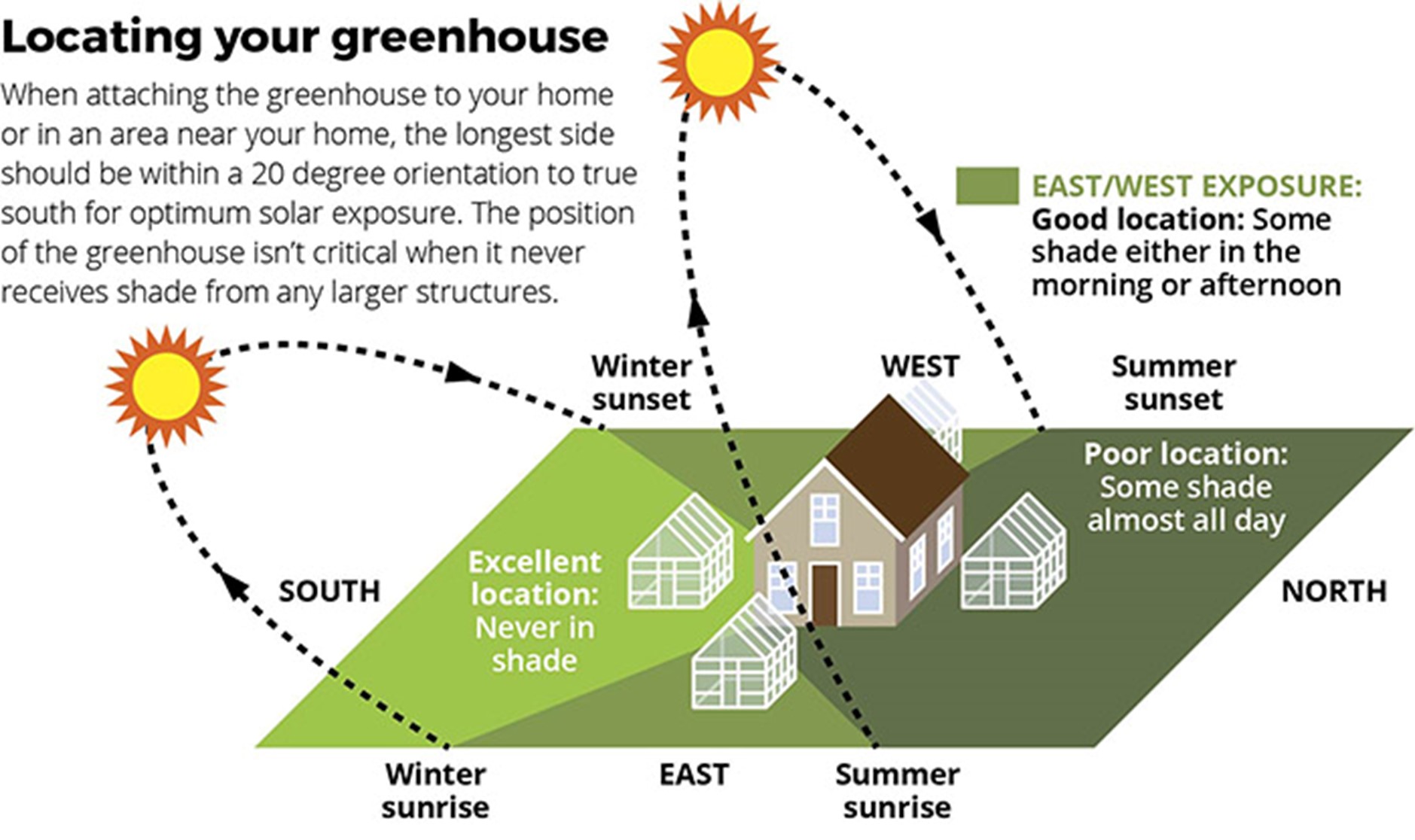
Factors Affecting Sunlight in a Greenhouse
The amount of sunlight a greenhouse receives is influenced by several factors, including geographical location, seasonal variations, and the specific requirements of the plants housed within. It is essential to consider these elements when determining whether a greenhouse should be in full sun all day. Consider the following factors that can affect sunlight exposure:
- Geographical Location: The latitude and altitude can significantly impact sunlight hours and intensity.
- Seasonal Changes: Different seasons provide varying lengths of daylight, affecting light exposure.
- Plant Requirements: Some plants thrive in full sun, while others prefer partial shade or filtered light.
Benefits of Full Sun for a Greenhouse
A greenhouse located in full sun for the entire day can provide numerous benefits for plant growth and development. Maximizing sunlight exposure can lead to enhanced photosynthesis and healthier plants. The advantages include:
- Increased Photosynthesis: Plants utilize sunlight for energy through photosynthesis, resulting in faster growth rates.
- Higher Yields: Full sun often leads to better fruit and flower production due to optimal light availability.
- Improved Temperature Regulation: Adequate sunlight can help maintain warmer temperatures, promoting a favorable growing environment.
Potential Risks of Full Sun Exposure
While full sun has its benefits, being in constant sunlight can pose several risks to plants and the overall greenhouse environment. Understanding these risks is crucial for effective greenhouse management:
- Heat Stress: Excessive sunlight can lead to higher temperatures, causing stress on plants and potential wilting.
- Water Loss: Increased evaporation rates may lead to faster drying of soil, necessitating more frequent watering.
- Burned Foliage: Some plants may develop sunburn or scorching if exposed to intense sunlight for prolonged periods.
Alternatives to Full Sun Exposure
If a greenhouse cannot maintain full sun exposure throughout the day, there are alternative strategies to ensure plants receive adequate light while minimizing potential risks. Consider the following options:
- Shade Cloth: Installing shade cloth can provide filtered light, reducing direct sunlight and heat stress.
- Orientation and Location: Positioning the greenhouse to reduce midday sun exposure can balance light and temperatures.
- Plant Selection: Choosing plants that thrive in partial shade or are tolerant to varying light conditions can be beneficial.
Conclusion and Recommendations for Greenhouse Sunlight
Proper management of greenhouse sunlight effectiveness is essential for successful plant growth. Understanding the specific needs of the plants and the environmental conditions can help optimize their growth. To summarize key considerations:
See also:
- Assess Light Requirements: Identify the light needs of each plant species housed in the greenhouse.
- Monitor Temperature: Regularly check temperature levels to prevent overheating or heat stress on plants.
- Adjust Accordingly: Implement shading solutions or adjust plant placements as necessary to ensure optimal growth conditions.
Where should you not put a greenhouse?
When considering the placement of a greenhouse, there are several factors to take into account to ensure optimal growth conditions for your plants. Here are several locations where you should not put a greenhouse:
Near Large Trees
Placing a greenhouse near large trees can lead to significant issues, such as reduced sunlight exposure and nutrient competition. Trees can cast shadows, which decreases the amount of direct sunlight that the plants inside the greenhouse receive. Additionally, tree roots can compete for water and nutrients from the soil. Furthermore, falling branches and leaves can create debris problems, impacting the maintenance of the greenhouse.
- Reduced sunlight exposure
- Nutrient competition from tree roots
- Debris from falling branches and leaves
In Low-Lying Areas
Low-lying areas can often face problems with water drainage and moisture accumulation. If a greenhouse is placed in a location that tends to collect water, it may lead to damp conditions that can promote mold and rot, damaging the plants inside. Additionally, such areas can be vulnerable to cold air pockets, which could lower the temperature within the greenhouse during colder months.
- Potential for flooding after rain
- Increased risk of mold and rot
- Exposure to cold air pockets
In Areas with Poor Air Circulation
Choosing a site with poor air circulation can hinder the growth of plants in a greenhouse. Stagnant air can lead to higher humidity levels, which can create a favorable environment for pests and diseases. It is important to place a greenhouse in a location where fresh air can freely circulate, helping to moderate temperature and humidity levels, which are crucial for plant health.
- Increased humidity levels
- Higher risk of pests and diseases
- Temperature fluctuations due to stagnant air
Exposed to Harsh Weather Conditions
Placing a greenhouse in an area that is frequently exposed to harsh weather conditions can lead to structural damage and increased maintenance costs. High winds, heavy snowfall, or intense sun can deteriorate the materials of the greenhouse and stress the plants inside. It is advisable to find a location that is somewhat sheltered from extreme elements to ensure stability and longevity.
- Potential for structural damage
- Increased maintenance costs
- Stress on plants inside due to extreme elements
Close to Pollution Sources
Installing a greenhouse near pollution sources, such as roads or factories, can lead to detrimental effects on plant health due to chemical exposure and reduced air quality. Pollutants can affect the growth rate and overall well-being of plants, making it important to assess the air quality and potential contaminants in the vicinity before placing a greenhouse.
- Impact of chemical exposure on plant health
- Reduction in air quality around the greenhouse
- Possibility of stunted growth and lower yields
Can greenhouses go in the shade?

Greenhouses are structures designed to promote plant growth by providing a controlled environment. One common question is whether greenhouses can be placed in shade. The answer is nuanced and depends on several factors, including the type of plants being grown and the degree of shading that occurs.
Understanding Light Requirements
Plants have different light requirements that determine their growth. Most plants require a certain amount of direct sunlight to flourish. Placing a greenhouse in a shaded area can limit the amount of photosynthesis that occurs, affecting plant health. The intensity and duration of light exposure are crucial for successful plant growth.
- Full sun plants generally need 6-8 hours of direct sunlight.
- Partial shade plants can thrive with 4-6 hours of sunlight.
- Some plants, like ferns or shade-tolerant species, can manage with 2-4 hours of light.
Types of Greenhouses
The type of greenhouse you choose can influence its efficacy in low-light conditions. Some greenhouses are specifically designed for low-light environments, while others are not.
- Cold frames: These are low to the ground and can be effective in partially shaded areas.
- Hoop houses: These structures can be adjusted to maximize light exposure and can cope best with partial shade.
- Traditional glass greenhouses: These typically require more direct sunlight and may not perform well in shady conditions.
Mitigating Shade Impact
If you decide to place a greenhouse in a shaded area, there are strategies to mitigate the impact of light deficiency on plant growth.
- Positioning is key; try to locate the greenhouse where it can receive maximum sunlight during the day.
- Use reflective surfaces around the greenhouse to enhance light exposure.
- Consider installing artificial grow lights to supplement natural light, especially during shorter daylight months.
Benefits of Shade for Certain Plants
While excessive shade can be detrimental, there are also benefits to placing a greenhouse in a shaded environment, particularly for specific types of plants.
See also:
- Some plants, like certain herbs and vegetables, thrive in reduced light conditions.
- Shaded areas can help reduce heat stress in hotter climates.
- Certain plants can use shade to protect against pests and diseases that thrive in full sunlight.
Conclusion: Assessing Your Environment
The decision to place a greenhouse in a shaded area should be based on a careful assessment of your local environment and the specific needs of the plants you intend to grow.
- Evaluate the amount of sunlight during different times of the year.
- Consider the plant types you want to grow and their specific light needs.
- Adapt your greenhouse design or supplemental lighting based on your findings.
Can a greenhouse get too much sun?
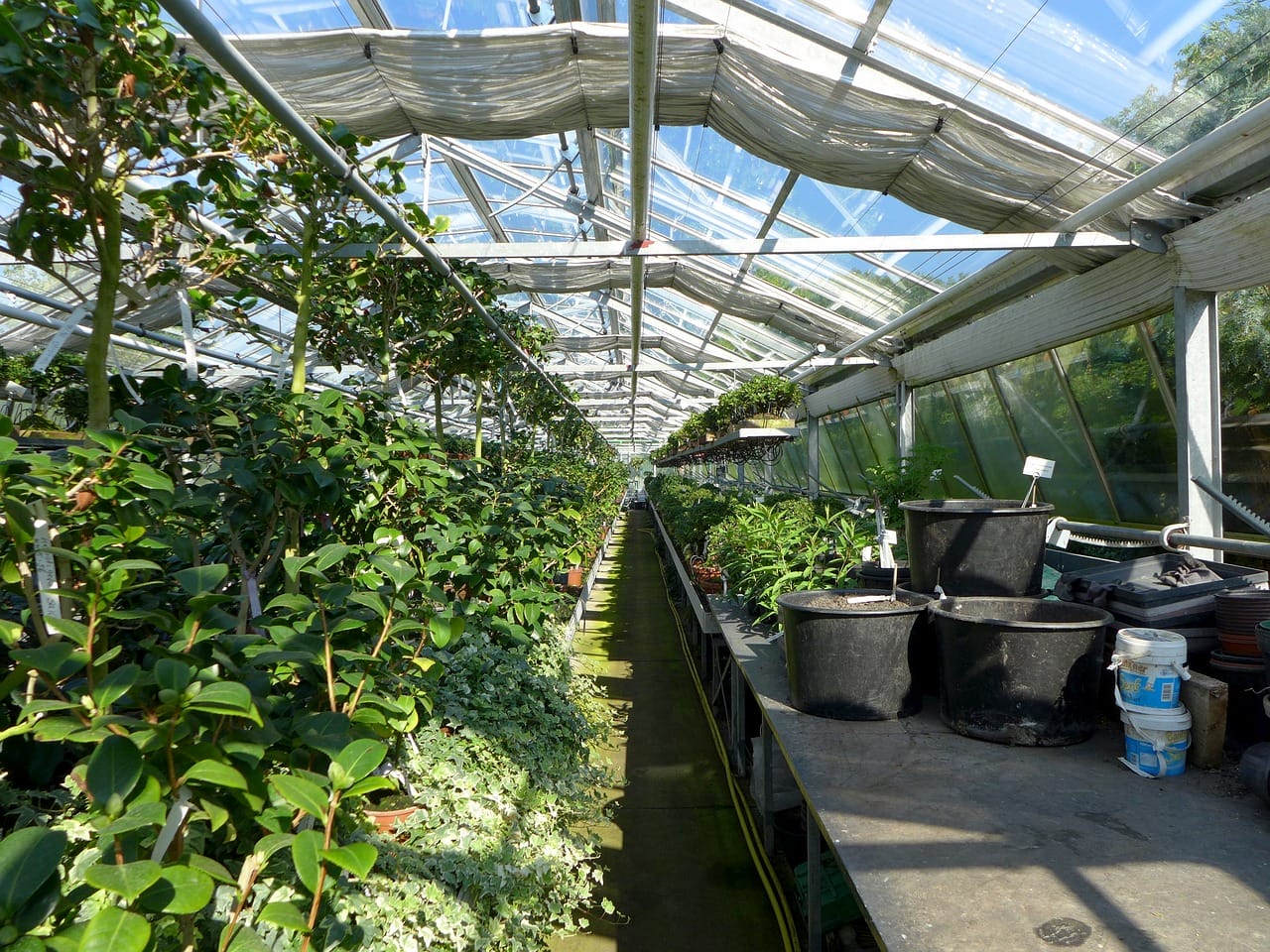
Yes, a greenhouse can indeed get too much sun. While greenhouses are designed to create an optimal environment for plants by regulating temperature, humidity, and light levels, excessive sunlight can lead to several issues. Here are some factors to consider regarding the impact of too much sun on a greenhouse:
1. Temperature Control: Greenhouses are typically made with materials that allow sunlight to enter, which can lead to high temperatures inside the structure. When temperatures rise excessively:
- Plants can become stressed due to heat exposure.
- Soil moisture levels can decrease rapidly, leading to drought stress.
- Certain plants may suffer from sunburn on leaves.
2. Ventilation Issues: Adequate ventilation is crucial to prevent overheating. If a greenhouse receives too much sun:
- It may require reliable ventilation systems to maintain a suitable environment.
- Increased humidity can lead to fungal diseases if air circulation is poor.
- Manual adjustments, like opening windows or installing fans, may be necessary to regulate airflow.
3. Light Intensity: While plants require light for photosynthesis, too much direct sunlight can have negative effects:
- Some plants may not tolerate intense light, leading to leaf scorch or wilting.
- The light spectrum plays an essential role; too much red light can stimulate excessive growth without adequate leaf density.
- Special shade cloths or other shading methods may be needed to moderate light intensity.
4. Plant Selection: The choice of plants is vital in a greenhouse that receives significant sunlight:
- Some plants thrive in full sun, while others may require partial shade.
- Knowing the specific needs of each plant can help avoid overexposure.
- It’s important to group plants according to their light and temperature requirements.
5. Long-Term Impacts: Prolonged exposure to excessive sunlight can have lasting effects on the greenhouse's ecosystem:
- Soil may become compacted and less fertile over time.
- The overabundance of heat can affect the microbial activity within the soil.
- Continuous stress might lead to lower yields or even crop failure, thus affecting overall productivity.
In conclusion, while greenhouses serve to optimize plant growth, managing sunlight levels is critical to maintaining a healthy growing environment.
Questions from Our Readers
Should a greenhouse be in full sun?
A greenhouse benefits from full sun exposure, as most plants require adequate sunlight for optimal growth. However, it is essential to consider the location and climate, as too much direct sunlight can lead to overheating and may necessitate ventilation or shade solutions.
What are the drawbacks of placing a greenhouse in full sun?
While full sun is generally advantageous, it can cause extreme temperatures inside the greenhouse, particularly in hotter climates. This may lead to stress for plants, resulting in wilting or burning of leaves, making it crucial to implement shading methods or cooling systems to manage these conditions.
Can a greenhouse function well in partial shade?
Yes, a greenhouse can still thrive in partial shade, particularly for plants that prefer indirect light or for those that need to be protected from intense sunlight. However, this may limit the variety of plants that can be grown and could require adjustments in watering and temperature control.
How can I manage light levels in a greenhouse located in full sun?
To effectively manage light levels in a greenhouse in full sun, you can use shade cloths, install ventilation systems, or incorporate reflective materials to diffuse sunlight. Additionally, strategic placement of plants and selecting suitable varieties can help accommodate their light preferences.
See also:

If you want to read more articles like Should a Greenhouse Be in Full Sun? Exploring Optimal Conditions for Plant Growth, we recommend you check out our Plants category.
Leave a Reply
Related Articles