What is the Best Thing to Plant in a Greenhouse? Top Tips and Recommendations

A greenhouse can be an incredible asset for both seasoned gardeners and beginners alike, providing a controlled environment that fosters optimal plant growth year-round. But with so many options available, deciding what to plant can be overwhelming. This article explores the best plants suited for greenhouse cultivation, considering factors such as climate, space, and personal preference. From vibrant vegetables to exquisite flowers, you'll discover top tips and recommendations to maximize your greenhouse's potential. Whether you're looking to grow food for your family or create a stunning floral display, our guide will help you make informed choices for your green haven.
What Are the Best Plants for a Greenhouse?
When considering what to plant in a greenhouse, it's essential to choose plants that thrive in controlled environments, with moisture and light levels optimized for growth. The best options often include vegetables like tomatoes, cucumbers, and peppers, as well as herbs such as basil and mint. These plants benefit significantly from the consistent temperature and humidity that a greenhouse offers, enabling them to produce higher yields and better flavors compared to outdoor cultivation. Additionally, tropical plants, such as orchids and certain fruit trees, can flourish in these conditions, allowing for year-round gardening and diversification in your plant selection.
Benefits of Growing Vegetables in a Greenhouse
Growing vegetables in a greenhouse can lead to an extended growing season, allowing for early planting and late harvesting. This controlled environment protects crops from pests and extreme weather conditions, resulting in healthier plants and a higher yield. Moreover, the ability to manage humidity and temperature enhances photosynthesis, leading to faster growth rates and an overall improved quality of produce.
Best Herbs to Grow in a Greenhouse
Herbs thrive in greenhouse conditions due to the optimal light and moisture levels that promote vigorous growth. Popular choices like basil, cilantro, and thyme not only grow well but also provide fresh flavors for culinary dishes throughout the year. The greenhouse environment allows for more successful germination and growth, enabling herb gardeners to enjoy vibrant, aromatic plants regardless of seasonal changes.
Tropical Plants Suitable for Greenhouses
Tropical plants are ideal for greenhouses, as they require higher temperatures and humidity levels that are easily maintained in these structures. Plants like bananas, pineapples, and ornamental orchids can flourish within a greenhouse setting, providing a unique, exotic touch to your garden. These plants often have specific light and water needs, which are easier to manage in a greenhouse environment, allowing gardeners to cultivate species that would not survive in their local climate.
Flowers to Consider for Your Greenhouse
Growing flowers in a greenhouse can help create a beautiful and colorful display, with options like petunias, geraniums, and roses thriving in controlled conditions. The greenhouse protects these plants from environmental stressors, encouraging blooming and vibrant colors throughout the year. Moreover, greenhouse flower cultivation allows for early spring planting, giving you a head start on the gardening season.
Factors to Consider When Choosing Plants
When selecting plants for your greenhouse, consider factors such as light, season, and space. Some plants require full sunlight, while others may thrive in partial shade. Additionally, consider the temperature preferences of each plant species, as certain plants excel in warmer conditions. Lastly, plan your greenhouse layout to maximize growth potential, ensuring all plants receive adequate resources for optimal health and productivity.
| Plant Type | Optimal Conditions | Common Varieties |
|---|---|---|
| Vegetables | Warm and moist | Tomatoes, cucumbers, peppers |
| Herbs | Bright light | Basil, mint, cilantro |
| Tropical Plants | High humidity | Bananas, orchids, pineapples |
| Flowers | Moderate to full sunlight | Petunias, geraniums, roses |
What plants grow best in a greenhouse?

Greenhouses provide an ideal environment for a variety of plants, allowing for extended growing seasons and the cultivation of species that might not thrive outdoors in specific climates. Here are some plants that grow best in a greenhouse:
Vegetables
Many vegetables thrive in greenhouse conditions due to the controlled environment, which can support their growth throughout the year.
- Tomatoes: They're one of the most popular greenhouse crops, requiring warm temperatures and plenty of sunlight.
- Peppers: Like tomatoes, peppers flourish in warmth and can produce higher yields when grown in a greenhouse.
- Cucumbers: These plants prefer warm, humid conditions that a greenhouse can provide, ensuring faster growth and better fruit production.
Herbs
Herbs benefit greatly from greenhouse cultivation, as their need for consistent conditions aligns with what greenhouses can offer.
- Basil: Thrives in warm environments and appreciates the high humidity found in a greenhouse.
- Parsley: This hardy herb grows well in a greenhouse and can be harvested multiple times.
- Mint: Prefers consistent moisture, making a greenhouse an ideal growing location to keep it lush and productive.
Flowers
Growing flowers in a greenhouse allows for greater control over their environment, fostering vibrant blooms.
- Geraniums: These colorful plants grow well in greenhouses where conditions can be managed for optimal flowering.
- Orchids: Require specific humidity and temperature levels that can be well-maintained within a greenhouse.
- Petunias: They flourish in a greenhouse where light and nutrients can be effectively controlled, leading to abundant blooms.
Fruits
Many fruits can be successfully cultivated in a greenhouse, especially those that require warmer temperatures.
See also:
- Strawberries: With proper care, they can produce fruit year-round in a greenhouse environment.
- Melons: Require warm temperatures and space to grow, which a greenhouse can easily provide.
- Citrus fruits: Trees such as lemon and lime thrive in greenhouse conditions, enjoying protection from harsh weather.
Exotic Plants
Greenhouses offer a unique advantage for growing exotic plants that would otherwise struggle in more moderate climates.
- Bromeliads: These tropical plants thrive in humid conditions, making them perfect for greenhouse environments.
- Ferns: Many varieties require high humidity and specific temperature ranges that greenhouses can provide.
- Succulents: While they prefer drier conditions, the controlled environment of a greenhouse can help prevent overwatering issues.
What is the easiest thing to grow in a greenhouse?
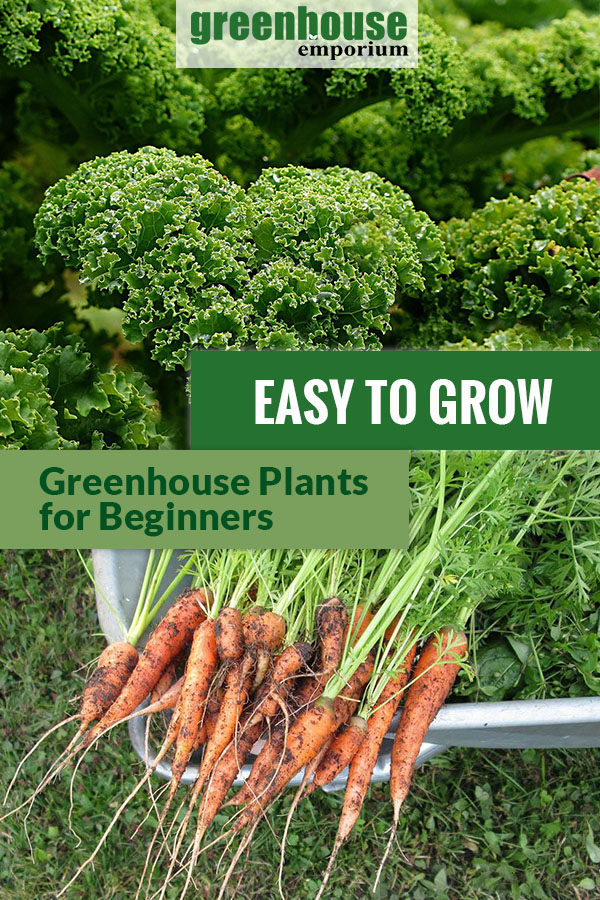
The easiest thing to grow in a greenhouse is typically herbs. They require minimal attention, have a short growth cycle, and can thrive in various greenhouse conditions. Herbs are not only rewarding because of their rapid growth, but they also provide flavor and aroma to dishes. Some popular options include basil, parsley, chives, and mint.
Benefits of Growing Herbs in a Greenhouse
Growing herbs in a greenhouse offers numerous advantages that make them perfect for beginners.
- Controlled Environment: A greenhouse allows you to control temperature, humidity, and light, creating the perfect conditions for herb growth.
- Extended Growing Season: Herbs can be cultivated year-round, as greenhouse conditions can prevent frost damage and promote continuous growth.
- Pest and Disease Management: Enclosed spaces minimize exposure to pests and diseases, making it easier to maintain healthy plants.
Top Easy-to-Grow Herbs in a Greenhouse
When starting to grow herbs in a greenhouse, consider choosing those that are particularly easy to manage.
- Basil: This fragrant herb grows quickly and thrives in warm temperatures, making it an excellent choice for greenhouse cultivation.
- Mint: Mint is resilient and can grow almost anywhere, but in a greenhouse, it can be carefully managed to prevent it from becoming invasive.
- Chives: Chives are hardy and grow well in a variety of conditions, making them a low-maintenance option for any greenhouse.
Caring for Your Herbs in a Greenhouse
Proper care is essential for a successful herb garden in a greenhouse.
- Watering: Herbs require regular watering, but make sure not to overwater; the soil should be moist but never soggy.
- Light Requirements: Ensure your greenhouse provides adequate natural light; most herbs thrive on at least 6 hours of sunlight daily.
- Fertilizing: Applying a balanced fertilizer can promote healthy growth; choose an organic option for the best results.
Harvesting Herbs in a Greenhouse
Knowing when and how to harvest herbs is crucial for maximizing their flavor and usability.
- Timing: Harvest herbs just before they flower for the best flavor; this is when their essential oils are at their highest.
- Method: Use sharp scissors or garden shears to snip leaves, taking care not to damage the plant.
- Frequency: Regular harvesting encourages further growth and helps keep the plant healthy and productive.
Other Easy Vegetables to Consider
Apart from herbs, several vegetables are also easy to grow in a greenhouse and can complement your herb garden.
- Lettuce: Fast-growing and versatile, lettuce can be harvested multiple times, making it a great greenhouse crop.
- Radishes: Radishes grow quickly and are ready for harvest within a few weeks, ideal for quick results.
- Tomatoes: With proper support, tomatoes thrive in greenhouses, yielding delicious fruits throughout the growing season.
What not to plant in a greenhouse?

When managing a greenhouse, it is crucial to be strategic about the plants you choose to cultivate. While greenhouses offer controlled environments ideal for many plants, not all varieties thrive in such settings. Here are some factors to consider regarding what not to plant in a greenhouse.
Invasive Species
Planting invasive species in a greenhouse can lead to uncontrolled growth and ecological damage. These plants can spread rapidly and often outcompete native species. In a greenhouse, the conditions are favorable for their proliferation, which can affect outdoor gardens and local ecosystems.
- Common Buckthorn: A hardy shrub that invades various habitats.
- Japanese Knotweed: Fast-growing and difficult to eradicate once established.
- English Ivy: Can smother native plants and trees.
Heavy Feeders
Some plants have high nutrient demands and can deplete the soil or hydroponic systems quickly. Planting heavy feeders without proper management can lead to nutrient deficiencies that affect overall greenhouse health.
- Tomatoes: Require rich soil and constant feeding.
- Peppers: Also heavy feeders that necessitate a nutrient-dense environment.
- Cucumbers: They deplete nutrients rapidly and need regular fertilization.
Plants Requiring High Humidity
Certain plants thrive in high humidity, but managing this condition in a greenhouse can be tricky. Overly humid environments can promote mold and pests, which can damage your entire crop.
See also:
- Orchids: Require high moisture levels that can be hard to maintain.
- Tropical Ferns: Prefer consistently moist air, which could lead to fungal issues.
- Bamboo: Needs a lot of humidity and can become problematic in a closed environment.
Short-Lived Annuals
Planting short-lived annuals can lead to inefficient use of greenhouse space. These plants may not provide a satisfactory return on the time and resources invested in their cultivation.
- Petunias: Bloom quickly but only last for one season.
- Zinnias: Easy to grow but short-lived in a greenhouse setup.
- Nasturtiums: While beautiful, they only provide a single season of growth.
Companion Plants with Disparate Needs
Some plants have specific growth requirements that can contradict each other. If planted together, they might hinder each other's development.
- Carrots and Dill: Dill can inhibit carrot growth, affecting yield.
- Basil and Rue: Basil may suffer if grown near rue due to conflicting needs.
- Cabbage and Strawberries: Different nutrient and space needs can lead to issues.
What is the most profitable thing to grow in a greenhouse?
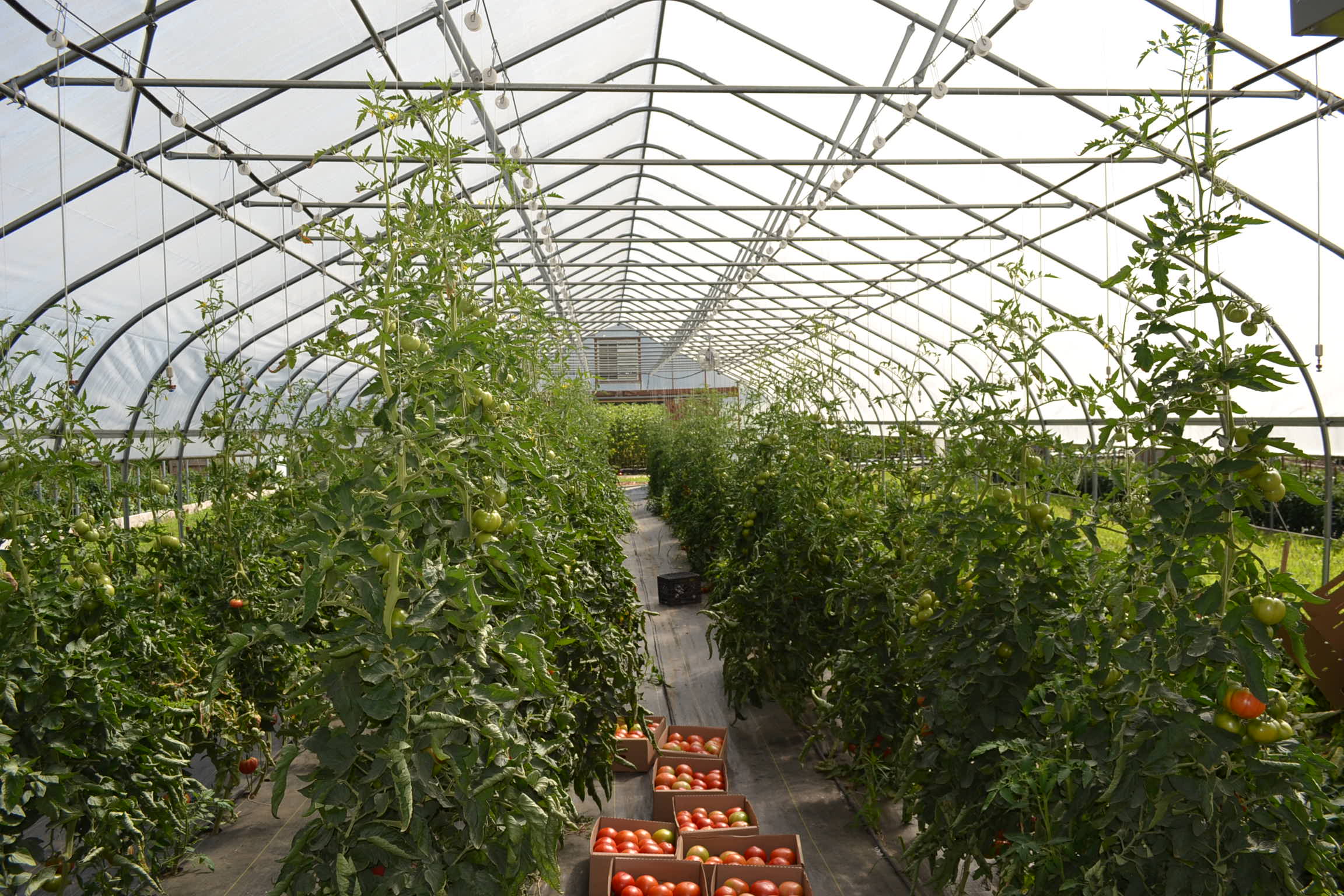
The most profitable thing to grow in a greenhouse often depends on various factors such as local market demands, climate conditions, and the grower's expertise. However, several crops have emerged as consistently high-yielding and profitable choices for greenhouse cultivation. Among these, tomatoes, lettuce, and herbs stand out as particularly lucrative options due to their high market demand and relatively short growth cycles.
High-Demand Vegetables
Growing high-demand vegetables in a greenhouse can lead to significant profits. These include crops that are sought after by local markets or restaurants, ensuring quick sales and higher price points. The most profitable vegetables typically have fast growth rates and can be harvested multiple times over the growing season.
- Tomatoes - Known for their versatility and high consumer demand, tomatoes can yield abundant profits when grown in controlled environments.
- Lettuce - Fast-growing with multiple harvest opportunities, lettuce remains popular in salads and as a healthy food choice.
- Peppers - Various types of peppers (bell, hot) can fetch high prices, especially organic varieties harvested out of season.
Profitable Herbs
Growing herbs in a greenhouse can be especially profitable due to increasing consumer interest in fresh and organic produce. Many chefs and home cooks seek fresh herbs for flavor enhancement, creating a steady demand.
- Basil - A common favorite in cooking, basil is quick to grow and can be continually harvested throughout the season.
- Cilantro - Frequently used in various cuisines, cilantro is highly sought after and can be marketed to local restaurants.
- Mint - Perfect for culinary and beverage use, mint can be sold fresh or dried, offering multiple revenue streams.
Specialty Fruits
Specialty fruits grown in greenhouses can attract niche markets and higher prices than standard produce. These fruits often require specific growing conditions that greenhouses can provide, leading to exceptional quality.
- Strawberries - They have a high market value, especially when locally sourced and grown in an ideal environment.
- Blueberries - Their popularity is ever-increasing, making them a profitable option for growers specializing in berries.
- Melons - With the right greenhouse conditions, melons can be produced out of season, increasing their market value.
Flowers for Profit
Growing flowers in a greenhouse can be exceptionally profitable, particularly for those targeting the cut flower market. The beauty and seasonal demand for flowers create a lucrative business opportunity.
- Roses - Always in demand for events and gifting, roses can yield high profits, especially when cultivated sustainably.
- Orchids - These are often sought by collectors and enthusiasts, which can lead to good returns on investment.
- Sunflowers - While more common, selling sunflowers for decorative purposes can be very profitable due to their popularity during summer months.
Microgreens
Microgreens have gained popularity due to their nutritional benefits and culinary application. They are easy to grow in a greenhouse and can be harvested within weeks, making them appealing for quick turnover profits.
- Aromatic varieties - Such as radish and mustard; perfect for salads and garnishes.
- Vegetable varieties - Like broccoli and peas; popular among health-conscious consumers seeking flavor and nutrients.
- Herb microgreens - Such as basil and cilantro; they command high prices at farmers' markets and restaurants.
Questions from Our Readers
What is the best vegetable to grow in a greenhouse?
The best vegetable to grow in a greenhouse is often considered to be tomatoes. They thrive in the controlled environment of a greenhouse, where temperature and humidity can be managed, resulting in a higher yield and better flavor compared to outdoor cultivation.
Can fruit trees be grown in a greenhouse?
Yes, many dwarf fruit trees can be successfully grown in a greenhouse. Varieties like citrus, figs, and apples are particularly well-suited since they can benefit from the warmer climate and protection from pests, leading to healthier growth and fruit production.
What flowers are best for greenhouse gardening?
Orchids, roses, and geraniums are among the best flowers to grow in a greenhouse. These plants benefit from controlled light and temperature, leading to longer blooming periods and more vibrant colors, making them ideal for both decorative and commercial purposes.
Are herbs a good choice for greenhouse planting?
Absolutely, herbs like basil, parsley, and cilantro are excellent choices for greenhouse planting. They grow quickly and abundantly in a greenhouse setting, which offers an optimal environment for growth, allowing for a more consistent supply of fresh flavorful herbs year-round.
See also:

If you want to read more articles like What is the Best Thing to Plant in a Greenhouse? Top Tips and Recommendations, we recommend you check out our Plants category.
Leave a Reply
Related Articles